
In an increasingly digital world, where transactions often happen with a tap or a click, the humble paper check might seem like a relic of a bygone era. Yet, for millions of individuals and businesses, checks remain an indispensable tool for managing finances. Whether it’s paying rent, settling a contractor’s bill, or sending a gift, knowing how to properly write a check – especially one from a major institution like Bank of America (BoA) – is a fundamental financial skill that ensures your payments are processed smoothly, securely, and without complications.

This comprehensive guide will demystify the process of writing a Bank of America check, breaking down each essential component and offering best practices to empower you with confidence and financial literacy. We’ll delve into the anatomy of a check, provide a step-by-step walkthrough, highlight common pitfalls to avoid, and explore why, even today, checks continue to play a vital role in our financial ecosystem. Mastering this skill isn’t just about putting pen to paper; it’s about safeguarding your money, maintaining accurate records, and ensuring your financial intentions are always clear.
Understanding the Anatomy of a Check
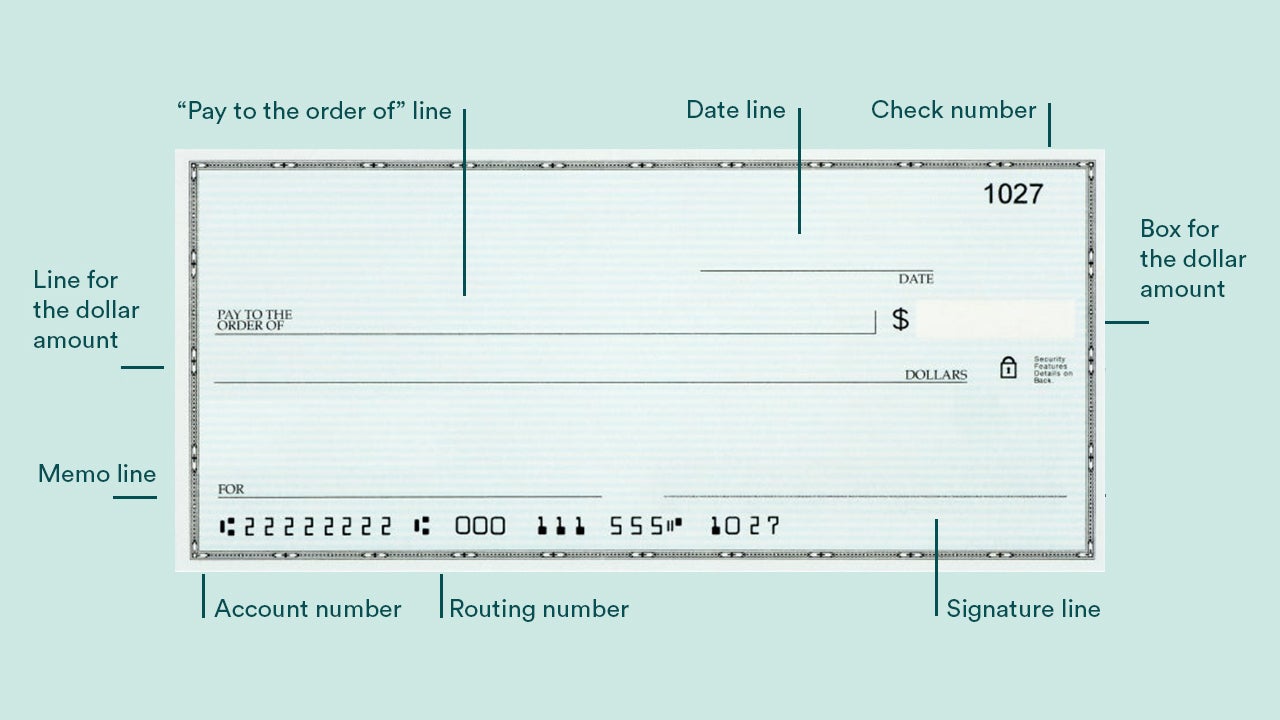
Before you even pick up a pen, it’s crucial to understand the various fields and numbers printed on a check. Each element serves a specific legal and practical purpose, contributing to the check’s validity and your financial security. A typical Bank of America check, like any other, is a legal instrument that instructs your bank to pay a specified amount of money from your account to a designated recipient. Familiarizing yourself with these parts is the first step toward confident check writing.
Key Elements and Their Significance
- Date Line: Usually located in the top right corner, this is where you write the current date. It indicates when the check was written and can be crucial for determining the validity period of the check (e.g., some checks are void after 90 or 180 days). Post-dating a check (writing a future date) is possible but carries specific implications and risks.
- Payee Line (“Pay to the Order of”): This prominent line is where you write the name of the person or organization receiving the money. Accuracy here is paramount, as the bank will only release funds to the entity whose name is precisely written. Misspellings or vague entries can lead to processing delays or rejection.
- Numeric Amount Box: A small box, typically to the right of the payee line, where you write the monetary amount of the check using numbers (e.g., “$150.75”). This provides a quick visual reference for the amount and helps in cross-referencing with the written amount.
- Written Amount Line: This long line directly below the payee line is arguably the most critical part. Here, you write out the monetary amount in words (e.g., “One Hundred Fifty and 75/100 Dollars”). In case of a discrepancy between the numeric and written amounts, the written amount is legally considered the correct one. This redundancy helps prevent fraud and ensures clarity.
- Signature Line: Located in the bottom right corner, this is where you, as the account holder, must sign your name exactly as it appears on your bank records. Your signature authorizes Bank of America to release funds from your account. Without a valid signature, the check is worthless.
- Memo Line (Optional): Usually in the bottom left corner, this small line allows you to add a brief note about the purpose of the payment (e.g., “April Rent,” “Invoice #123,” “Birthday Gift”). While optional, it’s highly recommended for your personal record-keeping and can be helpful for the recipient as well.
- Bank Information: At the top of the check, you’ll find the name and logo of your bank (Bank of America), along with its branch address.
- Your Information: Your name and address are typically pre-printed in the top left corner.
- MICR Line (Magnetic Ink Character Recognition): This special sequence of numbers at the bottom of the check is printed with magnetic ink, allowing machines to read it. It includes:
- Bank Routing Number: A nine-digit code that identifies Bank of America as your financial institution.
- Account Number: Your specific checking account number at Bank of America.
- Check Number: A sequential number that helps you track individual checks.
The Legal and Practical Importance of Each Section
Each section isn’t just a formality; it’s part of a robust system designed for accuracy, security, and legal enforceability. The date establishes a timeline, crucial for understanding when a payment was authorized. The payee’s name ensures funds reach the intended recipient, preventing misdirection. The numeric and written amounts provide a fail-safe against errors and potential fraud, with the written amount holding legal precedence. Your signature is your explicit authorization, without which the bank cannot legally act. Finally, the MICR line ensures efficient, automated processing by the banking system, allowing funds to be transferred quickly and accurately between institutions. Understanding these roles elevates check writing from a simple task to a careful financial transaction.
Step-by-Step Guide to Filling Out Your BOA Check
Now that you’re familiar with the components, let’s walk through the process of filling out a Bank of America check correctly. Precision and legibility are your best allies here.
Date: Ensuring Validity and Timeliness
Begin by writing the current date on the “Date” line in the top right corner. Use a standard format, such as MM/DD/YYYY (e.g., 04/23/2024) or Month DD, YYYY (e.g., April 23, 2024). It’s generally best practice to use the date you are actually writing the check. If you intend for the check to be cashed or deposited later, you can post-date it, but be aware that banks may sometimes process post-dated checks early, and it can complicate matters if the recipient tries to deposit it before the stated date.
Payee: Identifying the Recipient Correctly
On the line marked “Pay to the Order of,” write the full, accurate legal name of the person or entity you are paying. For individuals, use their first and last name (e.g., “John Doe”). For businesses or organizations, use their full registered name (e.g., “ABC Corporation,” “City of Springfield Utilities”). Double-check the spelling. If you’re unsure of the exact spelling for a company, it’s better to ask them or consult an invoice than to guess. An incorrect payee name can cause the check to be rejected by the bank.
Numeric Amount: Clarity and Consistency
Move to the small box to the right of the payee line, usually preceded by a dollar sign ($). Write the exact monetary amount of the check using numbers. For instance, if you’re paying one hundred fifty dollars and seventy-five cents, write “150.75”. Ensure the decimal point is clear and that there are two digits for cents, even if they are zeros (e.g., “150.00”). Start the numbers close to the dollar sign to prevent anyone from altering the amount by adding digits.
Written Amount: The Legal Tender of Your Check
This is the most critical step for clarity and security. On the long line below the payee line, write out the monetary amount in words. This acts as a safeguard against alterations and takes legal precedence over the numeric amount if there’s a discrepancy.
- Write the dollar amount in words, capitalizing the first letter of the first word (e.g., “One Hundred Fifty”).
- Use “and” to separate the dollar amount from the cents (e.g., “One Hundred Fifty and”).
- Write the cents as a fraction over 100 (e.g., “75/100”).
- Complete the line with “Dollars” (e.g., “One Hundred Fifty and 75/100 Dollars”).
- Draw a line from the end of your written amount to the word “Dollars” or the end of the line itself. This prevents anyone from adding extra words to inflate the amount.
- Example: “One Hundred Fifty and 75/100—————–Dollars”
Signature: Authorizing the Payment
On the signature line in the bottom right corner, sign your name exactly as it appears on your Bank of America account records. This signature legally authorizes the bank to release the specified funds from your account. An unsigned check is invalid and will be rejected.
Memo Line: For Your Records (Optional but Recommended)
In the bottom left corner, you can use the “Memo” or “For” line to add a brief note about the purpose of the check. This is incredibly helpful for your personal record-keeping and can also assist the recipient in identifying what the payment is for. Examples include “Rent – April,” “Invoice #12345,” or “Birthday Gift.” While optional, it’s a practice that enhances clarity and financial organization.
Best Practices and Common Pitfalls to Avoid
Writing a check is more than just filling in blanks; it’s about exercising financial diligence. Adhering to best practices and being aware of common mistakes can save you from hassle, financial loss, or even fraud.
Accuracy and Legibility: Preventing Errors and Fraud
Always write clearly and legibly using a permanent ink pen (blue or black ink is preferred). Illegible handwriting can lead to misinterpretation, causing delays or rejection by the bank. Ensure all details – date, payee, numeric amount, and written amount – are accurate. A single mistake can invalidate the check or direct funds incorrectly. It’s better to void a check and write a new one if you make a significant error than to try and “fix” it, as alterations can raise suspicions of fraud.
Avoiding Blank Spaces and Alterations
Never leave large blank spaces anywhere on the check, especially after the written amount. As mentioned, drawing a line to fill remaining space helps prevent unauthorized additions. If you make a minor, correctable error (e.g., a simple typo in the memo line), you might be able to initial a small correction, but generally, it’s safer to void the check. For critical fields like the amount or payee, always void and restart. To void a check, write “VOID” in large letters across the front of the check, ensuring it covers the key fields, and then record it in your check register.
Recording Your Transactions: The Check Register
Your checkbook comes with a check register (or transaction log) where you should immediately record every check you write. This includes the check number, date, payee, amount, and a brief memo. This register is crucial for balancing your checkbook, tracking your spending, and monitoring your account balance to prevent overdrafts. Bank of America also offers digital tools to track transactions, but a physical register provides an immediate, personal record.
Safeguarding Your Checks
Treat your blank checks like cash. Store them in a secure place where they cannot be easily accessed or stolen. Never leave blank checks lying around. If your checkbook or individual checks are lost or stolen, report it to Bank of America immediately so they can advise you on next steps, such as placing a stop payment or closing your account if necessary. Be wary of sharing your banking information, and shred old checks before discarding them to prevent identity theft.
When and Why Checks Still Matter
Despite the rise of digital payment methods, checks maintain their relevance for specific situations and offer unique advantages. Understanding these scenarios can help you decide when a paper check is the most appropriate financial tool.
Specific Scenarios Where Checks Are Preferred or Required
- Rent Payments: Many landlords, especially smaller ones or individual owners, still prefer or require rent payments via check. It provides a clear paper trail for both parties and avoids processing fees associated with digital platforms.
- Utility Bills and Services: While many utilities offer online payment, some still accept or even prefer checks, particularly for one-off payments or if you prefer to avoid linking your bank account directly to multiple vendors.
- Payments to Small Businesses or Contractors: For independent contractors, freelancers, or small businesses without sophisticated online payment systems, checks are a common and convenient way to pay for services.
- Gifts for Special Occasions: A check, neatly placed in a greeting card, is a traditional and personal way to give monetary gifts for birthdays, weddings, graduations, or holidays.
- Large Sums or Specific Transactions: For significant payments, like a down payment on a car (though often cashier’s checks are preferred here), a check provides a physical record and a clear audit trail. Some government agencies or specific legal transactions may also require paper checks.
- When You Need a Physical Record: The physical nature of a check, along with your check register, provides a robust paper trail that can be invaluable for budgeting, tax purposes, or dispute resolution.
Checks vs. Digital Payments: A Balanced Perspective
While digital payments offer speed and convenience, checks provide a level of security and control that can be appealing in certain contexts. With a check, you control when the funds are released by handing over the signed document, and you have a record of every detail. Digital payments are instantaneous but can sometimes be harder to reverse if an error occurs. Furthermore, checks don’t require internet access or specific apps, making them universally accessible. Understanding when to use each method empowers you to navigate your finances effectively, leveraging the strengths of both traditional and modern payment systems.
What to Do After Writing a Check
Your responsibility doesn’t end the moment you sign a check. A few post-writing actions are crucial for sound financial management and to ensure smooth transaction processing.
Monitoring Your Account Balance
Always ensure you have sufficient funds in your Bank of America account to cover the check you’ve written. Writing a check for more money than you have can lead to an overdraft fee from the bank and a returned check fee from the payee. Regularly check your BoA account balance through online banking, the mobile app, or an ATM, and diligently record all written checks in your check register to prevent such occurrences.
Handling Errors or Stop Payments
If you realize you made a significant error on a check before it’s been cashed, or if you need to prevent a check from being paid for another reason (e.g., a dispute with the payee, lost check), you can request a “stop payment” from Bank of America. This typically involves a fee and requires you to provide details like the check number, date, payee, and exact amount. Act quickly, as a stop payment can only be effective if the check hasn’t already been processed.
Understanding Check Clearing Times
Once you give a check to someone, it won’t immediately clear your account. The time it takes for a check to “clear” – meaning the funds are officially transferred from your account to the payee’s account – can vary. Generally, local checks clear faster than non-local checks. Federal regulations (Expedited Funds Availability Act) mandate that banks must make deposited funds available within specific timeframes, typically 1-2 business days for most personal checks, but this doesn’t mean the check has fully cleared your account. Always wait until you see the funds officially debited from your account before assuming the transaction is complete, especially for larger amounts.

Conclusion
Writing a Bank of America check is a straightforward process, but it demands attention to detail and a clear understanding of each component’s role. From accurately dating the check and precisely identifying the payee to meticulously writing out the amounts in both numeric and word form, every step contributes to the integrity and legal validity of your payment. By adopting best practices, such as consistent record-keeping in your check register and safeguarding your blank checks, you transform a simple transaction into an act of responsible financial management.
In an era dominated by digital convenience, the paper check stands as a testament to reliability and a tangible record of your financial obligations. Whether it’s for rent, a thoughtful gift, or a specific service, knowing how to confidently and correctly write a Bank of America check ensures that your financial interactions are always clear, secure, and above all, correct. This foundational skill remains an essential part of a well-rounded approach to personal and business finance, bridging the gap between traditional banking and the modern financial landscape.
aViewFromTheCave is a participant in the Amazon Services LLC Associates Program, an affiliate advertising program designed to provide a means for sites to earn advertising fees by advertising and linking to Amazon.com. Amazon, the Amazon logo, AmazonSupply, and the AmazonSupply logo are trademarks of Amazon.com, Inc. or its affiliates. As an Amazon Associate we earn affiliate commissions from qualifying purchases.