
Securing a small business loan is often a pivotal step for entrepreneurs looking to start, expand, or sustain their ventures. In today’s dynamic economic landscape, access to capital can be the difference between stagnation and significant growth. However, navigating the complex world of business finance to obtain the right loan can be daunting. This comprehensive guide will demystify the process, offering insights and practical strategies to help you successfully secure the funding your small business needs.
Understanding Small Business Loans: Types and Eligibility
Before embarking on the loan application journey, it’s crucial to understand the diverse types of small business loans available and the fundamental criteria lenders use to assess eligibility. Not all loans are created equal, and choosing the right one for your specific needs is paramount.
What Qualifies as a Small Business Loan?
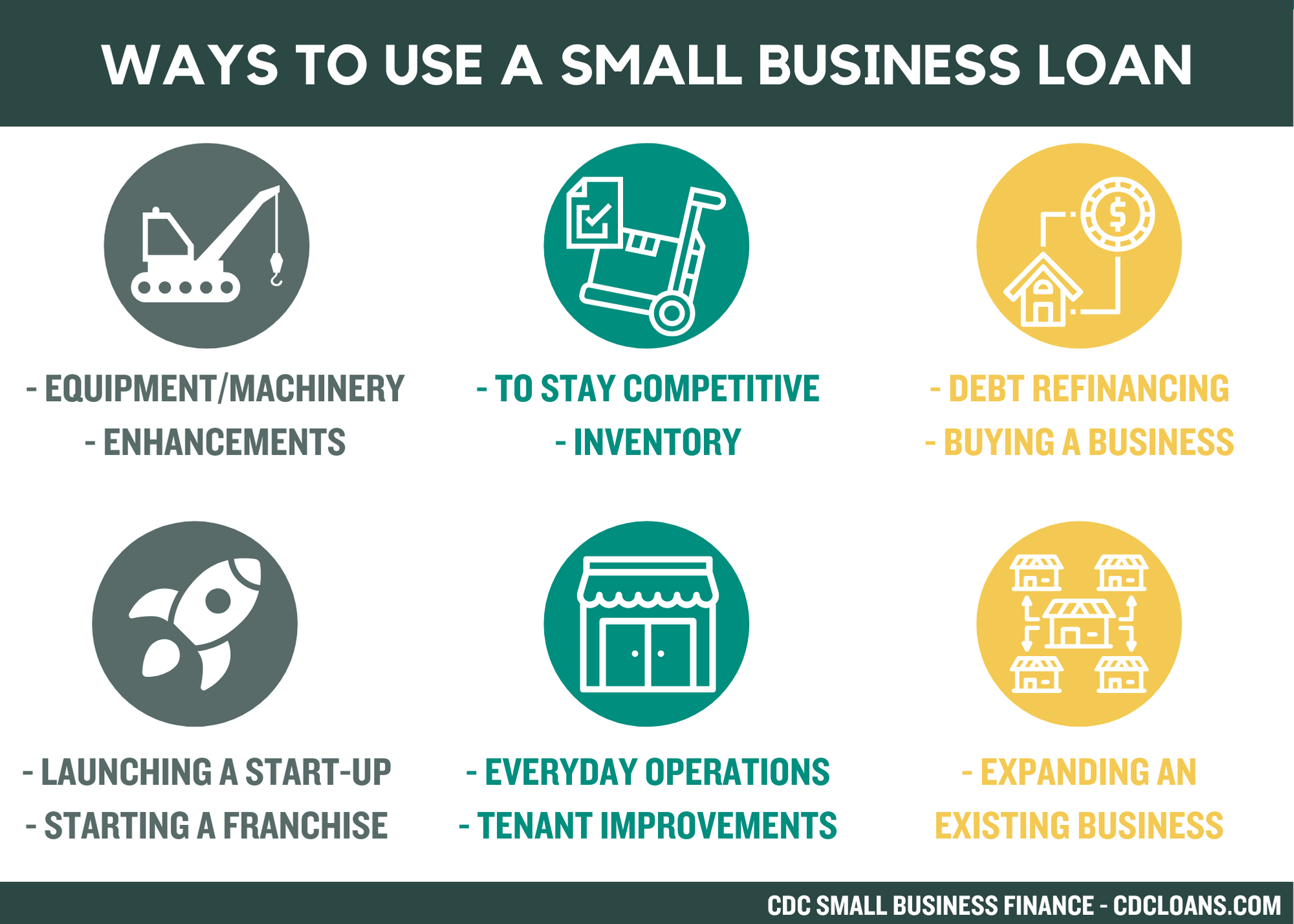
A small business loan is a financial product designed to provide capital to small and medium-sized enterprises (SMEs). These loans can be used for various purposes, including purchasing equipment, expanding operations, managing cash flow, hiring staff, or even refinancing existing debt. The key distinction from personal loans is that the funds are intended for business-related activities, and often, the business’s financial health, rather than just the owner’s personal credit, is a primary factor in approval.
Common Types of Small Business Loans
The landscape of business financing offers a variety of options, each with its unique structure, benefits, and requirements.
-
Term Loans: This is perhaps the most traditional type of loan. You receive a lump sum of money and repay it over a set period (term) with fixed interest rates. Term loans can be short-term (1-3 years) or long-term (3-10 years), depending on the amount and purpose.
-
SBA Loans: Backed by the U.S. Small Business Administration (SBA), these loans are not directly issued by the SBA but are provided by participating lenders (banks, credit unions) with an SBA guarantee. The SBA guarantee reduces the risk for lenders, making them more willing to lend to small businesses, often with more favorable terms, lower down payments, and longer repayment periods than conventional loans. The most common are 7(a) loans and 504 loans.
-
Lines of Credit: Similar to a credit card, a business line of credit provides access to a flexible amount of funds up to a certain limit. You only pay interest on the amount you draw, making it ideal for managing cash flow fluctuations, unexpected expenses, or short-term working capital needs.
-
Invoice Factoring/Financing: If your business often deals with slow-paying clients, invoice factoring (or accounts receivable financing) allows you to sell your outstanding invoices to a third-party company (a factor) at a discount. This provides immediate cash flow, though at a cost.
-
Equipment Financing: Specifically designed to help businesses purchase new or used equipment, these loans use the purchased equipment itself as collateral, often making them easier to obtain than unsecured loans.
-
Merchant Cash Advances (MCAs): While not technically a loan, an MCA provides an upfront sum of cash in exchange for a percentage of your future debit and credit card sales. They are quick to obtain but typically come with high costs and can be difficult to manage.
-
Commercial Real Estate Loans: Used to purchase or refinance property for business use, these are often long-term loans with the property serving as collateral.
Key Eligibility Criteria for Lenders
While specific requirements vary by lender and loan type, most financial institutions will assess your business based on several core criteria:
-
Credit Score: Lenders will examine both your personal credit score (as the business owner) and, if established, your business credit score. A strong credit history signals reliability.
-
Business History and Time in Business: Lenders prefer businesses with a proven track record. Most traditional lenders require a minimum of 2-3 years in operation, though online lenders might approve younger businesses.
-
Revenue and Profitability: Your business’s ability to generate sufficient revenue and profit is critical. Lenders want to see consistent cash flow that demonstrates your capacity to repay the loan.
-
Collateral: For secured loans, collateral (assets like real estate, equipment, or inventory) acts as security for the lender, reducing their risk. Unsecured loans typically require stronger credit and higher revenue.
-
Debt-to-Income Ratio: This ratio indicates your business’s ability to manage existing debt alongside new obligations.
-
Industry and Business Plan: Lenders will review your industry’s stability and your business plan to understand your operational strategy, market position, and future growth potential.
Preparing Your Business for a Loan Application
Success in securing a small business loan hinges significantly on preparation. A well-organized, thoroughly documented, and clearly articulated application significantly increases your chances of approval.
Strengthening Your Financial Foundation
Before even looking at lenders, take time to ensure your business’s financial health is robust and accurately represented.
-
Develop a Solid Business Plan: This document is your business’s roadmap. It should detail your mission, market analysis, organizational structure, product/service offerings, marketing strategy, and, critically, your financial projections. A well-crafted business plan demonstrates foresight and a clear path to profitability, which is highly appealing to lenders.
-
Create Accurate Financial Projections: Beyond historical data, lenders want to see where your business is headed. Provide realistic and conservative financial projections (e.g., income statements, cash flow statements, balance sheets) for the next 3-5 years, clearly outlining how the loan funds will contribute to these projections and how you plan to repay.
-
Improve Cash Flow Management: Lenders scrutinize cash flow. Implement strategies to optimize your working capital, such as efficient invoicing, managing inventory levels, and negotiating favorable payment terms with suppliers.
Organizing Essential Documentation
Lenders require a comprehensive set of documents to evaluate your loan application. Having these ready and organized will streamline the process.
-
Business Tax Returns: Typically for the past 2-3 years.
-
Personal Tax Returns: For the past 2-3 years, especially if you’re a sole proprietor or partnership, or if your business is young.
-
Business Bank Statements: For the past 6-12 months, to show consistent cash flow and transaction history.
-
Financial Statements: Including profit and loss (P&L) statements, balance sheets, and cash flow statements, usually for the current year-to-date and previous 2-3 years.
-
Legal Documents: Business registration documents, articles of incorporation, partnership agreements, and any licenses or permits.
-
Proof of Collateral: If applicable, documentation related to assets you plan to use as security.
-
Personal Financial Statement: A summary of your personal assets and liabilities.
-
Resumes: For key owners and management, highlighting their experience and qualifications.
Understanding Your Creditworthiness
Both personal and business credit scores play a vital role.
-
Personal Credit Score: Lenders will almost always check the personal credit score of the business owner, particularly for smaller businesses or those without a long operating history. A FICO score of 680 or above is generally considered good; 720+ is excellent. Take steps to improve your personal credit if needed, such as paying bills on time and reducing personal debt.
-
Business Credit Score: If your business has been operational for a while, it may have its own credit profile. Agencies like Dun & Bradstreet, Experian Business, and Equifax Business provide business credit scores. Establish and build good business credit by paying suppliers on time, having business credit accounts, and ensuring your business is listed with relevant credit bureaus.
Navigating the Application Process: Where to Look and How to Apply
With your business prepared and documents in order, the next step is to identify suitable lenders and submit a compelling application.
Traditional Lenders vs. Alternative Lenders
The financial landscape offers a spectrum of lending institutions, each with its advantages and disadvantages.
-
Traditional Banks and Credit Unions: These are often the go-to for established businesses seeking larger loans, lower interest rates, and longer repayment terms. They typically have stringent eligibility requirements, extensive paperwork, and a slower approval process. However, the cost of capital is generally lower.
-
Online Lenders: The rise of financial technology (FinTech) has introduced a plethora of online lenders that specialize in small business loans. They often have more flexible eligibility criteria (sometimes catering to younger businesses or those with lower credit scores), faster application and approval processes, and a wider range of niche loan products. The trade-off can be higher interest rates or fees compared to traditional banks.
-
Community Development Financial Institutions (CDFIs): These are mission-driven financial institutions that provide capital and financial services to underserved markets and populations. They can be an excellent option for businesses that may not qualify for traditional bank loans, often offering more flexible terms and business support.
The Role of SBA-Backed Loans
As mentioned, SBA loans are guaranteed by the U.S. Small Business Administration, making them attractive to lenders and beneficial for borrowers.
-
Why Consider SBA Loans? They typically offer lower interest rates, longer repayment periods, and more manageable down payments than conventional loans. This makes them highly accessible for many small businesses, especially those that might be considered higher risk by traditional lenders alone.
-
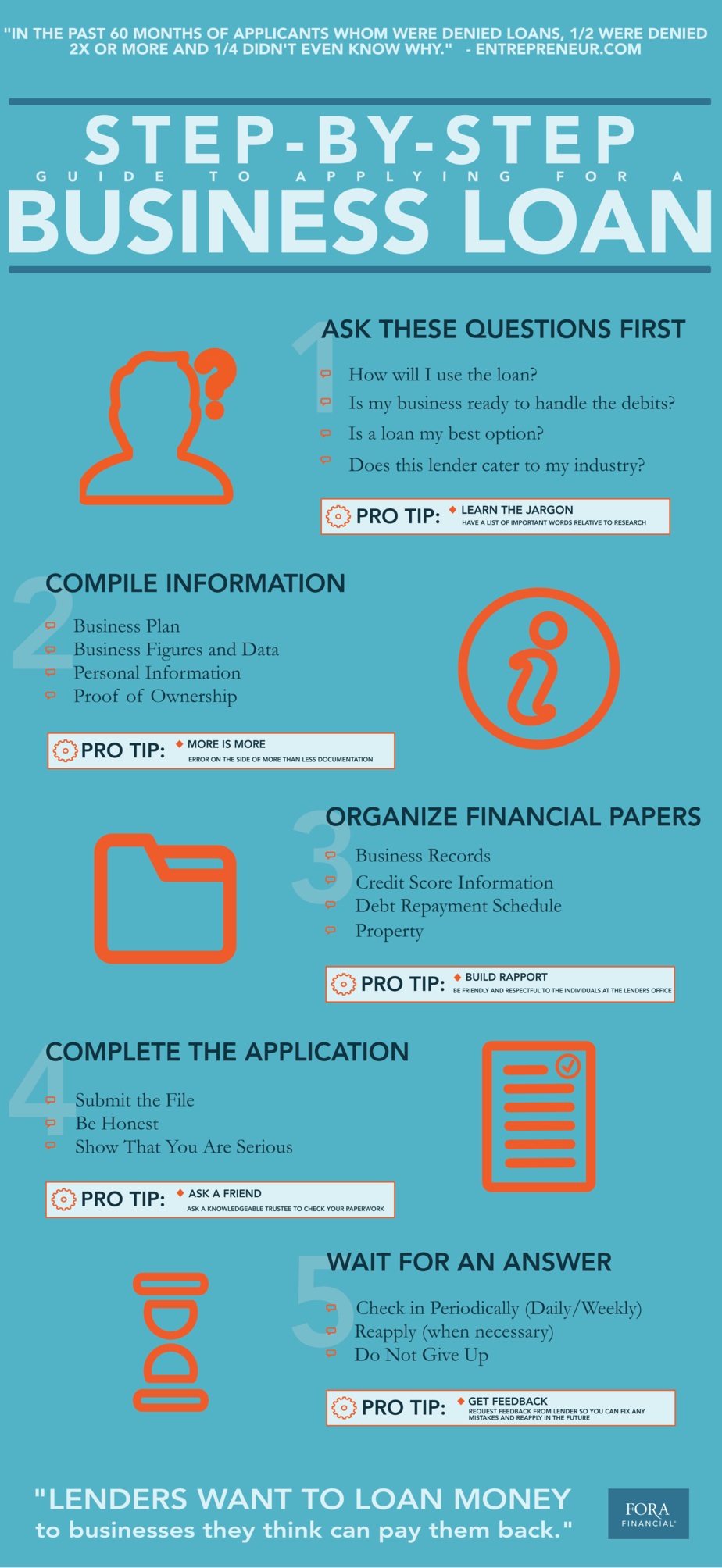
Application Process: While the SBA backs the loan, you apply directly through participating banks or credit unions. The application can be complex and require significant documentation, similar to a traditional bank loan, but the favorable terms often justify the effort. Ensure your chosen lender has a strong track record with SBA loans.
Crafting a Compelling Loan Application
Your loan application is your opportunity to sell your business to the lender.
-
Be Thorough and Accurate: Double-check all information for accuracy and completeness. Errors or omissions can cause delays or outright rejection.
-
Clearly State Your Purpose: Articulate exactly how you plan to use the loan funds and how this investment will generate a return, allowing for repayment. Vague requests are red flags for lenders.
-
Highlight Strengths, Address Weaknesses: Showcase your business’s competitive advantages, strong management team, and market opportunity. If there are weaknesses (e.g., a dip in revenue, a lower credit score), proactively explain the circumstances and outline your plan to address them. Transparency builds trust.
-
Be Responsive: Lenders may have follow-up questions or request additional documentation. Respond promptly and comprehensively to keep the process moving.
Post-Approval: Managing Your Small Business Loan Responsibly
Securing the loan is a significant achievement, but it’s just the beginning. Responsible management of your new debt is crucial for your business’s financial health and future borrowing capacity.
Understanding Loan Terms and Conditions
Before signing any agreement, thoroughly read and understand every aspect of your loan.
-
Interest Rates and Fees: Know whether the interest rate is fixed or variable, and be aware of all associated fees (origination fees, closing costs, prepayment penalties, etc.).
-
Repayment Schedule: Understand the frequency and amount of your payments.
-
Covenants: Some loans come with covenants, which are conditions you must meet (e.g., maintaining certain financial ratios, not taking on additional debt without lender approval). Failing to adhere to these can trigger default.
-
Collateral Requirements: Be clear about what assets are pledged as collateral and the implications if you default.
Strategies for Effective Loan Repayment
Meeting your repayment obligations on time, every time, is paramount.
-
Automate Payments: Set up automatic payments from your business bank account to avoid missed deadlines.
-
Monitor Cash Flow: Continuously monitor your business’s cash flow to ensure you always have sufficient funds to cover loan payments.
-
Build a Reserve: Aim to build a financial reserve that can cover several months of loan payments, providing a buffer against unexpected downturns.
-
Communicate with Your Lender: If you anticipate difficulty making a payment, contact your lender immediately. They may be willing to work with you on a temporary solution rather than face a default.
Leveraging Your Loan for Growth
A small business loan is a tool for growth, not just a financial burden. Use the funds strategically.
-
Invest Wisely: Allocate the funds to areas that will generate a strong return on investment, such as expanding product lines, upgrading technology, increasing marketing efforts, or hiring key personnel.
-
Track Performance: Continuously track the performance of the initiatives funded by the loan to ensure they are meeting projected outcomes and contributing to your business’s overall success. This data can also be valuable for future funding requests.
Common Pitfalls and How to Avoid Them
Even with careful planning, some common mistakes can derail your loan application or lead to financial difficulties post-approval.
Insufficient Preparation
One of the biggest pitfalls is rushing the application process without adequate preparation. This includes:
-
Lack of a Clear Business Plan: Lenders need to see a well-thought-out strategy.
-
Disorganized Financials: Inaccurate or messy financial records signal disarray and risk.
-
Not Knowing Your Numbers: Being unable to confidently discuss your revenue, expenses, and projections can undermine confidence.
Avoidance: Invest time in detailed planning, meticulous record-keeping, and thorough financial analysis before approaching any lender.
Misunderstanding Loan Terms
Signing a loan agreement without fully grasping its implications can lead to unexpected costs or restrictive covenants.
-
Hidden Fees: Failing to identify all fees beyond the interest rate.
-
Prepayment Penalties: Not realizing that paying off a loan early might incur extra charges.
-
Covenants: Overlooking operational restrictions or financial thresholds imposed by the loan.
Avoidance: Read every line of the loan agreement, ask questions, and consider seeking advice from a financial advisor or business attorney if you are unsure about any terms.

Overlooking Alternative Financing Options
Focusing solely on traditional bank loans can cause you to miss out on suitable alternatives that might be a better fit for your business’s specific stage or needs.
-
Ignoring Online Lenders: These can be faster and more flexible, especially for newer businesses.
-
Not Considering SBA Loans: Many businesses overlook the favorable terms offered by SBA-backed products.
-
Neglecting Niche Products: Options like equipment financing or invoice factoring might be ideal for specific asset or cash flow needs.
Avoidance: Research a wide range of financing options. Compare interest rates, terms, eligibility, and the speed of funding across different lender types to find the best match for your business.
Securing a small business loan is a strategic endeavor that requires diligence, detailed preparation, and a clear understanding of the financial landscape. By meticulously preparing your business, understanding your options, and responsibly managing your debt, you can effectively leverage small business loans to fuel growth and achieve your entrepreneurial aspirations.
aViewFromTheCave is a participant in the Amazon Services LLC Associates Program, an affiliate advertising program designed to provide a means for sites to earn advertising fees by advertising and linking to Amazon.com. Amazon, the Amazon logo, AmazonSupply, and the AmazonSupply logo are trademarks of Amazon.com, Inc. or its affiliates. As an Amazon Associate we earn affiliate commissions from qualifying purchases.