
The dream of homeownership, a cornerstone of financial stability and wealth building for many, often hinges on the affordability of mortgage rates. In recent periods, prospective buyers and existing homeowners alike have observed a noticeable and often sharp ascent in these rates, shifting the landscape of the real estate market significantly. Understanding why mortgage rates are rising is not merely an academic exercise; it’s a critical insight for anyone engaging with the housing market, making financial plans, or simply trying to comprehend broader economic trends. This article delves into the multifaceted factors contributing to this phenomenon, primarily focusing on the interplay of monetary policy, inflation, bond market dynamics, and overarching economic conditions.
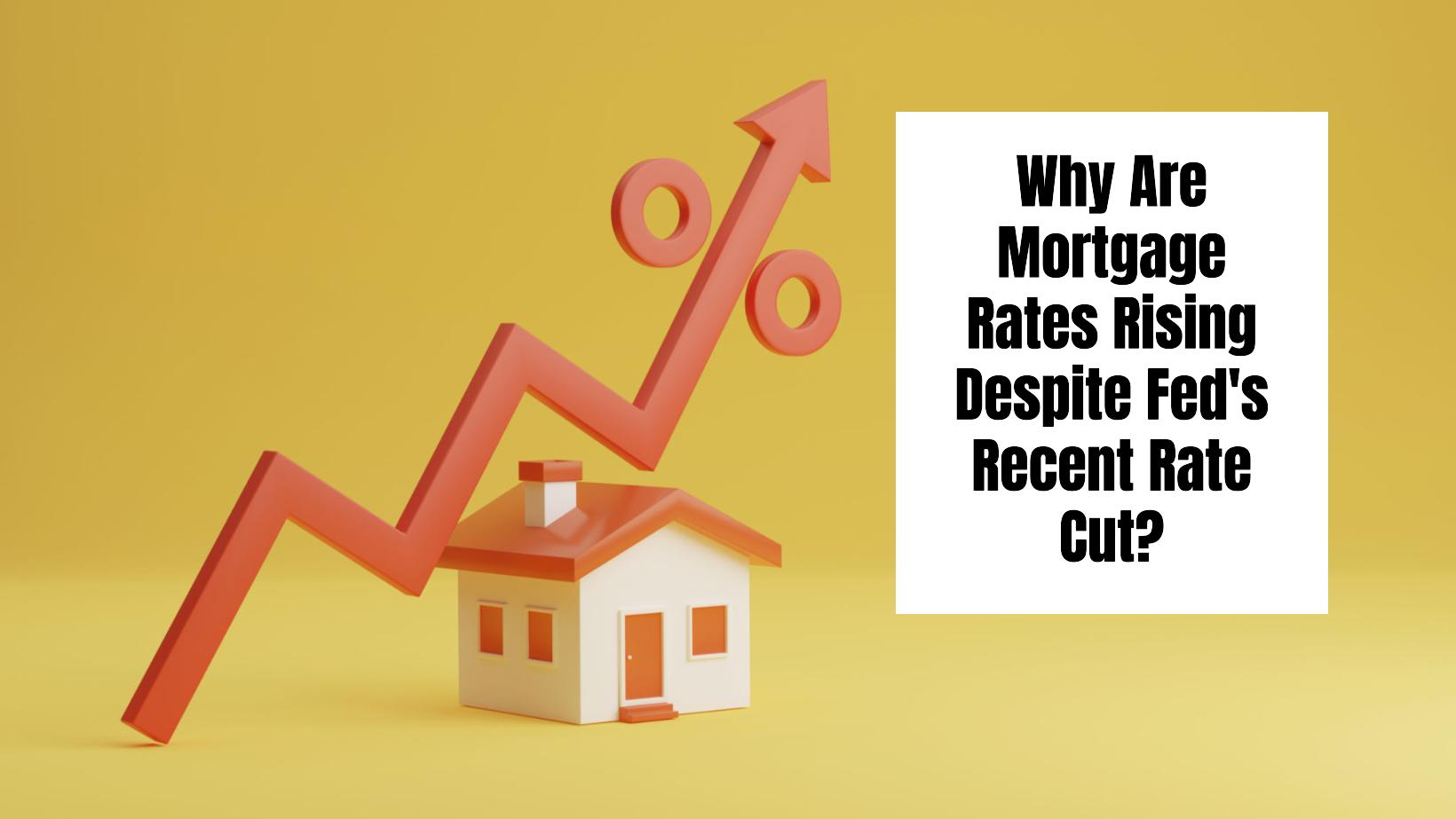
Mortgage rates are not set in isolation by individual lenders. Instead, they are a complex reflection of the broader financial environment, influenced by decisions made in central banks, the ebb and flow of global economies, and the intricate machinery of the bond market. For years, particularly following the 2008 financial crisis and during the COVID-19 pandemic, interest rates remained historically low, creating an environment ripe for refinancing and accessible home purchases. The current upward trend marks a significant departure from this era, introducing new challenges and necessitating a more strategic approach to real estate investments and personal finance.
The implications of rising rates extend beyond monthly mortgage payments. They affect housing affordability, influence buyer demand, cool down overheated markets, and have ripple effects across the construction industry and consumer spending. By dissecting the primary drivers behind this upward trajectory, we can gain a clearer picture of the current economic climate and better anticipate future movements.
The Federal Reserve’s Role and Monetary Policy
At the heart of interest rate movements, including those for mortgages, lies the influence of a nation’s central bank. In the United States, this is the Federal Reserve, often referred to as “the Fed.” The Fed’s dual mandate of maximizing employment and maintaining price stability (i.e., controlling inflation) guides its monetary policy decisions, which invariably impact borrowing costs across the economy.
Interest Rate Hikes and Inflation Control
When inflation—a general increase in prices and fall in the purchasing value of money—becomes persistent and runs higher than the Fed’s target (typically 2%), the central bank often responds by raising its benchmark interest rate, known as the federal funds rate. This rate is the overnight lending rate between banks. While mortgage rates are not directly tied to the federal funds rate, an increase in this benchmark rate ripples through the entire financial system. Banks charge each other more for overnight loans, leading to higher costs for consumers and businesses seeking credit, including mortgages.
The rationale behind raising rates is to cool down an overheating economy. By making borrowing more expensive, the Fed aims to reduce demand for goods and services, which in turn should alleviate price pressures and bring inflation back down to acceptable levels. The aggressive rate-hiking cycles seen recently are a direct response to inflation surging to multi-decade highs, driven by a combination of robust consumer demand, supply chain bottlenecks, and geopolitical disruptions.
Quantitative Tightening and its Impact
Beyond manipulating the federal funds rate, the Federal Reserve also employs other tools, such as quantitative easing (QE) and quantitative tightening (QT). During periods of economic stress or slow growth, the Fed might engage in QE, purchasing large quantities of government bonds and mortgage-backed securities (MBS). This injects liquidity into the financial system, lowers long-term interest rates (including mortgage rates), and encourages borrowing and investment.
Conversely, when the economy is strong and inflation is high, the Fed might undertake QT. This involves reducing its balance sheet by allowing maturing bonds to roll off without reinvestment, or even actively selling securities. When the Fed reduces its holdings of MBS, it effectively removes a significant buyer from the market. This decreased demand for MBS can lead to lower prices for these securities, which, in turn, translates into higher yields for investors. Since mortgage rates track these yields, they tend to rise as the Fed shrinks its balance sheet. The shift from an era of aggressive QE to a period of QT is a powerful underlying factor contributing to the rise in mortgage rates.
The Federal Funds Rate vs. Mortgage Rates
It’s crucial to distinguish between the federal funds rate and mortgage rates. The federal funds rate is a short-term rate, while fixed-rate mortgages are typically based on long-term bonds, specifically the yield on the 10-year U.S. Treasury note. However, the federal funds rate indirectly influences long-term rates through market expectations. When the Fed signals a commitment to aggressively raise short-term rates to fight inflation, it implies a tighter monetary policy for the foreseeable future. This expectation of sustained higher rates influences investors’ demand for long-term bonds, pushing their yields upward, and consequently, pushing mortgage rates higher.
Inflationary Pressures and Economic Dynamics
While the Fed’s response is a key immediate driver, the underlying cause that forces the Fed’s hand is inflation itself. The recent surge in mortgage rates is inextricably linked to persistent and broad-based inflationary pressures across the economy.
Supply Chain Disruptions and Consumer Demand
The COVID-19 pandemic triggered unprecedented disruptions to global supply chains. Lockdowns, factory closures, and labor shortages created bottlenecks, making it difficult to produce and transport goods efficiently. Simultaneously, government stimulus programs and a shift in consumer spending from services to goods fueled robust demand. This classic economic imbalance – too much money chasing too few goods – inevitably led to price increases. From automobiles to electronics, and even raw materials like lumber and steel, prices escalated. These higher costs for businesses often get passed on to consumers, further embedding inflation into the economic fabric. Lenders, anticipating that the money they lend today will be worth less in the future due due to inflation, demand higher interest rates to compensate for this loss of purchasing power.
Wage Growth and Labor Market Tightness
A tight labor market, characterized by low unemployment and more job openings than available workers, also contributes to inflationary pressures. When employers struggle to find and retain talent, they often have to offer higher wages and benefits. While wage growth is generally positive for workers, if it outpaces productivity gains, it can contribute to a “wage-price spiral.” Businesses facing higher labor costs tend to raise prices for their products and services, which then prompts workers to demand even higher wages to maintain their purchasing power. This cycle further entrenches inflation and necessitates a stronger response from the central bank, which in turn pushes mortgage rates higher.
Geopolitical Events and Commodity Prices
Global geopolitical events, such as wars or significant political instability, can have a profound impact on commodity prices, particularly energy and food. The conflict in Ukraine, for instance, disrupted global energy and agricultural markets, sending prices for oil, natural gas, wheat, and other staples soaring. Since energy and food are fundamental inputs for almost all other goods and services, their increased cost filters throughout the entire economy, exacerbating inflationary pressures. These external shocks are difficult for central banks to directly control but significantly complicate their efforts to manage inflation, often leading to more aggressive rate hikes.
The Bond Market’s Influence and Investor Sentiment
Beyond the direct actions of the Federal Reserve and the underlying forces of inflation, the bond market plays a crucial, continuous role in determining mortgage rates. Mortgage rates are not set by the Fed directly; instead, they closely track the yield on long-term government bonds, primarily the 10-year U.S. Treasury note.
Treasury Yields as a Benchmark
The yield on the 10-year Treasury note serves as a benchmark for many long-term interest rates, including fixed-rate mortgages. This is because mortgage lenders sell the loans they originate to investors in the secondary market, packaged as mortgage-backed securities (MBS). The return investors expect from these MBS is highly correlated with the return they could get from relatively risk-free government bonds. When the yield on the 10-year Treasury rises, the yield on MBS must also rise to attract investors, which means mortgage rates offered to consumers also increase.
Several factors can push Treasury yields higher: expectations of higher future inflation (investors demand higher returns to compensate for eroded purchasing power), strong economic growth (which often accompanies inflation and suggests less need for safe-haven assets), and increased government borrowing (which increases the supply of bonds, potentially lowering their price and raising their yield).
Investor Demand for Mortgage-Backed Securities (MBS)
As previously mentioned, mortgage lenders primarily sell their loans in the form of MBS. The demand for these securities by institutional investors (like pension funds, insurance companies, and investment firms) directly impacts mortgage rates. If there’s high demand for MBS, their prices rise, and their yields fall, translating to lower mortgage rates. Conversely, if demand is low, prices fall, yields rise, and mortgage rates increase.
A key factor influencing this demand is risk perception. When the economy is volatile or there are concerns about the housing market, investors might demand a higher yield (a “risk premium”) to compensate for perceived risks associated with MBS, pushing rates higher. Furthermore, as the Federal Reserve scales back its purchases of MBS (as it does during quantitative tightening), there’s less overall demand in the market, contributing to upward pressure on yields and, consequently, on mortgage rates.
Market Expectations and Forward-Looking Indicators
Financial markets are forward-looking. Investors and traders constantly try to anticipate future economic conditions and central bank actions. If the market widely expects the Federal Reserve to continue raising rates or to maintain a tight monetary policy for an extended period, this expectation will be priced into bond yields and mortgage rates almost immediately, even before the Fed’s next meeting. Economic data releases (like inflation reports, jobs numbers, and GDP figures), central bank speeches, and geopolitical developments all feed into these market expectations, causing daily fluctuations in bond yields and, by extension, mortgage rates.
Broader Economic Trends and Housing Market Response
The rise in mortgage rates is not an isolated event; it is intertwined with broader economic trends and has significant repercussions for the housing market.
Housing Supply and Demand Imbalances
For several years, many housing markets experienced a severe imbalance between supply and demand. Limited housing inventory, coupled with strong buyer demand (often fueled by low-interest rates), pushed home prices to unprecedented levels. As mortgage rates rise, they act as a natural brake on this demand. The cost of financing a home becomes more expensive, reducing the pool of eligible buyers and tempering the urgency for others. While rising rates don’t directly solve the supply shortage, they can help cool down a frenzied market, potentially leading to more balanced conditions over time.
Impact on Affordability and Buyer Behavior
The most immediate and tangible impact of rising mortgage rates is on housing affordability. A higher interest rate means a significantly larger monthly payment for the same loan amount. This reduces purchasing power, forcing buyers to either look for less expensive homes, make larger down payments, or delay their home purchase altogether. For many first-time homebuyers, who are often stretching their budgets, even a modest increase in rates can price them out of the market entirely. This shift in affordability can lead to a decrease in home sales, a moderation in home price appreciation, and in some cases, even price declines in certain markets.
Refinancing Activity and Home Equity
Existing homeowners are also affected. Those with fixed-rate mortgages from the era of ultra-low rates are largely insulated from new rate hikes, enjoying their locked-in payments. However, homeowners looking to refinance their existing mortgage—perhaps to tap into home equity, lower their payment, or change loan terms—will find current rates significantly less attractive. This dramatically reduces refinancing activity. Furthermore, as home price appreciation potentially slows or reverses due to higher rates, the rate at which homeowners build equity might also decelerate, although most homeowners with significant equity are still in a strong financial position.

Conclusion
The ascent of mortgage rates is a complex phenomenon driven by a confluence of powerful economic forces. At its core, it’s a direct consequence of the Federal Reserve’s determined efforts to combat inflation, which has been fueled by factors ranging from supply chain disruptions and robust consumer demand to a tight labor market and geopolitical shocks. The bond market, acting as a barometer of future economic expectations and investor sentiment, translates these broad economic and monetary policy signals into the specific yields that underpin mortgage rates.
For individuals navigating the financial landscape, understanding these drivers is paramount. It allows prospective homebuyers to set realistic expectations, existing homeowners to make informed decisions about refinancing, and investors to gauge the health and direction of the broader economy. While the immediate future of mortgage rates remains subject to the ongoing battle against inflation and the Fed’s policy trajectory, a thorough comprehension of why they are rising empowers better financial planning and a more resilient approach to personal wealth management in a dynamic economic environment.
aViewFromTheCave is a participant in the Amazon Services LLC Associates Program, an affiliate advertising program designed to provide a means for sites to earn advertising fees by advertising and linking to Amazon.com. Amazon, the Amazon logo, AmazonSupply, and the AmazonSupply logo are trademarks of Amazon.com, Inc. or its affiliates. As an Amazon Associate we earn affiliate commissions from qualifying purchases.