
In the increasingly digital landscape of personal finance, certain foundational pieces of information remain indispensable for smooth and secure transactions. Among these, your bank’s routing number stands out as a critical identifier, essential for everything from setting up direct deposit to initiating wire transfers. While online banking and mobile apps have streamlined many financial processes, the humble paper check still holds the key to quickly locating this vital nine-digit code. Understanding where to find it, what it signifies, and how to use it securely is fundamental for anyone managing their finances.

This guide will demystify the routing number, explaining its purpose, demonstrating precisely how to locate it on a check, and exploring alternative methods for retrieval. We’ll also delve into best practices for safeguarding this information, ensuring your financial transactions remain secure and efficient. Whether you’re a seasoned financial manager or new to navigating banking essentials, mastering the routing number is a cornerstone of effective personal and business finance.
Understanding the Essentials: What is a Routing Number?
At its core, a routing number, also known as an ABA (American Bankers Association) routing transit number, is a nine-digit code used to identify a specific financial institution in the United States. It acts as a digital address for your bank, enabling the secure and accurate transfer of funds between different banks. These numbers were established in 1910 by the ABA to facilitate the sorting and delivery of paper checks and have since evolved to play an even more crucial role in electronic fund transfers (EFTs).
Every bank, credit union, and financial institution operating in the U.S. has at least one routing number, though larger banks with extensive operations or multiple branches might have several, often assigned based on geographical location or the type of transaction. For example, a bank might use one routing number for electronic payments and another for wire transfers. Knowing which routing number applies to your specific transaction type is vital to avoid delays or misdirected funds.
The Anatomy of a Routing Number
A routing number is always nine digits long, and each digit plays a role in its identification purpose. While consumers don’t typically need to decode its structure, it’s interesting to note that the first four digits identify the Federal Reserve Bank region, the next four identify the specific bank, and the final digit is a “checksum” number used to detect errors in the other eight digits. This checksum is a crucial security feature that helps prevent misrouted transactions due to transcription errors.
Unlike your account number, which identifies your specific account within the bank, the routing number identifies the bank itself. Think of it like this: if your bank is an apartment building, the routing number is the street address of the building, and your account number is your apartment number within that building. Both are necessary to send mail (or money) directly to you.
Why Your Routing Number Matters: Key Financial Applications
The routing number is an unsung hero in the world of personal finance, facilitating a wide array of essential transactions that underpin modern economic life. Without it, the seamless movement of money that we often take for granted would grind to a halt. Its primary applications include:
- Direct Deposit: For many, the most common use of a routing number is setting up direct deposit for paychecks, government benefits (like Social Security), or tax refunds. Providing your employer or payer with your routing number and account number ensures funds are electronically transferred directly into your bank account.
- Automatic Bill Payments: Many utilities, loan providers, and service subscriptions offer automatic payment options directly from your checking or savings account. This typically requires your routing number and account number to authorize recurring debits.
- Wire Transfers: When sending or receiving funds internationally or domestically via wire transfer, your bank’s routing number is a mandatory piece of information. This ensures the funds are directed to the correct financial institution.
- ACH (Automated Clearing House) Transfers: ACH transfers are a common method for electronic payments and money transfers, including direct deposit, direct debit, and online bill payments. Your routing number is integral to these transactions, enabling funds to be moved between different bank accounts.
- Tax Payments and Refunds: When paying federal or state taxes directly from your bank account or receiving a tax refund via direct deposit, your routing number is required by the IRS or relevant tax authority.
- Setting Up Third-Party Payment Apps: While many popular payment apps might mask the underlying bank details for user convenience, connecting them to your bank account for transfers often initially requires your routing number and account number.
Understanding these applications underscores the importance of knowing your routing number and highlights why securely managing this information is a core aspect of sound financial practice.
The Primary Method: Locating Your Routing Number on a Check
For many, the most straightforward and reliable way to find their routing number is to simply look at one of their personal checks. Checks are designed to clearly display this information, along with your account number, in a standardized format that has been in use for decades. This method requires no internet access, no phone calls, and no login credentials, making it a quick and accessible option for anyone with a checkbook.
Deciphering the MICR Line: Your Check’s Financial DNA
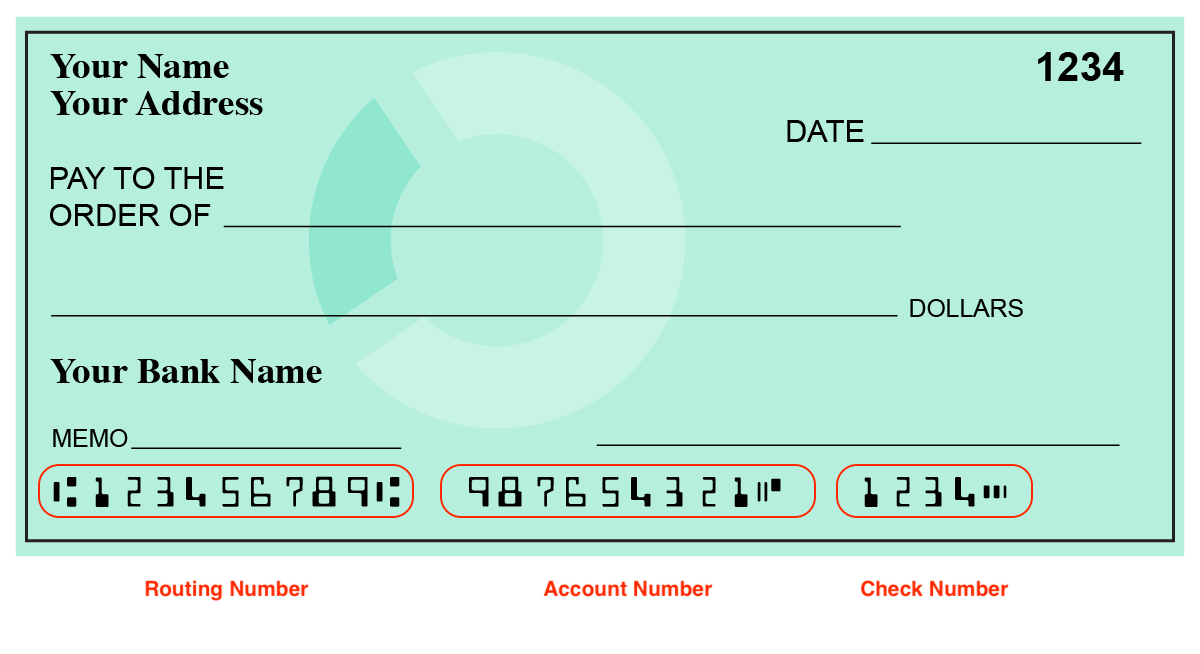
The key to finding your routing number on a check lies in understanding the Magnetic Ink Character Recognition (MICR) line. This is the series of numbers printed at the bottom of your check, typically in a distinct, often shiny, font. This line is designed to be machine-readable, allowing banks to quickly process checks electronically. It contains three crucial pieces of information, usually appearing in this order from left to right:
- Routing Number (9 digits): This is your bank’s routing number, almost always the first set of numbers on the MICR line. It identifies your specific financial institution.
- Account Number (variable length): This is your unique account number at that bank. Its length can vary depending on your bank and the type of account.
- Check Number (3 or 4 digits): This matches the check number printed in the top right corner of the check.
It’s important to note that while this is the standard order, some credit unions or smaller banks might slightly alter the sequence. However, the routing number is consistently nine digits long, making it easy to identify.
A Step-by-Step Visual Guide
To locate your routing number on a personal check:
- Grab a Personalized Check: Ensure it’s one of your personal checks, not a deposit slip or a starter check, as these can sometimes display different routing numbers or be misleading.
- Look at the Bottom Edge: Turn the check over and look at the bottom left-hand corner.
- Identify the MICR Line: You’ll see a series of numbers printed in magnetic ink.
- Pinpoint the Routing Number: The first set of nine digits on the left side of this line is typically your routing number. It’s usually enclosed by a special symbol (like a colon or a transit symbol, ⑆).
For example, a MICR line might look like this:
⑆123456789⑆ 000123456789 ⑆1234
In this example:
- 123456789 is the routing number.
- 000123456789 is the account number (this might also have a symbol before and after it).
- 1234 is the check number.
Always double-check that you’re selecting the nine-digit code that corresponds to the routing number, especially if your account number is also nine digits long. The context of its position on the MICR line is key.
Important Caveats: Starter Checks vs. Personalized Checks
While finding your routing number on a check is generally straightforward, there are important distinctions to be aware of:
- Personalized Checks: These are checks that you’ve ordered from your bank or a third-party printer, specifically for your account. They will reliably display your correct routing number, account number, and personal information.
- Starter Checks: If you’ve just opened an account, your bank might provide you with a few “starter checks.” These are generic checks and might only have a temporary routing number or, in some cases, might not even have your account number pre-printed. Always verify the routing number on a starter check with your bank before using it for critical transactions like direct deposit. It’s often safer to use an alternative method for retrieval when dealing with starter checks.
- Deposit Slips: While deposit slips also have a MICR line, they sometimes display a routing number for a different department or purpose than your standard checking account. Rely on a personalized check or another verification method for your routing number.
By understanding these nuances, you can ensure you’re always using the correct and most up-to-date routing number for your financial needs.
Beyond the Check: Alternative Methods for Retrieval
While your personal checks offer a convenient and direct way to find your routing number, there are numerous situations where a check might not be readily available. Perhaps you don’t have a checkbook, or you need to verify the number on the go. Fortunately, banks provide several other reliable avenues for retrieving this essential information, leveraging both digital tools and traditional customer service.
Online Banking and Mobile Apps: Digital Convenience
In the age of digital finance, your bank’s online portal or mobile app is often the quickest and most accessible way to find your routing number. Most financial institutions prominently display this information within your account details.
- Online Banking: After logging into your bank’s secure website, navigate to your account summary or details page. Look for sections labeled “Account Information,” “Account Details,” “Direct Deposit Information,” or similar. Your routing number is typically listed alongside your account number. Some banks even have a dedicated section for “Routing & Account Numbers.”
- Mobile Apps: Bank mobile apps are designed for convenience. Once logged in, you can usually find your routing number by tapping on your specific checking or savings account. Look for an “Account Info,” “Details,” or a “Direct Deposit” option within the account’s menu. Many apps also feature a search function or a “Help” section where you can quickly locate this information.
Always ensure you are using the official bank website or app and are logged into a secure connection to protect your financial data.
Bank Statements: A Paper Trail of Information
Your monthly bank statements, whether received by mail or accessed digitally, serve as an official record of your account activity and contain your bank’s routing number.
- Paper Statements: If you receive paper statements, your routing number is usually printed near your account number, often in the top section or sidebar of the statement. Look for a section detailing your account information.
- Electronic Statements (e-Statements): Most banks offer e-statements through their online banking portal. You can download a PDF version of your latest statement, which will contain the routing number in the same location as a physical statement. This method is particularly useful if you need a documented verification of your routing number.

Bank statements are a reliable source because they are official documents generated by your financial institution.
Contacting Your Bank Directly: The Personal Touch
When in doubt, or if you prefer direct assistance, contacting your bank’s customer service is always an option.
- Phone Call: Call your bank’s official customer service number (found on their website, the back of your debit card, or a bank statement). Be prepared to verify your identity with personal information (account number, Social Security number, address, etc.) to ensure they are speaking to the account holder.
- In-Person Visit: If you prefer face-to-face interaction, visit a local branch of your bank. A teller or customer service representative can provide you with the correct routing number after verifying your identity. This is especially helpful if you have specific questions about which routing number to use for a particular type of transaction (e.g., domestic vs. international wire transfers).
While slower than digital methods, direct contact ensures accuracy and can address any specific queries you might have.
Utilizing Official Bank Websites: Online Tools
Many banks provide public tools on their websites for finding routing numbers without requiring a login. These are especially useful if you need to find a routing number for a bank where you don’t have an account, or if you’ve forgotten your login credentials.
- Search Function: Use the search bar on your bank’s main website (e.g., “routing number”) to quickly navigate to the relevant information.
- Dedicated Pages: Many banks have a dedicated “Routing Number” or “Direct Deposit” page that lists their primary routing numbers.
- ABA Website: The American Bankers Association (ABA) also provides a routing number lookup tool on its website, which can be a universal resource if you know the bank’s name. However, it’s always best to verify directly with your bank.
These alternative methods ensure that you can reliably find your routing number, no matter your circumstances or preferences, empowering you to manage your financial transactions effectively.
Safeguarding Your Financial Information: Security Best Practices
Understanding how to find your routing number is only half the battle; knowing how to protect it, alongside your other banking details, is paramount to maintaining financial security. While a routing number alone cannot typically be used to directly drain your account, it is a critical piece of information that, when combined with your account number or other personal data, can make you vulnerable to fraud.
The Difference Between Routing and Account Numbers
It’s crucial to distinguish between your routing number and your account number, and to understand their respective security implications.
- Routing Number: Identifies your bank. It’s generally considered less sensitive than your account number because it’s a publicly available number that many people share (everyone who banks at that institution). It’s primarily used to direct funds to your bank.
- Account Number: Identifies your specific account within the bank. This is highly sensitive and should be protected diligently. When combined with a routing number, an account number allows funds to be withdrawn or transferred from your account.
While both are necessary for many transactions, the risk associated with a compromised account number is significantly higher. However, never treat your routing number carelessly, as it is a gateway to your financial institution.
When to Share (and When Not To)
Knowing when it’s safe and necessary to share your routing number is key to preventing unauthorized access to your funds.
Share When:
- Setting up Direct Deposit: With a trusted employer or benefits provider.
- Setting up Automatic Bill Pay: With reputable companies for recurring payments.
- Initiating Wire Transfers: With your bank or a verified financial service.
- Receiving Tax Refunds: With the IRS or state tax authorities.
- Setting up legitimate payment services: When connecting to services like PayPal, Venmo, or investment platforms (always verify legitimacy first).
Do NOT Share When:
- Unsolicited Requests: Be highly suspicious of anyone asking for your routing and account numbers via email, text message, or an unexpected phone call. Legitimate banks will rarely ask for this information directly in an unsolicited manner.
- Unsecured Websites or Forms: Only enter your banking details on secure websites (look for “https://” in the URL and a padlock symbol).
- Social Media or Public Forums: Never post or discuss your banking information in public online spaces.
- Suspicious Individuals: If someone claims to be from your bank and asks for this information, hang up and call the official bank number yourself to verify.
Always be wary of phishing attempts or scams designed to trick you into divulging financial information. When in doubt, err on the side of caution.
Protecting Your Physical Checks
Even in the digital age, physical checks remain a potential vulnerability if not managed properly.
- Secure Storage: Keep your checkbook and any unused checks in a secure location, such as a locked drawer or safe, where unauthorized individuals cannot access them.
- Shred Old Checks: When checks are no longer needed (e.g., from a closed account), shred them thoroughly before disposing of them. Tossing them intact into the trash is an open invitation for identity theft.
- Review Statements Regularly: Periodically review your bank statements and transaction history for any unauthorized activity. The sooner you detect fraudulent transactions, the better chance you have of recovering funds.
- Be Mindful of Mail: Be aware of who has access to your mailbox, especially if checks are being mailed to you or you are mailing checks. Consider using online bill pay or direct deposit to reduce reliance on physical checks in the mail.
By adopting these security practices, you transform the act of finding your routing number into a financially astute and secure process, contributing to your overall financial well-being.
Common Scenarios and Troubleshooting
Even with a clear understanding of routing numbers and their retrieval, specific situations can sometimes cause confusion. Knowing how to navigate these common scenarios can save you time and prevent potential transaction errors.
What if I Don’t Have Checks?
It’s increasingly common for individuals to manage their finances without ever ordering a physical checkbook. If you don’t have checks, don’t worry – you still have plenty of reliable ways to find your routing number:
- Online Banking/Mobile App: This is by far the easiest and most frequently used alternative. Log into your bank’s digital platform, navigate to your account details, and the routing number will be clearly displayed.
- Bank Statements: Access your electronic bank statements through your online banking portal. The routing number is always printed on these official documents.
- Contact Your Bank: A quick call to customer service or a visit to a branch will confirm your routing number.
- Bank Website Lookup Tool: Many banks offer a public-facing tool on their website to look up routing numbers by state or account type.
Never resort to unofficial third-party websites for routing number lookups unless they are explicitly linked or recommended by your bank, as these can sometimes provide outdated or incorrect information.
Dealing with Multiple Routing Numbers
Some larger banks, especially those with a national presence, might use different routing numbers for various purposes or regions. This can sometimes be a source of confusion.
- Verify for Specific Transactions: Always verify which routing number is appropriate for the specific transaction you’re undertaking. For example, the routing number for an electronic ACH transfer might be different from the one used for a domestic or international wire transfer.
- Check Your Bank’s Website: Banks typically have a dedicated section on their website (often under “Direct Deposit,” “Wire Transfers,” or “Contact Us”) that clarifies which routing number to use for different types of transactions.
- Consult Customer Service: If you’re unsure, contacting your bank directly by phone or visiting a branch is the safest approach to ensure you’re using the correct routing number for your specific need. Providing the wrong routing number for a wire transfer, for instance, could lead to significant delays or even lost funds.
It’s better to take an extra minute to verify than to face the headaches of a misdirected financial transaction.
Verifying Your Routing Number for Critical Transactions
For high-stakes transactions such as a large direct deposit, a significant tax payment, or an important wire transfer, an extra layer of verification can provide peace of mind.
- Cross-Reference: If you find your routing number from a check, cross-reference it with the number displayed in your online banking portal or on a bank statement. If all three sources match, you can be highly confident in its accuracy.
- Test with a Small Transaction (if possible): For new direct deposit setups, if feasible, you might consider initially sending a small amount (e.g., your first direct deposit) to ensure it goes through correctly before committing to larger or recurring payments.
- Confirm with Recipient: If you are providing your routing number to someone else (e.g., an employer), ask them to confirm they have received it correctly. If they are sending you funds, ensure they have the exact routing number and account number.
By understanding these common scenarios and applying proactive troubleshooting strategies, you empower yourself to manage your financial transactions with greater confidence and fewer potential pitfalls. The routing number, though a small detail, is a fundamental tool in the smooth operation of your financial life.
aViewFromTheCave is a participant in the Amazon Services LLC Associates Program, an affiliate advertising program designed to provide a means for sites to earn advertising fees by advertising and linking to Amazon.com. Amazon, the Amazon logo, AmazonSupply, and the AmazonSupply logo are trademarks of Amazon.com, Inc. or its affiliates. As an Amazon Associate we earn affiliate commissions from qualifying purchases.