
In the complex landscape of personal finance, the bank routing number serves as the foundational bridge for virtually every electronic transaction. Whether you are setting up direct deposit for a new job, authorizing an automated bill payment, or initiating a domestic wire transfer, the nine-digit routing transit number (RTN) is the essential coordinate that tells the financial system exactly where your money needs to go. Despite its ubiquity, many consumers find themselves searching for this number at the last minute, often confused by the string of digits appearing on checks or digital dashboards.

Understanding how to locate and verify your routing number is not just a matter of convenience; it is a core component of financial literacy. In an era where digital security and transaction accuracy are paramount, knowing how to navigate your bank’s identifiers ensures that your capital remains secure and your transfers occur without delay. This guide explores the diverse methods available to find your routing number and provides professional insight into why these digits are so vital to the global movement of money.
The Anatomy and Significance of the Routing Transit Number
Before diving into the “how,” it is essential to understand the “what.” The routing number system was developed by the American Bankers Association (ABA) in 1910. Its primary purpose was to streamline the processing of paper checks, but it has since evolved to facilitate a wide array of electronic transactions through the Automated Clearing House (ACH) network.
What is an ABA Routing Transit Number?
An ABA routing number is a unique nine-digit code assigned to every financial institution in the United States. It functions much like a zip code for a bank. The first four digits typically represent the Federal Reserve symbol, indicating the bank’s geographic location. The following four digits identify the specific institution, and the final digit is a check digit used for mathematical verification of the preceding eight numbers. Within the world of personal finance, this number identifies your bank to other banks, ensuring that funds are pulled from or deposited into the correct vault.
The Critical Difference Between Routing and Account Numbers
A common point of confusion for many bank customers is the distinction between a routing number and an account number. While the routing number identifies the financial institution, the account number identifies your specific “folder” or “bucket” within that institution. You can think of the routing number as the street address of an apartment building, while the account number is the specific unit number where you reside. When providing information for a transfer, getting the routing number right ensures the money reaches your bank; getting the account number right ensures it reaches your wallet.
Digital Methods to Locate Your Routing Number
In the modern age of fintech and 24/7 connectivity, the fastest way to find your routing number is usually through digital channels. Banks have streamlined their user interfaces to make this information accessible, though it is sometimes tucked away within security layers.
Utilizing Online Banking Dashboards
Most major financial institutions provide your routing number on the main summary page of your online banking portal. Once you log in, navigate to the specific account you are inquiring about—be it checking or savings. Look for a link or tab labeled “Account Details,” “Account Features,” or “Direct Deposit Information.” Clicking these links will typically reveal a popup containing both your routing and account numbers. It is important to note that some larger banks use different routing numbers for different states or regions; the online portal will always show the specific one tied to your account’s home branch.
Mobile Banking Apps and Secure Messaging
If you are on the go, your bank’s mobile application is an excellent resource. Most apps follow a logic similar to the web portal. However, due to the smaller screen size, the routing number is often found under a “Manage” or “I Want To” menu. Furthermore, if you cannot find the number through the interface, many banking apps now feature AI-driven chatbots or secure messaging systems. Simply typing “What is my routing number?” into the chat interface will often trigger an automated response providing the specific digits you need, saving you the time of a phone call to customer service.
Physical and Offline Documentation
While digital access is convenient, there are times when technology fails or you may prefer a physical reference. The most traditional and reliable sources for your routing number are your paper documents.

Identifying the Routing Number on a Paper Check
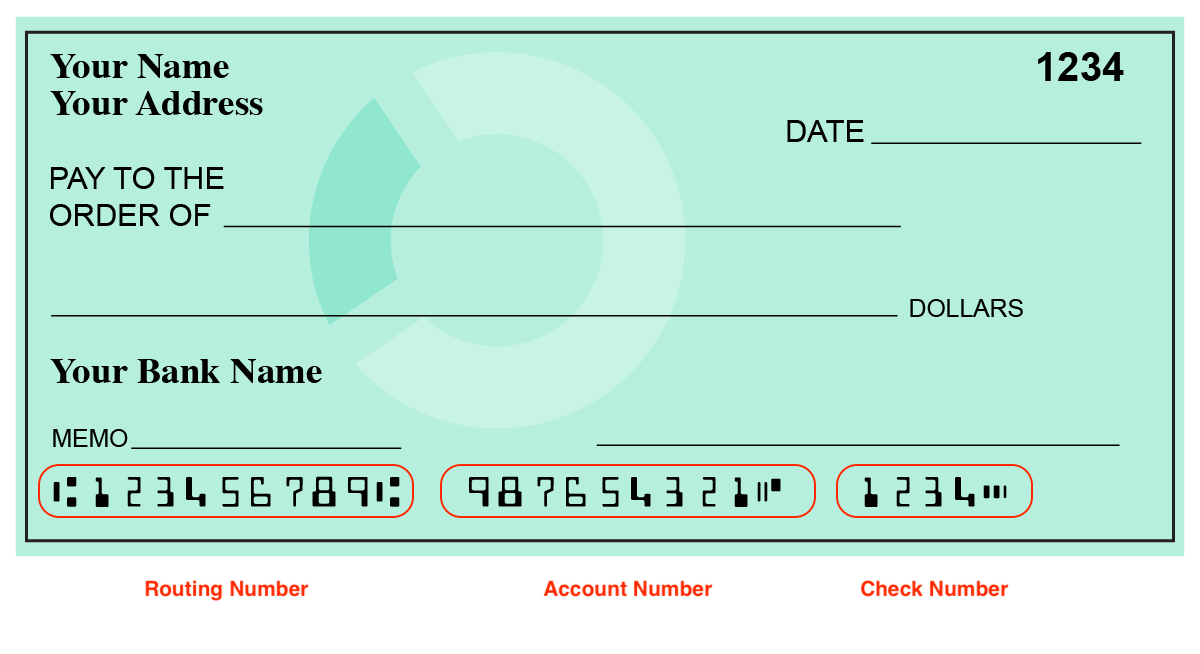
For those who still use a checkbook, the routing number is always visible. At the bottom of any personal check, you will see a string of numbers printed in a special font known as MICR (Magnetic Ink Character Recognition). This line contains three distinct sets of numbers. The first set of nine digits on the far left is your routing number. It is usually flanked by a specific symbol that looks like a vertical bar with a colon. The middle set is your account number, and the final set (usually the shortest) is the check number.
Reviewing Monthly Statements and Official Correspondence
Your monthly bank statement—whether delivered via mail or as a PDF—is a legal document that contains all necessary identifiers. Typically, the routing number is listed in the header or the footer of the statement, near your name and address. Additionally, the “Welcome Kit” or the “Account Agreement” documents you received when you first opened the account will contain these details. For business finance professionals, keeping a digital copy of the original account opening document is a best practice for quickly referencing routing information during audits or when setting up new vendor payments.
Specialized Resources and Direct Verification
Not all routing numbers are created equal. Depending on the type of transaction you are performing, the standard routing number on your check might not be the one you need.
The ABA Online Look-up Tool
The American Bankers Association maintains a specialized “Routing Number Look-Up” tool on its official website. This is particularly useful if you know the name and location of the bank but do not have access to an account. By entering the bank’s legal name and the city where it is headquartered, you can verify the institution’s official routing number. However, keep in mind that this tool is limited to two searches per day for casual users, as it is a high-value resource for financial professionals and businesses.
Distinguishing Between ACH, Wire, and International Transfers
A common pitfall in personal and business finance is assuming one routing number fits all purposes. Many large national banks utilize one routing number for ACH transfers (like your paycheck) and a separate, distinct routing number for domestic wire transfers. Using an ACH routing number for a wire transfer can result in the transaction being rejected or delayed. Before initiating a high-value wire, it is always advisable to visit the bank’s official “Contact Us” or “Help” page. Most banks have a dedicated section titled “Routing Numbers” that lists the specific codes for ACH, Domestic Wires, and International SWIFT transfers.
Security and Best Practices in Sharing Routing Information
Because your routing number and account number together act as a “key” to your funds, handling this information requires a professional level of caution. Financial security is not just about passwords; it’s about the discrete management of your banking identifiers.
When it is Safe to Share Your Routing Number
You will frequently be asked to provide your routing number for legitimate financial activities. It is standard practice to share this information with your employer’s HR department for payroll, with government agencies for tax refunds (like the IRS), and with reputable utility companies for automated billing. In these contexts, the routing number is used to create an “origination” point for a transaction. Because the routing number only identifies the bank, it is useless to a fraudster without your account number; however, the two together must be guarded closely.
Protecting Your Financial Identity from ACH Fraud
While a routing number is public information for the bank, you should never post it on social media or provide it over unsecured email. Fraudsters can use your routing and account numbers to create “demand drafts” or unauthorized ACH pulls. To mitigate this risk, regularly monitor your accounts for small, unauthorized “micro-deposits” or withdrawals. Many financial experts recommend using a secondary, “off-platform” checking account for online subscriptions and bill pays. By doing so, you can isolate your main savings and keep your primary routing/account information known to as few entities as possible.
Conclusion: The Power of Financial Literacy
Finding your bank routing number is a simple task that touches upon the very core of how the modern economy functions. Whether you are retrieving it from a mobile app, identifying it on a check, or verifying it through the ABA database, these nine digits represent your entry point into the global financial network.
By mastering the various ways to find and verify this information, you empower yourself to manage your money with greater precision and security. In a world where financial transactions happen in milliseconds, having your routing information organized and understood is more than just a convenience—it is an essential practice for anyone serious about their financial health and professional integrity. Always remember to double-check the specific requirements of your transaction type, and keep your identifiers secure to ensure that your path to financial growth remains unobstructed.
aViewFromTheCave is a participant in the Amazon Services LLC Associates Program, an affiliate advertising program designed to provide a means for sites to earn advertising fees by advertising and linking to Amazon.com. Amazon, the Amazon logo, AmazonSupply, and the AmazonSupply logo are trademarks of Amazon.com, Inc. or its affiliates. As an Amazon Associate we earn affiliate commissions from qualifying purchases.