
Navigating the landscape of student loan debt can often feel like searching for a needle in a haystack, especially for those who have taken out multiple loans over several years or have changed schools. Yet, accurately understanding the full scope of your student loan obligations is not merely an administrative task; it’s a foundational pillar of sound personal finance. From federal loans administered by various servicers to private loans from a multitude of lenders, the complexity can be daunting. This article serves as a comprehensive guide, meticulously detailing the steps and resources available to help you pinpoint every dollar of your student loan debt online, empowering you to take control of your financial future.
Why Tracking Your Student Loan Debt is Crucial
Before diving into the “how-to,” it’s vital to understand the “why.” A clear picture of your student loan debt is the first step towards effective financial management, preventing pitfalls, and leveraging opportunities for better repayment.
Understanding Your Financial Landscape
Your student loans, whether federal or private, are significant liabilities that impact your net worth, credit score, and eligibility for future financing. Without a complete understanding of your total principal balance, accumulated interest, and repayment terms, it’s impossible to create an accurate budget or financial plan. Knowing the exact figures allows you to realistically assess your financial health, identifying how much income needs to be allocated towards debt service and how much is available for other financial goals like savings, investments, or discretionary spending. It’s about building a financial reality check, free from assumptions and guesswork.
Preventing Default and Managing Repayment
The consequences of missing payments or defaulting on student loans can be severe, including damaged credit, wage garnishment, and even the loss of professional licenses. By actively tracking your debt, you can stay ahead of payment due dates, understand your repayment schedule, and recognize when you might need to explore options like deferment, forbearance, or income-driven repayment plans. Proactive management allows you to avoid delinquency and default, protecting your credit history and long-term financial stability. It also empowers you to explore consolidation or refinancing options, which often require a full understanding of all your outstanding debts.
Planning for Future Financial Goals
Whether you dream of buying a home, starting a business, or saving for retirement, student loan debt can significantly influence your ability to achieve these aspirations. Knowing your total debt load enables you to project how long it will take to pay it off, how much interest you’ll accrue, and how these factors impact your capacity to save and invest. This foresight is critical for setting realistic financial goals and developing a strategic roadmap to achieve them. For instance, if you understand your loan burden, you can make informed decisions about whether to prioritize aggressive debt repayment or balance it with other investment strategies.
Essential First Steps to Locate Your Federal Student Loans
The vast majority of student loan borrowers in the U.S. have federal loans, which are typically easier to track due to a centralized system. This section outlines the primary method for finding these obligations.
The National Student Loan Data System (NSLDS) – Now StudentAid.gov
For decades, the National Student Loan Data System (NSLDS) was the central database for all federal student aid, including grants and loans. While the NSLDS still exists as an internal system, the public-facing portal for borrowers to access their federal student loan information has transitioned to StudentAid.gov. This website, managed by the U.S. Department of Education, is the definitive source for tracking your federal student loans. It provides a comprehensive overview of your federal loan history, including original loan amounts, current balances, loan servicers, and repayment statuses. It’s the single most important online tool for federal loan borrowers.
Why a Federal Student Aid (FSA) ID is Your Key
To access your personalized information on StudentAid.gov, you will need a Federal Student Aid (FSA) ID. This is a unique username and password combination that serves as your electronic signature and allows you to access secure areas of the Department of Education’s websites. If you’ve ever filled out the Free Application for Federal Student Aid (FAFSA®), applied for federal student aid, or managed federal loans in the past, you likely already have an FSA ID. If not, creating one is a straightforward process on StudentAid.gov. It requires providing personal information (Social Security number, name, date of birth) and verifying your identity, usually through an email address or mobile phone number. Safeguarding your FSA ID is paramount, as it grants access to sensitive financial information.
Navigating StudentAid.gov for Your Loan Details
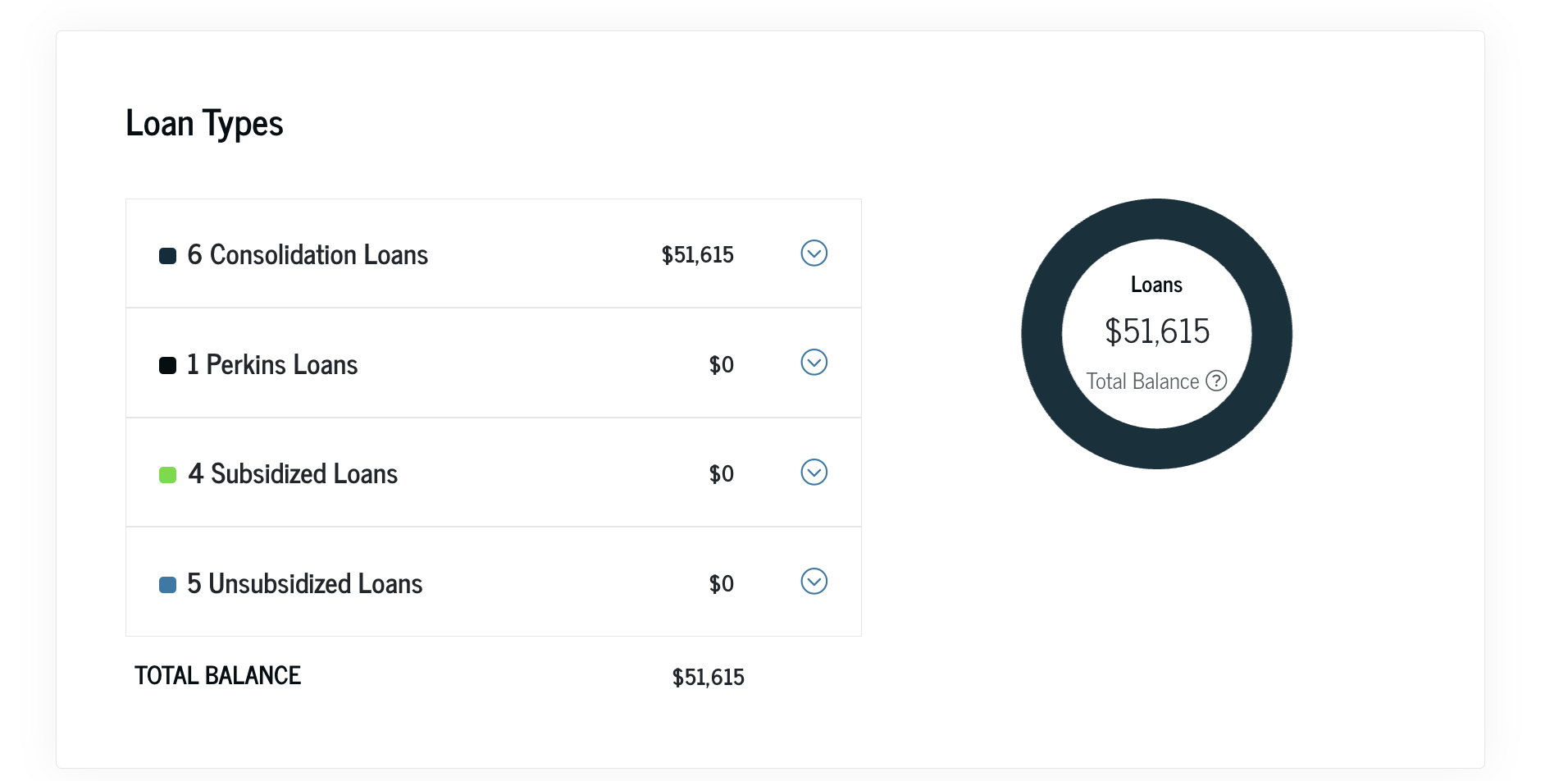
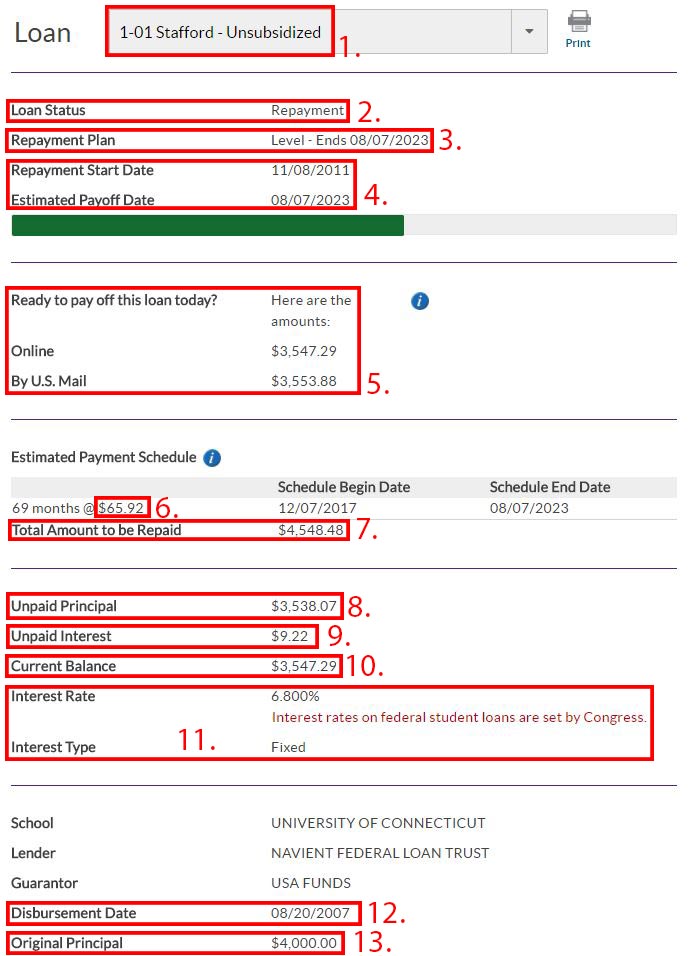
Once you have your FSA ID, log in to StudentAid.gov. Upon successful login, you’ll be directed to your dashboard. Look for sections related to “My Aid” or “Loan Details.” Here, you’ll find a detailed breakdown of all your federal student loans. The information typically includes:
-
Loan Types: (e.g., Direct Subsidized, Direct Unsubsidized, PLUS, Perkins)
-
Original Loan Amounts: How much you initially borrowed for each loan.
-
Current Principal and Interest Balances: The outstanding amount owed.
-
Loan Servicer Information: The company responsible for billing and managing your loans (e.g., Nelnet, MOHELA, Edfinancial). Each servicer will have its own portal where you can manage payments, view payment history, and explore repayment options.
-
Interest Rates: The annual interest charged on each loan.
-
Loan Status: (e.g., In Repayment, Grace Period, Deferment, Forbearance).
Take the time to thoroughly review each loan entry. This is your definitive snapshot of all your federal student loan obligations.
Strategies for Uncovering Private Student Loan Debt
Private student loans, issued by banks, credit unions, and state-affiliated organizations, operate outside the federal system. This makes tracking them slightly more complex, but not impossible.

Checking Your Credit Report
Your credit report is an invaluable tool for uncovering private student loan debt. Lenders, both federal and private, report accounts to the three major credit bureaus: Equifax, Experian, and TransUnion. By law, you are entitled to a free copy of your credit report from each bureau once every 12 months via AnnualCreditReport.com. When reviewing your reports, pay close attention to the “accounts” section. Any private student loans you’ve taken out will be listed here, along with the lender’s name, account number, original loan amount, current balance, and payment history. This is often the most efficient way to identify any private loans you may have forgotten about or misplaced documentation for. If you find discrepancies or unfamiliar accounts, investigate them immediately.
Contacting Your Bank or Original Lender
If you recall taking out a private student loan but can’t find its details on your credit report or are uncertain about the lender, contacting your bank or the institution where you originally applied for financial aid might provide clues. Many private loans are issued by well-known national banks. Check your old bank statements, financial aid award letters from your college, or even past emails for any mention of private loan disbursements. If you remember the specific bank, a direct call to their student loan department could help you locate your account based on your personal identifying information. Sometimes, schools work with preferred private lenders, and their financial aid office might retain records of the lenders they’ve recommended.
Reviewing Old Loan Documents and Emails
While online resources are convenient, don’t underestimate the power of physical and digital records. Dig through old financial aid documents, promissory notes, loan agreements, and any correspondence you received during college. Private lenders often send annual statements, payment reminders, or other important notices. Similarly, search your email archives for keywords like “student loan,” “private loan,” or the names of potential lenders. These documents and emails can contain critical information such as the lender’s name, loan account number, and contact details, which are essential for tracking down and managing your private student debt. Even if the loan has since been sold to another servicer, the original documents will usually name the initial lender, providing a starting point for your investigation.
What to Do Once You’ve Found Your Loans
Locating all your student loans is a significant accomplishment, but it’s only the first step. The next crucial phase involves understanding the details of each loan and strategizing your repayment.
Identifying Your Loan Servicers
Once you’ve compiled a list of all your federal and private loans, the next step is to identify their respective loan servicers. For federal loans, this information is readily available on StudentAid.gov. For private loans, your credit report or old documents will typically list the current servicer. Each servicer will have its own dedicated website where you can create an account, view your specific loan details, make payments, and access important documents. It’s imperative to establish accounts with each of your servicers. This allows you to monitor your balance, track interest accrual, review payment history, and update your contact information. Understanding who manages each loan is key to successful and organized repayment.
Understanding Loan Types and Interest Rates
Not all student loans are created equal. Federal loans come with a variety of borrower protections and repayment plans that private loans generally lack. Within federal loans, subsidized loans do not accrue interest while you are in school or in deferment, unlike unsubsidized loans. Private loans often have variable interest rates, which can fluctuate over time, impacting your monthly payments. Consolidate all this information:
-
Federal vs. Private: Know the fundamental differences in terms and protections.
-
Interest Rates: Note the specific rate for each loan. High-interest loans might be prioritized for accelerated repayment.
-
Fixed vs. Variable: Understand if your interest rate can change.
-
Original Principal vs. Current Balance: See how much interest has accrued.
A comprehensive spreadsheet detailing these aspects for each loan can be an invaluable organizational tool.
Exploring Repayment Options and Assistance Programs
With a complete understanding of your loans, you can now explore the most suitable repayment strategies. For federal loans, the Department of Education offers several income-driven repayment (IDR) plans that adjust your monthly payment based on your income and family size. Other options include standard, graduated, and extended repayment plans, as well as deferment or forbearance in times of financial hardship. Private lenders typically have fewer flexible options, but it’s always worth contacting your servicer to discuss any available hardship programs or payment adjustments. Furthermore, investigate potential opportunities for refinancing (especially for private loans with high interest rates) or loan consolidation (to simplify federal loan payments or to convert variable-rate private loans to fixed-rate ones). Many financial institutions offer free consultations to discuss these options.
Tools and Habits for Ongoing Debt Management
Finding your student loan debt is a one-time intensive effort, but managing it is an ongoing process. Establishing good habits and utilizing the right tools will ensure you stay on top of your obligations.
Utilizing Personal Finance Apps and Spreadsheets
Technology offers numerous solutions for debt management. Personal finance apps like Mint, YNAB (You Need A Budget), or Personal Capital can aggregate all your financial accounts, including student loans, credit cards, and bank accounts, into one dashboard. This allows for a holistic view of your finances, enabling you to track spending, monitor debt progress, and create budgets. Alternatively, a simple yet powerful spreadsheet (e.g., Google Sheets, Excel) can be custom-tailored to track each loan’s balance, interest rate, servicer, and payment history. Regular updates to this tool will provide a clear, real-time picture of your progress and upcoming financial obligations. The key is to choose a tool that fits your comfort level and commitment to consistent data entry.
Regular Credit Report Reviews
Making a habit of regularly reviewing your credit reports (at least annually from each of the three major bureaus) is crucial for ongoing debt management. This practice allows you to catch any new or unexpected loan accounts, identify errors, or detect signs of identity theft. It ensures that the information lenders and servicers are reporting is accurate and reflects your true financial obligations. Timely detection of inaccuracies can prevent negative impacts on your credit score and save you significant headaches in the long run. Utilizing credit monitoring services, many of which are offered free by credit card companies or banks, can also provide alerts for significant changes to your report.
Seeking Professional Financial Guidance
While this guide provides comprehensive steps, some situations may warrant professional assistance. If you have a complex mix of federal and private loans, are struggling to make payments, or are unsure about the best repayment strategy for your unique financial situation, consider consulting a certified financial planner (CFP) or a non-profit credit counseling agency. These professionals can offer personalized advice, help you navigate complex repayment programs, and develop a tailored debt management plan. They can also assist with budgeting, goal setting, and integrating student loan repayment into your broader financial strategy, providing an objective and expert perspective.
Taking the initiative to locate and understand every facet of your student loan debt is one of the most empowering steps you can take for your personal financial health. It transforms a potentially overwhelming burden into a manageable challenge. By utilizing the online resources available, meticulously reviewing your financial records, and committing to ongoing vigilance, you can gain clarity, make informed decisions, and pave a clearer path towards financial freedom. Your future self will thank you for taking the time to truly understand your obligations today.
aViewFromTheCave is a participant in the Amazon Services LLC Associates Program, an affiliate advertising program designed to provide a means for sites to earn advertising fees by advertising and linking to Amazon.com. Amazon, the Amazon logo, AmazonSupply, and the AmazonSupply logo are trademarks of Amazon.com, Inc. or its affiliates. As an Amazon Associate we earn affiliate commissions from qualifying purchases.