
In the modern era of digital finance, the movement of money has become almost instantaneous. Whether you are setting up a direct deposit for a new job, authorizing an automated bill payment for your mortgage, or sending a domestic wire transfer to a family member, you will inevitably be asked for two critical pieces of information: your account number and your routing number. While most people are familiar with their account number, the routing number often remains a source of confusion.
Understanding how to find your routing number—and more importantly, understanding what it represents—is a fundamental skill in personal finance and business management. This nine-digit code serves as the “address” for your financial institution, ensuring that funds are routed to the correct destination within the vast web of the American banking infrastructure.

Understanding the Significance of Routing Numbers in Personal Finance
Before diving into the “how,” it is essential to understand the “what.” A routing number, often referred to as an ABA Routing Transit Number (RTN), is a sequence of nine digits used by financial institutions to identify other banks and credit unions within the United States.
What is an ABA Routing Transit Number?
The American Bankers Association (ABA) developed the routing number system in 1910 to improve the efficiency of check processing. Today, it remains the standard for identifying the financial institution responsible for a specific account. The first two digits of the number identify the Federal Reserve district where the bank is located, while the remaining digits specify the specific institution and provide a check-sum digit for verification. Without this number, the automated clearing house (ACH) network and the check-clearing system would be unable to function.
The Difference Between Routing and Account Numbers
A common point of confusion for consumers is the distinction between the routing number and the account number. Think of your routing number as the “zip code” of your bank—it identifies the general location (the institution). Your account number, conversely, is your “house number”—it identifies your specific unique relationship with that institution. To successfully transfer money, you need both; one tells the system which building to go to, and the other tells it which door to knock on.
Proven Methods to Locate Your Routing Number Quickly
If you find yourself in the middle of a financial application or an online checkout and need your routing number immediately, there are several reliable places to look. Depending on whether you prefer physical documents or digital tools, the following methods are the most efficient.
Finding the Number on Physical Personal Checks
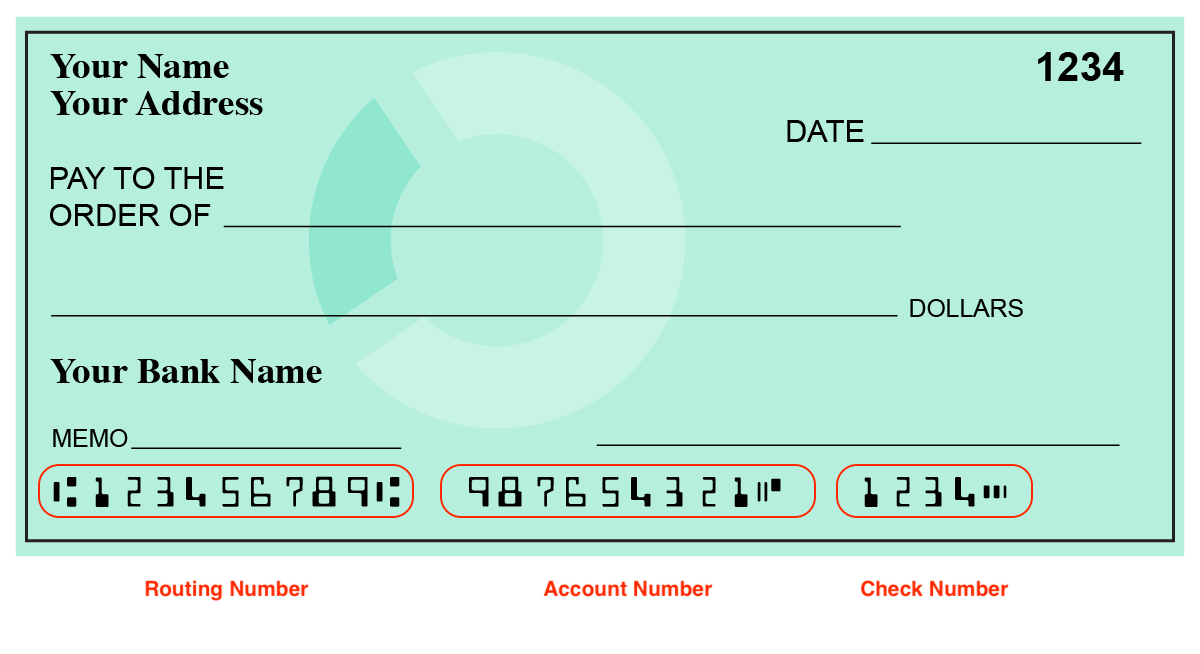
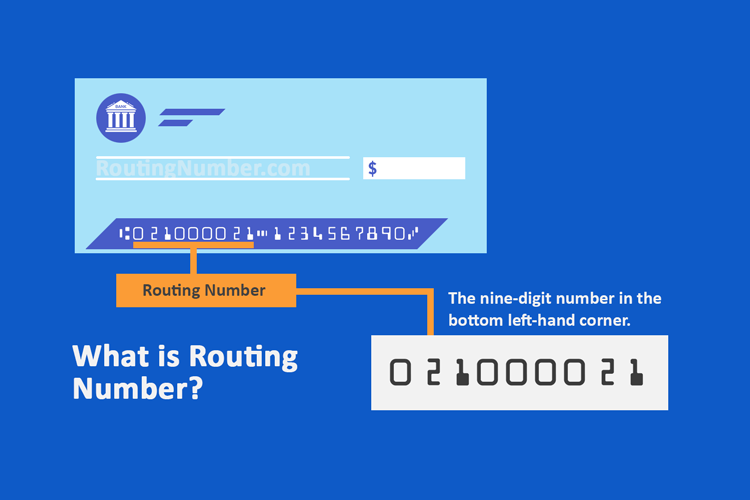
The most traditional way to find your routing number is by looking at a physical check associated with your bank account. If you look at the bottom-left corner of a check, you will see a string of numbers printed in a specialized computer-readable font (MICR).
- The first nine digits on the far left are your Routing Number.
- The middle set of digits is your Account Number.
- The final, shorter set of digits is the Check Number.
It is important to note that you should use a check, not a deposit slip. Some banks use different routing numbers for deposit slips than they do for checks or electronic transfers.
Using Online Banking and Mobile Apps
In our increasingly paperless world, many consumers no longer carry checkbooks. If this is the case, your bank’s mobile app or online banking portal is your best resource. Once you log in, navigate to the specific account you wish to use (e.g., your primary checking account). Look for a section labeled “Account Details,” “Account Info,” or “Direct Deposit Information.” Most major financial institutions clearly display the routing number alongside your account number and current balance.
Contacting the Financial Institution Directly
If you are unable to access your account online and do not have a checkbook, you can find the routing number on the bank’s official website. Most large national banks, such as Chase, Bank of America, or Wells Fargo, have public pages listing their routing numbers by state. Because large banks may have different routing numbers depending on the state where you opened your account, ensure you are looking at the correct region. Alternatively, a quick phone call to customer service or a visit to a local branch can provide the information you need.
Routing Numbers in the Context of Modern Financial Transactions
The routing number is more than just a piece of data; it is the key that unlocks various financial services. Understanding how this number interacts with different types of transactions can help you manage your money more effectively and avoid costly errors.
Setting Up Direct Deposits and Automated Payments
For most employees, the first time they encounter the need for a routing number is when filling out a direct deposit form for payroll. This allows your employer to send your wages directly into your account via the ACH network. Similarly, when you set up “Auto-Pay” for utilities, insurance, or credit card bills, you are providing your routing and account numbers to allow those companies to “pull” funds from your account.
Domestic Wire Transfers vs. ACH Transfers
It is a little-known fact in personal finance that some banks utilize different routing numbers for ACH transfers and wire transfers. An ACH transfer is typically used for payroll and bill pay and can take 1-3 business days. A wire transfer is a more immediate, “real-time” transfer of funds, often used for high-value transactions like a down payment on a home. Before initiating a wire, always verify with your bank if they have a specific “Wire Routing Number,” as using the standard ACH routing number could result in the transfer being rejected or delayed.
International Considerations: SWIFT/BIC vs. Routing Numbers
If you are receiving money from an individual or business outside of the United States, a standard nine-digit routing number will not suffice. International banking relies on the SWIFT (Society for Worldwide Interbank Financial Telecommunication) network. In these cases, you will need to provide a SWIFT code or a BIC (Bank Identifier Code). While your U.S. routing number is essential for domestic movement, the SWIFT code acts as the international version of that identifier.
Maintaining Financial Security When Sharing Sensitive Banking Information
Because the combination of your routing number and account number can be used to withdraw funds, protecting this information is a vital component of digital security and identity theft prevention.
Protecting Your Routing and Account Information
While a routing number is not “private” in the same way a Social Security number is (after all, it is printed on every check you write), it should still be handled with care. Avoid sending your routing and account numbers through unencrypted emails or text messages. When setting up payments online, ensure the website is secure (look for the “https” and the padlock icon) and that the service provider is a reputable entity.
Common Myths About Routing Number Security
A common myth is that a fraudster can steal all your money if they only have your routing number. In reality, because routing numbers are public information for each bank, they are useless to a criminal without your specific account number. However, the combination of the two—as found on a check—is enough to initiate unauthorized ACH withdrawals. Regularly monitoring your bank statements for unauthorized transactions is the best defense against this type of financial fraud.
The Future of Bank Identification: Will Routing Numbers Become Obsolete?
As the financial technology (FinTech) sector continues to evolve, the way we identify accounts is beginning to shift. We are currently seeing a transition toward more user-friendly identifiers that mask the underlying complexity of routing and account numbers.
The Shift Toward Real-Time Payments (RTP)
The Federal Reserve recently launched “FedNow,” a real-time payment service that aims to modernize the U.S. payment infrastructure. While these systems still use routing numbers in the “plumbing” of the transaction, the user experience is moving toward “aliases.” For example, services like Zelle allow users to send money using only a phone number or email address. The system then maps that alias to the associated routing and account numbers behind the scenes.
Digital Wallets and API-Based Financial Integration
Platforms like Plaid and Yodlee have revolutionized how we connect our bank accounts to apps like Venmo, Robinhood, or Mint. Instead of manually typing in a routing number, users log in to their bank via a secure API (Application Programming Interface). This method is not only more convenient but often more secure, as it reduces the manual entry of sensitive digits and relies on tokenized authentication.
In conclusion, while the technology surrounding banking continues to advance, the routing number remains the foundational element of the American financial system. Whether you are looking at the bottom of a paper check or navigating a high-tech banking app, that nine-digit code represents the bridge between your personal wealth and the global economy. By knowing how to find it and how to use it correctly, you empower yourself to manage your finances with greater precision and security.
aViewFromTheCave is a participant in the Amazon Services LLC Associates Program, an affiliate advertising program designed to provide a means for sites to earn advertising fees by advertising and linking to Amazon.com. Amazon, the Amazon logo, AmazonSupply, and the AmazonSupply logo are trademarks of Amazon.com, Inc. or its affiliates. As an Amazon Associate we earn affiliate commissions from qualifying purchases.