
In the modern era of air travel, a flight number is more than just a sequence of digits and letters; it’s a critical piece of data that serves as your digital key to a seamless journey. It uniquely identifies your specific flight, connecting you to real-time updates, gate information, potential delays, and even baggage tracking. For travelers flying with American Airlines, understanding the various technological avenues available to pinpoint this crucial number can significantly enhance their travel experience. This guide delves into the tech-driven methods and digital tools that empower passengers to effortlessly locate their American Airlines flight number, ensuring you’re always informed and prepared.
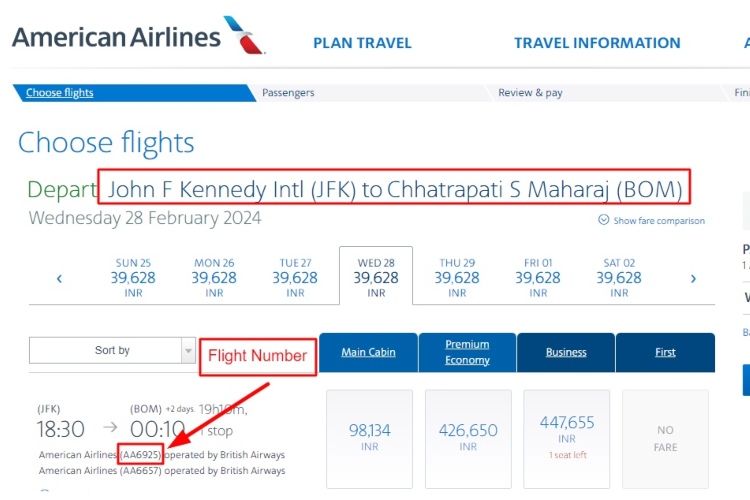
Leveraging American Airlines’ Official Digital Platforms
The most authoritative and often the most up-to-date sources for your American Airlines flight number are the airline’s own digital ecosystem. These platforms are engineered to provide passengers with direct access to their travel information, often in real-time, leveraging sophisticated backend systems and user-friendly interfaces.
The American Airlines Website (AA.com)
The flagship digital presence of American Airlines, AA.com, is a comprehensive portal designed for managing nearly every aspect of your travel. Upon booking, an email confirmation, generated by the airline’s automated systems, is dispatched to your registered email address. This digital receipt is the primary document containing your flight number, typically displayed prominently alongside your PNR (Passenger Name Record) or booking reference.
To proactively find or verify your flight number on AA.com, navigate to the “Manage Trips” or “My Trips” section. Here, you’ll be prompted to enter your six-character alphanumeric booking reference and your last name. Once authenticated, the system retrieves your itinerary, clearly displaying all flight segments, their respective flight numbers (e.g., AA1234), departure and arrival times, and other pertinent details. This functionality relies on secure databases and user authentication protocols to ensure only authorized individuals can access sensitive travel information.
Furthermore, AA.com offers a robust “Flight Status” tool. If you have a partial flight number or know your origin and destination, you can utilize this feature. By inputting your departure and arrival airports and the date, the system queries its database to present a list of all American Airlines flights operating on that route for the given day, allowing you to identify your specific flight number from the schedule. This search mechanism is underpinned by complex algorithms that process vast amounts of flight data to provide accurate results.
For frequent flyers or AAdvantage members, logging into your secure AAdvantage account on AA.com provides an even more streamlined experience. All upcoming trips associated with your membership are typically listed under your profile, eliminating the need to re-enter booking references each time. This personalized dashboard is a testament to how modern airline websites integrate user profiles with booking systems for enhanced convenience and data retrieval.
The American Airlines Mobile App
In an increasingly mobile-first world, the American Airlines mobile app (available on iOS and Android) stands as an indispensable digital companion for travelers. Designed for on-the-go access, the app offers a highly intuitive interface for managing your journey, with flight number access being a core feature.
Upon opening the app, if you’ve logged in with your AAdvantage credentials or linked your trip using a booking reference, your upcoming flights are typically displayed on the home screen or within a dedicated “Trips” section. Each flight segment is clearly labeled with its flight number, making it instantly accessible. The app leverages push notification technology to deliver real-time updates directly to your device, often including flight number changes, gate assignments, and delay notifications. This proactive communication ensures you’re always in the loop without having to constantly check the app.
The app’s “Flight Status” feature mirrors the website’s functionality but is optimized for mobile use. You can search for flights by number, route, or even tail number (if available), receiving instant updates on departure/arrival times, terminal, gate information, and status. This real-time data flow is critical for navigating the complexities of airport environments and staying ahead of potential disruptions. The app also often includes features like mobile boarding passes, which prominently display the flight number, making it a comprehensive digital wallet for your travel documents. The seamless integration of booking, check-in, and real-time information within a single application exemplifies how technology simplifies the travel experience.
Utilizing Third-Party Flight Tracking & Travel Apps
While American Airlines’ official platforms are paramount, a host of third-party applications and websites offer robust functionalities for tracking flights, including retrieving flight numbers. These tools often aggregate data from multiple airlines and air traffic control systems, providing a broader perspective and additional features.
Popular Flight Tracking Applications (e.g., FlightAware, FlightStats, Flighty)
Dedicated flight tracking apps and websites have revolutionized how passengers and their loved ones monitor flights. Platforms like FlightAware, FlightStats, and Flighty leverage sophisticated data feeds from air traffic control, airline operational systems, and even proprietary radar networks to provide highly accurate, real-time information.
To find an American Airlines flight number using these apps, you typically have several search options. If you know the departure and arrival airports and the date, you can input these details to view all flights operating on that route. The system will then display a list of flights, each with its unique flight number. Some advanced trackers even allow you to filter by airline, making it easier to pinpoint American Airlines flights.
These applications are particularly insightful because they often provide more granular data than standard airline websites, such as the specific aircraft type, its tail number, historical performance data, and even a live map tracking the plane’s progress. This level of detail, facilitated by advanced geolocation and data processing technologies, can be invaluable for enthusiasts and those needing precise information beyond just the flight number. The user interfaces of these apps are typically designed for quick searches and visual representations of flight paths, highlighting the power of data visualization in comprehending complex information.
Online Travel Agency (OTA) Platforms
If you booked your American Airlines flight through an Online Travel Agency (OTA) like Expedia, Booking.com, Kayak, or Google Flights, your booking details and flight number will also be accessible through their respective platforms.
Upon completing your booking, the OTA will send a digital confirmation email. Similar to direct airline confirmations, this email will prominently feature your flight number, alongside your PNR, e-ticket number, and other itinerary details. Most OTAs also offer a “My Trips” or “Manage Booking” section on their websites and apps. By logging in or entering your booking reference, you can retrieve your complete itinerary, where your American Airlines flight number will be clearly displayed.
It’s important to note that while OTAs provide a convenient booking interface, they act as intermediaries. The information they display, including flight numbers, is typically pulled directly from the airline’s GDS (Global Distribution System) via APIs (Application Programming Interfaces). Therefore, the flight number provided by an OTA should align perfectly with what you find on AA.com. If there’s any discrepancy, always defer to the information presented on the official American Airlines channels for accuracy, as airline systems are the ultimate source of truth for operational data.
Deciphering Booking Confirmations and Boarding Passes
Beyond interactive digital platforms, traditional yet equally effective tech-enabled documents like email confirmations and boarding passes remain critical sources for your flight number.
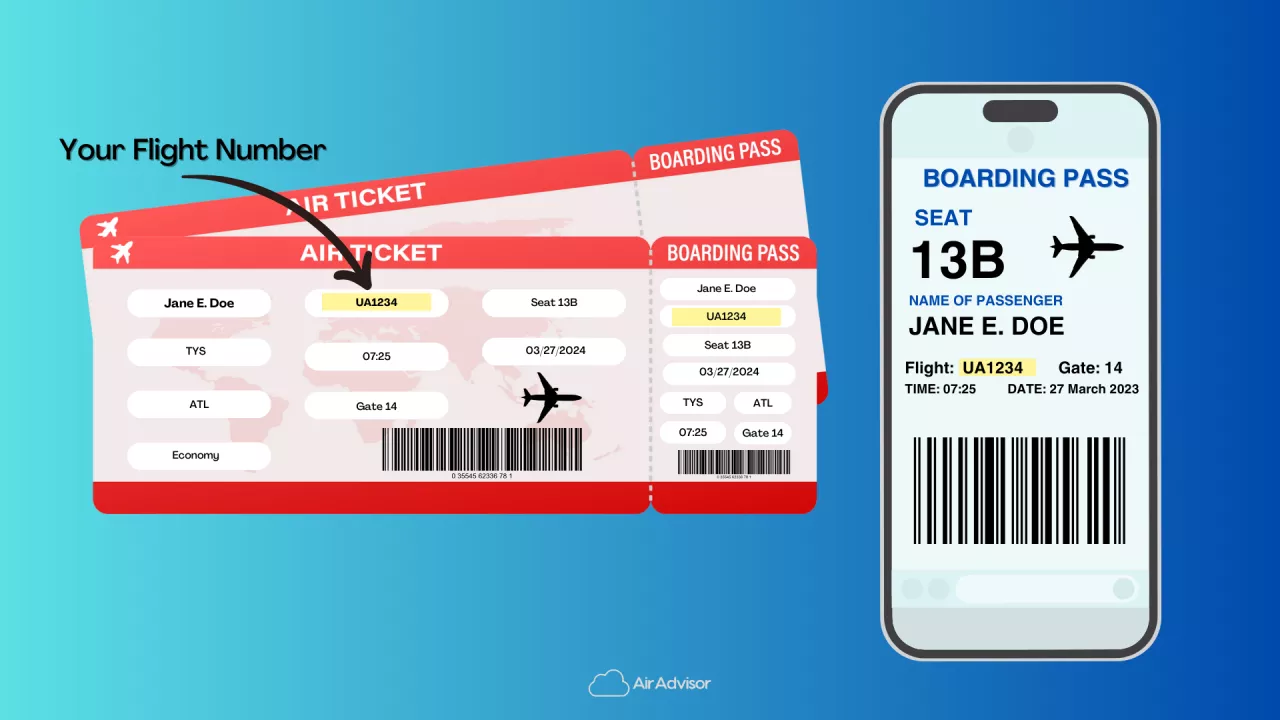
Email Confirmations & E-Tickets
As mentioned, the initial booking confirmation email is a foundational digital document. Sent automatically by American Airlines’ booking system, this email is your primary record and often the first place to look. The flight number typically follows the airline code (e.g., AA) and a sequence of 3-4 digits (e.g., AA1234). It’s usually listed clearly next to the departure and arrival times for each segment of your journey.
Beyond the flight number, these e-tickets or confirmation emails contain other vital information, such as your PNR, e-ticket number, passenger names, baggage allowance, and terms and conditions. It’s a digital repository of your entire booking, making it an essential document to keep accessible, whether saved as a PDF on your device or bookmarked in your email client. The reliability of email as a delivery mechanism for critical travel data underscores its continued relevance in the digital travel ecosystem.
Physical and Digital Boarding Passes
Whether you opt for a traditional paper boarding pass printed at a kiosk or a digital boarding pass stored on your smartphone, the flight number is a mandatory element, clearly displayed for easy identification.
On a physical boarding pass, the flight number is typically found near the top, often in a larger font, adjacent to the date and gate number. It’s crucial for gate agents, ground staff, and even fellow passengers trying to find the correct boarding line.
Digital boarding passes, accessible through the American Airlines app or added to mobile wallets like Apple Wallet or Google Wallet, present the flight number in a highly readable format. These passes leverage QR code or barcode technology for scanning, and the associated text details—including the flight number—are prominently arranged for quick glances. The convenience of having your boarding pass and flight number on your mobile device exemplifies the shift towards paperless travel and the power of smartphone technology in consolidating travel documents.
Advanced Tips and Digital Security Considerations
As you navigate the digital landscape to find your American Airlines flight number, it’s crucial to be aware of advanced strategies and, more importantly, digital security best practices.
Cross-Referencing and Verification
In the age of information overload, verifying data from multiple sources is a smart practice. If you find your flight number from a third-party app or an older email, it’s always advisable to cross-reference it with the American Airlines website or app, especially close to your departure time. This helps confirm that no changes have occurred.
Additionally, be mindful of “code-share” flights. American Airlines frequently partners with other airlines (e.g., British Airways, Iberia, Qatar Airways) where you might book a flight with an American Airlines flight number (e.g., AA7000) that is actually operated by a partner airline. The flight number for the operating carrier will also be listed, often indicated as “Operated by [Partner Airline]”. This distinction is critical for check-in and identifying the correct gate, as the operating airline’s branding will be prominent at the airport. Understanding this aspect requires careful reading of your digital itinerary.
Digital Security Best Practices
When accessing your flight information online, digital security is paramount. Be vigilant against phishing attempts; cybercriminals often send fake emails disguised as airline notifications to trick you into revealing personal data. Always verify the sender’s email address and hover over links before clicking to ensure they lead to legitimate American Airlines domains (aa.com).
Ensure you’re using strong, unique passwords for your American Airlines AAdvantage account and any OTA accounts. Where available, enable two-factor authentication (2FA) for an added layer of security. Avoid accessing sensitive travel information over unsecured public Wi-Fi networks, as these can be vulnerable to eavesdropping. If you must use public Wi-Fi, consider using a Virtual Private Network (VPN) to encrypt your internet traffic. These measures safeguard your personal and travel data from unauthorized access, reinforcing the importance of secure online habits in the digital travel landscape.
When Digital Tools Fall Short: Human Interaction & AI Integration
While technology offers numerous ways to find your flight number, there are instances where direct human interaction or advanced AI can provide quick resolutions, especially in complex or urgent scenarios.
American Airlines Customer Service & AI Chatbots
Should you encounter difficulties locating your flight number using self-service digital tools, American Airlines customer service remains a reliable resource. You can contact them via phone, and after navigating an interactive voice response (IVR) system (an AI-powered telephonic interface), you can speak to a representative who can access your booking details using your name and other identifying information.
Increasingly, airlines are integrating AI chatbots into their websites and mobile apps. These chatbots, powered by natural language processing (NLP) algorithms, can quickly understand your query (“Where is my flight number?”) and direct you to the relevant information or retrieve it directly from the booking system. This hybrid approach, combining the efficiency of AI with the option for human support, represents the cutting edge of digital customer service.
Airport Kiosks and Gate Agents
At the airport, technology continues to play a role even in physical interactions. Self-service kiosks, essentially touch-screen computers networked with the airline’s systems, allow you to retrieve your itinerary, print boarding passes, and confirm your flight number using your passport, credit card, or booking reference.
Ultimately, if all digital avenues prove fruitless, a customer service agent at the check-in counter or a gate agent can always assist. They have direct access to the airline’s backend systems and can swiftly provide you with your flight number and any other necessary details, demonstrating that even with advanced digital tools, human oversight remains a critical backup.

Conclusion
Finding your American Airlines flight number is a straightforward process, thanks to the myriad of digital tools and technological advancements designed to enhance the travel experience. From the intuitive interfaces of AA.com and the American Airlines mobile app to the comprehensive data provided by third-party flight trackers and the foundational information in your digital booking confirmations, travelers are equipped with multiple reliable avenues. By understanding and effectively utilizing these tech-driven resources, and by adhering to crucial digital security practices, you can ensure you’re always informed, prepared, and ready for a smooth journey with American Airlines. In the digital age, being connected to your flight information is not just a convenience; it’s a cornerstone of confident and stress-free travel.
aViewFromTheCave is a participant in the Amazon Services LLC Associates Program, an affiliate advertising program designed to provide a means for sites to earn advertising fees by advertising and linking to Amazon.com. Amazon, the Amazon logo, AmazonSupply, and the AmazonSupply logo are trademarks of Amazon.com, Inc. or its affiliates. As an Amazon Associate we earn affiliate commissions from qualifying purchases.