
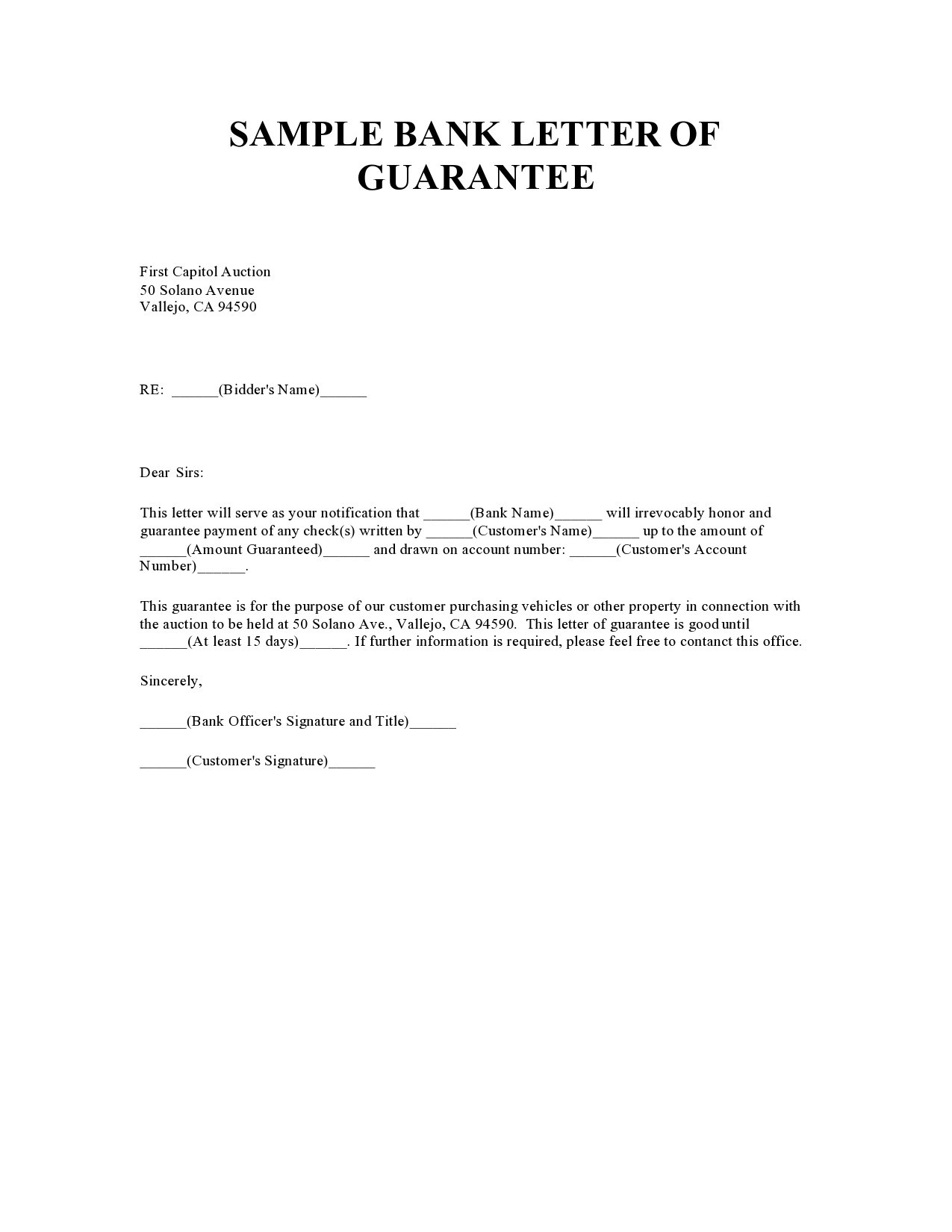
In the intricate world of international trade, large-scale construction, and complex commercial agreements, financial risk is an omnipresent factor. When two parties enter into a high-stakes contract—often involving millions of dollars or cross-border logistics—the buyer needs assurance that the seller will deliver, and the seller needs security that the buyer will pay. Enter the Letter of Guarantee (LG). An LG is a formal financial instrument issued by a bank or a financial institution on behalf of a customer, providing a contractual commitment to meet a specific obligation if the customer fails to do so. In essence, it acts as a financial safety net, ensuring that the beneficiary is protected against the default of the applicant.
The Mechanics of a Letter of Guarantee
At its core, a Letter of Guarantee is a promise of performance. It is not merely a statement of intent; it is a binding legal document that mandates the issuing bank to pay a specified sum of money to a beneficiary if the terms stipulated in the underlying contract are not met. The process is tripartite: the applicant (the buyer or contractor), the beneficiary (the seller or project owner), and the issuer (usually a commercial bank).
How the Issuance Process Works
The process typically begins with the applicant requesting a guarantee from their bank. The bank conducts a rigorous credit assessment, evaluating the applicant’s financial stability, cash flow, and track record. Because issuing a guarantee ties up a portion of the bank’s capital and exposes it to credit risk, the bank often requires collateral or a credit line facility. Once approved, the bank issues the guarantee to the beneficiary, who reviews the instrument to ensure it satisfies their specific requirements. Should the applicant default on their contractual obligations, the beneficiary presents the necessary documentation to the bank, triggering the payout.
Parties Involved and Their Roles
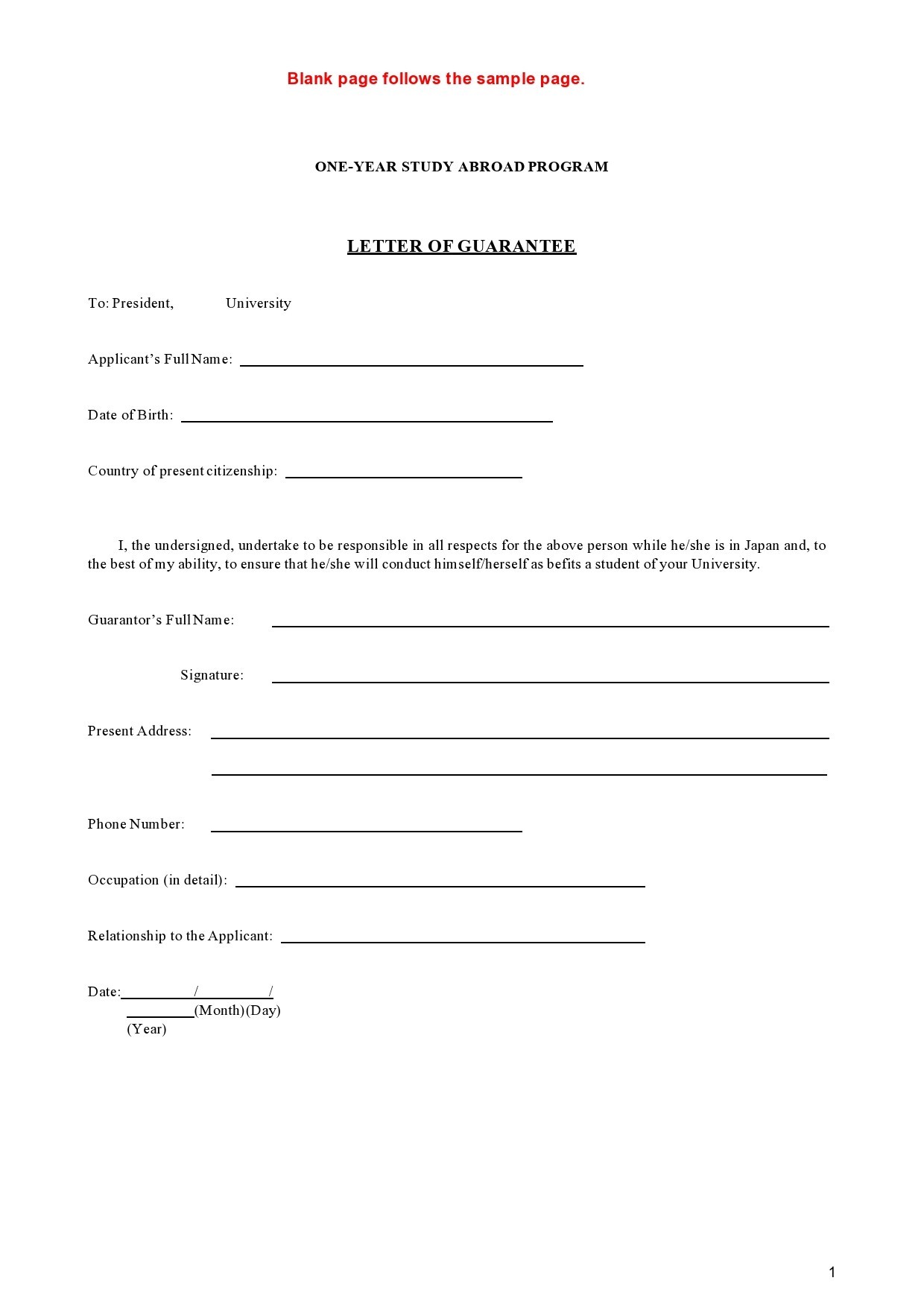
Understanding the roles of each party is vital for managing risk. The applicant is the party whose performance is being guaranteed. The beneficiary is the party protected by the guarantee. The issuer, typically a bank, acts as the guarantor. Importantly, the bank’s obligation is independent of the underlying contract. This “independence principle” means that if the beneficiary presents a compliant demand for payment, the bank is legally obligated to pay, regardless of disputes that may exist between the applicant and the beneficiary regarding the primary contract.
Common Types of Letters of Guarantee
The versatility of the Letter of Guarantee makes it indispensable across various industries. While they all serve the same fundamental purpose of risk mitigation, the specific conditions and triggers vary based on the nature of the transaction.
Bid Bonds (Tender Guarantees)
In the construction and procurement sectors, companies frequently bid for major projects. A Bid Bond protects the project owner (beneficiary) if the winning bidder withdraws their tender after being selected or fails to sign the contract. It serves as a deterrent against frivolous bids, ensuring that only serious, qualified parties participate in the competitive bidding process.
Performance Bonds
Once a contract is awarded, a Performance Guarantee is often required. This ensures that the contractor completes the work in accordance with the specifications, quality standards, and timelines outlined in the agreement. If the contractor fails to deliver, the beneficiary can call upon the bond to cover the costs of hiring a replacement or rectifying the deficiencies.
Advance Payment Guarantees
Often, a contractor or manufacturer requires upfront capital to begin a project—to purchase raw materials, mobilize labor, or secure machinery. To protect the party providing this advance payment, an Advance Payment Guarantee is issued. If the contractor fails to deliver the promised goods or services, the bank returns the advance payment to the buyer.
Payment Guarantees
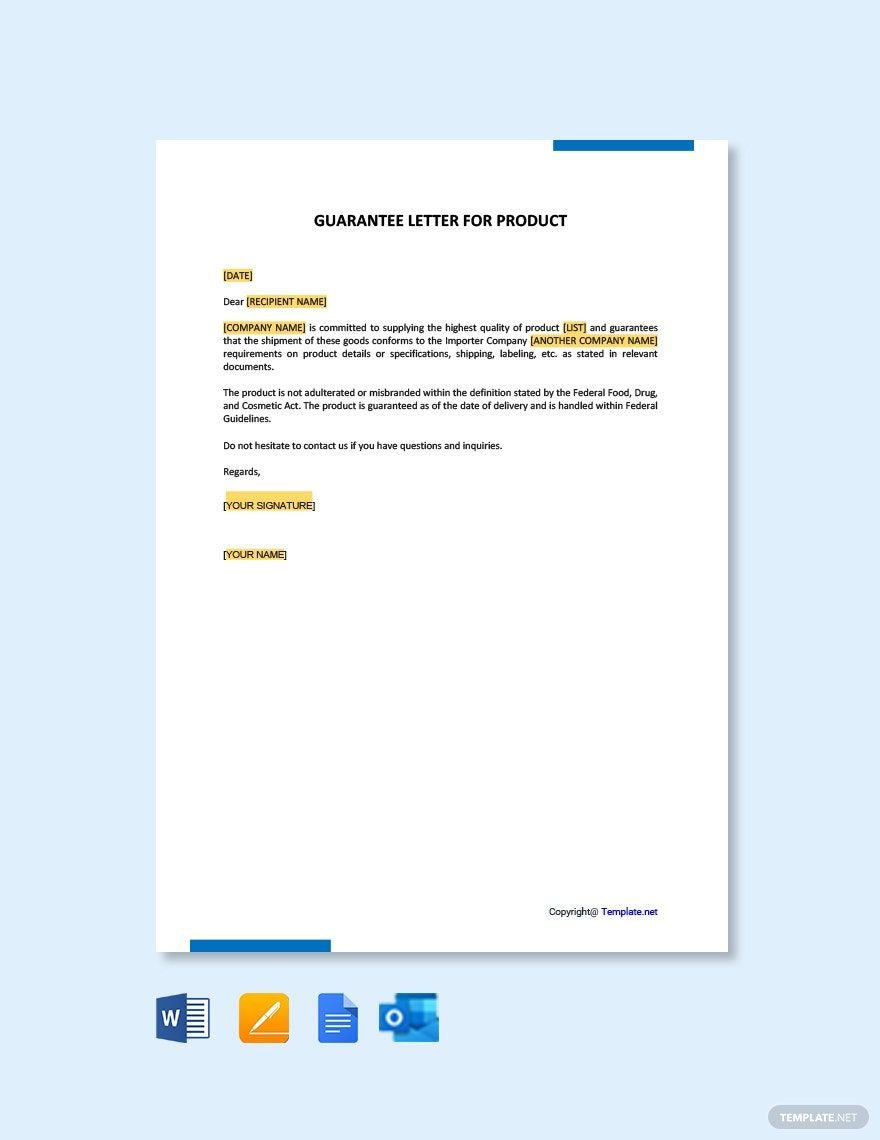
In scenarios involving the purchase of goods, a Payment Guarantee (often similar in function to a standby letter of credit) ensures that the seller receives payment if the buyer defaults on their invoice. This is particularly crucial in international trade where the seller has little legal recourse if a buyer in a foreign jurisdiction stops paying.
The Strategic Value in Business Finance
For corporations, Letters of Guarantee are more than just insurance policies; they are essential tools for liquidity and capital management. By shifting the burden of performance risk to a third-party bank, companies can unlock opportunities that would otherwise be blocked by credit risk.
Improving Cash Flow and Capital Efficiency
Instead of tying up liquid cash in an escrow account or providing a massive security deposit to a partner, a firm can utilize its existing credit lines to issue a guarantee. This keeps cash on the balance sheet for operational needs, research, and expansion, while still providing the counterparty with the financial security they demand. It turns financial reputation into working capital.
Facilitating Global Trade
International commerce is fraught with asymmetric information—buyers and sellers often don’t know each other’s business practices or local legal systems. A Letter of Guarantee issued by a reputable bank acts as a “common currency” of trust. It effectively mitigates the risk of non-payment or non-performance in markets where enforcing local contracts might be prohibitively expensive or time-consuming.
Enhancing Competitive Bidding
A company that can reliably secure large-scale Letters of Guarantee is perceived as a more credible and stable partner. In industries like infrastructure development, the ability to provide a guarantee is a barrier to entry. Companies that have strong relationships with financial institutions and a solid credit profile gain a significant competitive advantage when bidding for government contracts or large corporate tenders, as they are seen as “bankable” entities.
Risk Management and Regulatory Considerations
While Letters of Guarantee are powerful tools, they carry significant risks that require careful management by a corporate finance team. Mismanagement of these instruments can lead to severe liquidity crunches or unexpected liabilities.
The Danger of “Call” Risk
The most significant risk is the “call” on the guarantee. If a beneficiary calls the guarantee, the bank will pay out immediately. Even if the applicant believes the claim is unjust or that they have actually fulfilled their duties, the bank is generally obligated to pay upon receipt of the document. Disputes regarding the legitimacy of the call must be settled in court between the applicant and the beneficiary—often long after the money has left the bank’s coffers. Therefore, negotiating the exact language of the guarantee, including expiration dates and documentation requirements, is critical.
Counter-Guarantee Structures
In complex international transactions, the local bank of the beneficiary may not be the primary bank of the applicant. In such cases, the applicant’s bank issues a “counter-guarantee” to the beneficiary’s bank. The beneficiary’s bank then issues the final guarantee to the beneficiary. This chain of instruments requires careful legal oversight to ensure that the terms remain consistent across the entire chain; otherwise, the applicant could be liable for claims that do not correspond with the primary contract.
Compliance and Documentation Standards
Banks are subject to strict “Know Your Customer” (KYC) and Anti-Money Laundering (AML) regulations. Issuing a guarantee is considered a financial service, and the bank must verify the legitimacy of the underlying trade transaction. Businesses must maintain impeccable documentation—invoices, shipping documents, and certified statements—to ensure that the guarantee process remains compliant. Furthermore, companies should utilize standardized formats, such as the International Chamber of Commerce (ICC) Uniform Rules for Demand Guarantees (URDG), to ensure that the instrument is globally recognized and enforceable.
Conclusion
The Letter of Guarantee is the cornerstone of modern commercial trust. By bridge-building between parties who are otherwise separated by distance, legal frameworks, and performance uncertainty, these instruments allow the wheels of global commerce to turn. Whether it is a small construction firm securing a local project or a multinational corporation engaging in cross-border procurement, the strategic use of an LG remains a hallmark of sound financial management. Businesses that master the art of leveraging these guarantees not only protect themselves from the volatility of trade but also position themselves as reliable, high-growth entities ready to compete in the global marketplace. Understanding the structure, types, and risks associated with these instruments is no longer an optional skill for finance professionals; it is an absolute necessity for success in the competitive landscape of modern business.
aViewFromTheCave is a participant in the Amazon Services LLC Associates Program, an affiliate advertising program designed to provide a means for sites to earn advertising fees by advertising and linking to Amazon.com. Amazon, the Amazon logo, AmazonSupply, and the AmazonSupply logo are trademarks of Amazon.com, Inc. or its affiliates. As an Amazon Associate we earn affiliate commissions from qualifying purchases.