
Understanding the fair market value (FMV) of a car is a critical skill for anyone engaging in automotive transactions, whether buying, selling, or even seeking insurance compensation. For individuals managing their personal finances, accurately determining a vehicle’s worth is not merely a formality but a foundational step in making informed financial decisions. It ensures you don’t overpay as a buyer, undersell as a seller, or accept an inadequate payout from an insurance claim. This comprehensive guide delves into the methodologies, resources, and strategic considerations essential for pinpointing the true financial worth of any vehicle, strictly within the realm of personal finance and asset management.
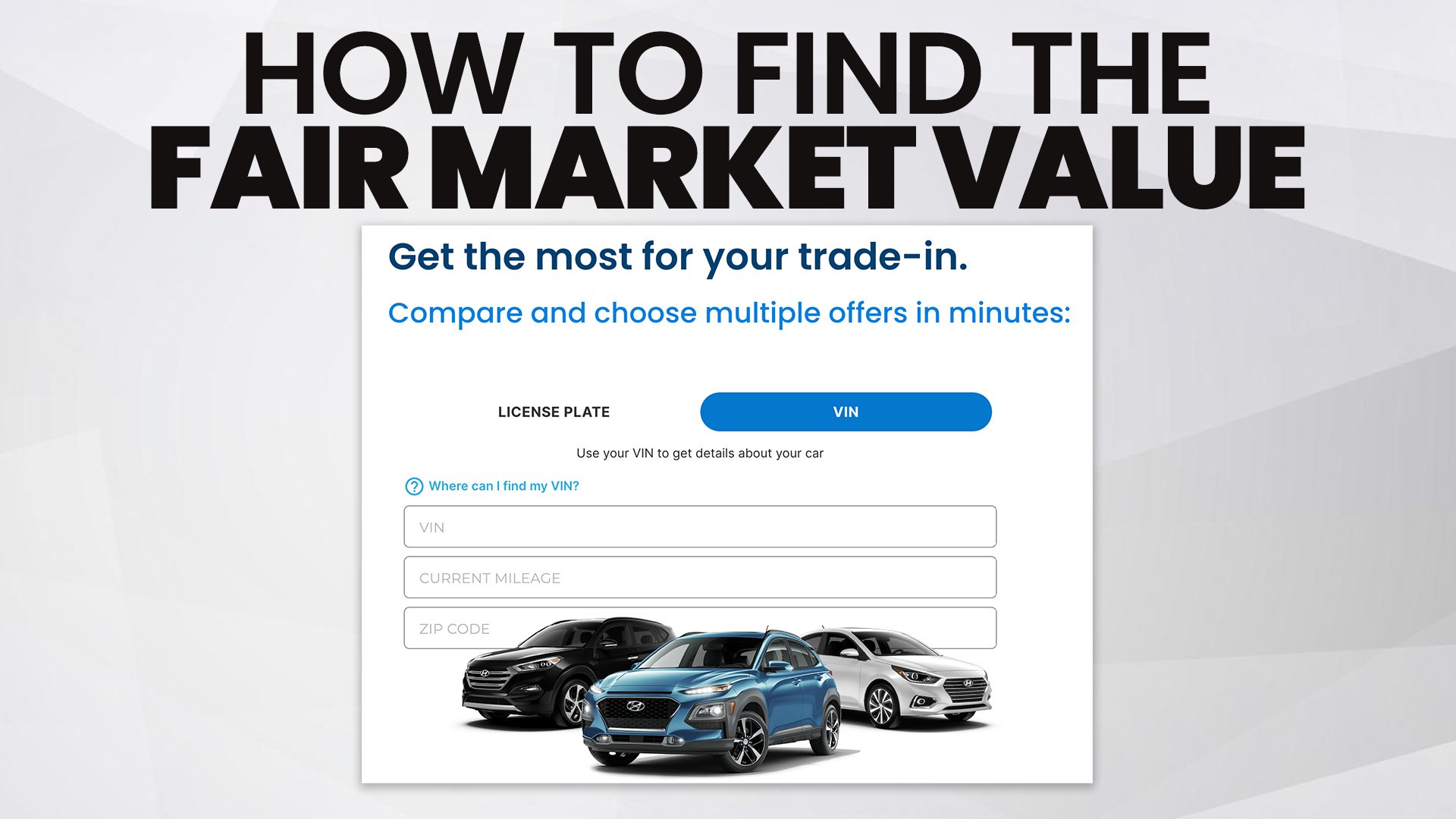
Understanding Fair Market Value (FMV) for Financial Decisions
Fair market value, in the context of vehicles, represents the price at which a car would change hands between a willing buyer and a willing seller, neither being under any compulsion to buy or sell, and both having reasonable knowledge of relevant facts. It’s the theoretical price point where supply meets demand under normal market conditions. For personal finance, knowing this figure is paramount.
Defining FMV in the Automotive Context
FMV is not a static number but a dynamic estimate influenced by numerous variables. It’s distinct from a sticker price, which might include dealer markups, or a distressed sale price. When assessing FMV, financial prudence dictates considering the car’s current condition, features, mileage, and historical data, alongside prevailing market trends. This value serves as a baseline for all financial negotiations and projections involving the asset. From a financial planning perspective, a car is a depreciating asset, and its FMV dictates its residual value, affecting calculations for depreciation, potential capital gains (rare for cars, but relevant for classics), and overall net worth assessments.
Why Accurate Valuation Protects Your Wallet
An accurate understanding of FMV directly impacts your financial well-being in several ways. As a buyer, it prevents overpaying, ensuring you allocate your budget efficiently and don’t tie up capital in an overpriced asset. For sellers, it ensures you achieve a reasonable return on your asset, maximizing profit and avoiding unnecessary financial losses. In the event of a total loss due to an accident, your insurance company will typically base its payout on the car’s FMV just before the incident. Knowing this value beforehand empowers you to negotiate effectively, challenging lowball offers and ensuring fair compensation that allows for equivalent replacement. Furthermore, for tax purposes or estate planning, a precise FMV can be crucial for proper asset declaration and valuation.
Critical Factors That Determine Car Value
A car’s value is a complex mosaic formed by a blend of intrinsic characteristics and external market forces. Dissecting these factors is the first step toward a robust valuation.
Vehicle Specifications: Make, Model, Year, Trim
The fundamental identity of a car – its make, specific model, year of manufacture, and trim level – lays the groundwork for its valuation. Premium makes and models often retain value better than their budget counterparts. Certain years of a model might be more desirable due to design changes, feature upgrades, or improved reliability ratings. The trim level, which dictates included features (leather seats, premium sound system, navigation, advanced safety features, engine type), significantly impacts the original sale price and, consequently, its resale value. Higher trim levels generally command higher FMVs, assuming the market demands those features.
Condition Assessment: Mechanical, Cosmetic, Interior
The physical state of the vehicle is a paramount determinant of its financial worth.
- Mechanical Condition: This is arguably the most critical aspect. A car with a well-maintained engine, transmission, brakes, and suspension will command a higher value than one requiring significant repairs. Documented service records are invaluable proof of proactive maintenance and can significantly boost confidence and value.
- Cosmetic Condition (Exterior): The exterior’s appearance, including paint quality, absence of dents, scratches, rust, and clean wheels, contributes substantially to perceived value. A well-kept exterior suggests careful ownership and a higher overall quality.
- Interior Condition: The state of the upholstery, dashboard, carpets, and functionality of all interior electronics (infotainment, climate control, windows, locks) are key. A clean, odor-free, and undamaged interior indicates responsible ownership and directly impacts comfort and appeal, thereby increasing value.
Mileage and Usage Patterns
Mileage is a direct proxy for wear and tear. Generally, lower mileage translates to a higher FMV, as it suggests less stress on mechanical components and a longer expected lifespan. The average annual mileage is around 12,000-15,000 miles, so vehicles significantly below this average for their age often fetch a premium. However, it’s not just the number but the type of mileage that matters; highway miles typically cause less wear than city stop-and-go driving. Vehicles with exceptionally high mileage for their age will see a significant depreciation in value.
Vehicle History: Reports, Maintenance Records, Accidents
A car’s history provides crucial context to its current condition and future reliability, directly influencing its FMV.
- Vehicle History Reports: Services like Carfax and AutoCheck provide detailed reports on a car’s past, including accident history, previous owners, title issues (e.g., salvage, flood), and service records. A clean report enhances confidence and value, while a report detailing significant damage or title problems can drastically reduce FMV.
- Maintenance Records: Comprehensive records of oil changes, tire rotations, major service intervals, and repairs demonstrate responsible ownership and a proactive approach to vehicle health. These records mitigate buyer concerns about hidden mechanical issues and can justify a higher asking price.
- Accidents: Even minor accidents, if reported, can impact value. Major accidents leading to frame damage or extensive repairs almost always result in a diminished value, regardless of the quality of repairs, due to potential long-term structural integrity and safety concerns.

Essential Tools and Methods for Valuation
Leveraging reliable resources is vital for arriving at an accurate FMV. These tools provide data-driven insights that are indispensable for financial decision-making.
Online Valuation Platforms (KBB, Edmunds, NADA)
These online platforms are the go-to resources for initial car valuations.
- Kelley Blue Book (KBB): Perhaps the most widely recognized, KBB offers various values, including “Trade-in,” “Private Party,” and “Retail.” It considers factors like mileage, condition, and optional features.
- Edmunds: Known for its “True Market Value” (TMV) pricing, Edmunds provides an estimate of what others in your area have actually paid for similar vehicles. It’s particularly useful for gauging real-world transaction prices.
- NADAguides: Often used by dealerships and lenders, NADAguides (now J.D. Power Vehicle Valuations) typically provides higher values, reflecting clean retail pricing rather than private party or trade-in. It’s excellent for understanding the upper end of the retail market.
When using these tools, be meticulous in inputting your car’s exact specifications and honest about its condition to receive the most accurate estimates. Compare values across all three to get a comprehensive range.
Professional Appraisals and Dealership Insights
For specialized or higher-value vehicles, or when dealing with complex financial situations like insurance claims or estate settlements, a professional appraisal can be invaluable. Certified appraisers conduct thorough inspections and provide a legally recognized document of value, often considering factors beyond standard online tools. Dealerships, while biased towards their own profit margins, can provide a quick trade-in estimate. While not an FMV for a private sale, it offers a baseline for comparison and helps understand what a professional buyer might offer. Remember, a trade-in value is typically lower than a private party sale value because the dealer needs to factor in reconditioning costs and profit.
Analyzing Local Market Data and Comparable Sales
Real-world transaction data often provides the most accurate reflection of FMV. Search online classifieds (e.g., Craigslist, Facebook Marketplace, AutoTrader, Cars.com) for vehicles identical or highly similar to yours that have recently sold or are currently listed in your geographic area. Pay attention to the asking prices, but also try to gauge the actual selling prices if possible. This “comps” analysis helps you understand local supply and demand dynamics and how quickly similar vehicles are moving, giving you a tangible idea of what buyers are willing to pay and sellers are accepting.
Strategic Approaches to Maximize Value
Once you understand your car’s FMV, strategic actions can further enhance its financial appeal and ensure a favorable transaction.
Preparing Your Vehicle for Sale or Trade-in
Investment in preparation often yields significant returns. A thorough cleaning, both interior and exterior, is non-negotiable. Address minor cosmetic imperfections like small scratches or dings. Ensure all fluids are topped off and tires are properly inflated. For mechanical issues, assess if the cost of repair will be recouped in the sale price. Often, fixing easily identifiable problems (e.g., warning lights, worn brakes) before listing can significantly increase perceived value and asking price. Gather all service records, the owner’s manual, and both sets of keys.
Understanding Market Dynamics and Timing
The automotive market fluctuates, influenced by economic conditions, fuel prices, and seasonal demand. Convertibles and sports cars might fetch higher prices in spring, while SUVs and AWD vehicles see increased demand in colder months. Economic downturns can depress car values across the board. Staying informed about these trends allows you to time your sale optimally, maximizing your financial return. Selling when demand is high and supply is low for your specific vehicle type can yield a better price.

Negotiating with Confidence and Data
Armed with a robust understanding of your car’s FMV, gathered from multiple reputable sources, you are in a strong position to negotiate.
- As a Seller: Set a realistic asking price slightly above your target FMV to allow for negotiation. Be firm but polite, backing up your price with condition reports, service records, and market data. Be prepared to justify your price based on the car’s features, excellent condition, and low mileage.
- As a Buyer: Use your FMV research to counter inflated asking prices. Point to comparable sales, known issues with the model, or any discrepancies in the car’s condition that justify a lower offer. Never let emotion dictate your offer; stick to the data.
Effective negotiation, grounded in diligent research and a clear understanding of FMV, is the cornerstone of financially savvy car transactions. It ensures that you receive or pay a price that truly reflects the asset’s worth in the current market, safeguarding your personal finances from unfavorable outcomes.
aViewFromTheCave is a participant in the Amazon Services LLC Associates Program, an affiliate advertising program designed to provide a means for sites to earn advertising fees by advertising and linking to Amazon.com. Amazon, the Amazon logo, AmazonSupply, and the AmazonSupply logo are trademarks of Amazon.com, Inc. or its affiliates. As an Amazon Associate we earn affiliate commissions from qualifying purchases.