
In an increasingly complex financial landscape, effective management of all monetary assets, no matter how small, is paramount. Gift cards, often perceived as simple tokens of generosity, are, in reality, pre-paid financial instruments that require diligent oversight to ensure their full value is realized. Among these, the American Express Gift Card stands out as a widely accepted and popular option, offering flexibility and convenience. However, like any financial tool, understanding its current balance is critical to prevent inconvenient declines, maximize spending power, and integrate it effectively into your personal finance strategy. This comprehensive guide delves into the methods for checking your American Express Gift Card balance and broader strategies for financially managing these valuable assets.
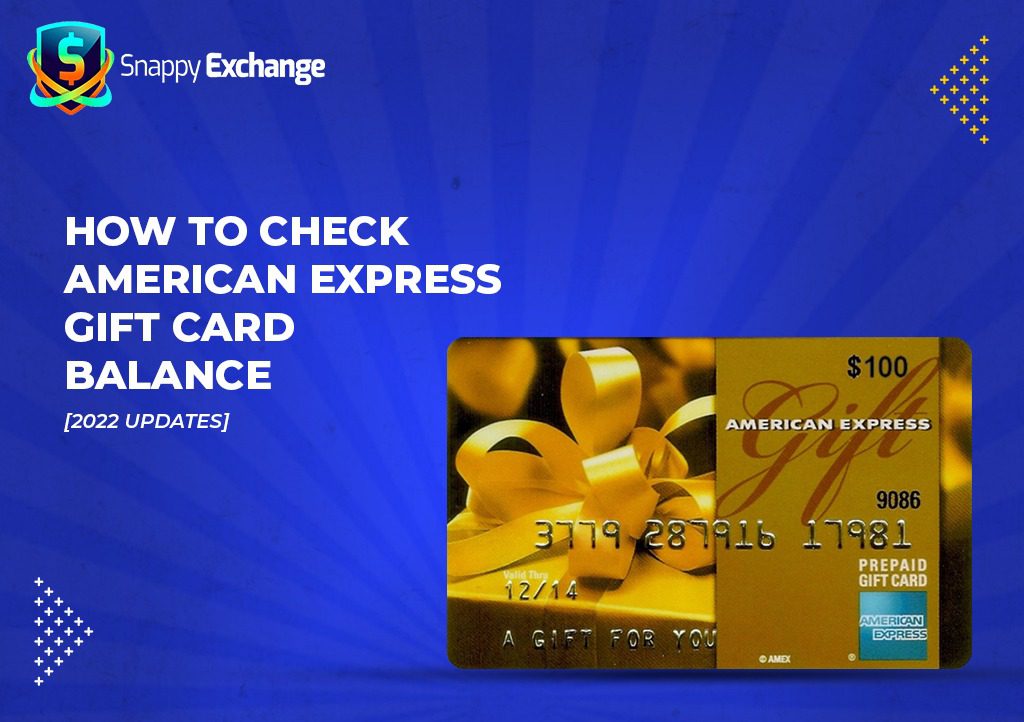
The Financial Utility of American Express Gift Cards: More Than Just a Present
American Express Gift Cards are not merely pieces of plastic; they are a form of pre-funded payment, akin to a debit card with a fixed monetary value. Their utility extends beyond simple gifting, serving as a versatile tool for personal budgeting, controlled spending, and even as a secure alternative to carrying cash for specific purchases. Recognizing them as bona fide financial instruments is the first step toward responsible management.
Understanding American Express Gift Cards as Financial Instruments
An American Express Gift Card functions as a non-reloadable prepaid card, meaning it is loaded with a specific amount of money at the time of purchase and cannot be topped up. It operates on the American Express network, making it widely accepted by merchants that typically take American Express credit cards, both online and in physical stores. From a personal finance perspective, these cards represent a pre-allocated budget for future spending. They are distinct from traditional credit cards as they draw from a pre-existing balance, eliminating the risk of debt. Similarly, unlike debit cards linked to bank accounts, they are isolated funds, which can be advantageous for specific spending categories or for individuals looking to limit exposure of their primary banking details. Understanding these fundamental characteristics is crucial for anyone managing their personal finances, as it dictates how and where these cards can be best utilized. They offer a sense of financial control, allowing users to spend up to a certain limit without dipping into their main accounts or incurring debt.
Why Tracking Your Balance is Crucial for Personal Finance
Proactive balance checking on any financial instrument is a cornerstone of sound personal finance, and American Express Gift Cards are no exception. Forgetting or miscalculating the remaining balance can lead to several financial inefficiencies and frustrations. Firstly, attempting to make a purchase that exceeds the card’s available funds will result in a declined transaction, which can be embarrassing and disrupt your shopping experience. More significantly, it means you’re not fully leveraging the monetary value you possess.
From a budgeting perspective, knowing your exact gift card balance allows you to accurately incorporate it into your spending plans. If you have multiple gift cards, a clear understanding of each balance helps you prioritize their use, especially those with impending expiration dates or potential dormancy fees. Timely balance checks also help in fully depleting the card’s value, preventing the common issue of small, forgotten residual balances that eventually go unused. Moreover, in an age where digital security is paramount, regular checks can sometimes act as an early warning system for unauthorized transactions, although this is less common with non-reloadable gift cards. Ultimately, tracking your balance is about maximizing the value of your assets, ensuring financial efficiency, and avoiding unnecessary inconveniences in your spending journey.
Essential Methods for Balance Inquiry: Maximizing Your Card’s Value
Knowing how to efficiently check the balance of your American Express Gift Card is fundamental to its effective financial management. American Express provides straightforward and secure methods to do this, ensuring cardholders can always ascertain their available funds before making a purchase. These methods leverage both digital convenience and traditional customer service to cater to various user preferences.
Online Portal: The Digital Hub for Financial Oversight
The most popular and often most convenient method for checking your American Express Gift Card balance is through the dedicated online portal. This digital hub offers comprehensive financial oversight, allowing you to access your card’s information anytime, anywhere.
To check your balance online:
- Navigate to the Official Website: Open your web browser and go to the official American Express Gift Card website. This is typically
americanexpress.com/giftcardsoramexgiftcard.com. Be cautious to always use the official site to protect your financial data. - Locate the Balance Check Feature: On the homepage, look for a clearly labeled section such as “Check Balance,” “My Card,” or “Cardholder Login.”
- Enter Card Details: You will be prompted to enter the 15-digit card number (found on the front of the card), the 4-digit security code (CID, also on the front above the card number), and sometimes the expiration date. Ensure you enter these details accurately.
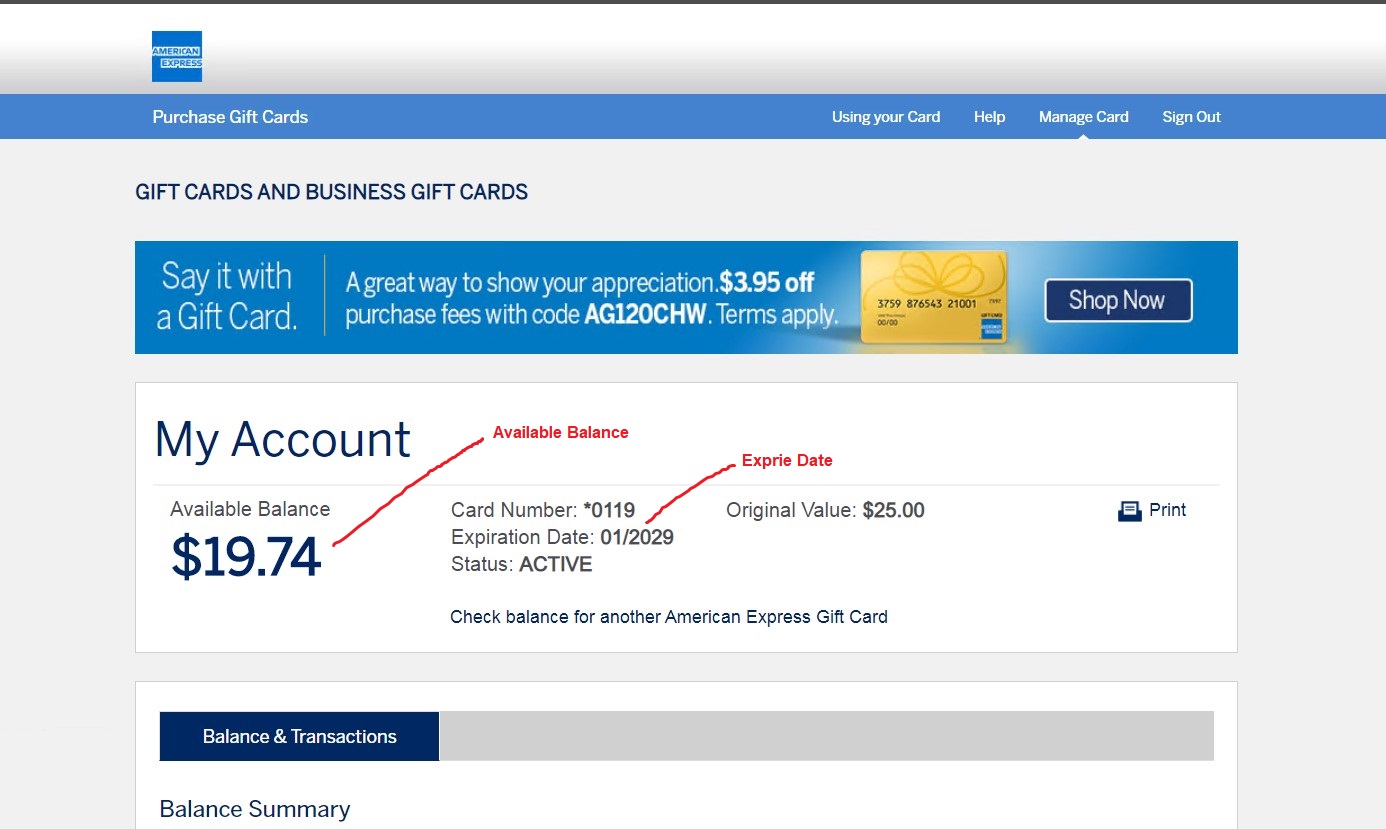
- View Your Balance: After submitting the information, your current remaining balance will be displayed on the screen.
- Explore Additional Features: The online portal often provides more than just the balance. You might be able to view transaction history, which is invaluable for reconciling your spending and identifying any potential discrepancies. Some portals also allow you to register your card, which can be beneficial for added security and easier tracking, though typically not mandatory for balance checks.
The online method offers instant access to your card’s financial status, making it the preferred choice for many due to its speed and comprehensive nature. It’s a prime example of how digital tools enhance personal finance management.
Phone Support: Direct Line to Your Card’s Financial Status
While the online portal offers digital convenience, there are times when direct phone support is either necessary or preferred. This method provides a direct line to your card’s financial status, backed by human assistance.
To check your balance via phone:
- Locate the Customer Service Number: The customer service number for American Express Gift Cards is usually printed on the back of the card itself. If not, it can be easily found on the official American Express Gift Card website under “Contact Us” or “Support.” Typically, it’s an 800-number.
- Prepare Your Card Information: Before calling, have your 15-digit card number and the 4-digit security code (CID) readily available. This will expedite the process when you interact with the automated system or a customer service representative.
- Navigate the Automated System: When you call, you will likely be greeted by an automated voice system. Listen carefully to the prompts and select the option for “Check Balance” or “Card Information.” You will then be asked to input your card number and security code using your phone’s keypad.
- Speak to a Representative (If Needed): If the automated system cannot fulfill your request, or if you encounter issues like a lost/stolen card, or suspect fraudulent activity, choose the option to speak with a customer service representative. They can provide more detailed assistance and address specific concerns beyond a simple balance inquiry.
Phone support is particularly useful in situations where internet access is unavailable, for those who prefer verbal interaction, or when dealing with more complex financial issues related to the card that require personalized assistance.
Transaction History: A Ledger of Your Spending
Beyond a simple balance check, reviewing your transaction history is a powerful financial management tool. This ledger of your spending allows you to confirm the accuracy of your card’s remaining value and provides a detailed account of how the funds have been utilized.
Most American Express Gift Card online portals that display your balance will also offer a “Transaction History” or “Statement” section. By accessing this, you can:
- Reconcile Purchases: Cross-reference your receipts with the listed transactions to ensure all purchases are legitimate and correctly recorded. This helps in identifying any potential errors or unauthorized use.
- Track Spending Habits: Understand where and when you’ve spent the card’s funds. This can be particularly useful for budgeting purposes if the gift card was allocated for specific categories (e.g., groceries, entertainment).
- Infer Remaining Balance: If you don’t have direct access to a balance check function but can view transactions, you can manually subtract past purchases from the original loaded amount to estimate the current balance. While less precise than an official check, it serves as a good approximation.

Regularly reviewing your transaction history for any financial instrument, including gift cards, is a best practice in personal finance. It provides transparency into your spending and helps maintain the integrity of your financial records.
Strategic Spending and Security: Protecting Your Gift Card’s Monetary Value
Effective financial management of an American Express Gift Card extends beyond merely checking its balance. It involves strategic spending practices to maximize its utility and robust security measures to protect its monetary value from loss or fraud. Treating these cards with the same care as a debit or credit card is essential.
Best Practices for Utilizing Your American Express Gift Card
To get the most financial benefit from your American Express Gift Card, consider these best practices:
- Spend Down Small Balances: Don’t let small residual balances sit dormant. Combine them with another form of payment (e.g., your debit card) at checkout. Many merchants allow “split tender” transactions, where you use the gift card for its remaining amount and pay the difference with another method.
- Prioritize Usage: If you have multiple gift cards, prioritize using those with upcoming expiration dates or potential dormancy fees first. This ensures you don’t lose value over time.
- Understand Merchant Acceptance: While American Express is widely accepted, some smaller merchants might only accept Visa or Mastercard. Always confirm acceptance before relying solely on your Amex gift card, especially for significant purchases. Online merchants may also have specific gift card acceptance policies.
- Avoid Overspending: Keep track of your balance to avoid declined transactions. It’s often advisable to check the balance immediately before making a purchase, especially if you haven’t used the card recently. For online purchases, some systems will automatically show an error if the gift card balance is insufficient, while others might simply decline the transaction.
- Use for Specific Purchases: If you have a clear financial goal, such as buying groceries for the week or a specific item, using a gift card can act as a personal budgeting tool, limiting your spending to the card’s value.
By adopting these practices, you transform a simple gift into a more powerful and efficient financial tool, ensuring every dollar loaded onto it is fully utilized.
Safeguarding Your Financial Asset: Preventing Loss and Fraud
An American Express Gift Card represents real money, and as such, it warrants careful safeguarding. Unlike credit cards, gift cards generally lack the same level of fraud protection once the funds are spent, making prevention key.
- Treat it Like Cash: This is the most fundamental rule. If a gift card is lost or stolen, it’s often difficult to recover the funds, especially if it was unregistered.
- Record Card Details: Before using your card, take a photo or write down the full 15-digit card number and the 4-digit security code (CID). Keep this information in a secure place, separate from the card itself. This data is crucial for reporting a lost or stolen card and may assist American Express in tracing remaining funds or issuing a replacement (though replacement policies vary and are not guaranteed for all gift card types).
- Register Your Card (If Applicable): While not all Amex gift cards offer registration, if yours does, take advantage of it. Registering your card often provides an added layer of security, potentially making it easier to replace lost funds.
- Monitor Activity (Via Transaction History): As discussed, regularly reviewing transaction history can help detect unauthorized use, although this is more challenging with gift cards due to their fixed nature and typically lower fraud protection compared to credit cards.
- Promptly Report Loss/Theft: If your card is lost or stolen, immediately contact American Express Gift Card customer service. The quicker you report it, the higher the chance (though not guaranteed) that any remaining balance can be protected or reissued.
Proactive security measures protect your financial assets and give you peace of mind that your monetary gift will be used as intended.
Navigating Common Financial Hurdles: Expiration and Fees
While American Express Gift Cards are generally consumer-friendly, it’s important to be aware of potential financial hurdles such as expiration dates and fees, which can erode the card’s value if not managed correctly.
- Expiration Dates: Most American Express Gift Cards clearly state that the funds on the card do not expire. However, the physical card itself usually has an expiration date printed on the front, typically 5 years after the purchase date. If your card expires with a balance remaining, you can usually request a replacement card with the remaining funds. It’s crucial to contact American Express customer service before or soon after the card’s expiration date to facilitate this transfer.
- Dormancy/Service Fees: Historically, some gift cards were subject to dormancy fees if they went unused for an extended period. However, federal regulations (like the CARD Act of 2009 in the U.S.) have significantly restricted these. Generally, Amex Gift Cards do not carry dormancy fees as long as the funds themselves do not expire. Always read the cardholder agreement or terms and conditions that come with your specific gift card to be fully informed about any potential fees that might apply, especially for cards issued outside the standard program.
- Activation Fees: While not a hurdle for the recipient, it’s worth noting that gift cards often have an activation fee for the purchaser. This is an upfront cost to the giver but means the card’s face value is fully available to the recipient.
Understanding these financial nuances ensures that the full value of your gift card is preserved and utilized, preventing unexpected devaluations or complications.
Beyond the Balance Check: The Broader Financial Impact of Gift Cards
While the immediate need for checking a gift card balance is tactical, the presence and management of gift cards have broader implications for one’s personal financial health and even the wider economy. Integrating them thoughtfully into your financial planning can enhance their value, while neglecting them can lead to lost opportunities.
Gift Cards in Your Personal Budget: Integration and Planning
For individuals committed to meticulous budgeting, gift cards can present both an opportunity and a slight challenge. They are essentially pre-funded pockets of money, and how you integrate them into your financial plan can impact its effectiveness.
- Supplementing Budget Categories: A gift card for a specific retailer (e.g., a grocery store or gas station) can directly supplement that budget category, freeing up cash flow from your primary bank account for other expenses. This can be particularly helpful for managing discretionary spending or even essential bills.
- Managing Discretionary Spending: For items like entertainment, dining out, or clothing, a general American Express Gift Card can serve as a fixed budget. Once the card is depleted, you know you’ve hit your spending limit for that category, encouraging financial discipline.
- Complication for Cash Flow Tracking: The challenge arises when gift cards are not accounted for. If you spend from a gift card without noting it in your budget tracker, your primary cash flow might appear healthier than it actually is, potentially leading to overspending from your main funds later.
- Strategic Allocation: For larger gift cards, consider whether to use them for a single large purchase or spread them across multiple smaller ones. A strategy might be to save a high-value card for an anticipated expense, similar to a sinking fund, rather than letting it get chipped away.
By treating gift cards as a component of your overall financial portfolio and integrating them into your budget, you ensure they contribute positively to your financial goals rather than becoming an overlooked or confusing element.
The Economic Role of Gift Cards: Consumer Behavior and Merchant Benefits
Beyond individual financial management, gift cards play a significant role in consumer behavior and merchant economics. Understanding this broader context provides insight into their pervasive popularity.
- Driving Consumer Spending: Gift cards are powerful catalysts for spending. Recipients often spend more than the card’s face value, using it as a starting point for a larger purchase. This “uplift” in spending is a key benefit for merchants.
- Brand Loyalty and New Customer Acquisition: For specific brand gift cards, they encourage loyalty and can introduce new customers to a brand they might not have otherwise considered. For open-loop cards like American Express, they offer flexibility, acting as a general purchasing tool across various businesses.
- Reduced Returns and Increased Sales: Gift cards offer a solution to the perennial gift-giving dilemma, leading to fewer returns than traditional merchandise gifts. This streamlines operations for retailers and ensures sales are final.
- Pre-Payment and Cash Flow for Businesses: From a business finance perspective, when a gift card is purchased, the business receives cash upfront. This improves their cash flow, even if the service or product is delivered later. It’s a form of interest-free loan for the merchant.
- Behavioral Economics: The psychological aspect of spending “gift money” versus “earned money” can differ. People often feel more liberated to spend gift card funds on discretionary items, impacting market trends and demand for certain products or services.
The widespread adoption of gift cards by consumers and businesses alike underscores their significant economic impact, solidifying their position not just as a convenient present, but as a critical financial instrument shaping spending patterns and retail strategies.
Conclusion
The American Express Gift Card, while seemingly a simple present, is a potent financial tool that demands the same level of attention and strategic management as any other asset in your personal finance portfolio. Knowing how to efficiently check its balance through online portals or phone support is just the initial step. True financial savvy involves understanding its characteristics as a prepaid instrument, adopting best practices for spending, rigorously safeguarding its monetary value, and being aware of potential pitfalls like expiration dates.
By integrating gift cards into your broader budgeting strategy and recognizing their economic influence, you move beyond merely checking a balance to actively managing a valuable resource. In doing so, you ensure that every dollar gifted or received is fully leveraged, contributing positively to your financial well-being and reinforcing the principle that informed financial management is key to maximizing every monetary opportunity.
aViewFromTheCave is a participant in the Amazon Services LLC Associates Program, an affiliate advertising program designed to provide a means for sites to earn advertising fees by advertising and linking to Amazon.com. Amazon, the Amazon logo, AmazonSupply, and the AmazonSupply logo are trademarks of Amazon.com, Inc. or its affiliates. As an Amazon Associate we earn affiliate commissions from qualifying purchases.