
In the hyper-competitive world of high-end travel, the title of the “most luxurious cruise ship” is more than just a superlative; it is a critical brand asset. For corporate entities like Norwegian Cruise Line Holdings, Royal Caribbean Group, and the MSC Group, claiming this title is a calculated strategic move designed to capture the Ultra-High Net Worth (UHNW) segment. In this market, luxury is defined not merely by the physical vessel, but by the brand’s ability to deliver a consistent, exclusive, and frictionless narrative.
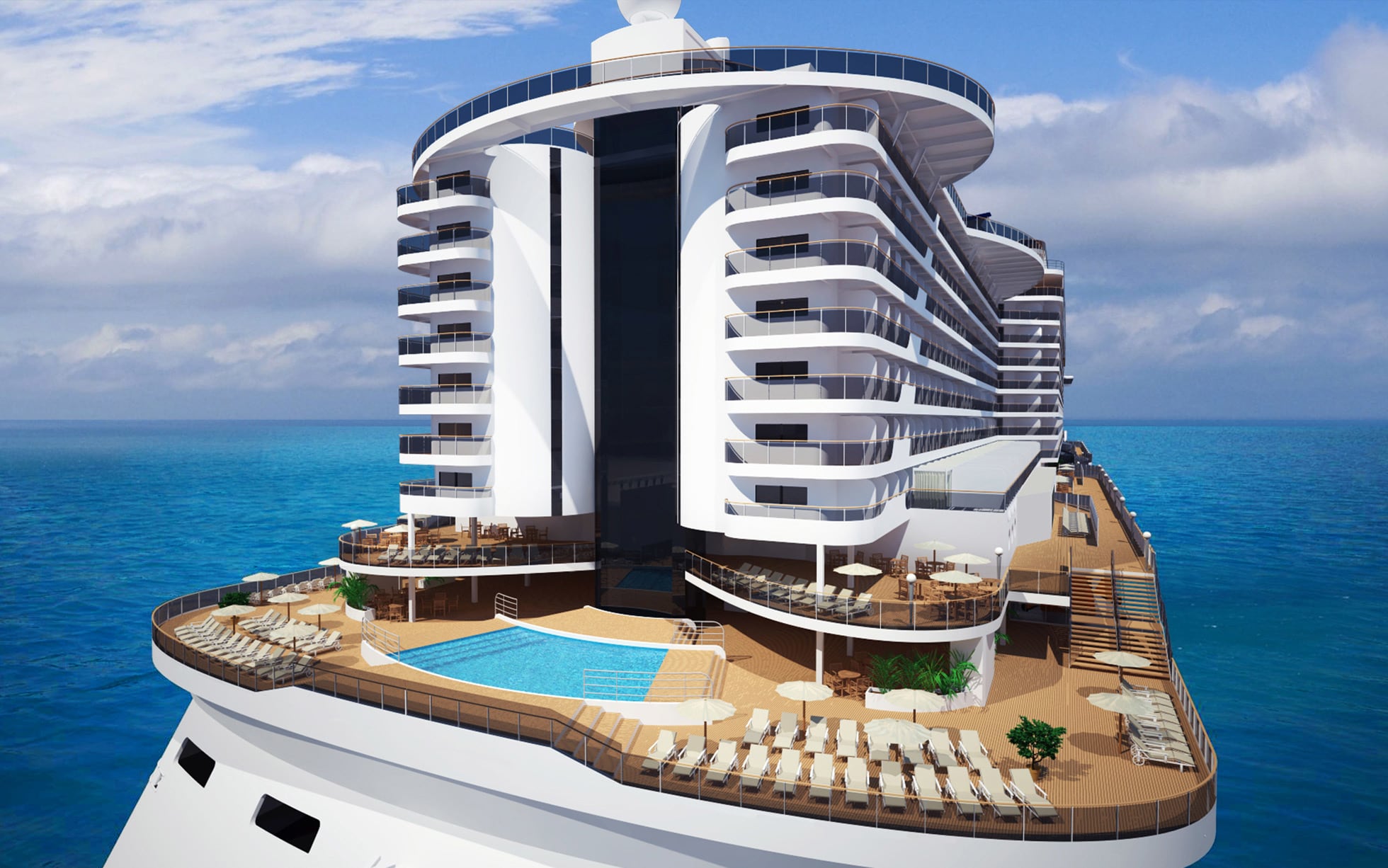
To identify the most luxurious ship is to analyze the brand strategy behind the Seven Seas Grandeur, the Silver Nova, or the Ritz-Carlton Evrima. These ships are the flagship embodiments of corporate identities that seek to redefine prestige through architectural design, service psychology, and a carefully curated brand ecosystem.
The Architecture of Prestige: How Brands Define Luxury at Sea
The branding of an ultra-luxury cruise ship begins long before the first steel is cut. It starts with the identification of a unique value proposition that distinguishes a “luxury” product from a “premium” one. In brand strategy, this is often defined by the “space ratio” and the “crew-to-guest ratio.”
The Space-to-Guest Ratio as a Brand Pillar
For brands like Regent Seven Seas and Silversea, space is the ultimate luxury. Their brand identity is built on the promise of “no crowds.” While a mass-market mega-ship might carry 6,000 passengers, a luxury brand limits its guest count to between 300 and 750 on a similarly sized hull. This low density is a deliberate brand choice that signals exclusivity. When a ship like the Seven Seas Explorer claims to be the most luxurious ever built, it backs this brand promise with the industry’s highest space-to-guest ratios, ensuring that the physical environment reinforces the feeling of a private club rather than a commercial transport.
Service Design and Brand Loyalty
The crew-to-guest ratio—often nearing 1:1 in the ultra-luxury tier—serves as a tangible manifestation of the brand’s commitment to personalized service. Brands like Seabourn and Silversea invest heavily in “intuitive service” training, where staff are taught to anticipate needs before they are articulated. This is a form of brand storytelling through human interaction. By creating a culture of recognition where a butler remembers a guest’s favorite vintage or pillow preference, the brand builds immense equity, leading to industry-leading retention rates.
Regent Seven Seas: The Strategy of All-Inclusive Branding
When discussing the “most luxurious” ship, the Seven Seas Grandeur and its predecessors, the Explorer and Splendor, are frequently at the center of the conversation. Regent’s brand strategy is rooted in the concept of “unrivaled space” and “unlimited inclusions.”
The Regent Suite: An Anchor for Brand Aspiration
A key component of Regent’s branding is the Regent Suite. Spanning over 4,000 square feet and featuring a $200,000 Hästens mattress and an in-suite spa, the suite serves as a “halo product.” Even if the majority of guests do not book the top-tier suite, its existence elevates the entire brand. It sets a ceiling for luxury that justifies the premium pricing of the “standard” suites (which are all balconies). This is a classic brand positioning tactic: use a high-visibility, ultra-exclusive feature to define the luxury parameters of the entire fleet.
The Value Proposition of Total Inclusion
Unlike many other luxury brands that charge for shore excursions or specialty dining, Regent’s brand identity is built on a “total inclusion” model. From a marketing perspective, this removes the “nickel-and-diming” friction that can erode a luxury experience. By bundling business-class airfare, premium spirits, and private tours into the base price, Regent positions itself as the most effortless luxury brand, catering to a demographic that values time and simplicity over granular cost-savings.
The Ritz-Carlton and Four Seasons: The Power of Brand Extension

One of the most significant shifts in the luxury cruise market is the entry of legendary land-based hospitality brands. The Ritz-Carlton Yacht Collection and the upcoming Four Seasons Yachts represent a sophisticated brand extension strategy. These companies are not trying to be “cruise lines”; they are luxury hotel brands that happen to operate at sea.
Translating Land-Based Equity to the Ocean
The Ritz-Carlton Evrima was designed to mirror the aesthetic and service philosophy of a Ritz-Carlton resort. The brand strategy here relies on “brand familiarity.” A loyal Ritz-Carlton customer who may have been hesitant to take a traditional cruise is more likely to trust the brand on water. The design language—muted tones, residential-style layouts, and open-ended dining—intentionally avoids the tropes of traditional ship design to maintain the brand’s corporate identity.
Niche Targeting and the “Yacht” Narrative
Both Ritz-Carlton and Four Seasons utilize the term “yacht” rather than “ship.” This is a deliberate linguistic choice in their brand strategy. “Cruise ship” carries connotations of mass-market tourism, whereas “yacht” implies intimacy, agility, and higher social status. By branding their vessels as yachts, these companies can charge higher per-diems and target a younger, more active affluent demographic that seeks a “lifestyle” experience rather than a “travel” itinerary.
Silversea and the Evolution of Modern Heritage Branding
Silversea, now under the Royal Caribbean Group umbrella, represents a brand that has successfully transitioned from a boutique family-owned identity to a global powerhouse without losing its prestige. Their strategy focuses on “the destination” as the ultimate luxury, facilitated by the most advanced maritime technology.
The Silver Nova: Sustainable Innovation as a Brand Asset
With the launch of the Silver Nova, Silversea introduced an asymmetrical design and a focus on sustainability. From a brand perspective, being “green” is becoming a mandatory luxury trait. By utilizing LNG (Liquefied Natural Gas) and fuel cells, Silversea is positioning itself as a forward-thinking brand. The architecture of the Nova—which features expansive glass and horizontal layouts—aims to “open up” the ship to the destination, a brand promise they call “The Destination Revolution.”
S.A.L.T.: Culinary Branding as a Differentiator
Silversea’s S.A.L.T. (Sea and Land Taste) program is a brilliant example of a brand using content and experience to create a moat. By integrating the culinary heritage of each port into the ship’s restaurants, bars, and labs, Silversea moves beyond “luxury food” to “cultural immersion.” This positions the brand as the choice for the “intellectual traveler,” a specific psychographic that values learning and authenticity over sheer opulence.
The Future of the Luxury Title: ROI on Prestige and Corporate Identity
As the luxury cruise market expands, the definition of the “most luxurious ship” continues to evolve. For the companies involved, the goal is to balance brand prestige with operational profitability.
Maintaining Scarcity in a Growth Market
The challenge for brands like Explora Journeys (the new luxury arm of MSC) is to build brand equity from scratch in a crowded market. Their strategy involves “The Ocean State of Mind,” focusing on wellness and a slower pace of travel. However, they must maintain a sense of scarcity. Luxury brand value is often inversely proportional to availability; as these lines add more ships to their fleets, they must work harder to ensure that the “exclusive” nature of the brand is not diluted.

The Digital Transformation of the Luxury Experience
Finally, technology is becoming a silent partner in luxury branding. The “most luxurious” ship of the future will be the one that uses data and AI to provide invisible, frictionless service. From “Medallion” style wearable tech that unlocks doors and orders drinks automatically to apps that allow for total customization of the suite environment, tech-integration is the new frontier for brand differentiation.
In conclusion, the question of which ship is the most luxurious is ultimately a question of which brand best aligns with the traveler’s personal identity. Whether it is the over-the-top opulence of Regent, the residential elegance of Ritz-Carlton, or the immersive destination focus of Silversea, the “winner” is the brand that successfully manages its corporate identity to create a perceived value that justifies its five-figure price tags. In the business of luxury, the ship is the product, but the brand is the destination.
aViewFromTheCave is a participant in the Amazon Services LLC Associates Program, an affiliate advertising program designed to provide a means for sites to earn advertising fees by advertising and linking to Amazon.com. Amazon, the Amazon logo, AmazonSupply, and the AmazonSupply logo are trademarks of Amazon.com, Inc. or its affiliates. As an Amazon Associate we earn affiliate commissions from qualifying purchases.