
Tax season, for many, evokes a mix of apprehension and obligation. Yet, understanding and fulfilling your tax responsibilities is a fundamental aspect of sound personal and business finance. Far from being a mere chore, filing your tax returns accurately and on time is an opportunity to ensure compliance, potentially secure a refund, and even optimize your financial standing for the future. In the complex landscape of deductions, credits, and evolving regulations, knowing the ‘how-to’ is not just beneficial—it’s essential. This guide will demystify the process, offering a clear, professional, and insightful roadmap to successfully filing your tax returns, ensuring you harness the tools and knowledge needed to manage this crucial financial task with confidence.
Understanding Your Tax Filing Obligations
Before you can even begin to think about filling out forms, it’s crucial to understand why you need to file, what documents are necessary, and the timelines involved. This foundational knowledge is the bedrock of a smooth tax filing experience and helps prevent missteps that could lead to penalties or missed opportunities.
Who Needs to File? Determining Your Filing Status and Requirements
Not everyone is required to file a tax return every year, but a significant majority of individuals and businesses are. Your obligation primarily depends on your gross income, age, and filing status (single, married filing jointly, married filing separately, head of household, or qualifying widow(er)). For instance, if your gross income exceeds a certain threshold—which changes annually—you generally must file. Additionally, if you’re self-employed and net earnings from self-employment are above a minimal amount, or if you had federal income tax withheld from your pay, you likely need to file to claim any refund due. Even if your income is below the filing threshold, you might still want to file to claim refundable credits, like the Earned Income Tax Credit or the Additional Child Tax Credit, which could put money back in your pocket. Understanding these thresholds and your specific circumstances is the first step in determining your filing responsibility.
Key Documents You’ll Need: W-2s, 1099s, and Other Essential Forms
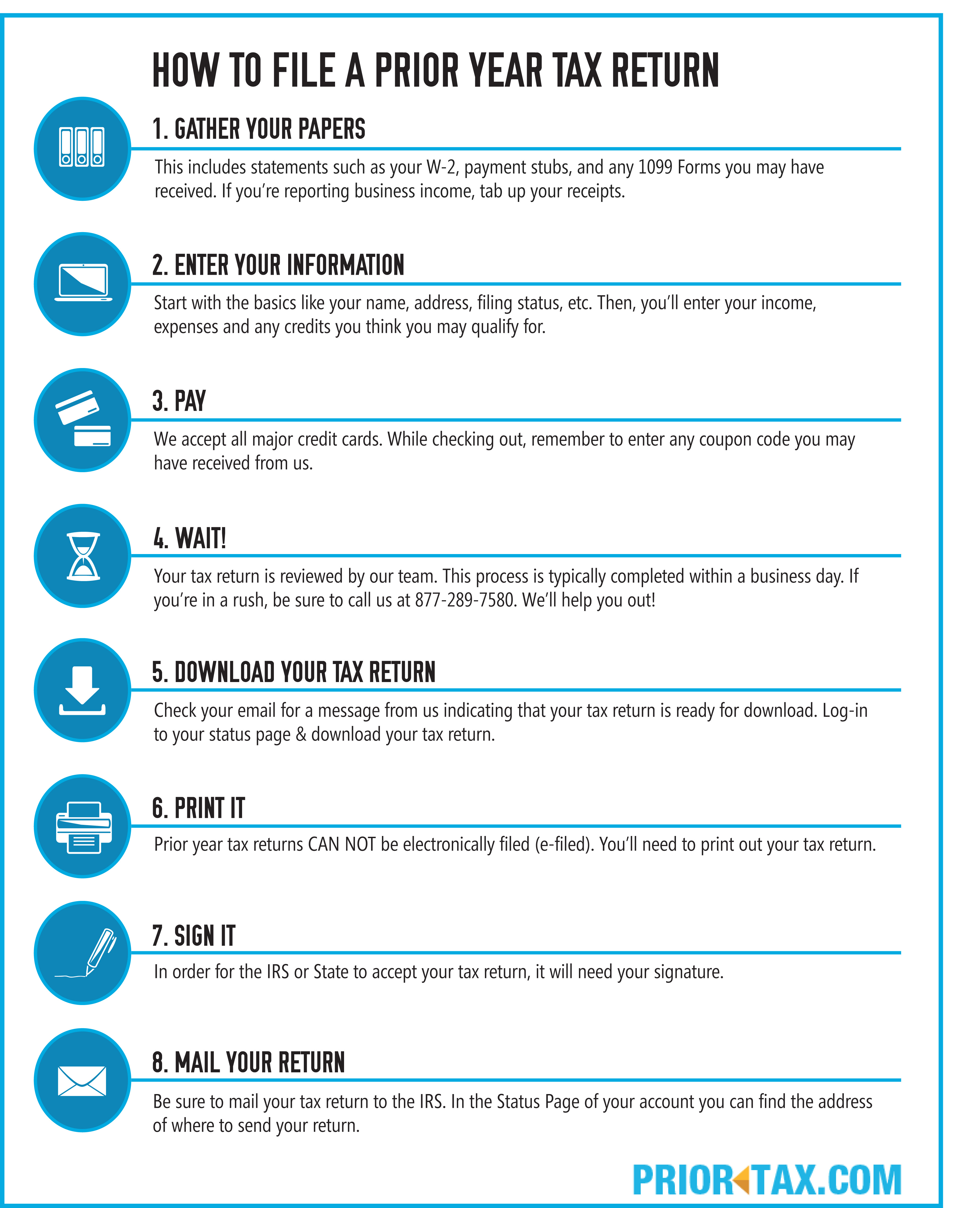
The backbone of your tax return is the collection of income and expense documentation. Beginning the process by gathering these essential forms saves time and reduces stress. Key documents typically include:
- Form W-2, Wage and Tax Statement: Received from your employer(s), this form reports your annual wages and the amount of taxes withheld.
- Forms 1099-NEC, MISC, INT, DIV, B: These forms report various types of non-employee compensation, miscellaneous income, interest income, dividend income, and proceeds from broker and barter exchange transactions, respectively. If you have freelance income, investment income, or received interest from savings accounts, these will be critical.
- Form 1098, Mortgage Interest Statement: If you own a home and have a mortgage, this form details the interest you paid, which may be deductible.
- Form 1098-E, Student Loan Interest Statement: Reports interest paid on student loans, often a valuable deduction.
- Form 1095-A, B, or C, Health Coverage Statements: These confirm your health insurance coverage, which was relevant for the Affordable Care Act’s individual mandate penalty in prior years and remains important for claiming Premium Tax Credits.
- Records of deductions and credits: This includes receipts for charitable contributions, medical expenses, business expenses, and records for dependent care or educational expenses.
Organizing these documents systematically from the outset not only streamlines the filing process but also provides a clear audit trail should the IRS ever have questions.
Important Deadlines to Remember: Staying Compliant and Avoiding Penalties
The IRS operates on a strict annual calendar, and adherence to deadlines is paramount to avoiding penalties. The primary tax filing deadline for most individual taxpayers is typically April 15th of each year for the previous year’s income. If April 15th falls on a weekend or holiday, the deadline shifts to the next business day. For those who cannot meet this deadline, an extension can be filed (Form 4868), which usually grants an additional six months to file, pushing the deadline to October 15th. However, an extension to file is not an extension to pay. If you anticipate owing taxes, you must pay an estimate by the original April 15th deadline to avoid interest and penalties on underpayment. Business deadlines vary depending on the business structure (e.g., partnerships and S-corporations often have a March 15th deadline). Staying informed about these dates is a cornerstone of financial responsibility.
Choosing Your Filing Method: From Traditional to Digital
Once you’ve gathered your documents and understand your obligations, the next decision is how you will actually prepare and submit your return. The options range from manual, paper-based submissions to sophisticated digital tools and professional assistance, each with its own benefits and considerations.
Manual Filing: The Paperwork Path
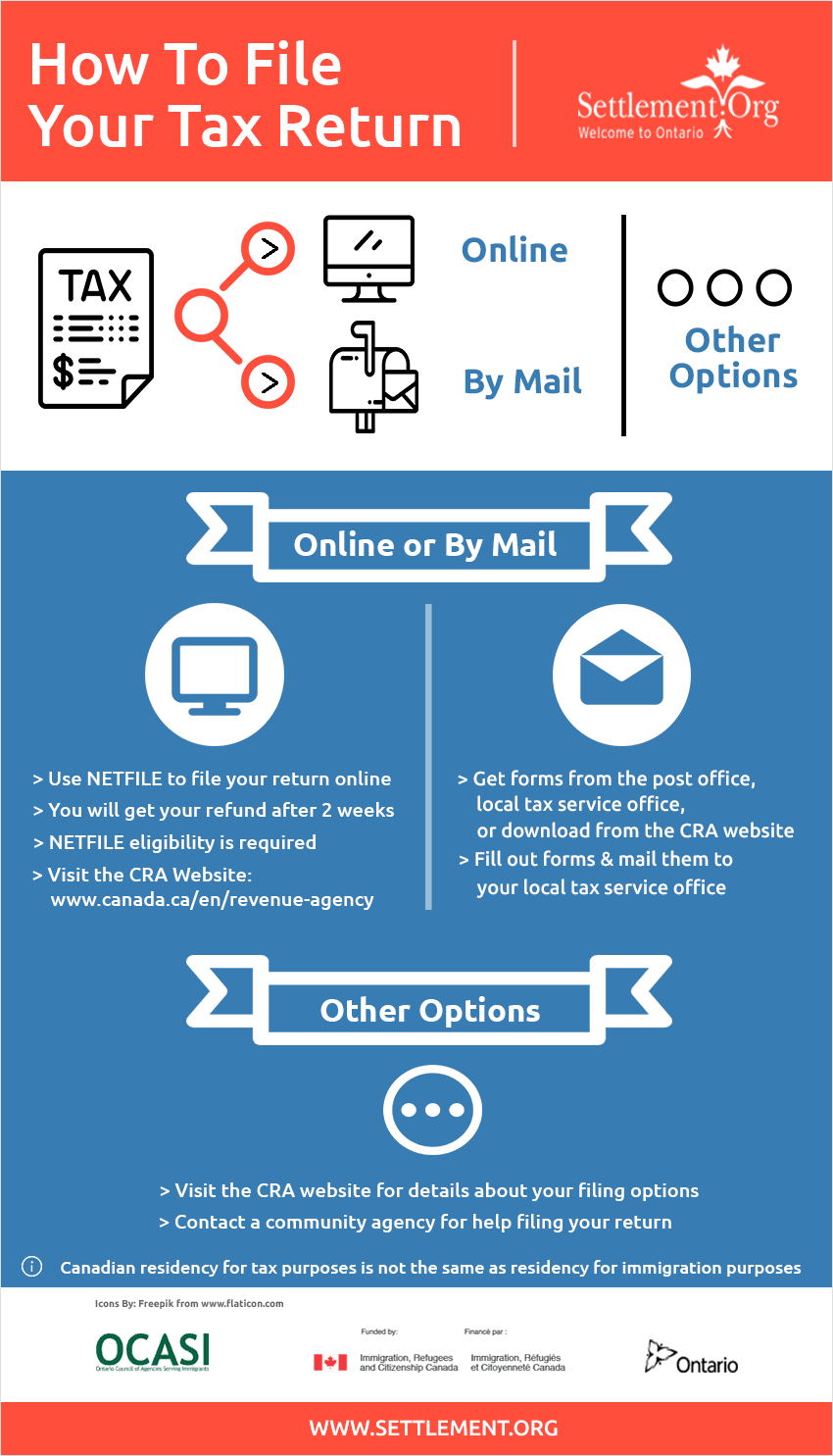
For those who prefer a hands-on approach or have very simple returns, manual filing using paper forms remains an option. You can download forms directly from the IRS website (irs.gov) or obtain them from post offices or public libraries. This method requires careful attention to detail, as all calculations must be performed manually, increasing the potential for errors. After completing the forms, they must be mailed to the appropriate IRS processing center. While seemingly straightforward, the manual process can be time-consuming and offers no built-in error checking, making it less popular in the digital age.
Tax Software: Leveraging Technology for Accuracy and Efficiency
The vast majority of taxpayers today opt for tax preparation software. Solutions like TurboTax, H&R Block Tax Software, TaxAct, and FreeTaxUSA guide users through the process step-by-step, asking questions in plain language and populating the correct forms automatically. These platforms are designed to maximize accuracy, identify potential deductions and credits you might miss, and perform complex calculations instantly. Many also offer direct e-filing, which is faster, more secure, and provides immediate confirmation of submission. Some software even allows you to import data directly from financial institutions or previous year’s returns, significantly streamlining data entry. For many taxpayers, especially those with moderately complex financial situations, tax software offers an optimal balance of cost-effectiveness, control, and peace of mind. Moreover, the IRS Free File program provides free tax software options for eligible taxpayers based on income level.
Professional Tax Preparers: When to Seek Expert Assistance
For individuals with complex tax situations—such as owning multiple businesses, significant investment portfolios, international income, or experiencing major life changes like marriage or divorce—the expertise of a professional tax preparer can be invaluable. Certified Public Accountants (CPAs), Enrolled Agents (EAs), and other qualified tax professionals can navigate intricate tax codes, offer personalized advice, and represent you before the IRS if necessary. While this option is typically the most expensive, the benefits can include maximized refunds, minimized liabilities, expert tax planning, and the assurance that your return is prepared correctly and compliantly. When choosing a preparer, look for credentials, experience, and a clear understanding of their fee structure.
Step-by-Step Guide to Preparing Your Tax Return
Regardless of the method you choose, the core process of preparing your tax return follows a logical sequence. Adhering to these steps will help ensure a thorough and accurate submission.
Gathering All Income and Deduction Information
This critical first step involves consolidating all the documents discussed earlier (W-2s, 1099s, 1098s, etc.). It’s not just about income; meticulously collecting records for potential deductions and credits is equally important. This might include:
- Receipts for medical expenses (if exceeding a certain percentage of AGI).
- Records of state and local taxes paid.
- Documentation for charitable cash and non-cash contributions.
- Records of education expenses (tuition, fees, books).
- Childcare expenses for dependents.
- Business expenses for self-employed individuals.
A comprehensive collection ensures you don’t overlook any opportunities to reduce your taxable income or increase your refund.

Calculating Your Tax Liability (or Refund!)
With all data in hand, the next phase involves translating that information into numbers on tax forms. Whether you’re using software or working with a professional, the fundamental calculations involve:
- Determining Gross Income: Summing all sources of taxable income.
- Calculating Adjusted Gross Income (AGI): Subtracting “above-the-line” deductions (e.g., IRA contributions, student loan interest) from gross income. AGI is a critical figure that impacts eligibility for many credits and deductions.
- Choosing Between Standard and Itemized Deductions: Deciding whether to take the standard deduction (a fixed amount based on your filing status) or itemize (listing out specific deductible expenses like mortgage interest, state and local taxes, and charitable contributions). You’ll typically choose whichever results in a lower taxable income.
- Calculating Taxable Income: Subtracting your chosen deductions from your AGI.
- Applying Tax Brackets: Using your taxable income and filing status to determine your gross tax liability based on the progressive tax system.
- Applying Credits: Subtracting any applicable tax credits (e.g., Child Tax Credit, Earned Income Tax Credit, education credits). Credits directly reduce your tax liability dollar-for-dollar, making them more valuable than deductions.
- Comparing to Withholdings/Estimated Payments: Finally, comparing your total tax liability to the amount of federal income tax already withheld from your paychecks or paid through estimated tax payments. If you paid more than you owe, you get a refund. If you paid less, you owe money.
Reviewing for Accuracy and Completeness: The Critical Final Check
Before clicking “submit” or dropping your envelope in the mail, a meticulous review is non-negotiable. Even the most sophisticated software can’t catch every human error.
- Double-check all personal information: Names, Social Security numbers, addresses, and bank account details for direct deposit.
- Verify income figures: Cross-reference amounts from W-2s and 1099s against your tax forms.
- Review all deductions and credits: Ensure you qualify for everything claimed and that the amounts are correct.
- Look for common mistakes: Missing signatures, incorrect math, or attaching the wrong forms.
- Compare to previous years: If your financial situation hasn’t drastically changed, a sudden, significant shift in refund or liability might indicate an error.
This final check is your last line of defense against potential IRS notices, delays, or even audits.
Maximizing Your Refund or Minimizing Your Liability
Tax filing isn’t just about compliance; it’s also a powerful tool for financial planning. Understanding and leveraging available deductions and credits can significantly impact your financial outcome.
Exploring Common Deductions and Credits
- Deductions: These reduce your taxable income. Examples include contributions to traditional IRAs, student loan interest, health savings account (HSA) contributions, and certain educator expenses. If you itemize, you might deduct mortgage interest, state and local taxes (SALT cap applies), and significant medical expenses.
- Credits: These directly reduce the amount of tax you owe, dollar for dollar. Examples include the Child Tax Credit, Earned Income Tax Credit (for low to moderate-income individuals/families), education credits (e.g., American Opportunity Tax Credit, Lifetime Learning Credit), and dependent care credits. Understanding which credits you qualify for is crucial, as some are refundable, meaning you can get money back even if you owe no tax.
Proactively tracking these expenses throughout the year can make a substantial difference when tax season arrives.
Understanding Tax Planning Strategies for the Future
Effective tax planning extends beyond the current filing season. It involves making financial decisions throughout the year with an eye towards their tax implications.
- Retirement Contributions: Maxing out contributions to 401(k)s, IRAs, or HSAs can reduce your taxable income in the current year and provide tax-advantaged growth for the future.
- Harvesting Losses: Selling investments at a loss to offset capital gains or a limited amount of ordinary income.
- Charitable Giving: Strategically planning charitable contributions can provide tax benefits, especially if you can bunch deductions or utilize donor-advised funds.
- Considering a Roth vs. Traditional IRA: Understanding the difference in tax treatment (tax-free withdrawals in retirement vs. upfront deduction) can influence your choice based on anticipated future tax rates.
- Adjusting Withholdings: Periodically reviewing your W-4 form with your employer can ensure the right amount of tax is withheld, avoiding a large tax bill or a needlessly large refund (which essentially means giving the government an interest-free loan).
These strategies are best implemented with a forward-looking perspective, often with the guidance of a financial advisor.
What to Do if You Owe Money: Payment Options and Plans
Discovering you owe taxes can be daunting, but the IRS offers several ways to pay.
- Direct Pay: Electronic funds withdrawal directly from your bank account when e-filing.
- IRS Direct Pay: A free online service to pay directly from your checking or savings account.
- Debit/Credit Card: Payments can be made via third-party processors, often with a small fee.
- Payment Plans: If you cannot pay the full amount by the deadline, you can apply for a short-term payment plan (up to 180 days) or an Offer in Compromise (OIC), which allows certain taxpayers to resolve their tax liability with the IRS for a lower amount than what they originally owed. You can also set up an installment agreement if you need more time. Ignoring a tax bill is the worst possible approach, as penalties and interest will accrue rapidly. Proactive communication with the IRS is key.
After You File: What to Expect and How to Stay Organized
Submitting your return isn’t the absolute final step. There are still a few post-filing considerations, from tracking your refund to knowing how to respond if the IRS reaches out.
Tracking Your Refund Status
If you’re expecting a refund and e-filed your return, you can typically track its status within 24-48 hours using the IRS “Where’s My Refund?” tool on irs.gov. For paper-filed returns, it may take up to four weeks before information is available. Direct deposit is the fastest way to receive a refund, often within 21 days for e-filed returns. This tool provides real-time updates, indicating when your refund has been received, approved, and sent.
Responding to IRS Notices: Don’t Panic!
Receiving a letter from the IRS can be unsettling, but it’s important to remain calm. Many notices are routine requests for additional information, clarifications, or adjustments due to minor discrepancies.
- Read the notice carefully: Understand why the IRS is contacting you.
- Don’t ignore it: Responding promptly, usually within the specified timeframe (e.g., 30 days), is crucial.
- Keep copies: Always retain copies of the notice and your response for your records.
- Seek professional help: If the notice is complex or you’re unsure how to respond, consult with a tax professional. Ignoring notices can lead to more severe penalties and enforcement actions.
Record Keeping for Future Reference and Audits
The IRS generally has three years from the date you file to audit your return, though this period can extend in cases of substantial underreporting of income or fraud. Therefore, maintaining meticulous records is paramount.
- Keep all tax returns and supporting documents: This includes W-2s, 1099s, receipts for deductions, bank statements, and any communication with the IRS.
- Store securely: Whether digitally or physically, ensure these documents are safe from damage, loss, or unauthorized access. Digital copies (scans) are often preferred for ease of access and space-saving.
- Organize systematically: A clear organizational system will save immense time and stress if you ever need to retrieve specific documents.
Proper record-keeping provides peace of mind and is your best defense in the unlikely event of an audit, demonstrating diligence and accuracy in your financial affairs.
Conclusion
Navigating the annual ritual of filing tax returns can appear daunting, but by understanding your obligations, choosing the right tools, and approaching the process systematically, it transforms from a feared chore into a manageable financial task. From gathering your initial documents to strategically planning for future tax implications, each step in this comprehensive guide is designed to empower you with the knowledge needed for confident and compliant tax filing. Remember, proactive preparation, meticulous record-keeping, and leveraging available resources—whether it be cutting-edge software or expert professional advice—are your greatest allies in maximizing your financial health. Embracing this responsibility is not just about fulfilling a legal requirement; it’s about taking control of a fundamental aspect of your personal and business finance, paving the way for greater financial clarity and security.
aViewFromTheCave is a participant in the Amazon Services LLC Associates Program, an affiliate advertising program designed to provide a means for sites to earn advertising fees by advertising and linking to Amazon.com. Amazon, the Amazon logo, AmazonSupply, and the AmazonSupply logo are trademarks of Amazon.com, Inc. or its affiliates. As an Amazon Associate we earn affiliate commissions from qualifying purchases.