
Navigating the landscape of car insurance can often feel like deciphering a complex financial puzzle. Among the industry giants, Progressive stands out as a household name, synonymous with extensive advertising and innovative pricing models. For countless drivers, the pressing question isn’t just “how much is car insurance generally?” but rather, “how much is car insurance for Progressive?” This isn’t a simple query with a single answer, as Progressive, like all insurers, tailors its premiums to a multitude of individual risk factors. Understanding these variables, and how Progressive specifically assesses them, is the key to both anticipating your costs and uncovering potential savings.
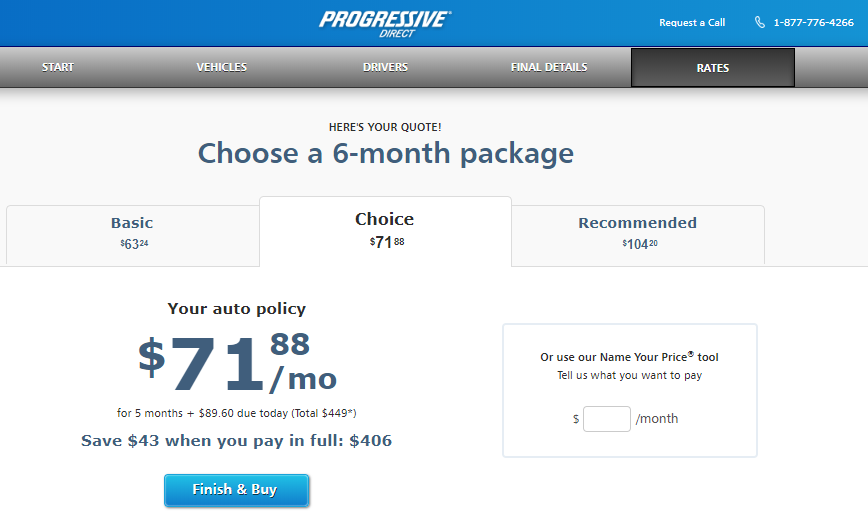
This comprehensive guide delves into the financial mechanics behind Progressive’s car insurance pricing. We’ll explore the core elements that influence your premium, dissect common cost ranges, and, crucially, provide actionable insights into how you can potentially lower your rates with one of the nation’s leading insurance providers. From understanding their unique discount programs to leveraging their technological tools, our aim is to empower you with the knowledge to make informed financial decisions about your car insurance.
Understanding Progressive’s Car Insurance Model
At its core, car insurance is about risk assessment. Insurers like Progressive predict the likelihood of a claim and price their policies accordingly. However, Progressive has carved out a distinct identity through its transparent approach to helping consumers compare rates and its pioneering use of telematics, which directly influences how much you might pay.
Progressive’s Approach to Risk Assessment
Progressive employs sophisticated actuarial science to evaluate the potential risk each applicant presents. This involves analyzing vast datasets to identify correlations between various personal and historical factors and the likelihood of future claims. Unlike some traditional models, Progressive has historically leaned into providing consumers with more data and comparison tools, even showing competitors’ rates, which fosters a sense of transparency about the market average, while still meticulously calculating their own offering. Their risk assessment isn’t static; it’s continuously refined to ensure competitive and accurate pricing. This dynamic approach means that your premium isn’t just a number; it’s a reflection of a detailed financial projection based on your specific profile.
Key Factors Influencing Your Premium
While the exact algorithms are proprietary, a universal set of factors significantly influences your car insurance premium with Progressive, as with any insurer. These elements are the building blocks of your financial obligation:
- Driving History: This is arguably the most impactful factor. A clean record with no accidents or moving violations typically translates to lower rates. Conversely, a history of claims, traffic tickets, or DUIs will significantly drive up costs due to the increased perceived risk.
- Location: Where you live, work, and park your vehicle matters. Urban areas with higher traffic density, crime rates, and severe weather patterns often lead to higher premiums than rural areas. State and even ZIP code-specific regulations and claim frequencies play a crucial role.
- Age and Gender: Younger, less experienced drivers (especially males under 25) typically face higher rates due to statistical evidence of increased accident involvement. Rates tend to decrease as drivers mature and gain more experience, stabilizing in middle age before potentially increasing slightly in very senior years.
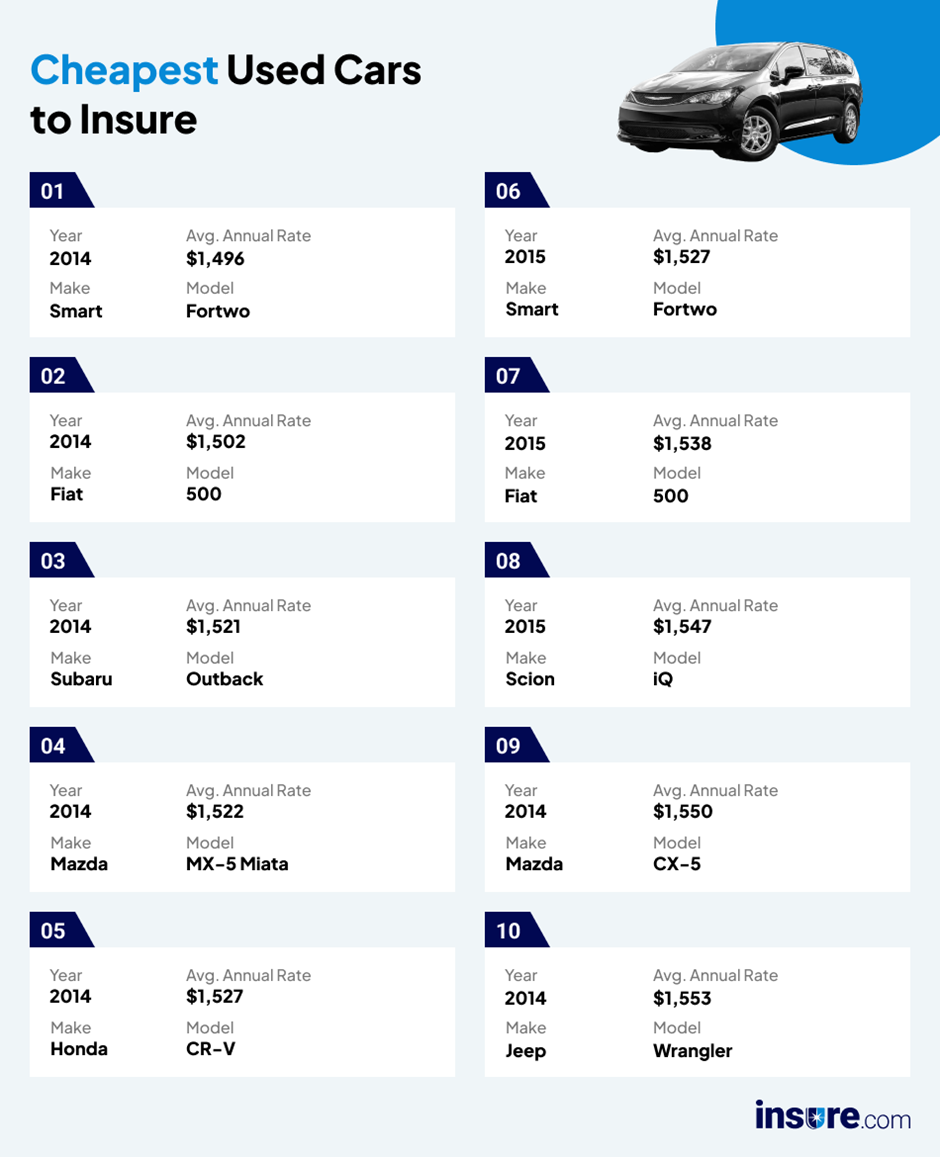
- Vehicle Type: The make, model, year, safety features, and even the color of your car can affect your premium. More expensive cars, sports cars, vehicles with high theft rates, or those that are costly to repair will generally have higher insurance costs.
- Credit Score (where permitted): In many states, insurers use a credit-based insurance score as a predictor of claim likelihood. A higher credit score often correlates with a lower premium, reflecting financial responsibility.
- Coverage Levels and Deductibles: The amount and type of coverage you choose (liability, collision, comprehensive, uninsured motorist, medical payments, etc.) directly impact your cost. Higher coverage limits and lower deductibles mean more financial protection for you, but also a higher premium for Progressive.
The Snapshot Program and Usage-Based Insurance
One of Progressive’s most notable innovations in pricing is its Snapshot program. This usage-based insurance (UBI) tool allows drivers to potentially save money by demonstrating safe driving habits. By using a mobile app or a device plugged into your car’s OBD-II port, Snapshot monitors various aspects of your driving, including:
- Mileage: How much you drive.
- Time of Day: Driving during peak hours or late at night.
- Hard Braking: Sudden, aggressive stops.
- Rapid Acceleration: Quick, forceful acceleration.
- Phone Usage: In some iterations, it might detect distracted driving (e.g., using a phone while driving).
While participation in Snapshot can lead to significant savings for safe drivers, it’s also important to understand that in some cases, aggressive driving detected by the program could potentially lead to a higher premium at renewal. It’s a direct financial incentive for responsible driving and a core component of Progressive’s data-driven pricing strategy.
Deconstructing Progressive Car Insurance Costs
Because premiums are so individualized, it’s challenging to provide a single “average” cost for Progressive car insurance. However, by examining general trends and the influence of specific profiles and choices, we can offer a more granular understanding of what you might expect to pay.
Average Costs by Driver Profile
General data suggests that Progressive’s premiums can vary wildly based on individual circumstances.
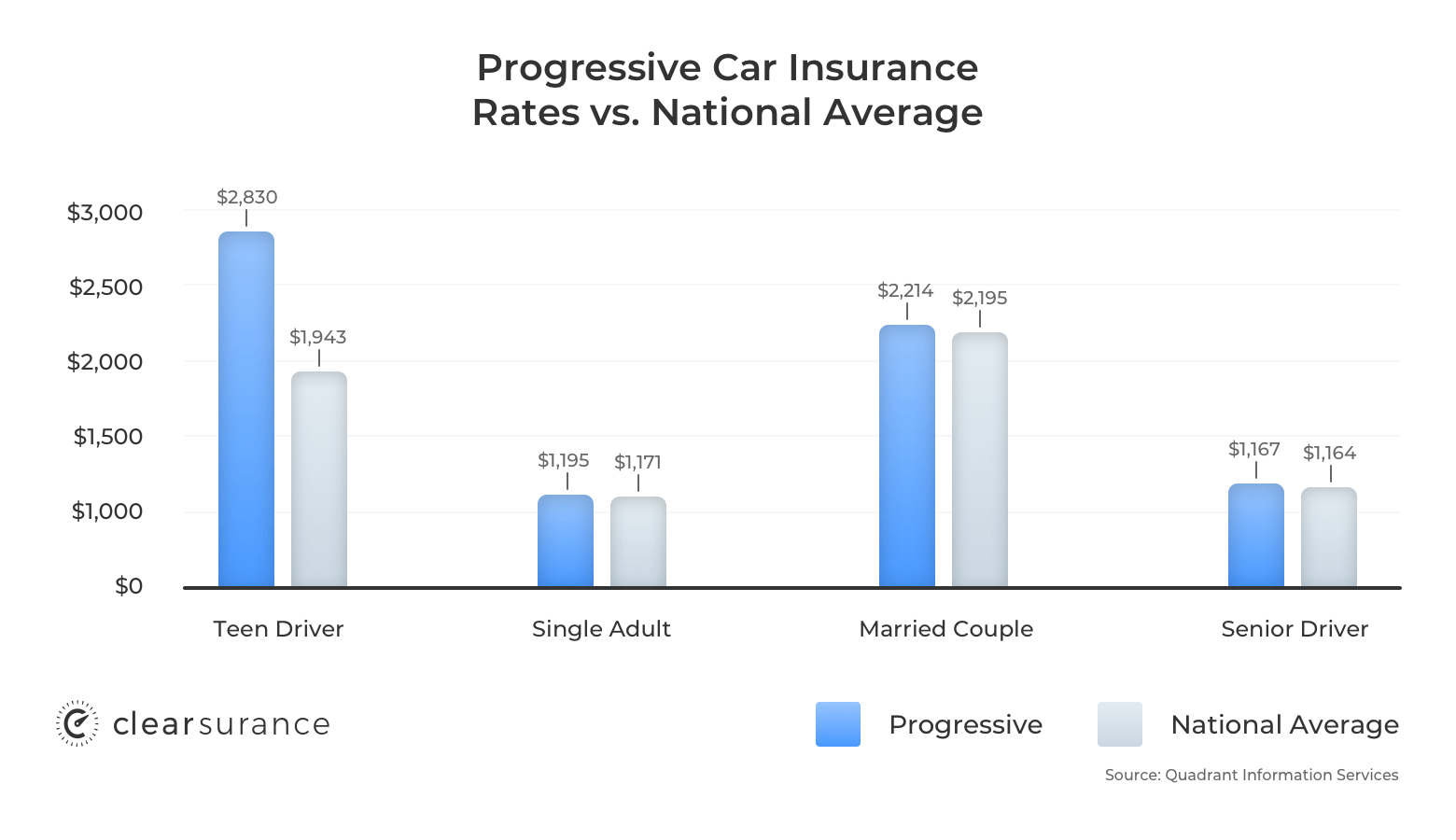
- Young Drivers (16-24): This demographic typically faces the highest rates. A 16-year-old on their own policy could pay upwards of $4,000-$7,000 annually, while a 20-year-old might see rates in the $2,500-$5,000 range. Adding a young driver to a parent’s policy is often a more financially savvy option.
- Adult Drivers (25-60): As drivers mature and gain experience, their rates generally decrease. A driver in their 30s or 40s with a clean record might pay between $1,500 and $2,500 per year, depending heavily on location and coverage choices.
- Senior Drivers (60+): Rates for seniors can remain stable or even continue to decrease until a certain age, often around 70 or 75, after which they might begin to rise again due to age-related risk factors. Costs could range from $1,600 to $3,000 annually.
- Location: Drivers in high-cost states like Michigan, Florida, and Louisiana often pay significantly more (potentially $3,000-$5,000+) than those in lower-cost states like Ohio or Maine ($1,000-$1,800). Even within states, urban areas versus rural areas can see hundreds of dollars difference.
- Driving History: A single at-fault accident can increase premiums by 30-50% or more for several years. A DUI could lead to a 50-100% increase and difficulty obtaining coverage.
These figures are broad estimates. Your actual quote from Progressive will be precisely tailored to your unique data points.
Impact of Vehicle Type and Coverage Levels
The car you drive and the financial protection you choose are fundamental cost drivers:
- Vehicle Type:
- Expensive/Luxury Cars: Higher value means higher replacement costs and typically higher collision and comprehensive premiums.
- Sports Cars: Often associated with higher speeds and risks, leading to elevated rates.
- Cars with High Theft Rates: More likely to be stolen, increasing comprehensive coverage costs.
- Vehicles with Advanced Safety Features: Can sometimes lower rates, as these features reduce the likelihood of accidents or injuries.
- Coverage Levels:
- State Minimum Liability: The cheapest option, but offers minimal financial protection for you in an at-fault accident.
- Full Coverage (Liability, Collision, Comprehensive): Significantly increases premiums but provides comprehensive financial safeguards for your vehicle and liability. This can add hundreds to over a thousand dollars to your annual premium compared to liability-only.
- Higher Limits: Increasing your liability limits from state minimums to higher amounts (e.g., $100k/$300k bodily injury, $100k property damage) will increase your premium, but provides crucial financial protection against potentially catastrophic lawsuits.
- Lower Deductibles: Choosing a $250 or $500 deductible instead of a $1,000 or $2,500 deductible for collision and comprehensive coverage will result in higher premiums, as Progressive will pay more out-of-pocket in the event of a claim.
Exploring Progressive’s Discount Programs
Progressive is known for its wide array of discounts, which can significantly reduce your premium. Actively seeking out and qualifying for these can be a powerful financial strategy. Common discounts include:
- Multi-Policy Discount (Bundling): One of the largest potential savings, achieved by combining your car insurance with homeowners, renters, RV, boat, or motorcycle insurance with Progressive.
- Multi-Car Discount: Insuring more than one vehicle on the same policy.
- Snapshot Discount: As mentioned, for safe driving habits.
- Continuous Coverage Discount: For maintaining continuous car insurance coverage without gaps.
- Good Student Discount: For full-time students who maintain a B average or better.
- Student Away at School Discount: For students under 22 who live over 100 miles from home and don’t take their car to school.
- Homeowner Discount: For owning a home, even if your home insurance is not with Progressive.
- Online Quote/Sign Discount: For initiating and purchasing your policy online.
- Paperless Discount: For opting to receive documents electronically.
- Pay in Full Discount: For paying your entire premium upfront rather than in monthly installments.
- Automatic Payment Discount: For setting up recurring payments from your bank account.
- Loyalty Discount: For being a long-term customer (though this varies).
Always ask your Progressive agent or check their website for the full list of available discounts, as they can vary by state and policy type.
Maximizing Savings with Progressive
Beyond simply knowing what influences your rates, proactive financial planning and smart choices can lead to substantial savings with Progressive. The company itself provides many tools and incentives to help you lower your costs, provided you know how to leverage them.
Leveraging Progressive’s Bundling Options
The multi-policy discount, often referred to as “bundling,” is typically the most impactful way to save money with Progressive. The concept is simple: by purchasing multiple insurance policies (e.g., auto, home, renters, motorcycle) from Progressive, you’re rewarded with a significant discount on each policy. This isn’t just about convenience; it’s a strategic financial move. Progressive benefits from having more of your business, and they pass those savings on to you. For a typical customer, bundling can lead to savings of 5% to 25% or more across all policies, representing hundreds of dollars annually. It’s always worth getting a quote for all your insurance needs from Progressive to see the compounded savings.
The Power of Loyalty and Multi-Policy Discounts
While bundling is a type of multi-policy discount, Progressive also values customer loyalty. While not as prominently advertised as some other discounts, staying with Progressive for multiple years can sometimes unlock additional, albeit smaller, loyalty discounts at renewal. Combining this with insuring multiple vehicles under one policy further strengthens your financial position with the insurer. The multi-car discount, in particular, is an easy win for households with two or more vehicles, providing an immediate reduction in the per-vehicle premium. These stacking discounts exemplify how maintaining a long-term, comprehensive relationship with Progressive can yield ongoing financial benefits.
Smart Driving Habits and Progressive’s UBI
The Snapshot program is more than just a data collection tool; it’s a direct pathway to financial savings through improved driving behavior. For drivers committed to safe habits, Snapshot can be a game-changer. By avoiding hard brakes, rapid accelerations, and late-night driving, and generally driving fewer miles, you can demonstrate to Progressive that you are a lower risk. This directly translates into a personalized discount on your premium, often at renewal. Participating in Snapshot isn’t just about saving money; it’s about fostering safer driving, which has broader financial implications for avoiding accidents, deductibles, and potential rate hikes. For financially conscious drivers, it’s a tangible way to put your good habits directly into your wallet.
Navigating the Quote Process and Beyond
Obtaining an accurate quote is the first step, but the financial management of your car insurance extends beyond that initial price. Understanding how to compare, review, and adjust your policy ensures you’re always getting the best financial value.
Getting an Accurate Progressive Quote
Progressive prides itself on an easy-to-use online quoting system. To get the most accurate estimate, have the following information ready:
- Personal Information: Name, address, date of birth, marital status, occupation, driver’s license number for all drivers on the policy.
- Vehicle Information: Make, model, year, VIN, primary use (commute, pleasure, business), annual mileage for all vehicles.
- Driving History: Details of any accidents, tickets, or claims in the past 3-5 years.
- Current Insurance Information: Your current insurer and policy details (if applicable) to ensure continuous coverage.
- Desired Coverage Limits: Your preferred liability, collision, comprehensive, and other optional coverage limits and deductibles.
Be as honest and detailed as possible. Inaccuracies can lead to discrepancies between your quote and your final premium, or even policy cancellation. Progressive’s online “Name Your Price” tool and comparison features can also help you understand how different coverage levels affect your budget.
Comparing Progressive with Other Insurers
While Progressive aims to be competitive, it’s financial best practice to always shop around. Use Progressive’s own comparison tools, but also obtain quotes from at least two to three other reputable insurers. Factors like your specific driver profile, vehicle, and location can make one insurer significantly cheaper than another for identical coverage. Comparing not just the total premium but also the discounts offered and the service reputation is crucial for a well-rounded financial decision. Remember that the cheapest option isn’t always the best if it sacrifices essential coverage or reliable customer service during a claim.
When to Review and Adjust Your Policy
Your car insurance needs and the market change over time. Financially savvy individuals review their policy regularly, ideally annually or whenever significant life events occur:
- Annually at Renewal: Always compare your renewal offer against fresh quotes from other insurers, including Progressive itself.
- Major Life Changes:
- Marriage/Divorce: Can alter household risk profiles and potentially unlock new discounts.
- Moving: A change of address (even within the same city) can significantly impact rates.
- New Vehicle: Always get a quote before buying a new car to understand the insurance cost.
- Teen Driver: Adding a young driver demands an immediate policy review.
- Kids Leave Home/College: Can lead to removal of young drivers and potential savings.
- Changed Commute/Job: If you drive less, you might qualify for lower mileage discounts.
- Improved Credit Score: If your credit score has significantly improved, it might be worth re-quoting.
- Policy Violation/Claim Free Period Ends: After an accident or ticket drops off your record (typically 3-5 years), your rates might decrease.
Reviewing your policy ensures you’re not overpaying for coverage you no longer need or under-insuring yourself against new risks. It’s an ongoing aspect of personal financial management.
The Financial Prudence of Choosing Progressive
Ultimately, the decision to choose Progressive for your car insurance boils down to a balance of cost, coverage, and the company’s unique offerings. Making a financially prudent choice requires more than just looking at the bottom line; it involves understanding the value proposition.
Balancing Cost with Coverage Needs
The allure of low premiums is strong, but it’s vital not to compromise essential coverage for a slightly cheaper rate. Skimping on liability limits, for example, could leave you financially devastated in the event of a serious at-fault accident. Progressive offers a wide range of coverage options, from bare-bones state minimums to robust full coverage packages. A financially savvy approach involves assessing your personal assets, risk tolerance, and state requirements to determine the optimal level of coverage. Don’t just ask “how much is it?”; ask “how much financial protection do I get for this price?” Progressive’s tools can help you visualize how different coverage levels impact your premium, enabling you to make an informed financial decision.
Understanding Policy Limits and Deductibles
Diving deeper into your policy’s financial components means understanding limits and deductibles.
- Limits: These are the maximum amounts Progressive will pay out for a covered claim. Higher limits mean greater financial protection for you in the event of a major accident, but also a higher premium. It’s often financially wise to opt for limits significantly above state minimums, especially if you have substantial assets to protect.
- Deductibles: This is the amount you pay out-of-pocket before your insurance kicks in for collision and comprehensive claims. A higher deductible (e.g., $1,000) results in a lower premium, but means you’ll pay more upfront if you file a claim. A lower deductible (e.g., $250) means a higher premium but less out-of-pocket during a claim. Your choice should align with your emergency fund and ability to cover unexpected expenses. A higher deductible is a form of self-insurance, requiring you to have the cash readily available.
Long-Term Value vs. Short-Term Savings
Choosing car insurance isn’t just about the immediate monthly or annual premium. It’s about the long-term financial relationship and the value you receive. Progressive’s innovative tools like Snapshot, their extensive discount programs, and their robust online presence can offer significant long-term value. While another insurer might offer a slightly cheaper initial quote, Progressive’s ability to reward safe driving, offer substantial bundling discounts, and provide consistent service could yield greater overall financial benefits over time. Consider the ease of managing your policy, the claims process reputation, and the potential for future savings and flexibility when making your final financial decision.
In conclusion, understanding “how much is car insurance for Progressive” requires a deep dive into individual circumstances, an awareness of the company’s unique pricing models and discounts, and a commitment to proactive financial management. By leveraging the information and strategies outlined here, you can navigate the complexities of car insurance with confidence, ensuring you secure the best possible rates and robust financial protection for your vehicle.
aViewFromTheCave is a participant in the Amazon Services LLC Associates Program, an affiliate advertising program designed to provide a means for sites to earn advertising fees by advertising and linking to Amazon.com. Amazon, the Amazon logo, AmazonSupply, and the AmazonSupply logo are trademarks of Amazon.com, Inc. or its affiliates. As an Amazon Associate we earn affiliate commissions from qualifying purchases.