
In an increasingly complex financial world, mastering your money is not just a goal; it’s a necessity. At the heart of financial mastery lies the humble, yet incredibly powerful, budget plan. A budget is more than just a list of numbers; it’s a roadmap that guides your financial journey, helping you understand where your money comes from, where it goes, and how you can direct it towards your aspirations. Whether you’re aiming to save for a down payment, pay off debt, build an emergency fund, or simply gain control over your spending, a well-formed budget plan is the foundational step.
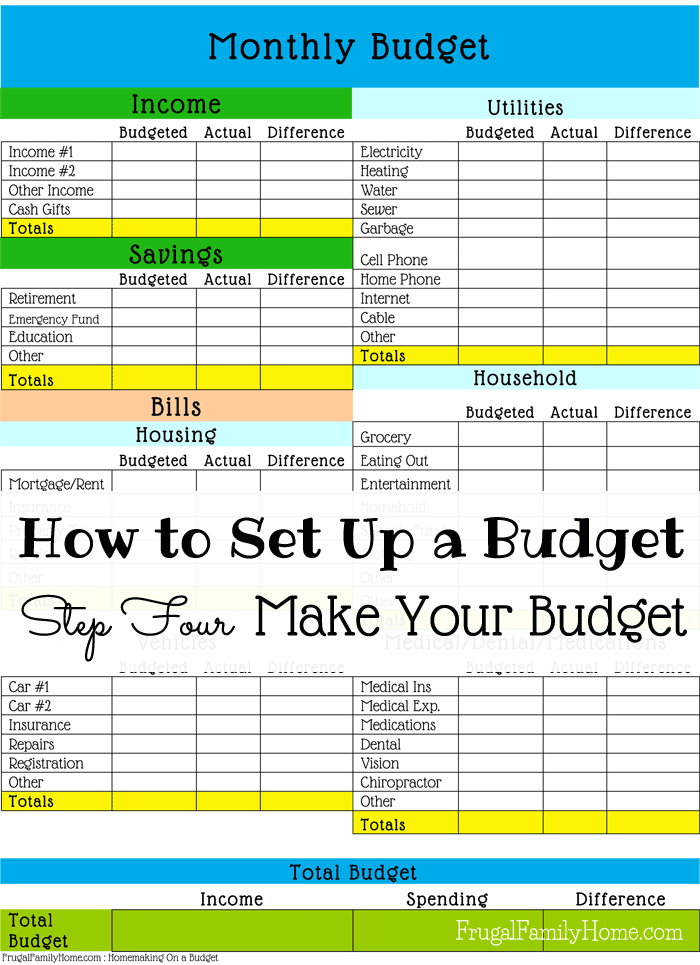
Many people approach budgeting with trepidation, viewing it as restrictive or tedious. However, when approached with the right mindset and tools, budgeting transforms into an empowering process that illuminates your financial health and empowers you to make informed decisions. This comprehensive guide will demystify the process, providing a structured approach to forming a budget plan that is not only effective but also sustainable and tailored to your unique financial landscape. By the end, you’ll have the knowledge and framework to create a budget that works for you, transforming financial uncertainty into clarity and control.
Understanding Your Financial Landscape
Before you can chart a course, you must first know your starting point. The initial phase of forming a budget plan involves a deep dive into your current financial situation, providing a clear picture of your income and expenditures. This step is crucial for establishing realistic goals and identifying areas for potential adjustment.
Tracking Income Sources
The first component of any budget is your income. It’s essential to have a precise understanding of all the money flowing into your accounts. This isn’t always as straightforward as it seems, especially if you have multiple income streams or irregular paychecks.
- Primary Income: For most, this will be your salary or wages from your main job. If you’re a salaried employee, this is a fixed amount. If you’re paid hourly, contractually, or on commission, you’ll need to calculate an average monthly income or use the lowest expected amount to be conservative. Always consider your net income – the amount you actually receive after taxes, insurance, and other deductions.
- Secondary Income: Do you have a side hustle, freelance work, rental income, alimony, child support, or investment dividends? Account for all of these. If these are variable, again, aim for a conservative estimate.
- Irregular Income: Sometimes, you might receive bonuses, tax refunds, or gifts. While these are welcome additions, it’s generally best not to factor them into your regular monthly budget. Instead, consider them a bonus to be allocated towards specific savings goals or debt repayment when they arrive, outside of your core budget plan.
Accurately tallying all income sources provides the total financial inflow you have to work with each month. This figure serves as the ceiling for your spending and savings.
Cataloging Expenses: Fixed vs. Variable
Once you know what’s coming in, the next critical step is to understand what’s going out. This involves a thorough review of all your expenses, categorizing them to gain insight into your spending habits. Collect bank statements, credit card statements, receipts, and utility bills from the past 1-3 months to get a comprehensive view.
- Fixed Expenses: These are costs that typically remain the same amount each month and are generally non-negotiable or difficult to change in the short term. Examples include rent/mortgage payments, loan repayments (car, student), insurance premiums, subscription services, and certain utility bills (if they are on a fixed plan). These are predictable and form the backbone of your essential spending.
- Variable Expenses: These are costs that fluctuate from month to month and often represent areas where you have more control. Examples include groceries, dining out, entertainment, clothing, transportation (gas, public transport fares), utilities (if usage-based), and personal care. Tracking these carefully is where most people identify opportunities for savings.
- Discretionary Expenses: A subset of variable expenses, these are non-essential purchases that you choose to spend money on. This category often includes hobbies, vacations, lavish dining, and impulse buys. Identifying discretionary spending is key to finding funds to reallocate towards financial goals.
The goal here is not to judge your spending but to gather data. The more detailed and honest you are in this tracking phase, the more effective your budget plan will be.
Calculating Your Net Income
With your total income and all your expenses itemized, the next step is to calculate your net income (or net surplus/deficit). This simple equation reveals your financial standing:
Total Income – Total Expenses = Net Income (or Surplus/Deficit)
- Positive Net Income (Surplus): If your income exceeds your expenses, you have a surplus. This is ideal, as it means you have money available to allocate towards savings, investments, or discretionary spending without going into debt.
- Negative Net Income (Deficit): If your expenses exceed your income, you have a deficit. This indicates that you are spending more than you earn, which is unsustainable in the long run. Identifying a deficit is a crucial wake-up call, signaling an immediate need to reduce spending, increase income, or both.
This calculation is the cornerstone of your budget. It tells you exactly how much money you have left after essential expenses, or how much you need to cut.
Building Your Budget Framework
Once you have a clear picture of your financial inflows and outflows, you’re ready to start actively structuring your budget plan. This involves choosing a budgeting methodology, setting clear financial objectives, and intentionally allocating your funds.
Choosing a Budgeting Method
There isn’t a one-size-fits-all budget. The best method is the one you can stick to. Explore different approaches to find what resonates with your personality and financial situation.
- The 50/30/20 Rule: This popular method allocates your after-tax income into three main categories:
- 50% for Needs: Housing, utilities, groceries, transportation, insurance, minimum debt payments.
- 30% for Wants: Dining out, entertainment, hobbies, travel, shopping, subscription services.
- 20% for Savings & Debt Repayment: Emergency fund, retirement savings, investing, extra debt payments.
This method is straightforward and provides clear guidelines, making it excellent for beginners.
- Zero-Based Budgeting: With this method, you assign every dollar of your income a “job” until your income minus your expenses (including savings and debt repayment) equals zero. This doesn’t mean you spend all your money; it means you intentionally allocate every dollar to a category. This method offers maximum control and can be very effective for those who want to be hyper-aware of where every penny goes.
- Envelope System: A tactile approach, particularly useful for cash spenders or those struggling with overspending on variable categories. You allocate a set amount of cash for certain categories (e.g., groceries, entertainment) into physical envelopes. Once an envelope is empty, you stop spending in that category until the next budgeting period.
- Paycheck-to-Paycheck Budgeting: While often associated with struggle, this can be a method for those with fluctuating income or who are just starting out. It involves creating a micro-budget for each paycheck, ensuring all essential expenses until the next paycheck are covered. The goal is to eventually build a buffer so you are no longer living paycheck-to-paycheck.
Select a method that feels sustainable and manageable for your lifestyle. Don’t be afraid to experiment until you find your fit.
Setting Realistic Financial Goals
A budget without goals is like a ship without a destination. Your financial aspirations provide the motivation and direction for your budgeting efforts. Goals should be SMART: Specific, Measurable, Achievable, Relevant, and Time-bound.
- Short-Term Goals (within 1 year): Build a small emergency fund ($1,000), pay off a credit card, save for a vacation, buy a new gadget.
- Medium-Term Goals (1-5 years): Build a full emergency fund (3-6 months of living expenses), save for a down payment on a house/car, pay off student loans, invest for a specific milestone.
- Long-Term Goals (5+ years): Retirement planning, child’s education fund, significant wealth building.
Prioritize your goals. Not all goals can be tackled simultaneously with the same intensity. Your budget will be the vehicle to systematically work towards these goals by allocating specific amounts to them each month.
Allocating Funds Strategically
This is where your income, expenses, and goals converge. Based on your chosen budgeting method and financial goals, you will now assign specific amounts of money to each spending and savings category.
- Prioritize Needs First: Always ensure your fixed, essential expenses (housing, utilities, food, transport, minimum debt payments) are fully covered. These are non-negotiable.
- Allocate for Goals: Dedicate a portion of your income directly to your financial goals (savings, investments, extra debt payments). Treat these allocations as non-negotiable expenses, just like your rent. Pay yourself first.
- Assign Amounts to Variable Expenses: For categories like groceries, entertainment, and dining out, assign realistic limits based on your past spending data and any adjustments you’ve decided to make. Be honest with yourself; setting an unrealistic limit will lead to frustration and failure.
- Build a Buffer: Always try to include a small “miscellaneous” or “buffer” category. This helps absorb unexpected small expenses without derailing your entire budget.
The key is intentionality. Every dollar should have a purpose. If you find yourself with a deficit, revisit your variable and discretionary spending categories to identify cuts. If you have a surplus, direct it towards your goals.
Optimizing and Maintaining Your Budget
Creating a budget is an achievement, but it’s just the beginning. The real power of a budget plan comes from its continuous optimization and consistent maintenance. A static budget quickly becomes irrelevant in a dynamic financial life.
Regular Review and Adjustment
Your financial life is not set in stone, and neither should your budget be. Life happens: you might get a raise, face an unexpected expense, change jobs, or simply realize that your initial allocations were unrealistic.
- Monthly Check-ins: At a minimum, review your budget once a month, ideally before the start of a new spending cycle. Compare your actual spending against your budgeted amounts.
- Identify Discrepancies: Where did you overspend? Where did you underspend? Understanding these variances is crucial. Did you spend too much on dining out? Did you save more than expected on groceries?
- Make Adjustments: Based on your review, adjust your categories. If a certain category is consistently over budget, either find ways to reduce spending in that area or increase its allocation (if sustainable). If a category is consistently under budget, you can reallocate those funds to savings or other goals.
- Annual Reassessment: Perform a more comprehensive review annually. Are your long-term goals still relevant? Have your income or major fixed expenses changed significantly? This is a good time to recalibrate your entire financial plan.
Flexibility is key. A budget that can adapt to your changing circumstances is a budget you’ll stick with.
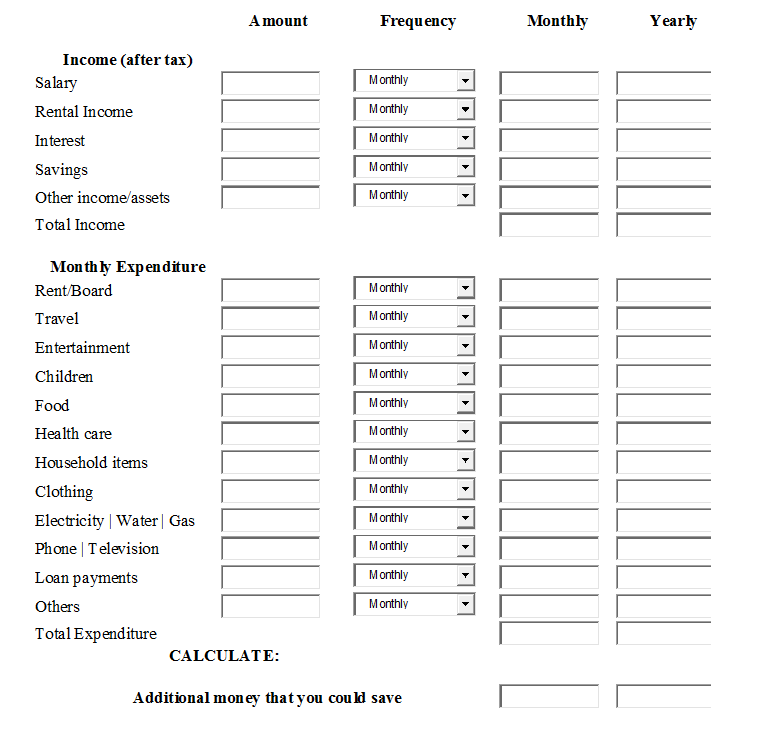
Emergency Fund Creation
One of the most critical components of a robust financial plan, and thus a budget, is the establishment and maintenance of an emergency fund. This fund acts as a financial safety net, protecting you from unexpected life events without derailing your budget or forcing you into debt.
- What it is: A dedicated savings account holding 3 to 6 months’ worth of essential living expenses. Some experts recommend even more, especially for those with unstable income or dependents.
- Why it’s crucial: It covers unforeseen costs like job loss, medical emergencies, car repairs, or home maintenance issues. Without it, these events often lead to credit card debt or dipping into long-term savings.
- Budgeting for it: Treat your emergency fund contribution as a non-negotiable expense in your budget. Start small, perhaps with a $1,000 starter fund, then gradually build it up. Automate transfers from your checking to your savings account to ensure consistency.
An adequately funded emergency reserve provides immense peace of mind and prevents minor setbacks from becoming major financial crises.
Debt Management Integration
For many, debt is a significant obstacle to financial freedom. A well-formed budget plan must incorporate a clear strategy for debt management, aiming to reduce or eliminate high-interest debt.
- List All Debts: Itemize all your debts, including credit cards, personal loans, student loans, and car loans. Note the balance, interest rate, and minimum monthly payment for each.
- Prioritize High-Interest Debt: Strategies like the “debt snowball” (paying off smallest balances first for psychological wins) or the “debt avalanche” (paying off highest interest rates first to save money) can be effective. Your budget should allocate extra funds towards these priority debts beyond the minimum payments.
- Avoid New Debt: A crucial aspect of debt management is preventing new debt. Your budget helps by ensuring you live within your means and by providing a cushion (emergency fund) for unexpected expenses, reducing the temptation to rely on credit cards.
- Consolidation/Refinancing: Explore options like debt consolidation or refinancing if they offer lower interest rates and more manageable payments, but ensure these options truly benefit you and don’t just prolong the problem.
Integrating debt repayment into your budget empowers you to systematically chip away at what often feels like an insurmountable burden, freeing up future income for savings and investments.
Leveraging Financial Tools for Budgeting
While the principles of budgeting remain constant, the tools available to assist you have evolved significantly. From simple paper and pen to sophisticated digital applications, choosing the right tools can streamline the process and enhance your budgeting experience.
Spreadsheets and Manual Tracking
For those who prefer a hands-on approach or have relatively straightforward finances, spreadsheets (like Excel or Google Sheets) offer a high degree of customization and control.
- DIY Flexibility: You can design your budget exactly how you want it, creating categories, formulas, and visual dashboards tailored to your preferences.
- Deep Understanding: Manually inputting data often forces you to engage more deeply with your finances, fostering a better understanding of where your money goes.
- Low Cost: These tools are often free (Google Sheets) or come with standard software packages (Excel).
While powerful, manual tracking requires discipline and a bit of time to set up and maintain. It’s best suited for individuals who enjoy working with data and spreadsheets.
Budgeting Apps and Software
For a more automated and integrated experience, a myriad of budgeting apps and software solutions are available, often linking directly to your bank accounts and credit cards.
- Automation: Many apps automatically categorize transactions, track spending in real-time, and generate reports, significantly reducing manual effort.
- Accessibility: Access your budget anytime, anywhere, from your smartphone or computer.
- Features: Beyond basic budgeting, many offer features like goal tracking, bill reminders, net worth tracking, investment insights, and even financial coaching. Popular examples include Mint, YNAB (You Need A Budget), Personal Capital, and EveryDollar.
- Visualization: Apps often provide clear charts and graphs, making it easier to visualize your spending patterns and progress towards goals.
While some premium features or advanced apps come with a subscription fee, the convenience and comprehensive features can be well worth the investment for those who benefit from automated financial management.
Financial Advisors (for complex situations)
While a budget plan can often be created independently, individuals with complex financial situations, significant assets, multiple income streams, or high levels of debt might benefit from the guidance of a qualified financial advisor.
- Holistic Planning: Advisors can integrate budgeting into a broader financial plan, including investment strategies, tax planning, estate planning, and retirement.
- Objective Perspective: They offer an unbiased view of your finances, helping you identify blind spots and make difficult decisions.
- Expert Guidance: Advisors possess in-depth knowledge of financial products, markets, and strategies, which can be invaluable for optimizing your budget and achieving complex goals.
Engaging a financial advisor is an investment, but for those facing intricate financial challenges or seeking to accelerate their wealth-building journey, it can be a highly beneficial step.
Common Budgeting Pitfalls and How to Avoid Them
Even with the best intentions, forming and sticking to a budget can be challenging. Recognizing common pitfalls and proactively addressing them can significantly increase your chances of long-term success.
Unrealistic Expectations
One of the quickest ways to derail a budget is to set limits that are simply not achievable or sustainable. Drastic cuts to essential spending or beloved discretionary categories often lead to frustration and abandonment.
- Solution: Start realistically. Use your past spending data as a guide. If you currently spend $500 a month on dining out, don’t suddenly budget $50. Aim for gradual reductions (e.g., $400 for a month or two, then $350). Be honest about your habits and build your budget around sustainable changes.
Ignoring Small Expenses
The “latte factor” is a classic example: small, seemingly insignificant daily purchases can accumulate into substantial amounts over a month. These often overlooked expenses can quietly sabotage your budget.
- Solution: Track every single expense, no matter how small. Use a budgeting app that links to your cards, or manually log cash purchases. Awareness is the first step to control. You don’t have to eliminate all small treats, but understanding their collective impact empowers you to make conscious choices.
Lack of Consistency
Budgeting isn’t a one-time event; it’s an ongoing process. Sporadic tracking or neglecting to review your budget regularly will render it ineffective.
- Solution: Schedule regular budget check-ins. Make it a routine, perhaps a specific day each week or month. Automate as much as possible with apps and automatic transfers for savings and bill payments. The more consistent you are, the less daunting the task becomes.

Budget Burnout
Trying to be too strict, too quickly, can lead to “budget burnout,” where you feel so deprived that you eventually give up entirely.
- Solution: Allow for some flexibility and fun money. Your budget should reflect your values and allow for enjoyment, not just deprivation. Include a “fun money” or “miscellaneous” category that you can spend without guilt. Remember, the goal is financial control and freedom, not misery. If you slip up, don’t despair; simply adjust and restart. Every day is a new opportunity to get back on track.
Forming a budget plan is a transformative step towards achieving financial peace and prosperity. It’s an ongoing journey of learning, adjustment, and discipline, but the rewards are profound: reduced stress, increased savings, accelerated debt repayment, and the empowerment to make your financial dreams a reality. By understanding your financial landscape, strategically building your framework, diligently maintaining it, and leveraging the right tools, you can create a budget that not only works for you but also sets you on a confident path to financial independence. Embrace the process, stay consistent, and watch as your relationship with money evolves for the better.
aViewFromTheCave is a participant in the Amazon Services LLC Associates Program, an affiliate advertising program designed to provide a means for sites to earn advertising fees by advertising and linking to Amazon.com. Amazon, the Amazon logo, AmazonSupply, and the AmazonSupply logo are trademarks of Amazon.com, Inc. or its affiliates. As an Amazon Associate we earn affiliate commissions from qualifying purchases.