
Financial success is rarely the result of a single fortunate event. Instead, it is the product of a disciplined, well-structured approach to managing resources over time. When we discuss how to create a plan in the context of personal and business finance, we are talking about more than just a budget; we are talking about a strategic roadmap that aligns your current capital with your future aspirations. A robust financial plan serves as a buffer against economic volatility and a vehicle for long-term wealth accumulation.

In an era of rising inflation, shifting market dynamics, and a dizzying array of investment options, the necessity of a formal plan cannot be overstated. Without a blueprint, financial decisions become reactive rather than proactive. This guide provides a deep dive into the architecture of a high-level financial plan, covering everything from initial audits to complex asset allocation and legacy planning.
Establishing Your Financial Foundation
The first step in creating a plan is not looking at a spreadsheet, but rather defining the purpose of your capital. Wealth is a tool, and a tool is only effective when its objective is clearly defined. Before allocating a single dollar, you must establish the “why” behind your financial journey.
The Psychology of Planning and Goal Setting
A plan that does not account for personal temperament is destined to fail. Financial planning is as much about psychology as it is about mathematics. To begin, you must categorize your goals into three distinct horizons: short-term (under 2 years), medium-term (2 to 10 years), and long-term (10+ years).
Short-term goals often involve liquidity—saving for a home down payment or building a high-yield emergency fund. Long-term goals typically focus on retirement or generational wealth transfer. By segmenting these objectives, you can apply different risk profiles to each category, ensuring that money needed next year isn’t subject to the volatility of the equity markets, while money needed in thirty years is given the growth potential it requires.
Quantifying Your Vision
Vague aspirations like “I want to be rich” are not actionable. A professional-grade plan requires specific figures. You must calculate the exact cost of your desired lifestyle in the future, accounting for an average annual inflation rate of 3%. If you wish to have the purchasing power of $100,000 today in twenty years, your plan must account for the fact that you will likely need nearly $180,000 to maintain that same standard of living. Quantifying your vision allows you to reverse-engineer the required rate of return and the monthly savings rate necessary to bridge the gap between your current status and your ultimate destination.
The Financial Audit: Mapping the Current Terrain
You cannot plot a course to a destination if you do not know your starting coordinates. A comprehensive financial audit is the process of stripping away assumptions and looking at the raw data of your economic life.
Net Worth Tracking
The net worth statement is the ultimate scorecard of your financial health. It is a simple calculation—assets minus liabilities—but its implications are profound. Assets include cash, brokerage accounts, retirement funds, real estate equity, and business interests. Liabilities include mortgages, student loans, credit card balances, and any other outstanding debts.
Creating a plan requires an honest assessment of these figures. Tracking net worth quarterly provides a high-level view of whether you are building equity or merely churning through income. In a professional financial plan, the goal is to see a consistent upward trend in net worth, regardless of short-term market fluctuations.
Cash Flow Mastery: Beyond Simple Budgeting
While net worth shows where you stand, cash flow shows where you are going. Creating a plan involves a granular analysis of your income versus your expenses. This is often where the most significant “leaks” are found.
A sophisticated plan utilizes the 50/30/20 rule as a baseline: 50% of income for needs, 30% for wants, and 20% for savings and debt repayment. However, for those looking to accelerate wealth building, these ratios must be optimized. The audit phase identifies “lifestyle creep”—the tendency for expenses to rise alongside income—and establishes a “burn rate” that allows for aggressive reinvestment. By mastering cash flow, you ensure that your plan is fueled by a consistent surplus of capital.
Designing the Tactical Roadmap
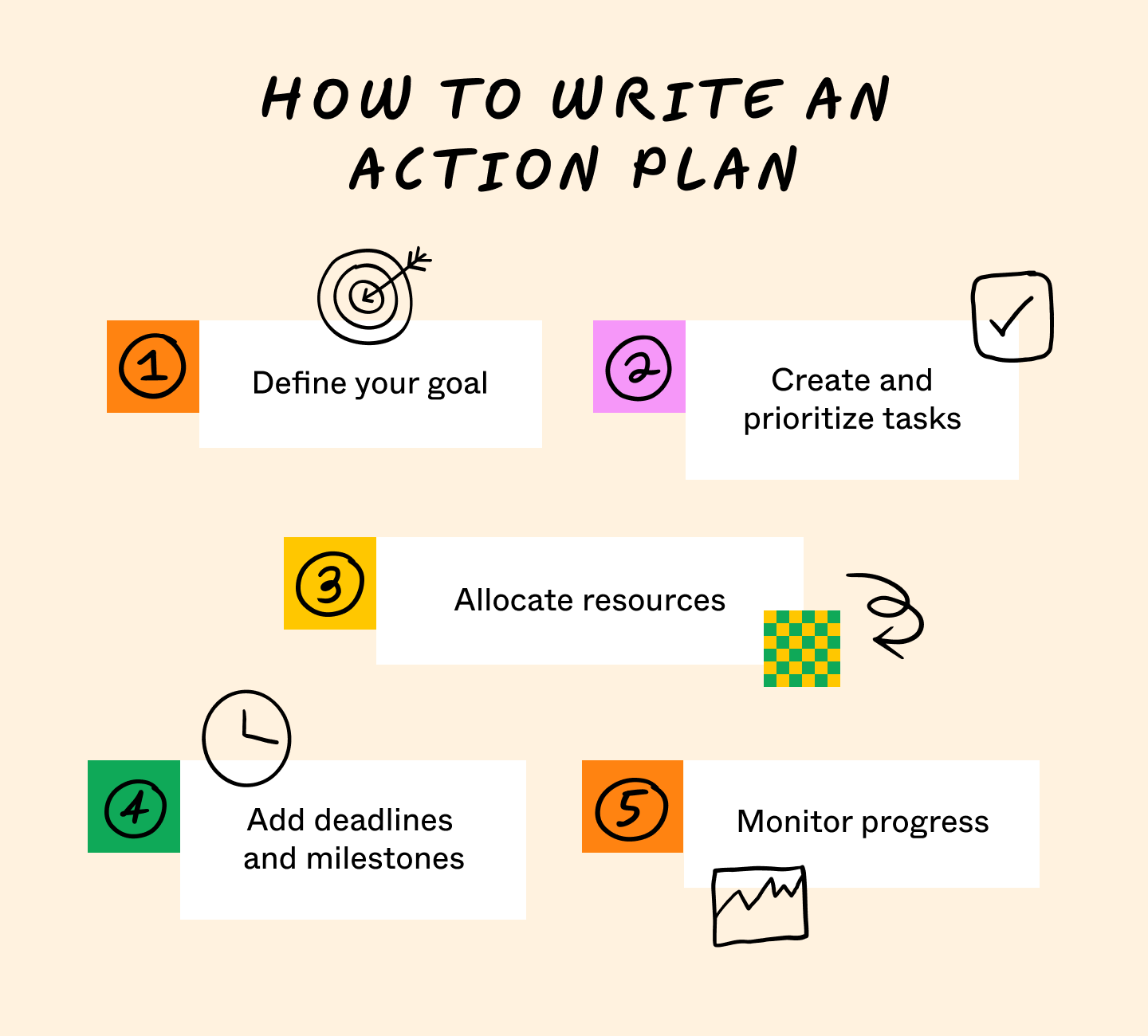
Once the goals are set and the audit is complete, you must design the tactical steps to move from Point A to Point B. This involves risk management, debt optimization, and the selection of the right financial vehicles.
Risk Mitigation and the Emergency Fund
A financial plan is only as strong as its weakest point. The most common cause of plan failure is an unexpected crisis that forces the liquidation of long-term investments at an inopportune time. To prevent this, the plan must prioritize a liquid emergency fund.
This fund should consist of three to six months of essential living expenses held in a low-risk, high-liquidity account, such as a High-Yield Savings Account (HYSA) or a Money Market Account. This is the “insurance policy” for your plan. Furthermore, risk mitigation includes ensuring you have adequate insurance coverage—life, disability, and health—to protect your greatest asset: your ability to earn an income.
Debt Optimization Strategies
Not all debt is created equal. A strategic plan differentiates between “productive” debt (low-interest loans used to acquire appreciating assets, like a mortgage) and “destructive” debt (high-interest consumer debt).
The tactical roadmap should employ either the “Debt Avalanche” or “Debt Snowball” method. The Avalanche method prioritizes paying off debts with the highest interest rates first, which is mathematically superior. The Snowball method focuses on the smallest balances first to build psychological momentum. For a professional plan, the goal is to eliminate any debt with an interest rate higher than the expected market return, as paying down a 20% credit card balance is equivalent to a guaranteed 20% return on investment.
Wealth Accumulation and Asset Allocation
With the foundation set and the risks mitigated, the plan shifts to the growth phase. This is where you determine how your money will work for you through strategic investing.
Understanding Market Vehicles and Tax Efficiency
Where you hold your assets is often as important as what those assets are. A plan must maximize tax-advantaged accounts to accelerate growth. In the United States, this means utilizing 401(k)s, IRAs, and HSAs. In other jurisdictions, it might involve ISAs or RRSPs.
The plan should dictate a “waterfall” of contributions:
-
Contribute to an employer-sponsored plan up to the maximum match (100% immediate return).
-
Maximize tax-free growth accounts (like a Roth IRA).
-
Fill remaining space in tax-deferred accounts.
-
Direct surplus funds into a taxable brokerage account.
The Power of Asset Allocation
Asset allocation is the primary driver of portfolio returns and risk levels. A well-constructed plan balances various asset classes, including domestic and international equities, fixed income (bonds), real estate, and perhaps alternative assets like private equity or commodities.
The allocation should be based on your “Time Horizon” and “Risk Tolerance.” A twenty-five-year-old creates a plan with a high equity tilt to capture long-term growth, whereas someone five years from retirement shifts toward capital preservation via bonds and cash equivalents. The plan must specify a target allocation—for example, 70% stocks and 30% bonds—to provide a benchmark for future adjustments.
Maintenance and Evolution of the Plan
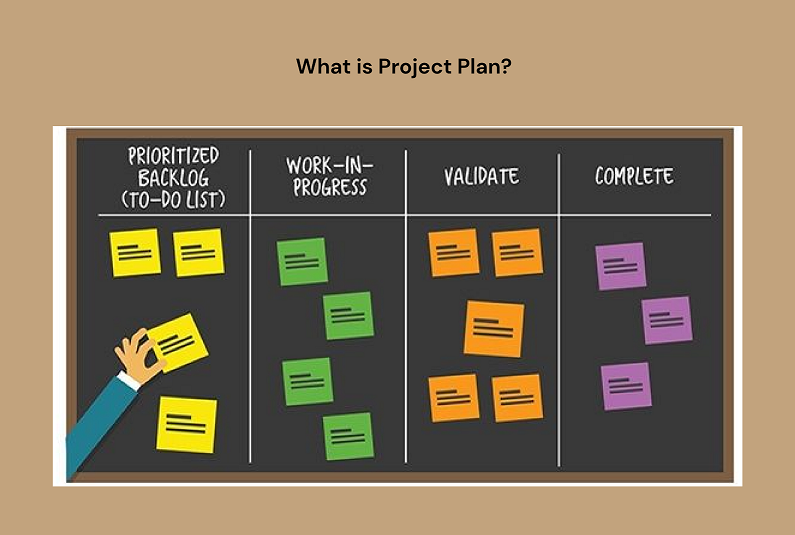
A financial plan is not a static document; it is a living strategy that must evolve as your life and the broader economy change. Creating a plan is the beginning; maintaining it is the journey.
Rebalancing Protocols
Over time, different assets grow at different rates, causing your portfolio to drift away from its intended allocation. If the stock market has a stellar year, your 70/30 split might become an 80/20 split, exposing you to more risk than intended.
A professional plan includes a rebalancing protocol—usually performed annually or semi-annually—where you sell overperforming assets and buy underperforming ones to return to your target. This forced “sell high, buy low” discipline is one of the most effective ways to enhance long-term returns.
Navigating Life Transitions
As you move through different stages of life, your plan must adapt. Major milestones—marriage, the birth of a child, a significant promotion, or the decision to start a business—require a re-evaluation of your goals and tactics.
The final stage of a mature plan involves estate planning and legacy. This ensures that the wealth you have built is protected from excessive taxation and distributed according to your wishes. This includes the creation of wills, trusts, and the designation of beneficiaries. By thinking about the end of the plan at the beginning, you ensure that your financial legacy is as robust as your living strategy.
In conclusion, knowing how to create a plan is about synthesizing your personal values with rigorous economic principles. It requires the discipline to audit your current state, the foresight to set clear objectives, and the technical knowledge to navigate the complexities of the modern financial landscape. With a structured roadmap in place, you move from a state of financial uncertainty to a position of empowerment, capable of making informed decisions that secure your future and that of your heirs.
aViewFromTheCave is a participant in the Amazon Services LLC Associates Program, an affiliate advertising program designed to provide a means for sites to earn advertising fees by advertising and linking to Amazon.com. Amazon, the Amazon logo, AmazonSupply, and the AmazonSupply logo are trademarks of Amazon.com, Inc. or its affiliates. As an Amazon Associate we earn affiliate commissions from qualifying purchases.