
For any investor, whether a seasoned day trader or a long-term retirement planner, timing is a fundamental pillar of success. Understanding when the stock exchange opens is not merely about knowing a clock time; it is about understanding the ebb and flow of global liquidity, the impact of overnight news, and the strategic windows where volatility creates opportunity. In the world of finance, the “market hours” represent the official period during which the exchange’s central limit order book is open for business, but the modern financial landscape extends far beyond these traditional boundaries.
Understanding Standard Market Hours in the United States
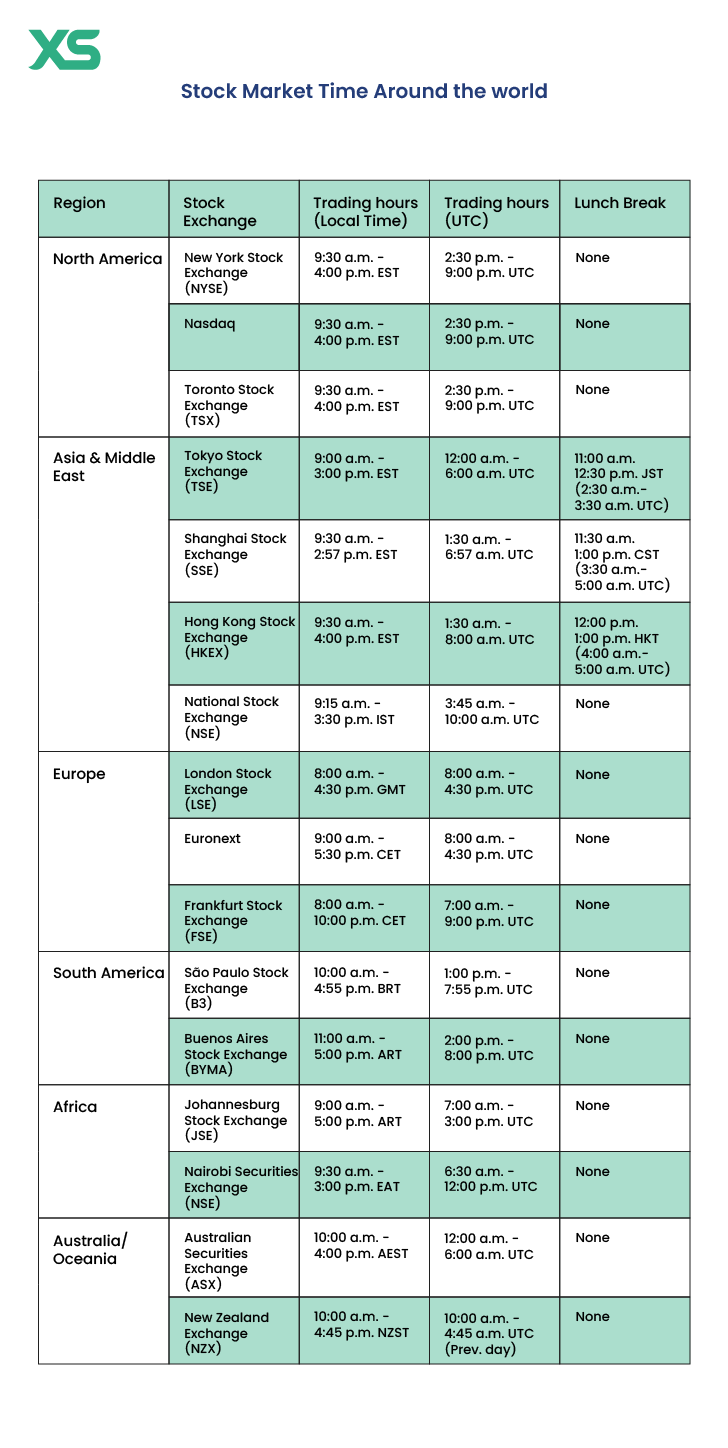
In the United States, the two primary exchanges—the New York Stock Exchange (NYSE) and the Nasdaq—operate on a synchronized schedule. The standard trading session officially begins at 9:30 AM Eastern Time (ET) and concludes at 4:00 PM ET. These hours apply Monday through Friday, excluding specific market holidays.
The Significance of the Opening Bell
The 9:30 AM ET opening bell is one of the most iconic rituals in the financial world. Beyond the ceremony, the opening represents a critical moment of price discovery. During the overnight hours, news breaks, earnings are released, and global geopolitical events shift sentiment. When the opening bell rings, all the pent-up demand and supply from the previous evening and early morning collide. This usually results in the highest volume of the day within the first 30 to 60 minutes. For many professional traders, this initial window is when they find the most significant price movements, as the market “digests” the accumulated information.
The Core Trading Session
From 10:00 AM to 3:30 PM, the market enters its core session. While the first hour is marked by volatility, the middle of the day often sees a stabilization of prices and lower volume. This period is colloquially known as the “mid-day lull.” Large institutional investors often use this quieter period to execute large blocks of trades slowly to avoid moving the market price too drastically. For retail investors, this is often the safest time to execute trades if they wish to avoid the extreme price swings seen at the open and close.
The Closing Auction and Power Hour
The final hour of trading, from 3:00 PM to 4:00 PM ET, is frequently referred to as “Power Hour.” This is when institutional managers rebalance their portfolios, and day traders close out their positions to avoid “overnight risk.” The 4:00 PM close is marked by a closing auction, a process that determines the official closing price for every security. This price is vital because it is used by mutual funds to calculate their Net Asset Value (NAV) and by analysts to track performance metrics.
Beyond the Bell: Pre-Market and After-Hours Trading
While the official hours are 9:30 AM to 4:00 PM, the digital nature of modern finance allows for trading to occur outside these windows. This is known as extended-hours trading, facilitated by Electronic Communication Networks (ECNs).
The Pre-Market Session
Pre-market trading in the U.S. generally begins as early as 4:00 AM ET, though the majority of volume starts to pick up around 8:00 AM ET. This session is primarily used by traders to react to early morning news, such as economic data releases from the Department of Labor (e.g., the Non-Farm Payrolls report) or international market movements. However, trading during this time comes with significant caveats. Liquidity is much lower than during standard hours, meaning there are fewer buyers and sellers. This can lead to wide “bid-ask spreads,” where the difference between what a buyer is willing to pay and what a seller wants is unusually large.
The After-Hours Session
After-hours trading begins immediately at 4:00 PM ET and can run until 8:00 PM ET. This session is critical for “Earnings Season.” Most publicly traded companies wait until the market closes to release their quarterly financial results to ensure that all investors have equal access to the information without the immediate chaos of the open market. Stock prices can move 10% or 20% in a matter of minutes during the after-hours session based on these reports. While exciting, the lack of liquidity makes after-hours trading highly risky for the average investor, as a small trade can cause a disproportionately large move in price.
Risks and Considerations for Extended Hours
For those looking to participate in pre-market or after-hours sessions, it is essential to use “limit orders” rather than “market orders.” A market order executes at whatever price is currently available, which can be disastrous in a low-liquidity environment. A limit order ensures that you only buy or sell at a specific price or better, providing a layer of protection against the volatility inherent in extended sessions.
Global Market Hours: A 24-Hour Financial Cycle
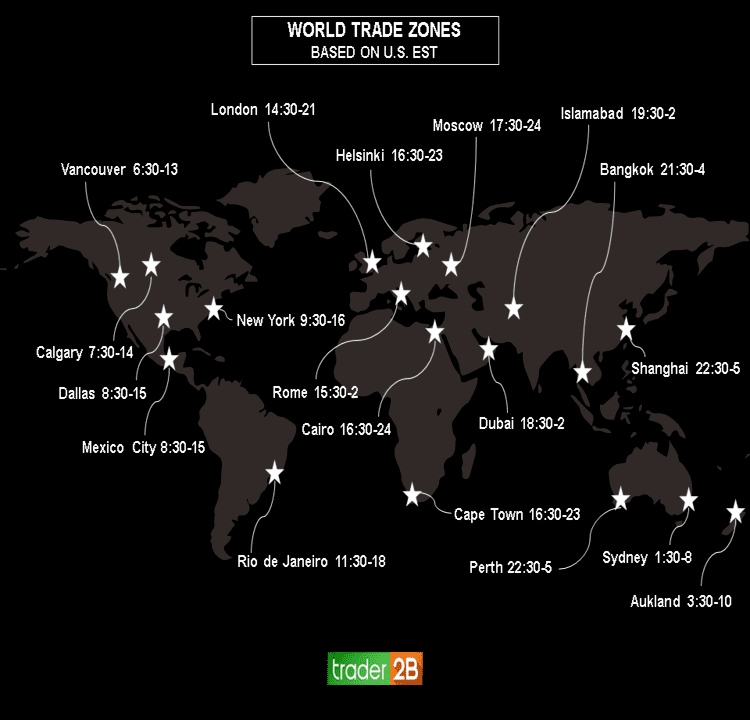
The stock market never truly sleeps. While an investor in New York might be closing their laptop at 5:00 PM, an investor in Tokyo is just beginning their day. Understanding the global schedule is crucial because the interconnectedness of modern economies means that a crash in Shanghai or a surge in London can directly influence the opening price of the NYSE.
The European Markets
The London Stock Exchange (LSE), one of the oldest and most significant exchanges in the world, operates from 8:00 AM to 4:30 PM GMT (Greenwich Mean Time). Other major European hubs, like the Euronext Paris and the Frankfurt Stock Exchange (DAX), operate on similar schedules. A key moment for global traders is the “overlap” period. Between 9:30 AM and 11:30 AM ET, both the U.S. and European markets are open simultaneously. This two-hour window often sees some of the highest liquidity in the world, particularly for currencies and large-cap multinational corporations.
The Asian Session
The Asian trading day begins with the Tokyo Stock Exchange (TSE), which operates from 9:00 AM to 3:00 PM JST (Japan Standard Time), notably including a lunch break from 11:30 AM to 12:30 PM. This is followed by the Hong Kong Stock Exchange (HKEX) and the Shanghai Stock Exchange. The Asian session is often the first to react to events that occurred during the U.S. afternoon, setting the stage for the global “sentiment” that will eventually make its way back to Europe and the Americas.
The Impact of Time Zones
For the global investor, time zones are a constant calculation. When the U.S. moves into Daylight Saving Time, but other regions do not, the gaps between market opens shift. Professional trading platforms often provide a “Global Market Clock” to help investors track these overlaps, as they represent the periods of highest activity and lowest transaction costs.
Market Holidays and the Trading Calendar
The stock exchange does not follow a standard 365-day calendar. It observes specific federal holidays and occasionally closes for extraordinary events. Being aware of these closures is vital for managing margin requirements and ensuring that you are not caught in a position you cannot exit.
U.S. Market Holidays
The NYSE and Nasdaq are closed on several key days throughout the year, including:
-
New Year’s Day
-
Martin Luther King, Jr. Day
-
Presidents’ Day
-
Good Friday
-
Memorial Day
-
Juneteenth National Independence Day
-
Independence Day
-
Labor Day
-
Thanksgiving Day
-
Christmas Day
In addition to full closures, the markets often observe “early closes.” For example, the day after Thanksgiving (Black Friday) and Christmas Eve typically see the market close at 1:00 PM ET.
Why Market Closures Matter
During a long holiday weekend, “gap risk” increases. Gap risk occurs when a major news event happens while the market is closed, causing the price of a stock to “gap” significantly higher or lower when the market finally opens. For example, if a geopolitical conflict arises on a Saturday, an investor cannot sell their shares until Monday morning, by which time the stock may have already dropped 5%. Strategic investors often reduce their leverage or “hedge” their positions before a long holiday weekend to mitigate this risk.
Strategic Timing: When is the Best Time to Trade?
Knowing what time the exchange opens is the first step, but knowing when to execute your strategy is where the true science of investing lies. Not all hours are created equal in terms of profitability and risk.
The First 30 Minutes: The Professionals vs. The Amateurs
The window from 9:30 AM to 10:00 AM ET is often characterized by “retail” activity—individual investors reacting to news they read the night before. This period is notoriously volatile. Many professional traders wait until after 10:00 AM, known as the “reversal period,” to see if the initial morning trend holds or if the “smart money” begins to push the market in the opposite direction.
The Mid-Day Opportunity
For long-term investors who are not interested in “scalping” small price movements, the period between 11:00 AM and 2:00 PM ET is often ideal. Spreads are tight, and the market has usually found its direction for the day. This reduces the likelihood of being caught in a “whipsaw,” where the price moves violently in both directions.
The Power of the Friday Close
The Friday afternoon session is unique. It is the time when traders decide whether they want to hold their positions over the weekend. Often, if the market has had a strong week, there may be “profit-taking” on Friday afternoon, leading to a slight dip. Conversely, if there is a major event expected over the weekend, volatility can spike as participants rush to adjust their exposure.

Conclusion: Mastering the Market Clock
In the modern era of high-frequency trading and 24/7 financial news, the “opening bell” remains a vital anchor for the global economy. By understanding the standard hours of the NYSE and Nasdaq, the mechanics of pre-market and after-hours sessions, and the rhythms of international exchanges, you can transform the clock into a strategic tool.
Success in the markets requires more than just picking the right stocks; it requires the discipline to trade when liquidity is high and the wisdom to stay on the sidelines when the risks of extended hours outweigh the rewards. Whether you are aiming for the excitement of the opening 30 minutes or the relative calm of the mid-day session, mastering the market’s schedule is an essential step in your journey toward financial proficiency. Always remember: the market operates on its own time, and as an investor, your job is to align your strategy with its ticking clock.
aViewFromTheCave is a participant in the Amazon Services LLC Associates Program, an affiliate advertising program designed to provide a means for sites to earn advertising fees by advertising and linking to Amazon.com. Amazon, the Amazon logo, AmazonSupply, and the AmazonSupply logo are trademarks of Amazon.com, Inc. or its affiliates. As an Amazon Associate we earn affiliate commissions from qualifying purchases.