
For most households, car insurance represents one of the most significant recurring expenses in the personal finance portfolio. Unlike a fixed mortgage or a subscription service, auto insurance premiums are dynamic, influenced by a complex web of market variables, personal risk profiles, and regional economic shifts. Mastering the art of comparing car insurance rates is not merely about finding the lowest number; it is a strategic exercise in financial planning, risk management, and capital preservation.
In an era of rising inflation and evolving underwriting algorithms, a passive approach to insurance can lead to hundreds, if not thousands, of dollars in annual “leakage” from your budget. To optimize your financial health, you must approach insurance comparison with the same rigor you would apply to an investment portfolio or a major business expense.
Understanding the Core Components of Insurance Pricing
Before diving into the marketplace, it is essential to understand the underlying mechanics of how insurance rates are calculated. Pricing is a reflection of risk, and insurance companies use actuarial science to predict the likelihood of a claim. By understanding these components, you can adjust your coverage to strike the perfect balance between cost and financial security.
Liability vs. Full Coverage: Finding Your Financial Balance
The most fundamental decision in your comparison journey is the level of coverage required. Liability insurance—which covers damage you cause to others—is mandated by law in most jurisdictions. However, “full coverage,” which typically includes collision and comprehensive insurance, protects your own asset.
From a personal finance perspective, the decision to maintain full coverage should be based on the value of the vehicle versus the cost of the premium. If the annual cost of comprehensive and collision coverage exceeds 10% of the car’s total book value, it may be fiscally prudent to drop down to liability only, provided you have a robust emergency fund to cover potential vehicle replacement.
The Impact of Deductibles on Your Monthly Budget
The deductible is the amount you pay out-of-pocket before insurance coverage kicks in. There is an inverse relationship between deductibles and premiums: increasing your deductible reduces the insurer’s risk, thereby lowering your monthly premium.
For the disciplined saver, raising a deductible from $500 to $1,000 can result in a 15% to 30% reduction in premium costs. This is a classic example of “self-insuring” for minor losses while leveraging the insurance company for catastrophic financial hits. When comparing rates, always request quotes at multiple deductible tiers to see where the “sweet spot” of value resides for your specific financial situation.
Strategic Steps for Effective Comparison Shopping
Comparing rates is no longer about calling three local agents and hoping for the best. Modern financial tools and data-driven strategies allow for a much more granular analysis of the market. To ensure you are getting an “apples-to-apples” comparison, you must follow a systematic process.
Gathering Essential Documentation for Accuracy
Accuracy is the foundation of a valid insurance quote. Before you begin the comparison process, gather your vehicle identification number (VIN), current policy “declarations page,” and a summary of your driving record over the last three to five years.
Minor discrepancies in mileage or safety features can lead to “premium creep,” where the final price issued by the underwriter is significantly higher than the initial quote. By providing precise data upfront, you lock in the most accurate financial projection possible, allowing for a realistic comparison across different carriers.
Utilizing Online Comparison Tools vs. Independent Agents
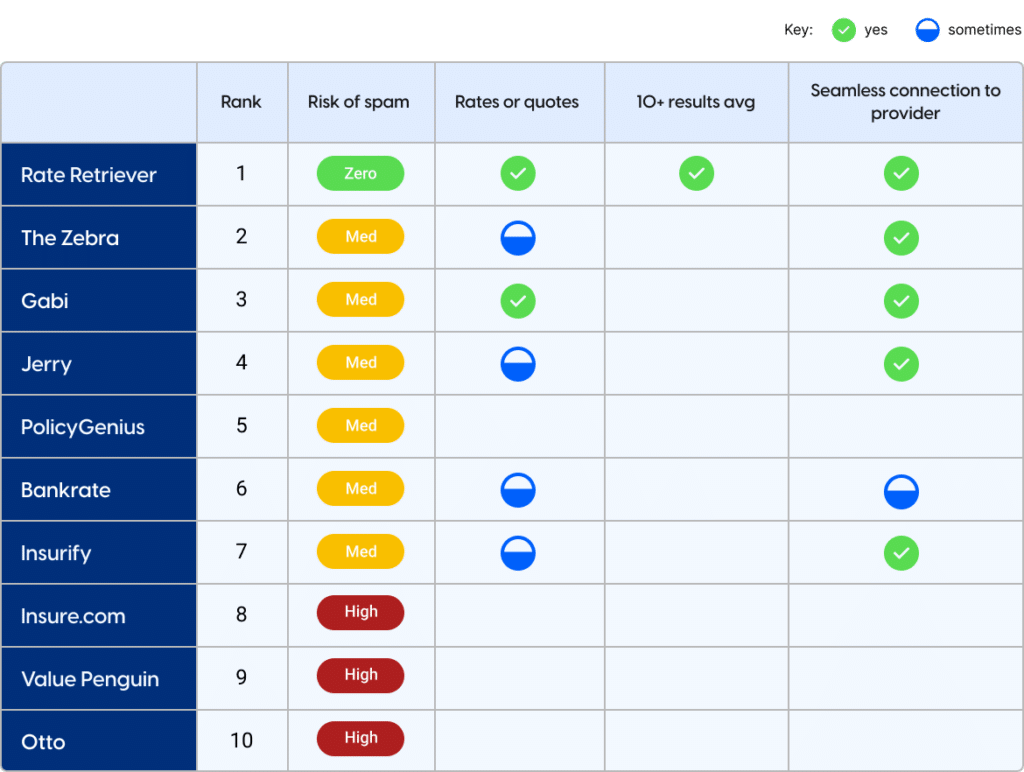
The marketplace offers two primary avenues for rate comparison: digital aggregators and independent agents. Online tools provide immediate, high-volume data points, allowing you to see a broad spectrum of the market in minutes. These are excellent for establishing a baseline “market rate.”

However, for those with complex financial lives—such as business owners or those with high-value assets—an independent agent can provide a layer of nuance that algorithms might miss. Independent agents represent multiple carriers and can often access “niche” insurers that do not advertise on major comparison websites. A hybrid approach—using online tools for initial research and an agent for final refinement—is often the most effective strategy for high-level financial optimization.
Evaluating the Financial Stability of Carriers
Price is a vital metric, but it is not the only one. A low-cost policy from a financially unstable company is a liability, not an asset. When comparing rates, check the financial strength ratings of each company through agencies like A.M. Best or S&P Global. These ratings indicate the insurer’s ability to pay out claims even during widespread economic downturns or catastrophic events. In the realm of personal finance, peace of mind regarding a carrier’s solvency is worth a slight premium over a “budget” insurer with a questionable balance sheet.
Maximizing Savings Through Discounts and Policy Bundling
The “sticker price” of an insurance quote is rarely the final price. To truly optimize your rates, you must proactively hunt for discounts that align with your lifestyle and financial habits. Many of these discounts are not applied automatically and require the consumer to request them.
Common Discounts You Might Be Overlooking
Insurance companies offer a variety of incentives designed to attract low-risk clients. These often include:
- Telematics and Usage-Based Insurance: By allowing an insurer to monitor your driving habits via an app or plug-in device, safe drivers can see discounts of up to 40%.
- Affiliation and Professional Discounts: Members of certain alumni associations, professional organizations, or specific employers often qualify for “group rates.”
- Paid-in-Full Discounts: Eliminating installment fees by paying the six-month or annual premium upfront can reduce the total cost by 5% to 10%, offering a better “return on investment” than many high-yield savings accounts.
The Long-Term Benefits of Multi-Policy Bundling
One of the most effective strategies in wealth management is the consolidation of financial services. “Bundling” your auto insurance with homeowners, renters, or umbrella insurance is one of the most powerful tools for rate reduction. Insurers value high-retention customers and will often offer substantial discounts (sometimes up to 25% across all policies) to secure your entire insurance portfolio. When comparing rates, always ask for a “bundled” quote to see the aggregate savings across your entire household.
Advanced Tactics: Refining Your Coverage for Maximum Value
The final stage of comparing car insurance rates involves moving beyond the numbers and looking at the strategic alignment of the policy with your overall financial goals. This is where you move from being a “shopper” to being a “financial strategist.”
Adjusting Limits Based on Asset Protection Needs
A common mistake in personal finance is being “under-insured” relative to your net worth. If you have significant assets—savings, home equity, investments—the state minimum liability limits are insufficient. In the event of a lawsuit, your personal assets could be at risk.
When comparing rates, look at the cost of increasing your liability limits from the standard 100/300/100 to 250/500/100. Often, the price difference is surprisingly small—perhaps only a few dollars a month—but the increase in financial protection is exponential. Comparing these higher-tier limits across different companies will reveal which insurers are most competitive for “high-net-worth” or “asset-heavy” individuals.
Avoiding the “Loyalty Tax” Through Annual Reviews
In the insurance industry, there is a phenomenon known as “price optimization,” where carriers may incrementally raise rates on long-term customers who they believe are unlikely to switch. This is colloquially known as the “loyalty tax.”
To counteract this, set a recurring annual appointment on your financial calendar to review your insurance portfolio. Even if you are satisfied with your current provider, obtaining at least two fresh quotes every twelve months ensures that your current rate remains competitive with the current market. This habit ensures that your car insurance remains a lean, optimized part of your budget rather than a growing, unchecked liability.
Conclusion
Comparing car insurance rates is a cornerstone of proactive financial management. By understanding the mechanics of pricing, utilizing diverse comparison tools, and aggressively pursuing discounts, you can transform a mandatory expense into a streamlined component of your financial strategy. Remember: the goal is not just the cheapest policy, but the most efficient protection for your capital. In the world of money, every dollar saved on insurance is a dollar that can be redirected toward wealth-building investments.
aViewFromTheCave is a participant in the Amazon Services LLC Associates Program, an affiliate advertising program designed to provide a means for sites to earn advertising fees by advertising and linking to Amazon.com. Amazon, the Amazon logo, AmazonSupply, and the AmazonSupply logo are trademarks of Amazon.com, Inc. or its affiliates. As an Amazon Associate we earn affiliate commissions from qualifying purchases.