
The economic system of the United States is a complex and dynamic tapestry woven from various threads, but at its core, it is overwhelmingly characterized as a mixed market economy. This designation signifies a system that blends elements of capitalism with government regulation and intervention. It’s not a purely free-market system, nor is it a command economy where the state dictates all economic activity. Instead, it leans heavily on private ownership, voluntary exchange, and the pursuit of profit, while simultaneously acknowledging the need for a framework of laws, public services, and social safety nets to ensure stability, fairness, and broader societal well-being. Understanding this mixed nature is crucial to grasping the nuances of American economic policy, business operations, and individual financial participation.
The Capitalist Foundation: Private Ownership and Free Markets
At the heart of the American economic system lies capitalism, a set of principles that prioritize private ownership of the means of production and the allocation of resources through market mechanisms. This foundational element fosters an environment where innovation, competition, and individual initiative are encouraged, driving economic growth and wealth creation.
Private Property Rights
A cornerstone of capitalism, and thus the American economic system, is the robust protection of private property rights. This means individuals and businesses have the legal right to own, control, use, and dispose of their assets – be it land, capital, or intellectual property – as they see fit, within legal bounds. This security incentivizes investment and long-term planning, as owners are confident that their efforts and gains will not be arbitrarily seized. Without this fundamental right, the incentive to create and accumulate wealth would be significantly diminished, hindering economic dynamism.
Free Markets and Competition
The concept of free markets, where prices and production levels are largely determined by the forces of supply and demand, is another defining characteristic. Businesses compete for customers by offering better products, services, or prices. This competition, in theory, leads to greater efficiency, lower costs for consumers, and a wider variety of choices. The “invisible hand” of the market, as described by Adam Smith, guides resources to their most valued uses, driven by the self-interest of buyers and sellers. While perfect free markets are an ideal rarely achieved, the American system strives to maintain an environment conducive to competitive enterprise, with antitrust laws serving as a mechanism to prevent monopolies that could stifle this competition.
The Profit Motive and Entrepreneurship
The pursuit of profit serves as a primary motivator for economic activity in the United States. Businesses are driven to innovate, produce goods and services, and seek efficiencies to maximize their financial returns. This profit motive fuels entrepreneurship, encouraging individuals to take risks, start new ventures, and develop novel solutions to societal needs. Successful entrepreneurs can achieve significant financial rewards, which, in turn, reinvested into the economy through further investment, job creation, and consumption. This cycle of innovation and investment is a powerful engine of economic growth.
The Role of Government: Regulation and Public Goods
While capitalism forms the bedrock, the American economic system is not laissez-faire. The government plays a significant and multifaceted role in shaping the economic landscape, providing essential services, and mitigating potential market failures. This intervention is often aimed at ensuring a more equitable distribution of resources, protecting consumers and the environment, and stabilizing the economy.
Regulatory Frameworks
The government establishes and enforces a wide array of regulations designed to govern economic activity. These include:
- Consumer Protection: Agencies like the Food and Drug Administration (FDA) and the Consumer Product Safety Commission (CPSC) ensure that products are safe and accurately represented. Regulations regarding advertising standards and deceptive trade practices also fall under this umbrella.
- Environmental Protection: The Environmental Protection Agency (EPA) sets standards to protect air, water, and land quality, impacting industries through emissions controls and waste management regulations.
- Labor Laws: The Department of Labor oversees minimum wage laws, workplace safety standards (OSHA), and regulations concerning fair labor practices and unionization.
- Financial Regulation: Agencies like the Securities and Exchange Commission (SEC) and the Federal Reserve Board oversee financial markets, banks, and monetary policy to promote stability and prevent fraud.
- Antitrust Laws: The Department of Justice and the Federal Trade Commission work to prevent monopolies and promote fair competition in the marketplace.
These regulations, while sometimes criticized for creating burdens or inefficiencies, are intended to create a more level playing field, protect vulnerable populations, and address externalities – costs imposed on society by economic activities that are not borne by the producer or consumer.
Provision of Public Goods and Services
The government also directly provides essential goods and services that the private sector might under-supply or not provide at all due to the difficulty of charging individuals for their use. These “public goods” are characterized by non-excludability (it’s hard to prevent anyone from using them) and non-rivalry (one person’s use doesn’t diminish another’s). Examples include:
- Infrastructure: Roads, bridges, public transportation networks, and utilities form the backbone of economic activity, facilitating the movement of goods, services, and people.
- National Defense and Public Safety: A secure nation and safe communities are prerequisites for economic prosperity.
- Education: Public schools and universities, funded through taxation, provide a skilled workforce and opportunities for social mobility.
- Healthcare: While largely privatized, government programs like Medicare and Medicaid provide healthcare access to specific populations.
- Social Safety Nets: Programs like Social Security, unemployment insurance, and welfare provide a buffer against economic hardship, ensuring a minimum standard of living and supporting aggregate demand during downturns.
The funding for these public goods and services comes primarily from taxation, making taxation a critical component of the American mixed economy.
The Dynamic Interaction: Markets and Government in Equilibrium
The American economic system is not static; it is a constantly evolving interplay between market forces and government intervention. The precise balance between these two elements is a subject of ongoing debate and policy adjustments, reflecting changing societal priorities and economic challenges.
The Role of Monetary and Fiscal Policy
The government utilizes monetary and fiscal policy as key tools to manage the economy:
- Monetary Policy: Primarily managed by the Federal Reserve, this involves controlling the money supply and interest rates to influence inflation, employment, and economic growth. Lowering interest rates can stimulate borrowing and investment, while raising them can cool down an overheated economy.
- Fiscal Policy: This refers to the government’s use of spending and taxation to influence the economy. Increased government spending or tax cuts can stimulate demand during recessions, while decreased spending or tax increases can help control inflation or reduce national debt.
These policies are employed to achieve macroeconomic stability, aiming to smooth out the business cycle, prevent excessive inflation or deflation, and promote sustainable employment levels.
Market Failures and Government Intervention
The concept of “market failure” justifies government intervention in certain situations where the free market leads to inefficient or undesirable outcomes. These include:
- Externalities: As mentioned, pollution is a classic example of a negative externality. Government regulation or taxation can internalize these costs.
- Information Asymmetry: When one party in a transaction has more information than the other, it can lead to exploitation. Regulations requiring disclosure, such as in financial markets or product labeling, address this.
- Public Goods: The inherent difficulty in excluding non-payers means these are often under-provided by the private sector.
- Monopolies and Oligopolies: These market structures can lead to higher prices, lower output, and reduced innovation. Antitrust laws are the primary tool to combat these.
Understanding these market failures and the government’s role in addressing them is key to appreciating why a purely capitalist model is not the entirety of the American economic system.

Challenges and Debates
The mixed market economy of the United States faces ongoing challenges and debates:
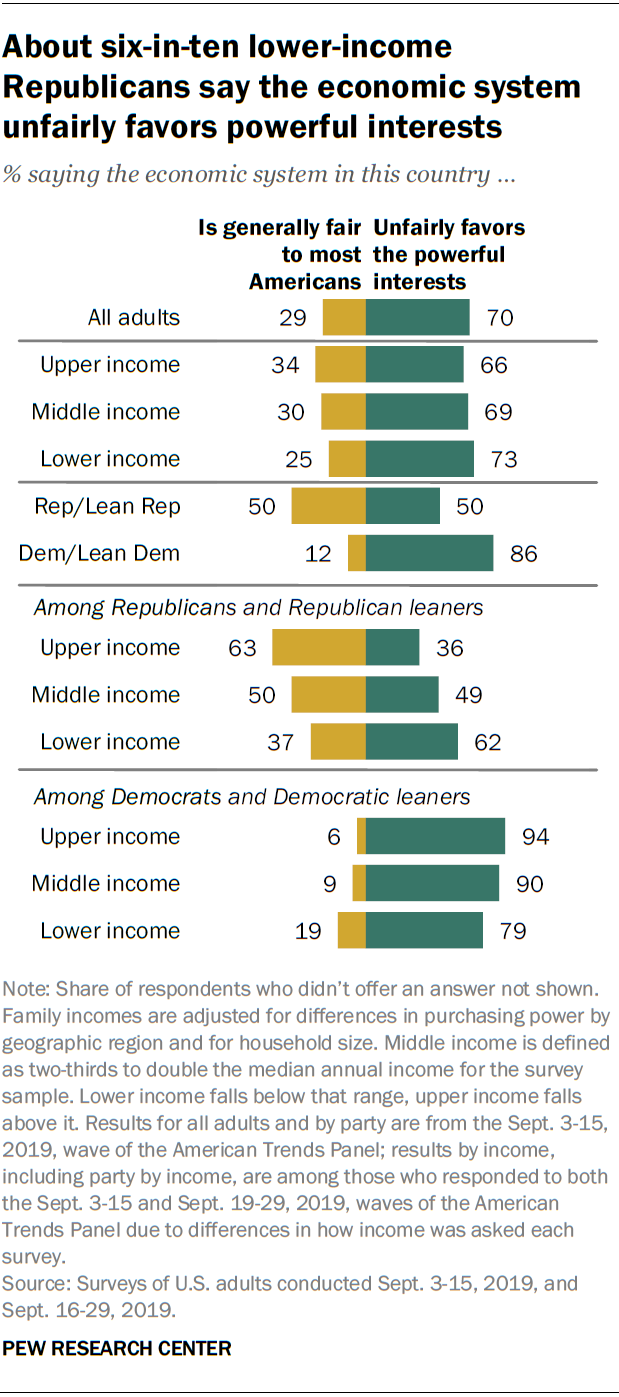
- Income Inequality: While the system has generated immense wealth, concerns about widening income and wealth gaps persist, leading to discussions about progressive taxation, social programs, and minimum wage policies.
- Globalization and Competition: The increasing interconnectedness of global economies presents both opportunities and challenges, impacting domestic industries, labor markets, and trade policies.
- Technological Disruption: Rapid technological advancements, particularly in automation and artificial intelligence, raise questions about the future of work, skills development, and the need for adaptive economic policies.
- Government Debt and Deficits: The level of government spending, taxation, and the resulting national debt are perennial topics of political and economic discourse.
In conclusion, the economic system of America is a robust and adaptive framework that leverages the power of private enterprise and market competition, while also acknowledging and actively addressing its limitations through government regulation, public services, and economic stabilization policies. This dynamic equilibrium, though often debated, has proven remarkably resilient and capable of fostering innovation and prosperity.
aViewFromTheCave is a participant in the Amazon Services LLC Associates Program, an affiliate advertising program designed to provide a means for sites to earn advertising fees by advertising and linking to Amazon.com. Amazon, the Amazon logo, AmazonSupply, and the AmazonSupply logo are trademarks of Amazon.com, Inc. or its affiliates. As an Amazon Associate we earn affiliate commissions from qualifying purchases.