
In the modern digital age, managing personal finances has become a matter of clicking buttons on a smartphone or logging into a web portal. As individuals seek to optimize their wealth and understand the complexities of the financial system, a specific and often misunderstood question arises: “How do I check my Federal Reserve bank account?” This query usually stems from a mix of curiosity about high-level banking and, occasionally, widespread misinformation regarding the nature of the United States’ central banking system.
To manage your money effectively, it is essential to distinguish between the types of financial institutions that exist and the roles they play in your economic life. While the Federal Reserve is the cornerstone of the American economy, the way individuals interact with it is significantly different from how they interact with a traditional commercial bank. This guide will clarify the relationship between citizens and the Federal Reserve, debunk common myths, and provide actionable steps for managing the accounts you actually hold.
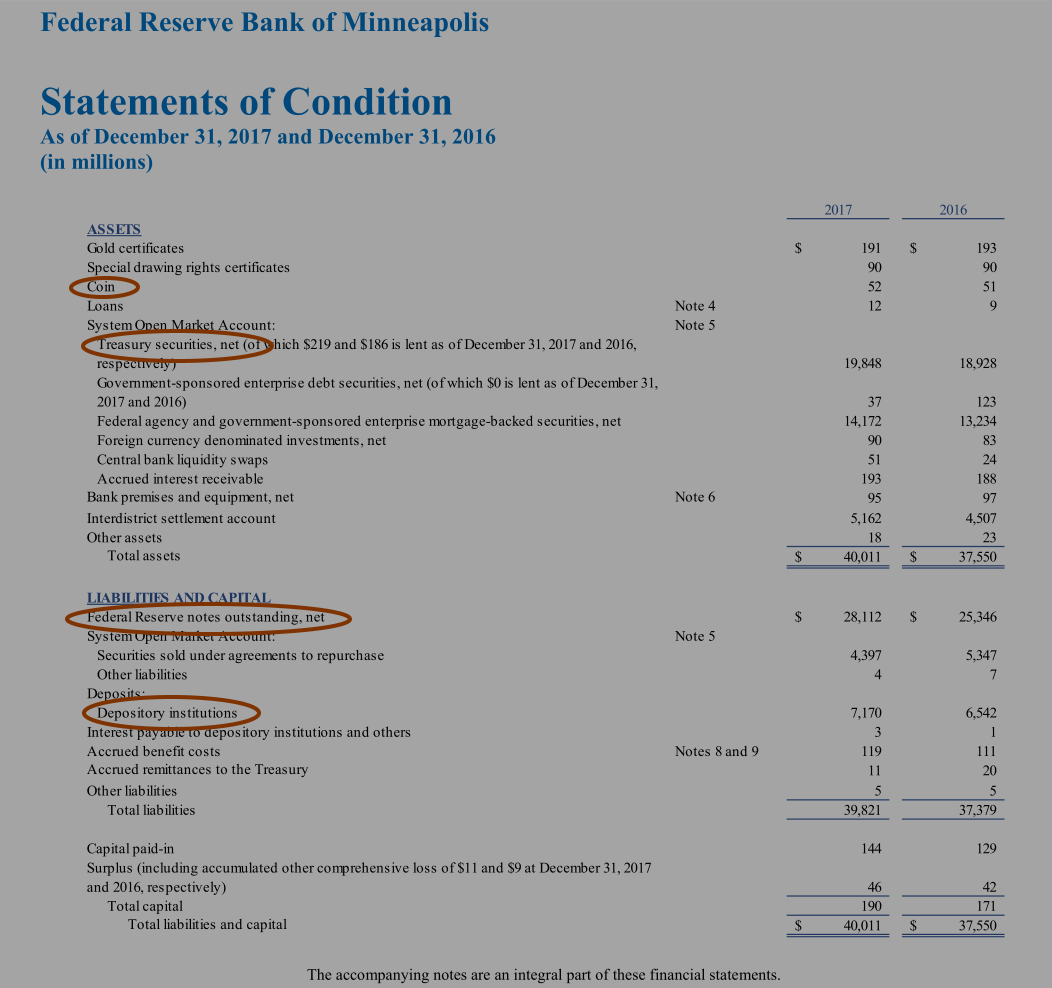
The Reality of Individual Accounts at the Federal Reserve
The most important fact to establish at the outset is that individual citizens do not have personal bank accounts at the Federal Reserve. The Federal Reserve, often referred to simply as “the Fed,” is the central bank of the United States. Its primary mandate is to conduct national monetary policy, supervise and regulate banking institutions, maintain the stability of the financial system, and provide financial services to depository institutions and the U.S. government.
Who Actually Holds Accounts at the Fed?
The Federal Reserve serves as a “banker’s bank.” Its “customers” are not individuals, but rather:
-
Commercial Banks and Credit Unions: Just as you keep your money in a local bank, those banks keep their reserves at the Federal Reserve. This ensures they have the liquidity necessary to process transactions and meet regulatory requirements.
-
The U.S. Treasury: The Federal Reserve acts as the fiscal agent for the United States government. The Treasury Department maintains a general account at the Fed, which is used for government spending, receiving tax payments, and managing federal debt.
-
Foreign Central Banks: International monetary authorities often hold accounts at the Federal Reserve to facilitate international trade and stabilize their own currencies.
Because the Fed is a central authority, it is not structured to provide retail banking services to the public. It does not issue debit cards, offer personal checkbook services, or provide a login portal for individual savings accounts.
Debunking the “Secret Account” Myth
In recent years, a persistent financial myth has circulated online suggesting that every U.S. citizen has a “secret” account at the Federal Reserve tied to their Social Security number. These theories often claim that individuals can pay off debts or access large sums of money by using the Federal Reserve’s routing number.
It is critical for your financial health to understand that these claims are entirely fraudulent. Attempting to use Federal Reserve routing numbers or “secret” account numbers to pay bills is considered a form of fraud and can lead to severe legal consequences, including criminal charges. There is no hidden pool of money at the central bank accessible via a Social Security number. Protecting yourself from these scams is an essential part of modern financial literacy.
How Central Banking Interacts with Your Personal Finance
Even though you do not have a direct account at the Federal Reserve, the actions taken by the Fed have a profound impact on the money you keep in your commercial bank accounts. Understanding this relationship is key to making informed decisions about investing, saving, and borrowing.
The Influence of Interest Rates
The most direct way the Federal Reserve affects your personal bank account is through the federal funds rate. When the Federal Open Market Committee (FOMC) adjusts interest rates, it sets a ripple effect through the entire economy.
-
Savings Accounts: When the Fed raises interest rates, commercial banks typically increase the Annual Percentage Yield (APY) on savings accounts and Certificates of Deposit (CDs). This is the time to check your personal bank account to ensure you are getting a competitive rate.
-
Borrowing Costs: Conversely, when the Fed lowers rates, it becomes cheaper to borrow money for mortgages, auto loans, and credit cards. Monitoring these shifts allows you to time your financial moves, such as refinancing a home or taking out a business loan.
The Flow of Liquidity
The Federal Reserve ensures that when you go to an ATM or transfer money via a mobile app, the system works seamlessly. Through its automated clearinghouse (ACH) services and the FedWire system, the Fed facilitates the movement of trillions of dollars daily between private banks. While you are “checking your account” at a brand like Chase, Bank of America, or a local credit union, the Federal Reserve is the invisible infrastructure making that digital balance update possible in real-time.

Identifying and Accessing Your Actual Financial Accounts
If you are looking to “check your account,” you are likely looking for your holdings at a commercial institution or a government-sponsored investment platform. Effective money management requires a centralized view of these various assets.
Utilizing Online and Mobile Banking
To check your balances, transaction history, and interest earnings, you must use the portals provided by your specific financial institution. Modern banking apps offer more than just a balance check; they provide:
-
Real-Time Alerts: Notifications for large purchases or low balances.
-
Budgeting Tools: Categorization of spending to help you stay within your financial goals.
-
Digital Statements: Legal records of your financial activity which are necessary for tax purposes and loan applications.
Managing Government Securities via TreasuryDirect
While you cannot have a checking account at the Fed, you can have a direct financial relationship with the U.S. Treasury through a system called TreasuryDirect. This is often where the confusion regarding “government accounts” begins.
TreasuryDirect is the official platform where individuals can purchase and hold U.S. Treasury securities, such as:
-
Series I Savings Bonds: Popular for their inflation-protection features.
-
Treasury Bills (T-Bills): Short-term debt securities.
-
Treasury Notes and Bonds: Longer-term investments.
If you have purchased savings bonds or invested in government debt, you “check your account” by logging into the TreasuryDirect.gov portal. This is a legitimate government-held account that represents your personal investment in the nation’s debt, but it functions as an investment vehicle rather than a traditional bank account.
Protecting Your Financial Identity and Digital Security
Because the concept of “Federal Reserve accounts” is often used as a hook by bad actors, maintaining high standards of digital security is paramount for your actual personal finance accounts.
Recognizing Phishing and Financial Scams
Scammers often send emails or text messages claiming that your “Federal Reserve account” has been compromised or that you have unclaimed funds waiting for you at the central bank. Always remember:
-
The Federal Reserve will never contact an individual to ask for personal information, Social Security numbers, or bank details.
-
Any website claiming you can “access your Fed account” by providing your private data is a phishing site designed to steal your identity.
-
Legitimate government communication regarding your money will typically come through the U.S. Treasury or the IRS, and even then, they primarily use physical mail for initial contact regarding sensitive matters.
Best Practices for Financial Monitoring
Rather than searching for a non-existent Fed account, focus on the robust security of your actual accounts:
-
Enable Multi-Factor Authentication (MFA): Ensure that every financial login requires a secondary code.
-
Review Statements Monthly: Check for unauthorized transactions in your commercial bank accounts.
-
Use Aggregation Tools: Use reputable financial software that links your various bank, investment, and credit accounts into one dashboard. This provides a comprehensive view of your net worth without the confusion of searching for individual portals.

The Role of the Fed in Economic Stability and Your Wealth
Understanding why the Federal Reserve exists helps contextualize why it doesn’t offer individual accounts. The Fed’s role is macro-economic. By managing the money supply and overseeing the health of the banking sector, it strives to create an environment of price stability and maximum employment.
When the Fed conducts “quantitative easing” or adjusts the money supply, it is influencing the value of the dollars in your pocket. As a participant in the economy, your “account” with the Federal Reserve is essentially the trust you place in the U.S. Dollar. The stability of your personal savings is a direct result of the Fed’s ability to control inflation.
In conclusion, while the search for a “Federal Reserve bank account” may lead to a dead end in terms of a login page, it opens the door to a deeper understanding of how money works. By focusing your attention on your commercial bank accounts, utilizing TreasuryDirect for government-backed investments, and staying vigilant against financial misinformation, you can manage your wealth with the precision and security required in today’s complex financial landscape. Your financial journey is best served by engaging with the institutions designed for individual growth, leaving the central bank to its role as the architect of the broader economic framework.
aViewFromTheCave is a participant in the Amazon Services LLC Associates Program, an affiliate advertising program designed to provide a means for sites to earn advertising fees by advertising and linking to Amazon.com. Amazon, the Amazon logo, AmazonSupply, and the AmazonSupply logo are trademarks of Amazon.com, Inc. or its affiliates. As an Amazon Associate we earn affiliate commissions from qualifying purchases.