
In the modern landscape of personal finance, agility is a significant asset. As financial goals evolve and the market offers increasingly competitive products, consumers often find that the banking relationships which served them well five years ago may no longer align with their current objectives. Whether you are seeking higher interest rates, lower fee structures, or a more integrated digital banking experience, knowing how to efficiently close a bank account is a fundamental skill in fiscal management.
Chase, as one of the “Big Four” banks in the United States, offers an expansive suite of services. However, if you have decided to move your capital elsewhere, the process of canceling a Chase account requires a methodical approach to ensure your financial health remains uncompromised. This guide provides a professional roadmap for closing your Chase checking or savings account while optimizing your transition to a new financial institution.

1. The Pre-Cancellation Financial Audit: Protecting Your Liquidity
Closing a bank account is not as simple as withdrawing your balance and walking away. To avoid administrative headaches, “zombie” transactions, and potential hits to your credit score, you must conduct a thorough audit of your current financial activity.
Managing Outstanding Transactions and Pending Debits
Before initiating a closure, you must ensure that all pending transactions have cleared. This includes checks you have written that have not yet been cashed and debit card transactions that are still in a “pending” status. If an account is closed while a transaction is in transit, it may be rejected, potentially leading to non-sufficient funds (NSF) fees or damaged relationships with vendors. It is recommended to leave a small “buffer” of funds in the account for at least 30 days to catch any lingering automated clearing house (ACH) transfers.
Redirecting Direct Deposits and Automated Payments
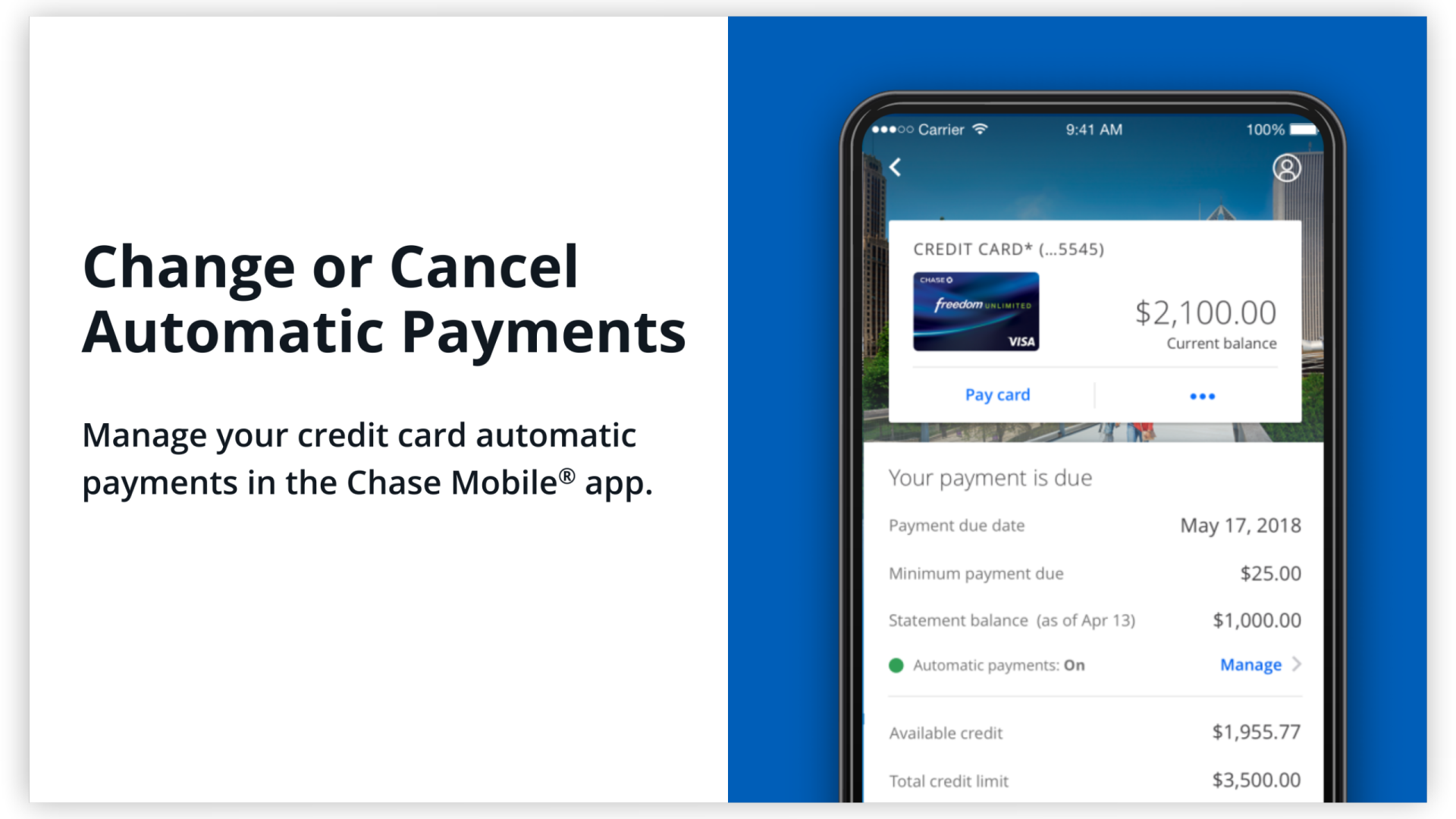
One of the most common pitfalls in switching banks is forgetting a recurring payment. Review the last three to six months of bank statements to identify all automated activities. You must update your payroll provider with your new routing and account numbers at least two pay cycles before closing the Chase account. Simultaneously, migrate your utility payments, insurance premiums, and subscription services (like Netflix or Amazon) to your new financial vehicle.
Preserving and Redeeming Chase Reward Points
If you are closing a checking account that is linked to a Chase Sapphire or Freedom credit card, your Ultimate Rewards points are generally safe. However, if you are closing a business account or a specific rewards-bearing debit account without a corresponding credit card, you risk forfeiting your earned points. Strategically, you should redeem these points for cash back, travel, or gift cards—or transfer them to a partner loyalty program—before the account is officially shuttered.
2. Navigating the Closure Process: Communication Channels
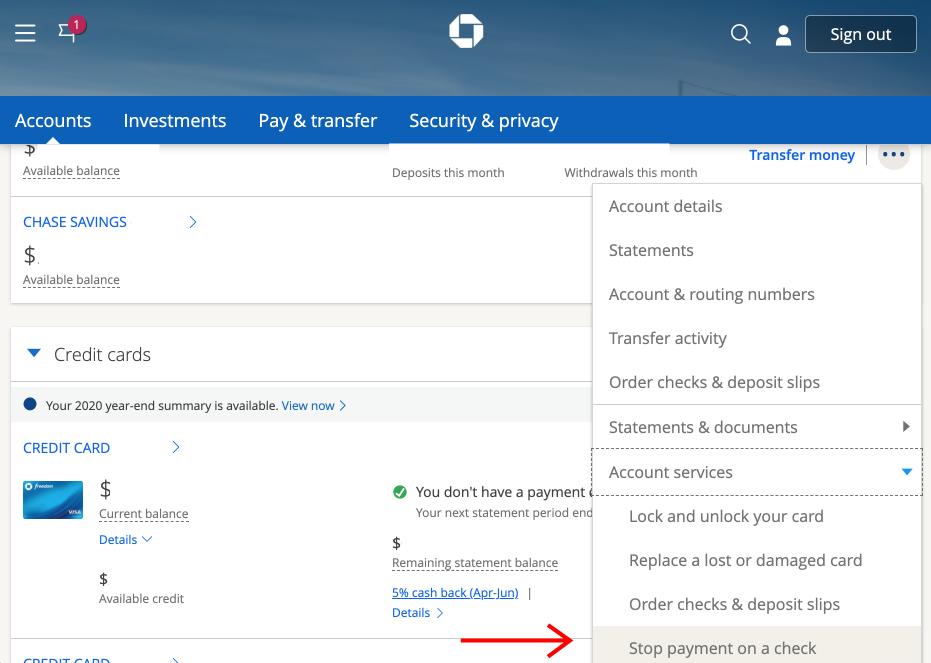
Chase provides several avenues for account closure, ranging from digital self-service to in-person consultations. Choosing the right method depends on your comfort level and the complexity of your account structure.
Closing via Secure Message Center (The Digital Approach)
For those who prefer a documented, asynchronous method, the Chase Secure Message Center is highly effective. Once you log in to your Chase online portal, you can navigate to the “Inquiry” section and compose a message requesting account closure. State clearly which account number you wish to close and provide instructions for the disbursement of remaining funds. This method provides a “paper trail” of your request, which is invaluable if any disputes arise later regarding fees or account status.
Closing via Phone (The Direct Approach)
If you require immediate confirmation, calling Chase customer service is the most direct route. Be prepared for a “retention” conversation; customer service representatives are often trained to offer fee waivers or temporary incentives to keep your business. If your decision is final, remain professional and firm. Request a confirmation number for the closure request and ask for the specific date the account will reflect a zero balance and a closed status.
Visiting a Local Branch (The In-Person Approach)
For individuals with high-net-worth accounts or complex business relationships, visiting a branch to speak with a personal banker is often the best course of action. This allows for the immediate signing of closing documents and the issuance of a cashier’s check for the remaining balance. It also provides an opportunity to ensure that all linked services, such as safe deposit boxes or overdraft protection links, are handled simultaneously.
3. Post-Cancellation Best Practices: Ensuring Financial Security
Once the bank has initiated the closure, your responsibility shifts to monitoring and securing your financial identity. The weeks following a cancellation are critical for preventing administrative errors.
Obtaining Written Confirmation of Closure
Never assume an account is closed just because the online portal is inaccessible. Demand a formal “Account Closed” letter via mail or email. This document serves as your primary defense if a vendor accidentally attempts to pull funds from the account months later, which could trigger a “reopening” of the account due to activity—a common issue known as account resurrection.
Monitoring Your Credit and Final Statements
While closing a checking or savings account does not directly impact your FICO score (unlike closing a credit card), any unresolved fees or negative balances certainly will. Monitor your final statement closely to ensure that “maintenance fees” were not assessed during the final month. If you see a fee that was charged after your request for closure, contact the bank immediately to have it reversed.
Secure Disposal of Physical Assets
Old habits die hard, and an old debit card or a forgotten checkbook in a drawer can be a security liability. Once the account is closed, use a cross-cut shredder to destroy all physical checks, debit cards, and deposit slips associated with the Chase account. This prevents potential identity theft or the accidental use of an inactive card, which could cause confusion at a point of sale.
4. Strategic Reinvestment: Where to Move Your Capital
Closing a Chase account is often a strategic move to optimize your money’s performance. In a professional financial plan, capital should always be working in the most efficient environment possible.
Capitalizing on High-Yield Savings Accounts (HYSA)
Many consumers leave Chase because the interest rates on standard savings accounts are often significantly lower than the national average. By moving your “emergency fund” or liquid cash to a High-Yield Savings Account at a digital-first bank, you can increase your annual percentage yield (APY) by a factor of 10 or more. In a high-interest-rate environment, this shift can result in hundreds or thousands of dollars in passive income over time.
Credit Unions vs. National Banks: A Value Comparison
If your primary reason for leaving Chase is a dissatisfaction with corporate banking fees, a Credit Union might be the logical destination. Credit unions are member-owned cooperatives that often offer lower interest rates on loans and fewer monthly maintenance fees. From a personal finance perspective, diversifying your banking—using a national bank for its robust tech and a credit union for its personalized lending—can create a more balanced financial ecosystem.
Maximizing Capital Efficiency through Investment
If the funds in your Chase account were sitting idle beyond what is necessary for an emergency fund, consider moving that capital into a brokerage account. Transitioning excess liquidity into a low-cost S&P 500 index fund or a diversified portfolio of ETFs allows your money to grow against inflation. The act of closing an underperforming bank account is often the catalyst for a broader “wealth checkup,” ensuring that every dollar you own is assigned a specific, productive purpose.
In conclusion, canceling a Chase account is a straightforward procedure when handled with professional diligence. By auditing your transactions, choosing the right communication channel, and strategically reallocating your assets, you turn a simple administrative task into an opportunity for financial growth. Remember, your bank should work for you; when it no longer meets your criteria for service or return on investment, you have the power to move your capital to a more deserving institution.
aViewFromTheCave is a participant in the Amazon Services LLC Associates Program, an affiliate advertising program designed to provide a means for sites to earn advertising fees by advertising and linking to Amazon.com. Amazon, the Amazon logo, AmazonSupply, and the AmazonSupply logo are trademarks of Amazon.com, Inc. or its affiliates. As an Amazon Associate we earn affiliate commissions from qualifying purchases.