
In an increasingly digital economy, managing finances has evolved beyond traditional bank accounts. Prepaid debit cards offer a versatile and accessible financial tool for millions, providing a secure way to spend money without the need for a credit check or a traditional bank account. Whether you’re looking to manage a budget, offer an allowance to a teenager, provide funds to an unbanked individual, or simply keep spending separate from your main accounts, prepaid debit cards present a compelling solution. Understanding where to acquire these cards, and what to look for, is crucial for making an informed decision that aligns with your financial needs. This comprehensive guide will navigate the various avenues for purchasing prepaid debit cards, outline key considerations, and empower you to choose the best option.
Understanding the Versatility of Prepaid Debit Cards
Before diving into acquisition points, it’s essential to grasp what a prepaid debit card is and how it functions within the financial landscape. Unlike credit cards, which allow you to borrow money, or traditional debit cards, which link directly to a checking account, prepaid debit cards are loaded with funds beforehand. You can only spend the money that you’ve loaded onto the card, making them an excellent tool for budget control and avoiding debt.
What Defines a Prepaid Debit Card?
A prepaid debit card operates on major payment networks like Visa, MasterCard, Discover, or American Express, making it widely accepted wherever these cards are honored – both online and in brick-and-mortar stores. They offer many of the conveniences of a traditional debit card, such as online shopping capabilities, bill payment, and ATM access for cash withdrawals, but without requiring a bank account or credit history. This accessibility is a significant draw for individuals who may be unbanked, underbanked, or simply prefer an alternative to traditional banking.
Who Benefits Most from Prepaid Cards?
The utility of prepaid debit cards extends to a diverse range of users:
- Budget-Conscious Individuals: They help prevent overspending by limiting you to the loaded amount, making them an excellent budgeting tool for discretionary expenses.
- The Unbanked and Underbanked: For those without traditional bank accounts, prepaid cards provide a crucial gateway to the digital economy, enabling online purchases, direct deposit of paychecks, and easier bill payments.
- Teenagers and Students: Parents can use prepaid cards to give allowances or funds for specific expenses, teaching financial responsibility in a controlled environment.
- Travelers: They offer a safer alternative to carrying large amounts of cash and can be easily replaced if lost or stolen, often with less hassle than replacing a traditional bank card abroad.
- Online Shoppers: For enhanced security, some users prefer to load only the necessary amount onto a prepaid card for online transactions, isolating their main bank accounts from potential breaches.
Primary Acquisition Channels for Prepaid Debit Cards
The market for prepaid debit cards has expanded considerably, offering numerous avenues for purchase. Each channel comes with its own set of advantages, disadvantages, and potential fee structures.
Retail Stores and Pharmacies
One of the most common and convenient places to buy a prepaid debit card is at major retail chains and pharmacies. Stores like Walmart, CVS, Walgreens, Rite Aid, and various grocery stores typically carry a selection of prepaid cards.
- Advantages:
- Instant Access: You can purchase and often load the card immediately, making it ideal for urgent needs.
- Widespread Availability: These stores are ubiquitous, making it easy to find a purchase point almost anywhere.
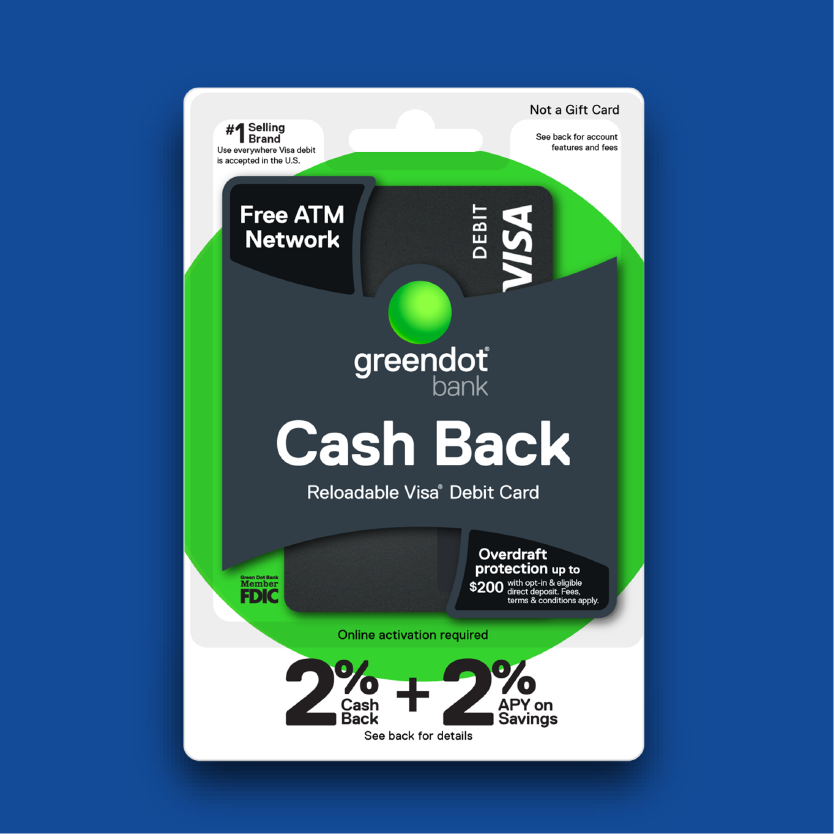
- Variety: Many stores offer cards from different providers (e.g., Green Dot, Netspend, Vanilla, OneVanilla, MyVanilla, PayPal Prepaid), allowing for some choice.
- Disadvantages:
- Activation Fees: Cards purchased in retail stores often come with an upfront activation fee, typically ranging from $2.95 to $9.95.
- Limited Features: The selection available might not include cards with the most advanced features or lowest ongoing fees compared to online-exclusive options.
- Less Information: Store employees might not be fully knowledgeable about the intricacies of each card’s fee structure or specific terms and conditions.
Online Providers and Websites
A growing number of financial technology (FinTech) companies and dedicated prepaid card providers operate exclusively or primarily online. These include popular names like Green Dot, Netspend, Chime (which offers a debit card that functions similarly to a prepaid card for many users), PayPal Prepaid, and numerous others.
- Advantages:
- Broader Selection and Features: Online platforms typically offer a wider array of cards with diverse features, such as direct deposit, bill pay, savings accounts, and robust mobile apps.
- Potentially Lower Fees: Some online providers aim to attract customers with lower or no monthly fees, especially if you meet certain direct deposit requirements.
- Convenience of Application: The application process is entirely online and can be completed from home, though the physical card will be mailed to you.
- Detailed Information: Websites offer comprehensive information on fees, terms, and conditions, allowing for thorough comparison.
- Disadvantages:
- Waiting Period: You’ll need to wait a few business days for the physical card to arrive in the mail.
- Identity Verification: Online providers usually require more stringent identity verification (name, address, SSN) before a card is issued, aligning with federal regulations.
Banks and Credit Unions
While less common for standalone prepaid offerings, some traditional banks and credit unions do offer their own branded prepaid debit cards, sometimes as an alternative to traditional checking accounts or for specific programs.
- Advantages:
- Trust and Security: Backed by established financial institutions, these cards often come with a high level of trust and robust security features.
- Integration: If you’re an existing customer, the card might integrate seamlessly with your other banking services.
- FDIC Insurance: Most cards offered by banks are FDIC-insured, protecting your funds up to the legal limit.
- Disadvantages:
- Limited Availability: Not all banks offer prepaid cards, and the selection might be very limited.
- May Require Existing Relationship: Some banks may only offer these cards to existing customers or require you to open a limited bank account.
- Potentially Higher Fees: Bank-branded prepaid cards can sometimes carry higher fees than those from online-focused providers.
Financial Service Centers
Places like Western Union, MoneyGram, and various check-cashing stores often sell prepaid debit cards. These centers cater primarily to individuals who rely on cash transactions and may not have traditional banking relationships.
- Advantages:
- Cash-Friendly: Ideal for those who primarily deal in cash and need a convenient way to load funds.
- Accessibility: Like retail stores, these centers are often widely available.
- Disadvantages:
- Higher Fees: Cards purchased and loaded at these centers can sometimes incur higher transaction and reload fees.
- Limited Selection: The choice of cards may be restricted to a few specific brands.
Key Factors to Consider Before Your Purchase
The sheer variety of prepaid debit cards means that not all are created equal. To avoid unexpected costs and ensure the card meets your specific needs, a thorough evaluation of several key factors is imperative.

Understanding the Fee Structure
This is arguably the most critical aspect of choosing a prepaid debit card. Fees can quickly erode your balance if you’re not careful. Look out for:
- Activation Fee: The initial cost to purchase and activate the card (common in retail stores).
- Monthly Maintenance Fee: A recurring fee charged for simply having the card, though many cards waive this with direct deposit or a minimum balance.
- Transaction Fees: Charges for specific transactions, such as point-of-sale purchases (less common now), bill pay, or balance inquiries.
- ATM Fees: Charges for withdrawing cash from ATMs, which can include both a fee from the card provider and a fee from the ATM owner.
- Reload Fees: Charges for adding money to the card, which can vary significantly depending on the reload method (e.g., cash at retail, direct deposit, bank transfer).
- Inactivity Fees: Fees charged if the card is not used for a certain period.
- Customer Service Fees: Some cards might charge for speaking to a representative or requesting certain services.
Always read the cardholder agreement thoroughly, especially the fee schedule, before committing to a purchase.
Reload Options and Convenience
Consider how you will regularly add money to your card. The easier and more affordable the reload process, the more convenient the card will be.
- Direct Deposit: Many cards allow direct deposit of paychecks or government benefits, often waiving monthly fees and providing early access to funds. This is typically the most cost-effective reload method.
- Cash Reload Networks: Services like Green Dot MoneyPak, Visa ReadyLink, or MasterCard rePower allow you to add cash to your card at participating retail locations, though often for a fee.
- Bank Transfers: Some cards allow you to link an external bank account for electronic transfers.
- Mobile Check Deposit: A feature offered by some cards, allowing you to deposit checks using a smartphone camera.
Network Acceptance and Features
Ensure the card you choose operates on a major payment network (Visa, MasterCard, Discover, American Express) for wide acceptance. Beyond that, consider features important to you:
- Mobile App: A robust mobile app can simplify balance checks, transaction monitoring, and fund management.
- Online Bill Pay: The ability to pay bills directly from your card account.
- Savings Features: Some cards offer optional savings accounts or tools to encourage saving.
- Alerts and Notifications: Text or email alerts for transactions, low balances, or direct deposit arrivals.
- FDIC Insurance: This protects your funds in case the financial institution holding them fails. While not all prepaid cards are directly FDIC-insured, many are offered by banks that do offer this protection.
Security and Fraud Protection
Like traditional debit and credit cards, prepaid cards should offer security features. Look for:
- Zero Liability Policy: Protection against unauthorized purchases if your card is lost or stolen.
- PIN Protection: A personal identification number for secure transactions.
- Fraud Monitoring: The provider’s system for detecting and preventing fraudulent activity.
- Dispute Resolution: A clear process for disputing incorrect or unauthorized charges.
Activating and Managing Your Prepaid Card
Once you’ve purchased your prepaid debit card, the process isn’t complete until it’s activated and you understand how to manage it effectively.
The Activation Process
Most prepaid cards require activation before they can be used. This typically involves visiting the provider’s website or calling a toll-free number. You will usually need to provide personal information such as your name, address, date of birth, and possibly your Social Security number to verify your identity. This is a federal requirement under the USA PATRIOT Act to prevent money laundering and terrorist financing. While some temporary cards may allow limited use without full registration, full activation is necessary to unlock all features and benefits, and to protect your funds.
Loading Funds and Online Management
After activation, you can begin loading funds using your preferred method. It’s advisable to set up direct deposit if available and feasible, as it often waives monthly fees and simplifies regular funding. Most prepaid card providers offer an online portal or a dedicated mobile app where you can:
- Check your balance and transaction history.
- Set up alerts for low balances or transactions.
- Manage your personal information.
- Find reload locations.
- Pay bills online.
Regularly monitoring your account is crucial for budgeting and detecting any unauthorized activity promptly.
Tips for Safe and Responsible Usage
- Treat it like cash: If lost or stolen, your funds could be compromised. Report any issues immediately.
- Keep your PIN secure: Never share your PIN with anyone or write it down on your card.
- Monitor your transactions: Regularly review your account statements or use the mobile app to ensure all transactions are legitimate.
- Understand limits: Be aware of daily spending, ATM withdrawal, and reload limits.
- Don’t over-rely on temporary cards: While convenient for immediate use, fully registered cards offer better protection and more features.

Making the Right Choice for Your Financial Journey
The journey to finding the ideal prepaid debit card begins with a clear understanding of your personal financial habits and needs. Do you prioritize convenience over fees? Is direct deposit a must-have? How frequently will you use the card, and for what types of transactions? By answering these questions, you can narrow down the vast selection available across retail stores, online providers, and even financial institutions.
While the convenience of picking up a card at a local supermarket is undeniable, exploring online options often reveals cards with more competitive fee structures and a broader suite of features. The most insightful approach involves comparing at least two or three cards side-by-side, focusing intently on their fee schedules, reload methods, and security provisions. Remember, the goal is to find a card that acts as a true financial enabler, simplifying your money management without burdening you with unnecessary costs. With diligent research and an awareness of the factors discussed, you can confidently navigate the market and select the prepaid debit card that best serves your unique financial landscape.
aViewFromTheCave is a participant in the Amazon Services LLC Associates Program, an affiliate advertising program designed to provide a means for sites to earn advertising fees by advertising and linking to Amazon.com. Amazon, the Amazon logo, AmazonSupply, and the AmazonSupply logo are trademarks of Amazon.com, Inc. or its affiliates. As an Amazon Associate we earn affiliate commissions from qualifying purchases.