
Understanding one’s daily caloric needs is a cornerstone of effective health and fitness management, whether the goal is weight loss, muscle gain, or maintaining a healthy lifestyle. While traditional methods of estimation have long existed, the advent of sophisticated technology has revolutionized the precision, convenience, and personalization of this crucial calculation. This article delves into how contemporary digital tools, from smart applications to advanced AI, empower individuals to accurately determine and manage their caloric intake.
The Evolving Landscape of Calorie Tracking
The journey from rudimentary food diaries to intelligent digital ecosystems illustrates a significant shift in how we approach nutritional science. Historically, calculating caloric needs involved complex formulas, manual measurements, and often, educated guesswork. Today, technology provides a dynamic and integrated approach, offering a level of detail and responsiveness previously unimaginable.
From Manual Logs to Digital Solutions
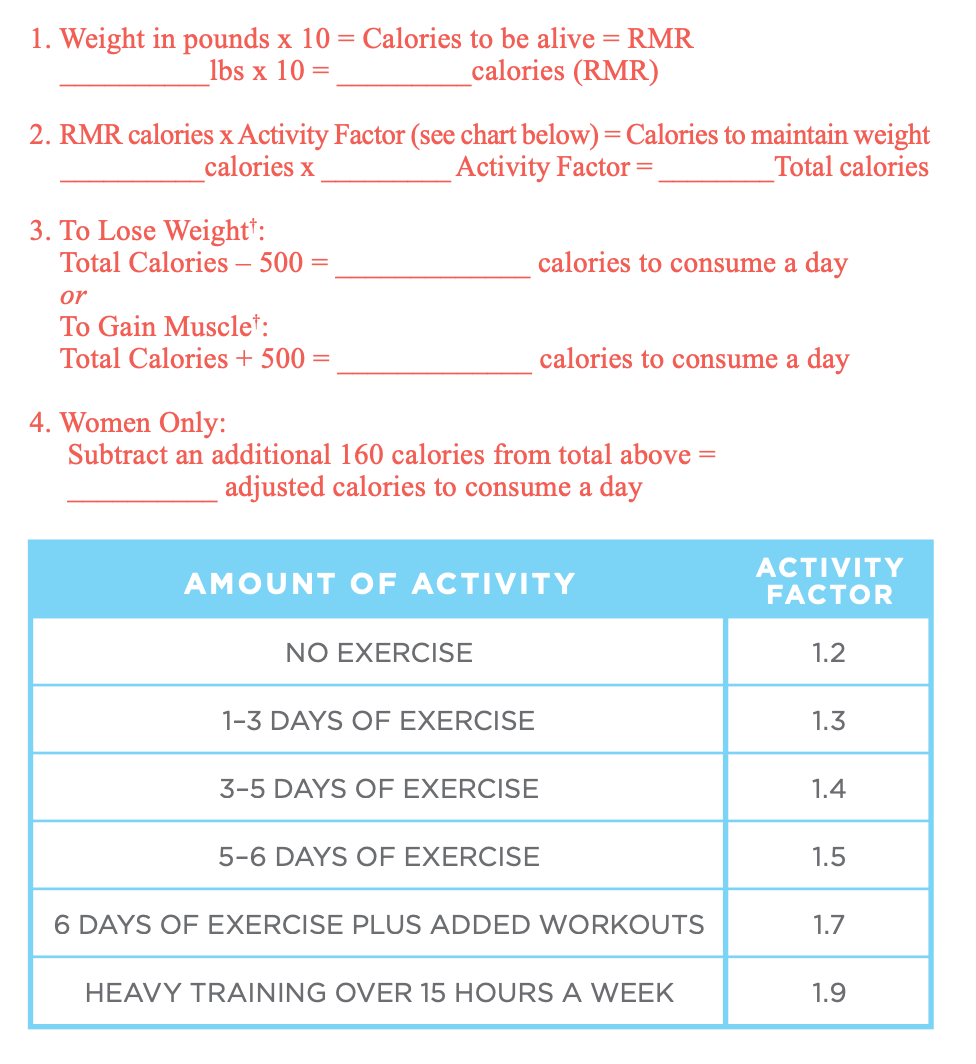
Before the digital age, individuals relied on laborious processes: looking up nutritional data in reference books, manually logging every food item consumed, and performing complex calculations to estimate total daily energy expenditure (TDEE). This method was prone to human error, time-consuming, and often led to inconsistencies, making it challenging to maintain long-term adherence.
The digital revolution introduced spreadsheets, then dedicated software, and eventually mobile applications that streamlined data entry and automated calculations. These early digital solutions significantly reduced the friction associated with tracking, making it accessible to a wider audience. They transformed the once-tedious task into a manageable daily habit, laying the groundwork for even more advanced technological integrations.
Why Precision Matters for Personal Goals
The human body is a complex system, and its energy requirements are highly individualized, varying based on age, sex, weight, height, activity level, and metabolic rate. Generic calorie guidelines, while a starting point, often lack the granularity needed for specific health outcomes. Precision in calorie calculation is paramount for several reasons:
-
Targeted Weight Management: To lose weight, a consistent caloric deficit is necessary; to gain weight (e.g., muscle mass), a surplus is required. Accurate calculations ensure these targets are met without excessive restriction or overconsumption.
-
Optimized Performance: Athletes and highly active individuals require precise energy intake to fuel training, recovery, and peak performance, preventing burnout or inadequate nutrient availability.
-
Health and Wellness: Avoiding nutrient deficiencies or excesses is vital for overall health, energy levels, and disease prevention. Precise tracking helps in balancing macronutrients and micronutrients.
Technology’s ability to offer this precision, tailored to individual biometrics and activity patterns, makes it an indispensable tool in modern health management.
Leveraging Smart Apps for Calorie Estimation
At the forefront of accessible calorie calculation are smart applications designed for smartphones and tablets. These apps have democratized nutritional tracking, putting sophisticated algorithms and extensive food databases into the hands of everyday users. They are often the first point of contact for individuals seeking to understand their caloric needs.
Understanding Basal Metabolic Rate (BMR) and Total Daily Energy Expenditure (TDEE) Calculators
Most robust nutrition apps integrate calculators for Basal Metabolic Rate (BMR) and Total Daily Energy Expenditure (TDEE).
-
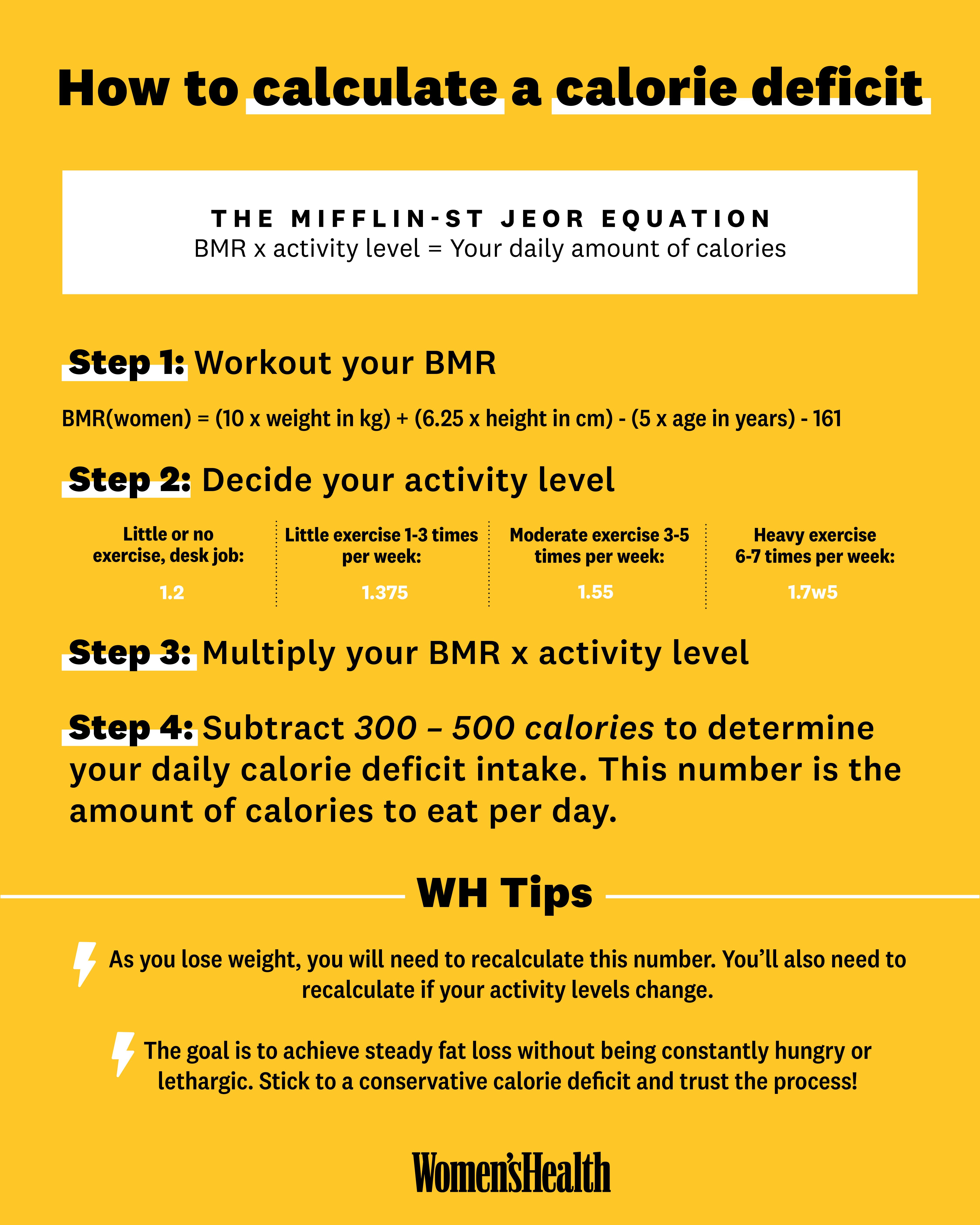
Basal Metabolic Rate (BMR): This represents the minimum number of calories your body needs to perform basic, life-sustaining functions at rest (e.g., breathing, circulation, cell production). Apps typically use established formulas like the Mifflin-St Jeor equation or the Harris-Benedict equation, requiring inputs such as age, sex, height, and weight.
-
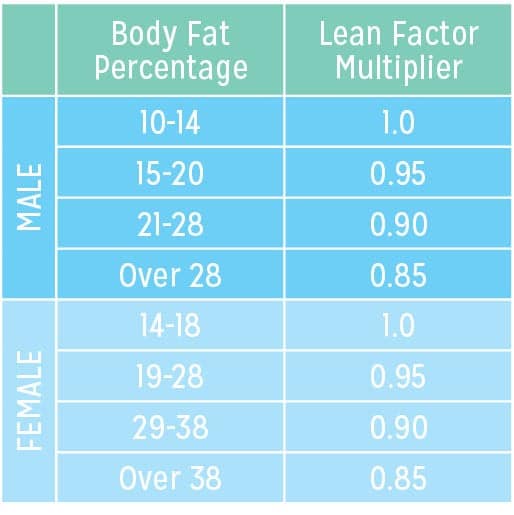
Total Daily Energy Expenditure (TDEE): This expands on BMR by factoring in your activity level. Apps often provide a range of multipliers (e.g., sedentary, lightly active, moderately active, very active, extra active) that are applied to your BMR to estimate the total calories burned throughout the day, including exercise and non-exercise activity thermogenesis (NEAT).
The accuracy of these calculations depends heavily on the honesty and precision of user inputs. Engaging features, clear instructions, and intuitive interfaces make these complex calculations manageable for non-experts.
Inputting Data and Tracking Progress
The core functionality of calorie-tracking apps revolves around efficient data input and visual progress tracking. Users log their food intake, either by searching extensive databases, scanning barcodes, or even creating custom food entries. Advanced apps offer:
-
Barcode Scanners: Instantly pull nutritional data from packaged foods.
-
Voice Recognition: Allows hands-free logging of meals.
-
Meal Creation Tools: Save frequently consumed meals for quick logging.
-
Recipe Builders: Calculate calories and macronutrients for homemade dishes.
Once food is logged, the app automatically calculates the total calories, macronutrients (proteins, fats, carbohydrates), and often micronutrients consumed. This data is then compared against the user’s calculated TDEE, providing instant feedback on whether they are meeting their caloric goals. Visual dashboards, graphs, and trendlines help users monitor their progress over time, identify patterns, and make informed adjustments to their diet.
Popular Nutrition Tracking Apps and Their Features
Numerous apps dominate this space, each offering a unique set of features tailored to different user preferences. Some prominent examples include MyFitnessPal, LoseIt!, Cronometer, and MacroFactor. Key features often include:
-
Extensive Food Databases: Continuously updated with millions of food items, including restaurant meals and brand-specific products.
-
Goal Setting and Adjustment: Allowing users to set weight loss, maintenance, or gain goals, with automatic calorie recommendations.
-
Macronutrient Breakdowns: Detailed percentages and grams of protein, fat, and carbs.
-
Water Tracking: Integration to monitor hydration.
-
Exercise Logging: Syncs with fitness trackers or allows manual input of activities and their estimated caloric burn.
-
Community Features: Forums and social sharing options to connect with other users.
-
Premium Features: Often include advanced analytics, ad-free experience, and personalized coaching.
Wearable Technology and Real-Time Energy Burn
The integration of wearable technology has significantly enhanced the precision of calorie calculation by providing real-time data on activity levels and physiological responses. Smartwatches, fitness trackers, and other biometric devices offer a dynamic layer to static TDEE estimations.
How Smartwatches and Fitness Trackers Contribute
Modern wearables are equipped with a suite of sensors that capture continuous data relevant to energy expenditure:
-
Heart Rate Monitors: Optical sensors track heart rate, a key indicator of metabolic activity during exercise and throughout the day.
-
Accelerometers and Gyroscopes: Detect motion, steps taken, and sleep patterns, providing a detailed picture of overall activity levels.
-
GPS: For outdoor activities, GPS tracks distance and pace, allowing for more accurate calorie burn estimations.
By continuously monitoring these metrics, wearables can provide a more personalized and dynamic estimation of daily calorie expenditure than a static activity multiplier. This data helps refine the TDEE calculation, moving beyond broad categories to a more individualized assessment of energy needs.
Integrating Wearable Data with Nutrition Platforms
The true power of wearables in calorie calculation lies in their ability to seamlessly integrate with nutrition tracking apps. Most popular apps offer direct synchronization with major wearable brands (e.g., Apple Watch, Garmin, Fitbit). This integration allows:
-
Automatic Activity Logging: Steps, workouts, and estimated calories burned are automatically transferred from the wearable to the nutrition app.
-
Dynamic TDEE Adjustments: As activity levels fluctuate, the nutrition app can adjust the recommended calorie intake in real-time or daily, providing a more responsive guide to eating.
-
Holistic Health Overview: Users gain a comprehensive view of their energy balance, seeing how their intake aligns with their output, all within a single interface.
This interoperability creates a powerful feedback loop, enabling users to make immediate, data-driven decisions about their diet based on their actual physical activity.
Accuracy and Limitations of Device-Based Tracking
While highly beneficial, it is important to acknowledge the limitations of wearable technology:
-
Varied Accuracy: The accuracy of calorie burn estimates can vary significantly between devices and even for different activities. Wrist-based heart rate sensors can be less accurate during high-intensity workouts or for individuals with certain skin tones.
-
Individual Physiology: Algorithms in wearables make assumptions about metabolism and movement patterns that may not perfectly match every individual. Factors like body composition, age, and fitness level can influence actual energy expenditure beyond what sensors can detect.
-
Calibration: Some devices benefit from calibration through consistent use and user input, improving their long-term accuracy.
Despite these limitations, wearable data provides a significant improvement over manual self-reporting and generic estimations, offering valuable insights that contribute to a more informed understanding of personal caloric needs.
AI and Advanced Algorithms for Personalized Nutrition
The cutting edge of caloric calculation and nutritional guidance lies in artificial intelligence (AI) and machine learning algorithms. These technologies move beyond simple tracking and estimation to offer truly personalized, adaptive, and predictive insights.
Predictive Analytics for Calorie Adjustment
AI-powered platforms go beyond calculating BMR and TDEE; they learn from your historical data, body responses, and behavior patterns.
-
Adaptive Goals: Instead of fixed calorie targets, AI can dynamically adjust recommendations based on how your body responds to current intake and activity. If weight loss stalls despite a consistent deficit, AI might suggest a slight adjustment.
-
Trend Analysis: AI identifies long-term trends in weight, body composition, and energy levels, offering proactive advice rather than reactive measures. It can predict plateaus or suggest changes before they become apparent to the user.
-
Contextual Recommendations: AI considers factors like sleep quality, stress levels (if integrated with other health metrics), and even hormonal cycles to fine-tune calorie needs, recognizing that human metabolism is not static.
This predictive capability transforms calorie counting from a rigid number-crunching task into an intelligent, responsive guidance system.
AI-Powered Meal Planning and Recipe Suggestions
Beyond just calculating calories, AI is becoming instrumental in planning meals that align with those caloric and macronutrient targets.
-
Automated Meal Plans: Based on your calculated needs, dietary preferences (vegetarian, keto, gluten-free), and even ingredient availability, AI can generate personalized meal plans for days or weeks.
-
Intelligent Recipe Recommendations: AI-driven tools can suggest recipes that fit your remaining calorie budget for a day, helping you stay on track without tedious manual searching. They can also optimize for nutrient density or specific dietary goals.
-
Ingredient Optimization: Some advanced AI platforms can help users optimize their grocery lists, minimizing waste and ensuring they have the right ingredients for their planned meals.
This takes the cognitive load off the user, making adherence to a specific caloric intake significantly easier and more enjoyable.
The Future of Personalized Dietary Recommendations
The future of AI in nutrition is boundless. Imagine:
-
Genomic Nutrition: AI analyzing your DNA to provide calorie and macronutrient recommendations optimized for your unique genetic predispositions.
-
Microbiome-Driven Diets: Integrating data from gut microbiome analysis to suggest foods that support a healthy gut, influencing nutrient absorption and metabolism.
-
Smart Kitchen Integration: AI-powered kitchen appliances that suggest recipes based on available ingredients and your caloric goals, or even weigh out portions automatically.
These advancements promise an era of highly personalized nutrition where technology acts as an intelligent, ever-learning nutritionist tailored precisely to an individual’s evolving needs.
Digital Security and Data Privacy in Health Tech
As we increasingly rely on technology to manage sensitive personal health information, including caloric intake, biometric data, and health goals, the importance of digital security and data privacy cannot be overstated. Users must be diligent in safeguarding their information.
Safeguarding Personal Health Information
Health data, including detailed food logs and activity levels, can reveal intimate details about an individual’s lifestyle and health status. This information is valuable to third parties, from advertisers to insurance companies, making it a target for breaches and misuse. Protecting this data involves:
-
Strong Passwords and Multi-Factor Authentication (MFA): Essential for preventing unauthorized access to accounts.
-
Understanding App Permissions: Reviewing what data an app requests access to and questioning unnecessary permissions.
-
Regular Software Updates: Keeping apps and operating systems updated to patch security vulnerabilities.
-
Avoiding Public Wi-Fi for Sensitive Transactions: Using secure, private networks when inputting personal health data.
Best Practices for Choosing Secure Platforms
When selecting a calorie calculation or nutrition tracking app, consider the platform’s commitment to security and privacy:
-
Read Privacy Policies: Understand how your data is collected, stored, used, and shared. Look for clear statements about data anonymization and encryption.
-
Check for Compliance: Reputable apps often adhere to health data privacy regulations like GDPR (Europe) or HIPAA (USA), although HIPAA typically applies to healthcare providers, not direct-to-consumer apps.
-
Review Security Audits and Certifications: Some platforms undergo independent security audits, which can be an indicator of their robustness.
-
Reputation and Reviews: User reviews and industry reputation can provide insights into a company’s past performance regarding data breaches or privacy concerns.
The Importance of Informed Consent
Users should always be aware of what data they are sharing and explicitly consent to its use. Many apps offer granular control over data sharing settings, allowing users to opt out of certain data uses, such as sharing with third-party advertisers. Being an informed consumer of health technology means actively managing one’s digital footprint and ensuring that the convenience of advanced calorie calculation does not come at the expense of personal privacy. The balance between utilizing powerful tools and protecting sensitive information is a critical consideration in today’s technologically driven health landscape.
aViewFromTheCave is a participant in the Amazon Services LLC Associates Program, an affiliate advertising program designed to provide a means for sites to earn advertising fees by advertising and linking to Amazon.com. Amazon, the Amazon logo, AmazonSupply, and the AmazonSupply logo are trademarks of Amazon.com, Inc. or its affiliates. As an Amazon Associate we earn affiliate commissions from qualifying purchases.