
Understanding your body’s daily calorie requirement is a cornerstone of effective health, fitness, and weight management strategies. For decades, this process often involved complex manual calculations, estimation charts, and a degree of guesswork. Today, however, the landscape has been revolutionized by technology. From sophisticated algorithms embedded in everyday apps to cutting-edge AI-powered platforms and smart wearables, calculating and managing your calorie needs has become more precise, personalized, and accessible than ever before. This article will delve into the technological innovations that have transformed how we approach this fundamental aspect of personal health, focusing exclusively on the digital tools and tech solutions that empower users to accurately determine and track their caloric intake and expenditure.
The Foundational Science: Algorithms Behind Your Digital Health
Before diving into the specific technologies, it’s crucial to understand the scientific principles they are built upon. Modern digital tools don’t invent new biology; they automate, refine, and integrate established physiological formulas and models, making them vastly more efficient and user-friendly.
Basal Metabolic Rate (BMR) and its Digital Estimation
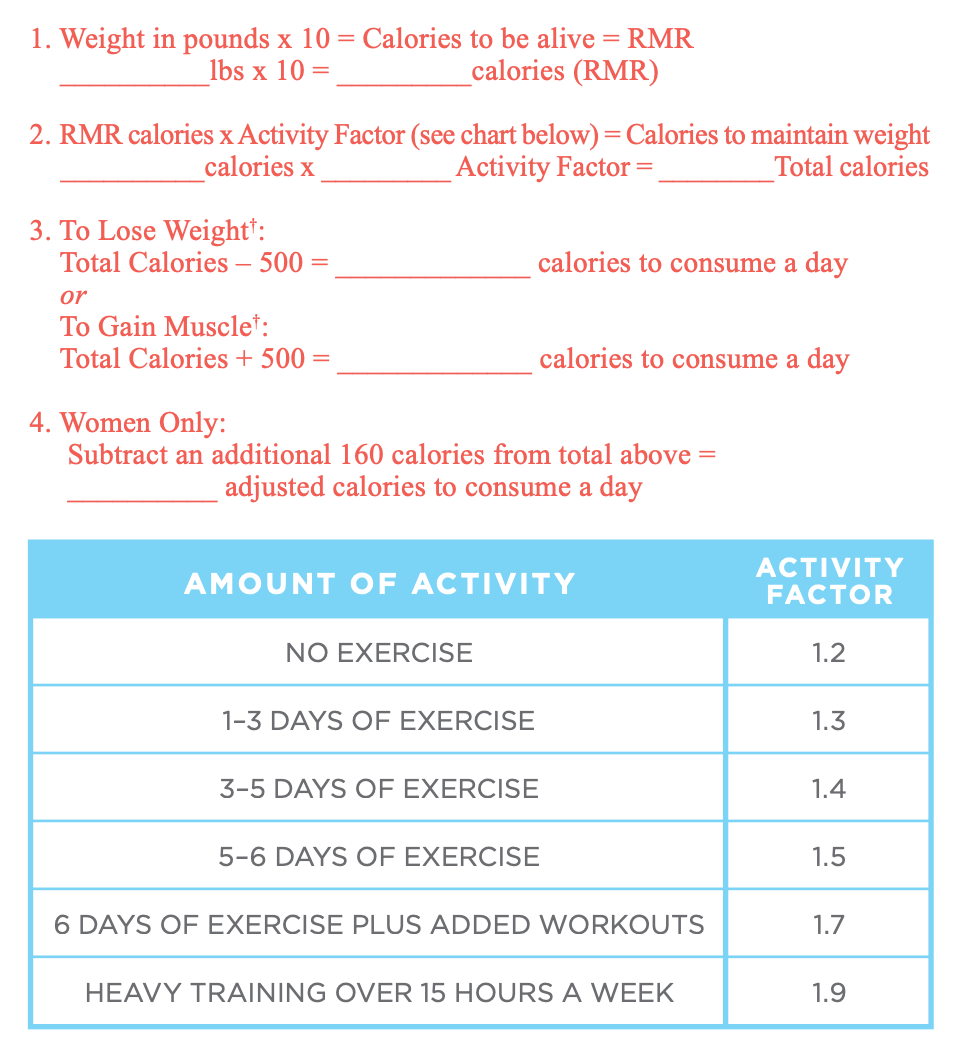
At the heart of any calorie requirement calculation is the Basal Metabolic Rate (BMR). This is the minimum amount of energy (calories) your body needs to perform basic, life-sustaining functions while at rest, such as breathing, circulation, nutrient processing, and cell production. Historically, BMR was estimated using formulas like the Harris-Benedict equation (1919, revised 1984) or the Mifflin-St Jeor equation (1990), which consider factors like age, gender, weight, and height.
In the digital age, these formulas are the core algorithms integrated into countless apps and online calculators. When you input your personal data into a fitness app, it typically processes this information through one of these established BMR equations within milliseconds. This automation eliminates the need for manual calculations, providing an instant, foundational estimate of your resting energy expenditure. The convenience of these digital tools lies in their ability to perform these complex computations seamlessly, often requiring just a few taps or clicks from the user.
Activity Level and Technological Tracking
Your BMR represents only a fraction of your total daily energy expenditure (TDEE). The vast majority of people also expend calories through physical activity. TDEE is calculated by multiplying your BMR by an activity factor, which ranges from sedentary to extremely active. Determining this factor accurately has traditionally been subjective, relying on self-assessment.
Here’s where wearable technology shines. Smartwatches, fitness trackers, and even advanced smartphones are equipped with accelerometers, gyroscopes, and heart rate monitors. These sensors continuously collect data on your movement, step count, intensity of exercise, and duration of physical activity. This raw data is then processed by internal algorithms to estimate your activity level with remarkable precision. Many apps integrate directly with these wearables, automatically receiving data to dynamically adjust your estimated activity factor throughout the day. This real-time, objective tracking offers a significant leap in accuracy compared to previous self-reported methods, making your TDEE calculation much more reliable.
Factors Influencing Calorie Requirements and AI Personalization
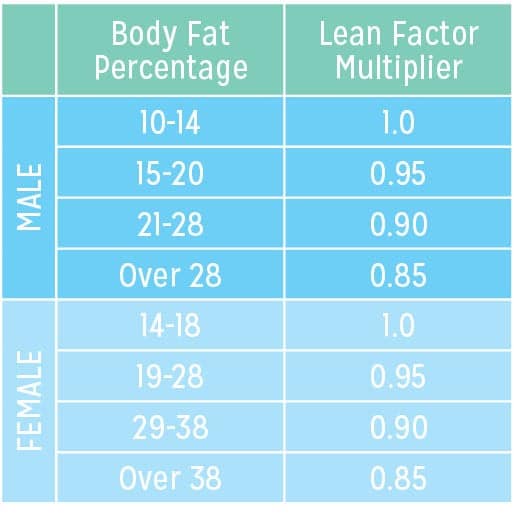
Beyond BMR and activity, numerous other factors can influence your calorie requirements, including body composition (muscle mass versus fat mass), hormonal balance, climate, and specific health conditions. While traditional formulas offer a general starting point, they often lack the granularity to account for these individual nuances.
The advent of Artificial Intelligence (AI) and machine learning (ML) is beginning to bridge this gap. Modern AI-powered nutrition platforms are designed to go beyond static formulas. By analyzing vast datasets—including user-reported data, wearable device metrics, and even historical patterns of similar users—AI algorithms can identify subtle patterns and correlations. This allows them to offer more personalized and adaptive calorie requirement estimations. For instance, an AI might learn that a user’s metabolism deviates slightly from the standard model based on their observed weight changes relative to their reported intake and activity, leading to more refined, individual-specific recommendations. This represents a significant step towards truly personalized health insights.
Leveraging Digital Tools for Precise Calorie Calculation
The practical application of these scientific principles and technological advancements manifests in a diverse ecosystem of digital tools designed to help you accurately calculate and manage your calorie intake.
Dedicated Calorie Calculator Apps and Websites
The most common entry point for many is the dedicated calorie calculator app or website. These platforms often serve as comprehensive digital hubs for nutrition tracking. They typically feature:
- User Profiles: Allowing you to input age, gender, height, weight, and weight goals (loss, gain, maintenance).
- Goal Setting: Guiding you to set realistic daily calorie targets based on your objectives.
- Extensive Food Databases: Containing nutritional information for millions of food items, from raw ingredients to restaurant meals and packaged goods. Many leverage barcode scanning features for quick and accurate logging.
- Macronutrient Breakdowns: Beyond just calories, these apps often break down your intake into protein, carbohydrates, and fats, allowing for a more nuanced approach to nutrition.
- Activity Logging: Either through manual input or seamless integration with fitness trackers, they help account for calories burned during exercise.
The user-friendly interfaces of these apps make it simple to log food, view daily summaries, and understand how your eating habits align with your calorie requirements. They transform the once tedious task of dietary tracking into an accessible and engaging daily routine.
Wearable Technology and Integrated Ecosystems
Wearable devices have evolved far beyond simple step counters. Modern smartwatches and fitness trackers are sophisticated health monitors, continuously collecting biometric data. When it comes to calorie calculation, their primary contribution is the objective measurement of energy expenditure.
These devices employ advanced algorithms to estimate calories burned not just through explicit exercise but also through non-exercise activity thermogenesis (NEAT) and even during sleep. By monitoring heart rate variability, skin temperature, and movement patterns, they provide a much more accurate estimate of your TDEE. Crucially, many of these wearables are part of integrated health ecosystems, syncing their data directly with companion apps on your smartphone or cloud platforms. This creates a holistic dashboard where your estimated calorie burn is automatically updated, allowing nutrition apps to provide real-time adjustments to your remaining calorie budget for the day. This dynamic interaction is a game-changer for maintaining caloric balance.
AI-Powered Nutrition Platforms and Virtual Coaches

Pushing the boundaries further, AI-powered nutrition platforms and virtual coaches represent the cutting edge of personalized calorie management. These aren’t just calculators; they are intelligent systems designed to learn, adapt, and provide dynamic guidance.
Key features include:
- Adaptive Recommendations: Unlike static calorie calculators, AI coaches learn from your consistent data input (food logs, weight changes, activity levels) and adjust recommendations over time. If you’re not meeting your goals, the AI might suggest a slight reduction or increase in calories, or a change in macronutrient distribution.
- Personalized Meal Planning: Some AI tools can generate customized meal plans that fit your calorie targets, dietary preferences, and even budget, suggesting recipes and creating grocery lists.
- Predictive Analytics: Advanced AI can analyze your past behavior and current data to predict future outcomes. For example, it might project your weight loss trajectory based on your current adherence, helping you stay motivated or course-correct.
- Behavioral Nudging: Many AI platforms incorporate elements of behavioral science, sending timely reminders, motivational messages, or challenging you with small, achievable goals to reinforce healthy habits.
These sophisticated platforms act as a digital nutritionist in your pocket, offering a level of personalization and responsiveness that was previously only available through human experts.
The Evolution of Accuracy: AI and Machine Learning in Calorie Estimation
The future of calorie requirement calculation is firmly rooted in the continuous advancements of Artificial Intelligence and Machine Learning. These technologies are moving us beyond simple formulaic estimations towards truly intelligent, predictive, and holistic health management.
Beyond Simple Formulas: Predictive Modeling
Traditional calorie estimation relies on static formulas. While useful, they assume a standard human metabolic response. AI, particularly machine learning, excels at identifying complex, non-linear patterns within vast datasets. By processing a user’s historical data—including weight fluctuations, food intake, activity levels, and even sleep patterns—ML algorithms can build a highly personalized metabolic model. This model can then predict how an individual’s body will respond to different caloric inputs and activity levels with greater accuracy than generalized formulas. It’s about moving from “on average, this is what you need” to “based on your unique physiological responses, this is what you need.”
Data Synthesis from Multiple Sources
The true power of AI in health tech emerges when it can synthesize data from multiple, disparate sources. Imagine an AI that integrates:
- Wearable Data: From your smartwatch (heart rate, steps, sleep quality, workout intensity).
- Smart Scale Data: Your body weight, body fat percentage, and muscle mass, automatically logged.
- Food Logging Apps: Detailed records of your caloric and macronutrient intake.
- Environmental Data: Potentially even factors like local weather affecting activity levels.
By correlating these diverse data streams, the AI can construct an incredibly comprehensive picture of your energy balance. For example, it might notice that on days with poor sleep (detected by your wearable), your activity levels drop, and your reported hunger (tracked through food logs) increases, leading to a refined understanding of your actual TDEE and how various lifestyle factors impact it. This ‘digital twin’ approach allows for a level of accuracy and dynamic adjustment previously impossible.
Ethical Considerations and Data Privacy
As AI delves deeper into personal health data, ethical considerations and data privacy become paramount. The immense volume and sensitivity of the information collected by these tools—ranging from dietary habits to biometric data—necessitate robust security protocols and transparent data governance policies. Users must be assured that their personal health information is protected, used ethically, and not shared without explicit consent. The responsibility falls on tech developers to not only innovate but also to safeguard user privacy, build trust, and adhere to strict regulatory guidelines like GDPR and HIPAA. The future of health tech depends on a careful balance between leveraging powerful AI capabilities and upholding individual data rights.
Practical Application and Continuous Optimization
For the end-user, the sophisticated technology discussed translates into powerful, actionable insights. Effectively leveraging these tools requires a methodical approach to data input, monitoring, and adjustment.
Setting Up Your Digital Profile
The accuracy of any digital calorie calculation tool hinges on the quality of the initial data you provide. When setting up your profile in an app or on a smart device, take the time to input accurate details for:
- Body Metrics: Current weight, height, age, and gender are fundamental.
- Activity Level: Be honest about your typical activity (sedentary, lightly active, moderately active, etc.) if your device doesn’t track it automatically.
- Goals: Clearly define your objectives—whether it’s weight loss, muscle gain, or maintenance.
- Dietary Preferences/Restrictions: Many apps allow you to tailor suggestions based on allergies, veganism, or other specific dietary needs.
Regularly updating your profile, especially your weight, is crucial as your body changes. This ensures the algorithms always work with the most current information.
Monitoring, Adjusting, and Iterating with Tech
Calculating your calorie requirement is not a one-time event; it’s an iterative process. Technology excels at facilitating this continuous feedback loop:
- Daily Tracking: Consistently logging your food intake and ensuring your wearable devices are worn correctly and charged will provide the most comprehensive data.
- Dashboard Analysis: Utilize the dashboards and analytics provided by your apps. Look at trends over days, weeks, and months. Are you consistently under or over your calorie target? How is your weight changing relative to your intake and expenditure?
- Smart Adjustments: Many advanced apps will suggest calorie adjustments based on your progress. If you’re consistently eating at your target but not losing weight as expected, the app might suggest a slight caloric deficit. Conversely, if you’re losing too rapidly, it might recommend an increase. This data-driven approach removes much of the guesswork.
- Learning Your Body: Over time, these digital tools help you understand your body’s unique metabolic responses, fostering a deeper, more intuitive connection with your health needs.
Integrating with Professional Guidance (Digital Health Platforms)
While technology offers incredible autonomy, it doesn’t always replace human expertise. Many digital health platforms now facilitate seamless integration with healthcare professionals. Users can often grant their dietitians, nutritionists, or personal trainers access to their logged data. This synergy allows professionals to:
- Review Real-Time Data: Access accurate and detailed records of a client’s intake and activity without relying on subjective recall.
- Provide Targeted Advice: Offer more precise and personalized recommendations based on objective data.
- Monitor Progress Remotely: Track client adherence and progress between in-person appointments.
This collaborative model combines the efficiency and data-crunching power of technology with the nuanced understanding and personalized coaching of human experts, leading to superior health outcomes.
Conclusion
The journey to accurately calculate and manage calorie requirements has been profoundly transformed by technology. From foundational algorithms embedded in user-friendly apps to the sophisticated predictive power of AI and the continuous monitoring capabilities of wearable devices, the digital age has made personalized nutrition more accessible, precise, and dynamic than ever before. These tools empower individuals with data-driven insights, moving beyond generalized advice to offer tailored strategies that resonate with unique physiological profiles and lifestyle choices. As technology continues to evolve, integrating even more data points and refining its intelligence, we can anticipate an even more seamless and effective approach to optimizing our health and well-being through intelligent calorie management. Embracing these technological advancements is not just about counting calories; it’s about unlocking a deeper understanding of our bodies and taking proactive steps towards a healthier future.
aViewFromTheCave is a participant in the Amazon Services LLC Associates Program, an affiliate advertising program designed to provide a means for sites to earn advertising fees by advertising and linking to Amazon.com. Amazon, the Amazon logo, AmazonSupply, and the AmazonSupply logo are trademarks of Amazon.com, Inc. or its affiliates. As an Amazon Associate we earn affiliate commissions from qualifying purchases.