
The Nasdaq Index, particularly the Nasdaq 100, stands as a beacon for investors seeking exposure to the cutting edge of innovation and growth. Comprising 100 of the largest non-financial companies listed on the Nasdaq stock market, this index is a proxy for the technology-driven transformation shaping our world. From software giants and e-commerce leaders to biotechnology innovators and semiconductor manufacturers, investing in the Nasdaq Index offers a diversified gateway into companies that are often at the forefront of economic progress. For many, it represents not just a basket of stocks, but a stake in the future.
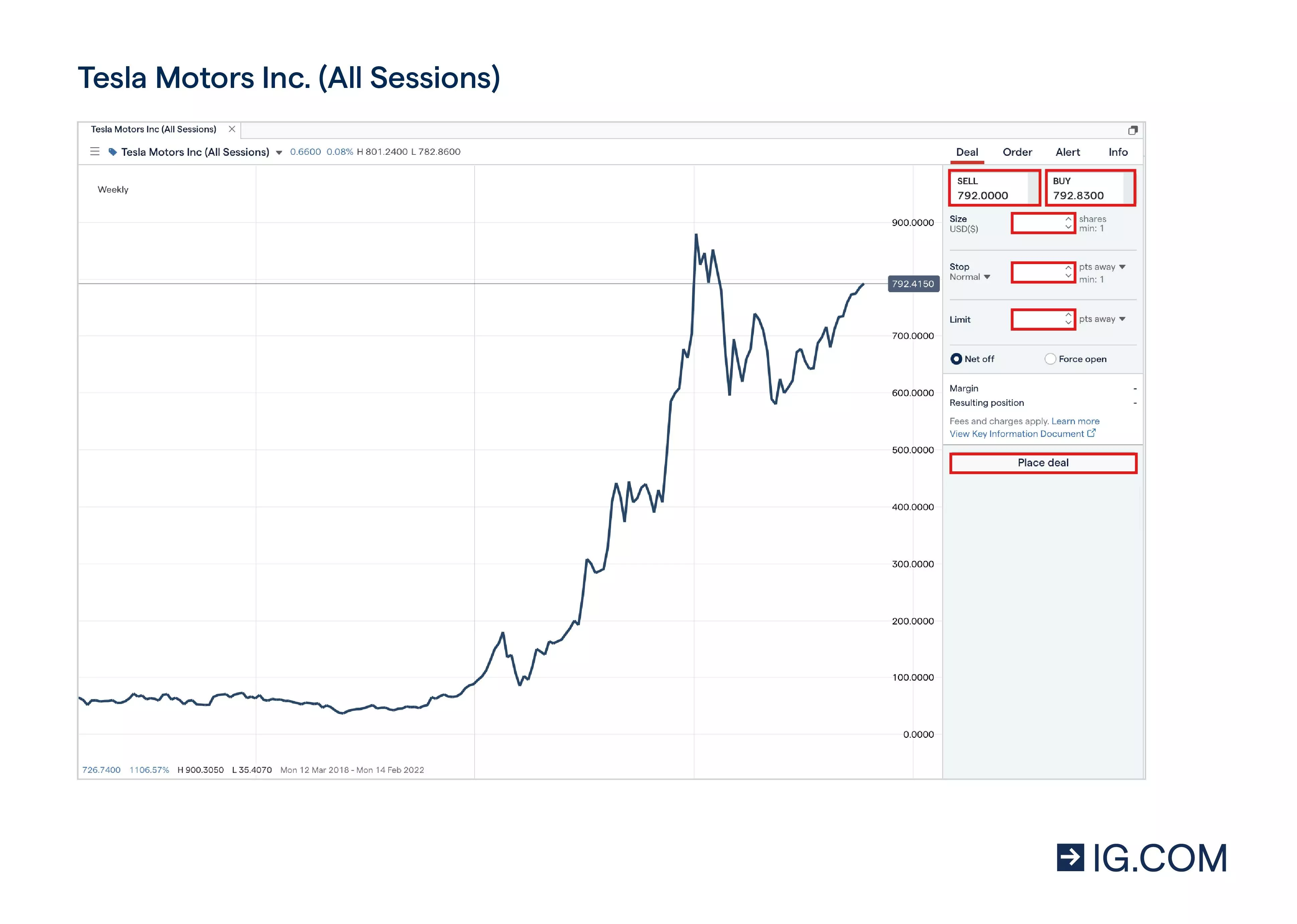
Navigating the world of index investing can seem daunting at first, but with the right knowledge and tools, it’s an accessible path for both novice and seasoned investors. This comprehensive guide will demystify the process, illuminating the core characteristics of the Nasdaq Index, outlining the most effective investment methods, and equipping you with the insights needed to confidently integrate this dynamic index into your financial portfolio. We’ll explore the “why” behind its appeal, delve into the “how” of purchasing it, and discuss strategic considerations to optimize your investment journey.
Understanding the Nasdaq Index and Its Appeal
Before diving into the mechanics of purchasing, it’s crucial to grasp what the Nasdaq Index represents and why it holds such a prominent position in the investment landscape. While often spoken of singularly, there are distinct Nasdaq indices, with the Nasdaq Composite and Nasdaq 100 being the most commonly referenced. Understanding their differences is the first step toward informed investing.
The Nasdaq Composite vs. Nasdaq 100
The Nasdaq Composite Index is the broadest measure of the Nasdaq stock market. It includes almost all common stocks listed on the Nasdaq exchange, encompassing over 3,000 companies. This index offers a comprehensive view of the entire Nasdaq market’s performance, featuring companies of all sizes and across various industries, though it is heavily weighted towards technology. Its diverse composition makes it a barometer for the broader tech and growth-oriented segments of the U.S. economy.
In contrast, the Nasdaq 100 Index is a more concentrated and selective index. It comprises the 100 largest non-financial companies listed on the Nasdaq Stock Market, based on market capitalization. The “non-financial” distinction is key, as it excludes companies in the financial sector, such as banks and investment firms. This exclusion further amplifies its focus on technology, telecommunications, retail, healthcare, and industrial companies that are typically characterized by innovation and high growth potential. The Nasdaq 100 is often seen as a purer play on the technology sector’s titans and emerging leaders, making it particularly attractive to investors bullish on technological advancement. When people refer to “buying the Nasdaq index,” they are most often referring to gaining exposure to the Nasdaq 100.
Key Sectors and Companies Represented
The Nasdaq 100 is overwhelmingly dominated by companies in the technology sector, but it also includes significant representation from consumer discretionary, communication services, and healthcare. Its constituents are globally recognized household names and industry disruptors. Think of companies like Apple, Microsoft, Amazon, Alphabet (Google), Tesla, NVIDIA, and Meta Platforms. These are not merely large corporations; they are engines of innovation, driving advancements in artificial intelligence, cloud computing, e-commerce, electric vehicles, and biotechnology.
This concentration in high-growth, innovative sectors is precisely what gives the Nasdaq 100 its unique appeal. It offers investors direct exposure to companies that are reshaping industries and often experiencing rapid revenue and earnings growth. For those who believe in the power of technological progress and its long-term impact on the global economy, the Nasdaq 100 provides a compelling investment thesis.
Why Invest in the Nasdaq Index?
The allure of the Nasdaq Index, particularly the Nasdaq 100, extends beyond just its roster of innovative companies. It offers a confluence of advantages that align with various investment objectives, from seeking capital appreciation to simplifying portfolio management. Understanding these benefits can solidify your decision to allocate a portion of your capital to this dynamic index.
Exposure to Innovation and Growth Companies
The primary draw of the Nasdaq Index is its unparalleled access to the world’s leading growth and innovation-driven companies. Unlike broader market indices that balance exposure across all sectors, the Nasdaq 100 is intentionally skewed towards firms that are often at the cutting edge of technological development and market disruption. This means investors gain direct exposure to companies that are investing heavily in research and development, expanding into new markets, and frequently delivering above-average growth rates.
Investing in the Nasdaq Index is, in essence, an investment in future trends – artificial intelligence, cloud infrastructure, digital transformation, sustainable energy, and advanced healthcare solutions. For investors with a long-term horizon who anticipate continued innovation and expansion in these areas, the Nasdaq 100 offers a strategic alignment with their optimistic outlook on future economic growth.
Diversification Benefits Within a Focused Sector
While the Nasdaq 100 is heavily concentrated in technology and related growth sectors, it still offers significant diversification within that focus. Instead of picking individual tech stocks, which can be highly volatile and carry company-specific risks, investing in the entire index spreads your capital across 100 different companies. If one company underperforms, the impact on your overall investment is cushioned by the performance of the other 99 constituents.
This inherent diversification mitigates idiosyncratic risk – the risk associated with a single company – while still allowing investors to capitalize on the overall growth trend of the technology and innovation sectors. It’s a way to participate in the success of the tech industry giants without having to conduct deep, continuous fundamental analysis on each individual company. This balance of focused exposure and internal diversification is a powerful advantage for many investors.
Simplicity and Cost-Effectiveness
Another compelling reason to invest in the Nasdaq Index is the simplicity and cost-effectiveness of doing so. Rather than constructing and rebalancing a portfolio of individual tech stocks, which can be time-consuming and costly in terms of trading fees, index investing offers a streamlined solution.
Index funds and Exchange-Traded Funds (ETFs) that track the Nasdaq 100 are passively managed. This means they aim to replicate the performance of the index rather than actively trying to beat it. As a result, they typically have significantly lower management fees (known as expense ratios) compared to actively managed mutual funds. This cost efficiency, combined with the ease of buying a single fund that gives you exposure to 100 companies, makes Nasdaq index investing an attractive option for building long-term wealth without incurring substantial ongoing costs or requiring constant oversight.
Methods for Investing in the Nasdaq Index
Once you understand the benefits, the next step is to explore the practical avenues for adding the Nasdaq Index to your investment portfolio. There are primarily two widely accessible and efficient methods for achieving this: Exchange-Traded Funds (ETFs) and Mutual Funds. Both offer distinct advantages and cater to different investor preferences.
Exchange-Traded Funds (ETFs) Tracking Nasdaq 100
ETFs are by far the most popular and flexible way to invest in the Nasdaq 100. An ETF is a type of investment fund that holds assets like stocks, bonds, or commodities and trades on stock exchanges just like individual stocks. When you buy an ETF that tracks the Nasdaq 100, you are purchasing shares in a fund that holds all the stocks in the Nasdaq 100 index, proportionate to their weighting in the index.
Key Advantages of Nasdaq 100 ETFs:
-
Liquidity: ETFs can be bought and sold throughout the trading day at market prices, offering high liquidity.
-
Low Expense Ratios: Because they are passively managed, Nasdaq 100 ETFs typically have very low expense ratios, often under 0.20% annually, which significantly reduces the drag on your returns over the long term.
-
Diversification: Instant diversification across the 100 leading non-financial companies on Nasdaq.
-
Accessibility: Easily accessible through any standard brokerage account.
-
Tax Efficiency: ETFs are often more tax-efficient than mutual funds due to their structure, particularly in taxable accounts.
Popular Nasdaq 100 ETFs:
-
Invesco QQQ Trust (QQQ): This is the original and most well-known ETF tracking the Nasdaq 100. It’s highly liquid and widely used.
-
Invesco NASDAQ 100 ETF (QQQM): A newer version of QQQ with a slightly lower expense ratio, often preferred for long-term buy-and-hold investors due to its smaller trading spreads.
-
There are also various leveraged or inverse Nasdaq 100 ETFs, but these are highly speculative and generally not recommended for most long-term investors.
Mutual Funds with Nasdaq Focus
While less common than ETFs for direct Nasdaq 100 tracking, traditional mutual funds also offer avenues to invest in a basket of Nasdaq-listed companies. These funds pool money from multiple investors to buy a diversified portfolio of securities.
Types of Nasdaq-focused Mutual Funds:
-
Index Mutual Funds: Some mutual funds are specifically designed to passively track the Nasdaq 100 or Nasdaq Composite. These operate similarly to ETFs but trade only once a day after market close, based on the Net Asset Value (NAV).
-
Actively Managed Tech or Growth Funds: Many actively managed mutual funds focus on growth stocks or the technology sector, leading them to have significant holdings in Nasdaq 100 companies. While they don’t strictly track the index, they often overlap heavily with its constituents. These funds come with higher expense ratios due to their active management.
Considerations for Mutual Funds:
-
Trading Frequency: Mutual funds trade once a day, which can be less flexible than ETFs for intraday trading.
-
Expense Ratios: Index mutual funds generally have low expense ratios, but actively managed funds can have significantly higher fees (1% or more annually).
-
Minimum Investments: Some mutual funds have minimum initial investment requirements, which can be a barrier for new investors.

For most investors seeking direct, low-cost exposure to the Nasdaq Index, ETFs are generally the preferred choice due to their flexibility, liquidity, and cost efficiency.
Choosing the Right Investment Vehicle and Platform
Selecting the right way to invest in the Nasdaq Index goes hand-in-hand with choosing the appropriate platform and understanding your personal investment profile. This involves evaluating brokerage accounts, considering costs, and aligning your choice with your risk tolerance and financial goals.
Selecting a Brokerage Account
To buy Nasdaq index ETFs or mutual funds, you’ll need an investment account with a brokerage firm. The market for brokerage services is highly competitive, offering a wide array of options tailored to different investor needs.
Factors to Consider When Choosing a Brokerage:
-
Fees and Commissions: Look for brokerages with zero commission on stock and ETF trades, which is now standard at most major platforms. Be aware of any maintenance fees or other hidden charges.
-
Investment Options: Ensure the brokerage offers access to the specific Nasdaq 100 ETFs or mutual funds you’re interested in.
-
Platform Features and Tools: Consider the user-friendliness of their website and mobile app, research tools, educational resources, and portfolio analysis features.
-
Customer Service: Good customer support is invaluable, especially if you’re new to investing.
-
Account Types: Decide whether you need a taxable brokerage account, an Individual Retirement Account (IRA) (Traditional or Roth), or a 529 college savings plan.
Popular Brokerage Options:
-
Online Discount Brokers: Fidelity, Charles Schwab, Vanguard, E*TRADE, TD Ameritrade (soon to be Schwab). These offer comprehensive services, low costs, and robust platforms suitable for most investors.
-
Robo-Advisors: Platforms like Betterment or Wealthfront can build and manage a diversified portfolio for you, often including ETFs that track broad market indices, though they might not offer direct control over specific Nasdaq 100 ETFs. They are ideal for hands-off investors.
Understanding Expense Ratios and Fees
While commission-free trading has become the norm, ongoing fees are still a critical consideration, especially for long-term investments like index funds.
Expense Ratio: This is the annual fee charged by an ETF or mutual fund, expressed as a percentage of the assets under management. It covers the fund’s operating expenses. For a Nasdaq 100 ETF, a good expense ratio would be anything below 0.20%. Over decades, even a difference of a few basis points (0.01%) can amount to significant savings. Always choose funds with the lowest expense ratios for equivalent performance.
Other Potential Fees:
-
Trading Spreads: The difference between the bid and ask price of an ETF. Highly liquid ETFs like QQQ have very tight spreads, meaning minimal cost.
-
Account Maintenance Fees: Some brokerages might charge these, though they are increasingly rare or waived for accounts above a certain balance.
-
Advisory Fees: If you work with a financial advisor, they will charge a fee, typically a percentage of your assets under management.
Minimizing fees is paramount, as they directly detract from your investment returns. Focus on low-cost ETFs and commission-free trading platforms.
Risk Tolerance and Investment Horizon
Investing in the Nasdaq Index, while diversified, is still concentrated in growth-oriented companies, which can be more volatile than the broader market (e.g., the S&P 500).
-
Volatility: The Nasdaq 100 can experience more significant price swings during market downturns or upturns. Your risk tolerance must align with this potential for volatility. If you are comfortable with higher risk for potentially higher returns, the Nasdaq Index might be suitable.
-
Investment Horizon: The Nasdaq Index is best suited for long-term investors (5+ years). Over shorter periods, market fluctuations can lead to losses. A long horizon allows time for companies to grow and recover from market corrections, leveraging the power of compounding.
Consider how an investment in the Nasdaq Index fits into your overall portfolio. It might be a core holding for growth, or a satellite holding to complement a more diversified core of broader market funds.
Building Your Nasdaq-Focused Portfolio Strategy
Once you’ve chosen your investment vehicle and brokerage, the next step is to integrate the Nasdaq Index into a coherent investment strategy. A thoughtful approach ensures your investment aligns with your financial goals and helps navigate market fluctuations effectively.
Dollar-Cost Averaging Strategy
One of the most effective strategies for investing in volatile markets, including the Nasdaq Index, is dollar-cost averaging (DCA). This involves investing a fixed amount of money at regular intervals (e.g., monthly or bi-weekly), regardless of the market price.
Benefits of DCA:
-
Mitigates Risk: By investing consistently, you avoid the temptation to time the market. You buy more shares when prices are low and fewer when prices are high, averaging out your purchase price over time.
-
Reduces Emotional Investing: DCA automates your investments, taking emotions out of the decision-making process. You stick to your plan even when the market is volatile.
-
Simplicity: It’s an easy strategy to implement, especially with automated recurring investments offered by most brokerages.
For a long-term investment in the Nasdaq Index, setting up automatic transfers and investments into your chosen Nasdaq 100 ETF or mutual fund is a powerful way to build wealth consistently and reduce the impact of short-term market swings.
Long-Term Growth Perspective
Investing in the Nasdaq Index is fundamentally a bet on long-term growth driven by technological innovation. Therefore, adopting a long-term growth perspective is crucial.
-
Avoid Short-Term Speculation: While the Nasdaq can have periods of rapid growth, it’s not immune to downturns. Trying to trade in and out based on short-term predictions is often counterproductive and can lead to significant losses due to transaction costs and poor timing.
-
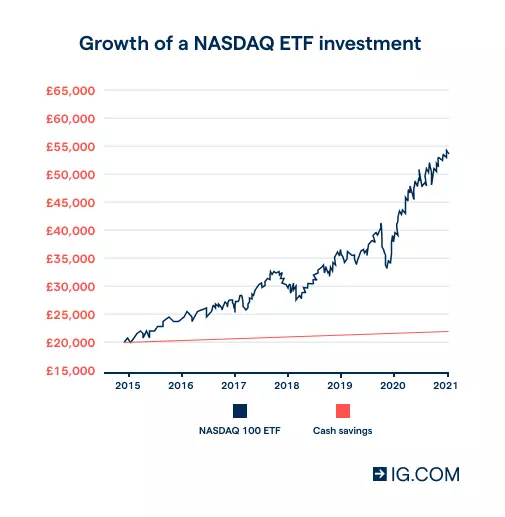
Focus on Compounding: The real power of index investing, particularly in growth-oriented indices like the Nasdaq 100, lies in the magic of compound returns over extended periods. Reinvesting dividends and letting your capital grow over decades can lead to substantial wealth accumulation.
-
Stay Invested During Downturns: Market corrections and bear markets are an inevitable part of investing. During these periods, maintaining your long-term perspective and continuing your regular investments (DCA) allows you to buy shares at lower prices, which can significantly boost your returns when the market recovers.
Portfolio Diversification Beyond Nasdaq
While the Nasdaq Index provides diversification within a focused sector, it’s essential to remember that it is still a concentrated investment in growth-oriented, often technology-heavy, companies. For a truly robust and resilient portfolio, diversification beyond the Nasdaq is vital.
-
Broad Market Exposure: Consider complementing your Nasdaq holdings with investments in broader market indices like the S&P 500 (which includes many Nasdaq 100 companies but also a wider range of sectors) or total U.S. stock market funds.
-
International Diversification: Invest in international stock funds to gain exposure to global markets and reduce reliance on the U.S. economy.
-
Asset Class Diversification: Incorporate other asset classes such as bonds, real estate (through REITs), or even commodities, depending on your age, risk tolerance, and financial goals. Bonds, in particular, can act as a ballast during stock market downturns, providing stability to your overall portfolio.
-
Regular Rebalancing: Periodically review your portfolio’s asset allocation. If your Nasdaq holdings have grown significantly and now represent too large a portion of your portfolio relative to your target allocation, consider rebalancing by selling some Nasdaq shares and investing in underrepresented assets, or simply directing new contributions towards those areas.
By combining the targeted growth potential of the Nasdaq Index with broader diversification, you can build a balanced portfolio that is well-positioned for long-term success while managing overall risk effectively.
Conclusion
Investing in the Nasdaq Index offers a compelling opportunity to gain exposure to the forefront of innovation and growth, driven by the world’s leading technology and growth companies. Through readily available and cost-effective Exchange-Traded Funds (ETFs) and mutual funds, investors can efficiently tap into the collective performance of giants like Apple, Microsoft, Amazon, and Tesla, without the complexities of individual stock selection.
By understanding the distinction between the Nasdaq Composite and the more focused Nasdaq 100, appreciating the inherent diversification within its specialized sector, and leveraging the simplicity and cost-effectiveness of index investing, you can build a strategic allocation. Remember to choose a reputable brokerage, pay close attention to expense ratios, and adopt a disciplined, long-term approach facilitated by strategies like dollar-cost averaging. Crucially, while the Nasdaq offers immense potential, integrating it within a broadly diversified portfolio across different asset classes and geographies will ensure a robust and resilient financial future. With these insights, you are now equipped to confidently navigate the path to buying the Nasdaq Index and harnessing its power for your investment goals.
aViewFromTheCave is a participant in the Amazon Services LLC Associates Program, an affiliate advertising program designed to provide a means for sites to earn advertising fees by advertising and linking to Amazon.com. Amazon, the Amazon logo, AmazonSupply, and the AmazonSupply logo are trademarks of Amazon.com, Inc. or its affiliates. As an Amazon Associate we earn affiliate commissions from qualifying purchases.