
The question “What is Boeing stock price?” might seem straightforward, implying a request for a real-time quote. However, for any serious investor or financial enthusiast, understanding the current ticker value is merely the tip of the iceberg. The true insight lies in comprehending the myriad forces that converge to determine this price – a price that is a dynamic reflection of a complex global enterprise, its operational health, market sentiment, and the broader economic landscape. Boeing (ticker symbol: BA) is not just a company; it’s an aerospace giant, a pillar of American manufacturing, and a critical component of global transportation and defense infrastructure. Its stock price, therefore, offers a fascinating case study in business finance, investing, and market dynamics.
Understanding Boeing’s Market Position and Stock Dynamics
Boeing’s stock price is influenced by its standing as a dominant player in the aerospace sector. To truly grasp its valuation, one must first appreciate its foundational role and the inherent characteristics of its stock.
A Legacy in Aerospace and Defense
Boeing’s operations span several critical segments: Commercial Airplanes, Defense, Space & Security, and Global Services. This diversification, while providing some stability, also exposes the company to distinct market forces. Its commercial aircraft division, largely a duopoly with European rival Airbus, is highly sensitive to global travel demand, airline profitability, and economic cycles. The defense arm, conversely, often provides a more stable revenue stream, tied to government budgets and geopolitical developments, acting as a potential hedge during commercial aviation downturns. Boeing’s legacy as an innovator and a foundational enterprise positions its stock as a bellwether for the industrial sector and an indicator of global economic health.
The Nature of BA as a Blue-Chip Stock
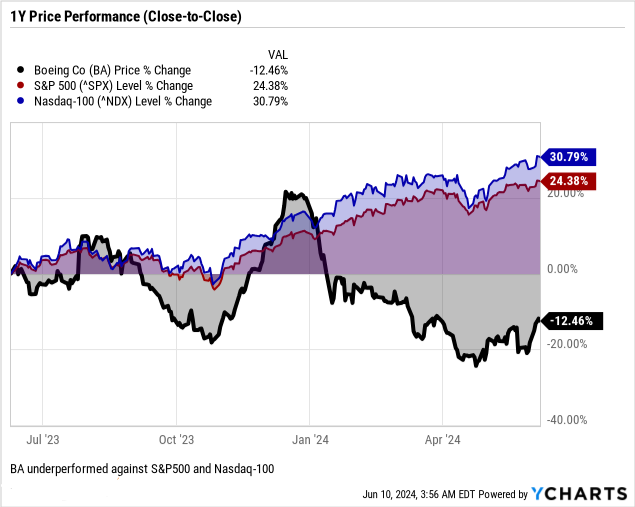
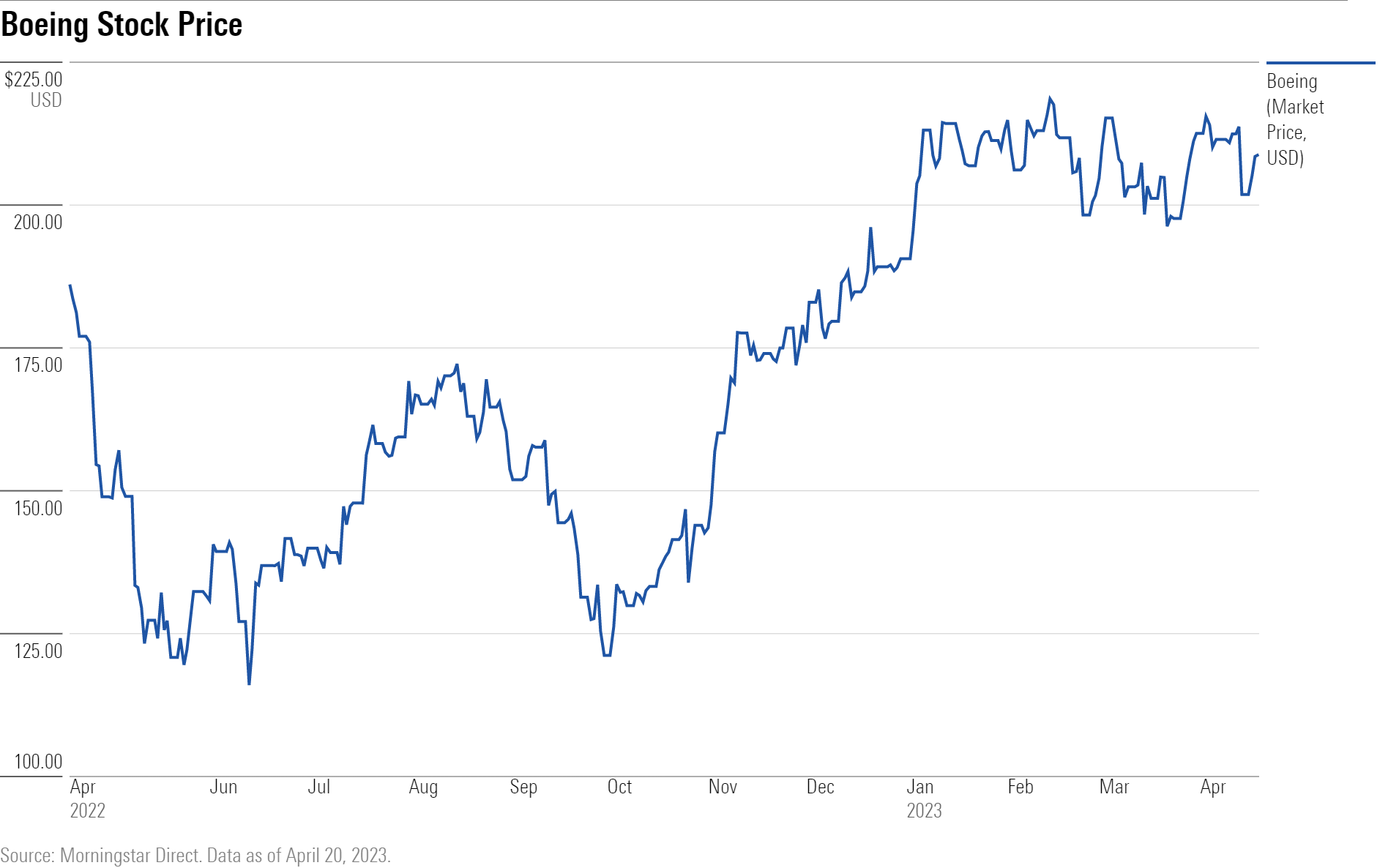
Historically, Boeing has been considered a blue-chip stock, a highly valued component of major indices like the Dow Jones Industrial Average (DJIA) and the S&P 500. Blue-chip stocks are typically large, well-established companies with a track record of financial stability. However, even blue chips are not immune to significant volatility. Boeing’s journey through recent years, particularly in the wake of the 737 MAX crises and the COVID-19 pandemic, has demonstrated that even the most venerable companies can experience unprecedented challenges. This experience has reshaped investor perception, transforming BA from a traditionally stable, long-term growth stock into one with considerable recovery potential but also elevated risk. Investors now scrutinize its operational discipline, safety culture, and financial resilience with greater intensity, making its stock price a barometer of investor confidence in its ability to navigate complex industrial and regulatory environments.
Key Factors Influencing Boeing’s Stock Price
The price of Boeing stock is a moving target, constantly adjusted by the market based on a wide array of internal and external factors. Understanding these drivers is paramount for any investor considering an allocation to BA.
Commercial Aircraft Orders and Deliveries
Perhaps the most significant driver of Boeing’s stock price is the health of its Commercial Airplanes division. New orders, particularly for high-volume models like the 737 and 787, signal future revenue and growth. Deliveries, which represent the actual transfer of aircraft to customers and the recognition of revenue, are equally crucial. A robust order backlog provides visibility and stability, but production delays, cancellations, or a slowdown in global travel can severely impact these metrics. Factors such as global airline profitability, fuel prices, passenger traffic trends, and the availability of financing for airlines directly translate into demand for Boeing’s planes and, consequently, influence investor sentiment and stock valuation.
Regulatory and Safety Scrutiny
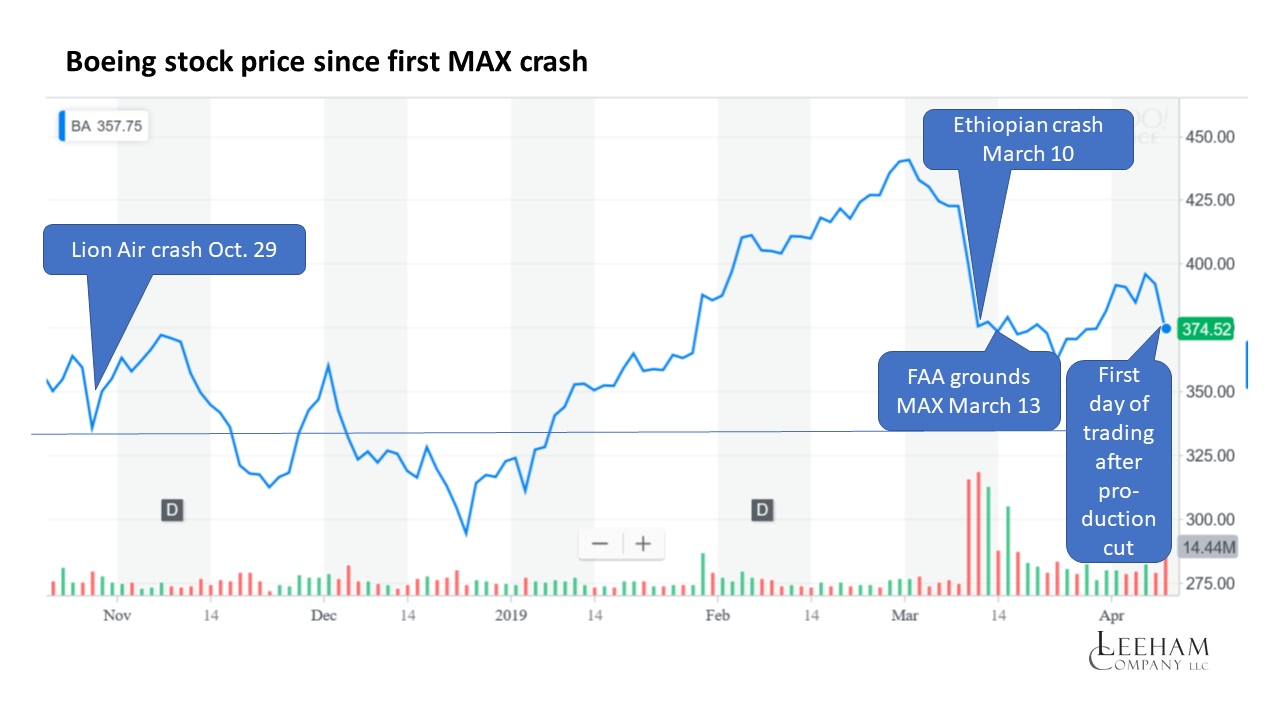
The tragic 737 MAX crashes of 2018 and 2019 irrevocably altered Boeing’s trajectory and the market’s perception of the company. The ensuing global grounding of the MAX fleet, followed by extensive regulatory oversight from bodies like the FAA (Federal Aviation Administration) and EASA (European Union Aviation Safety Agency), underscored the immense power of regulatory decisions on an aerospace manufacturer’s financial health. Beyond the MAX, ongoing production quality issues and the need for stringent safety protocols remain a constant area of focus. Any new safety concern, regulatory directive, or even a critical report can swiftly erode investor confidence, lead to production slowdowns, and negatively impact the stock price. Conversely, positive updates on safety certifications or successful resolution of production challenges can provide significant uplift.
Geopolitical and Macroeconomic Headwinds
Boeing operates on a global stage, making it highly susceptible to international relations and macroeconomic trends. Trade disputes, such as those between the U.S. and China, can impact aircraft sales to key markets. Geopolitical instability can affect defense spending or disrupt global supply chains, which are critical for the complex manufacturing of aircraft. Furthermore, broader macroeconomic conditions like global economic growth rates, interest rate environments, and recessionary fears play a substantial role. Higher interest rates, for instance, can increase the cost of financing aircraft for airlines and potentially dampen demand, while a strong global economy typically stimulates air travel and cargo, benefiting Boeing.
Defense Contracts and Government Spending
While often overshadowed by the commercial segment, Boeing’s Defense, Space & Security division provides a vital source of revenue and relative stability. Large government contracts for military aircraft, satellites, and other defense systems can provide consistent income streams, cushioning the company during commercial downturns. Fluctuations in the U.S. defense budget, international defense spending trends, and the outcome of competitive bidding for major programs directly impact this segment’s performance and contribute to the overall stock valuation. The long-term nature of many defense programs also offers a degree of predictability that is attractive to investors.
Competitive Landscape and Innovation
Boeing’s position is not static. It operates in a fiercely competitive environment, primarily with Airbus in commercial aviation, but also with other defense contractors and emerging players in space and advanced air mobility. Its ability to innovate, develop new aircraft programs (like potential replacements for the 737 or 787), and invest in sustainable aviation technologies is crucial for long-term growth and market share. Delays in new program development, cost overruns, or a perceived lag in innovation compared to competitors can weigh on the stock. Conversely, successful new product launches or strategic partnerships can enhance its competitive edge and boost investor appeal.
Analyzing Boeing’s Financial Health and Investor Metrics
Beyond the external drivers, a deep dive into Boeing’s financial statements provides a clearer picture of its intrinsic value and potential for future growth. Investors employ various metrics to assess its health.
Revenue and Profitability Trends
Examining Boeing’s revenue growth, particularly across its different segments, reveals where the company is generating its sales. Profitability metrics like gross margins, operating margins, and net income provide insight into how efficiently Boeing is converting those sales into profits. The period following the 737 MAX grounding saw significant revenue declines and substantial losses, highlighting the vulnerability of its profitability to operational disruptions. Investors closely watch for signs of consistent revenue recovery, margin expansion, and a return to sustainable profitability as indicators of the company’s financial turnaround. Earnings Per Share (EPS) is a critical figure, often driving short-term stock movements, and analysts spend considerable time forecasting it.
Debt, Cash Flow, and Liquidity
Major industrial companies like Boeing often carry substantial debt, which can be a double-edged sword. While debt can fuel growth and R&D, excessive leverage can become a burden, especially during downturns. During the MAX crisis and pandemic, Boeing took on significant additional debt to weather the storm. Therefore, monitoring its debt levels, debt-to-equity ratios, and interest coverage is crucial. Even more important is Free Cash Flow (FCF) generation. FCF, the cash remaining after operating expenses and capital expenditures, is the lifeblood of a company, enabling it to repay debt, invest in future projects, and potentially return value to shareholders through dividends or share buybacks. Boeing’s ability to consistently generate positive and growing FCF is a key signal of its financial strength and sustainability.
Valuation Metrics
Investors use various valuation multiples to determine if Boeing’s stock is trading at a fair price relative to its earnings, sales, or assets. Common metrics include the Price-to-Earnings (P/E) ratio (when profitable), Price-to-Sales (P/S) ratio, and Enterprise Value-to-EBITDA (EV/EBITDA). Comparing these metrics to Boeing’s historical averages, as well as to its industry peers (like Airbus or defense contractors), helps investors gauge whether the stock is undervalued, overvalued, or fairly priced. Analyst ratings and consensus price targets, while not guarantees, offer another perspective on market expectations and potential future price movements, factoring in their own models and assumptions about the company’s future performance.
Investing in Boeing: Considerations for Potential Investors
For those contemplating an investment in Boeing, a thorough understanding of the company’s dynamics and a clear investment thesis are essential.
Long-Term vs. Short-Term Outlook
Is Boeing a long-term compounder, a recovery play, or a short-term trading vehicle? Its recent history suggests significant volatility, making it less suitable for investors seeking stable, low-volatility returns. However, for those with a long-term horizon and conviction in the company’s ability to execute its turnaround plan, address quality control issues, and benefit from a cyclical upswing in commercial aerospace, it could represent a compelling opportunity. Investors must align their investment horizon with the potential risks and rewards inherent in Boeing’s business model, acknowledging the cyclical nature of the aerospace industry and the potential for regulatory headwinds.
Diversification and Sector Exposure
Including Boeing in a portfolio means taking on exposure to the industrial and aerospace sectors. While these sectors can offer growth, they are also sensitive to economic cycles. A well-diversified portfolio typically balances exposure across different industries, geographies, and asset classes to mitigate risk. An investment in Boeing should be viewed within the context of an overall portfolio strategy, ensuring it aligns with individual risk tolerance and financial goals, and does not create an overconcentration in any single industry.
Staying Informed
Given the complexity and dynamic nature of Boeing’s business, continuous due diligence is critical. Investors should regularly monitor company news releases, quarterly earnings reports, investor calls, and SEC filings. Staying abreast of industry developments, geopolitical events, regulatory actions, and macroeconomic trends will provide essential context for understanding stock price movements and making informed decisions. Following reliable financial news sources and industry analysts can also offer valuable perspectives.
Conclusion
The question “What is Boeing stock price?” extends far beyond a simple number on a screen. It encapsulates a rich tapestry of corporate performance, market sentiment, global economics, and intricate industry dynamics. Boeing’s stock price is a living metric, reflecting the ongoing narrative of a global powerhouse navigating a challenging yet essential industry. For current shareholders, it represents their stake in this journey. For potential investors, it presents an opportunity to engage with a company critical to modern life, but one that demands thorough analysis and a robust understanding of the multi-faceted forces that shape its value. Ultimately, grasping the drivers behind Boeing’s stock price empowers investors to make more informed decisions, moving beyond a fleeting quote to a comprehensive financial understanding.
aViewFromTheCave is a participant in the Amazon Services LLC Associates Program, an affiliate advertising program designed to provide a means for sites to earn advertising fees by advertising and linking to Amazon.com. Amazon, the Amazon logo, AmazonSupply, and the AmazonSupply logo are trademarks of Amazon.com, Inc. or its affiliates. As an Amazon Associate we earn affiliate commissions from qualifying purchases.