
To understand what the company Apple is, one must look beyond the silicon chips, glass screens, and aluminum enclosures that comprise its physical output. While Apple is technically a multinational technology company, from a strategic perspective, it is arguably the most successful brand-building project in human history. It is a company that has managed to transcend the utility of its products to become a symbol of status, creativity, and a specific lifestyle. Apple does not just sell computers or phones; it sells an experience, a philosophy, and a sense of belonging to a “tribe” of forward-thinkers.
The essence of Apple lies in its ability to marry high-level engineering with an uncompromising commitment to design and marketing. Founded in a garage in 1976 by Steve Jobs, Steve Wozniak, and Ronald Wayne, the company has evolved from a niche computer manufacturer into a global cultural juggernaut. Its brand identity is built on the pillars of simplicity, innovation, and an almost religious devotion to the user experience.
The Core Identity: More Than Just Consumer Electronics
At its heart, Apple’s brand identity is defined by the tension between exclusivity and accessibility. It is a premium brand that millions of people own, creating a unique paradox where a mass-market product carries the prestige of a luxury item. This identity was not formed by accident; it was meticulously crafted through decades of consistent messaging and design choices.
The Philosophy of “Think Different”
The turning point for Apple’s modern brand identity was the 1997 “Think Different” campaign. Upon Steve Jobs’ return to the company, Apple moved away from promoting technical specifications like RAM or processor speed. Instead, it aligned itself with icons of history—Albert Einstein, Mahatma Gandhi, and Martin Luther King Jr. This established Apple not as a tool for calculations, but as a tool for “the crazy ones” who change the world. By positioning its users as creative rebels, Apple transformed the act of purchasing a computer into a statement of personal identity. Today, this legacy persists; owning an Apple product is often perceived as a badge of being design-conscious and tech-savvy.
Minimalism as a Visual and Emotional Tool
Apple’s brand is synonymous with minimalism. From the stark white packaging to the clean lines of the hardware and the intuitive interface of the software, the brand communicates a “less is more” philosophy. This minimalism serves a dual purpose. Visually, it establishes a high-end aesthetic that differentiates it from the often cluttered and utilitarian design of competitors. Emotionally, it reduces the cognitive load on the consumer. In an increasingly complex technological world, Apple’s brand promises simplicity. This promise is a powerful marketing tool, as it positions the brand as the “friendly” gateway to complex technology.
The Apple Ecosystem: Branding Through Seamless Connectivity
One of the most profound aspects of Apple’s corporate strategy is the creation of a “walled garden” or an ecosystem. This is a brilliant brand strategy that leverages product integration to drive customer lifetime value. When a consumer asks “what is Apple,” the answer is increasingly “an interconnected web of services and hardware that are difficult to leave.”
Creating Brand Loyalty Through Integration
The Apple brand is experienced most powerfully when multiple devices are used together. Features like Handoff, Universal Clipboard, and AirDrop create a seamless flow between the iPhone, iPad, Mac, and Apple Watch. This integration is a form of brand reinforcement; every time a user’s devices communicate effortlessly, the brand’s promise of “it just works” is fulfilled. This creates a high switching cost, not just financially, but psychologically. Once a user is accustomed to the brand’s ecosystem, moving to a competitor feels like a regression in lifestyle and efficiency.
The Walled Garden Strategy
The “walled garden” is a term often used to describe Apple’s closed ecosystem. While critics argue it limits consumer choice, from a branding perspective, it is a masterstroke in quality control. By controlling both the hardware and the software (as well as the App Store), Apple ensures that every touchpoint a user has with the brand meets its internal standards. This consistency is the bedrock of brand trust. Users buy Apple products because they trust the brand will deliver a uniform experience, regardless of whether they are using a tablet or a pair of headphones.
Retail Experience: Bridging the Digital and Physical Brand

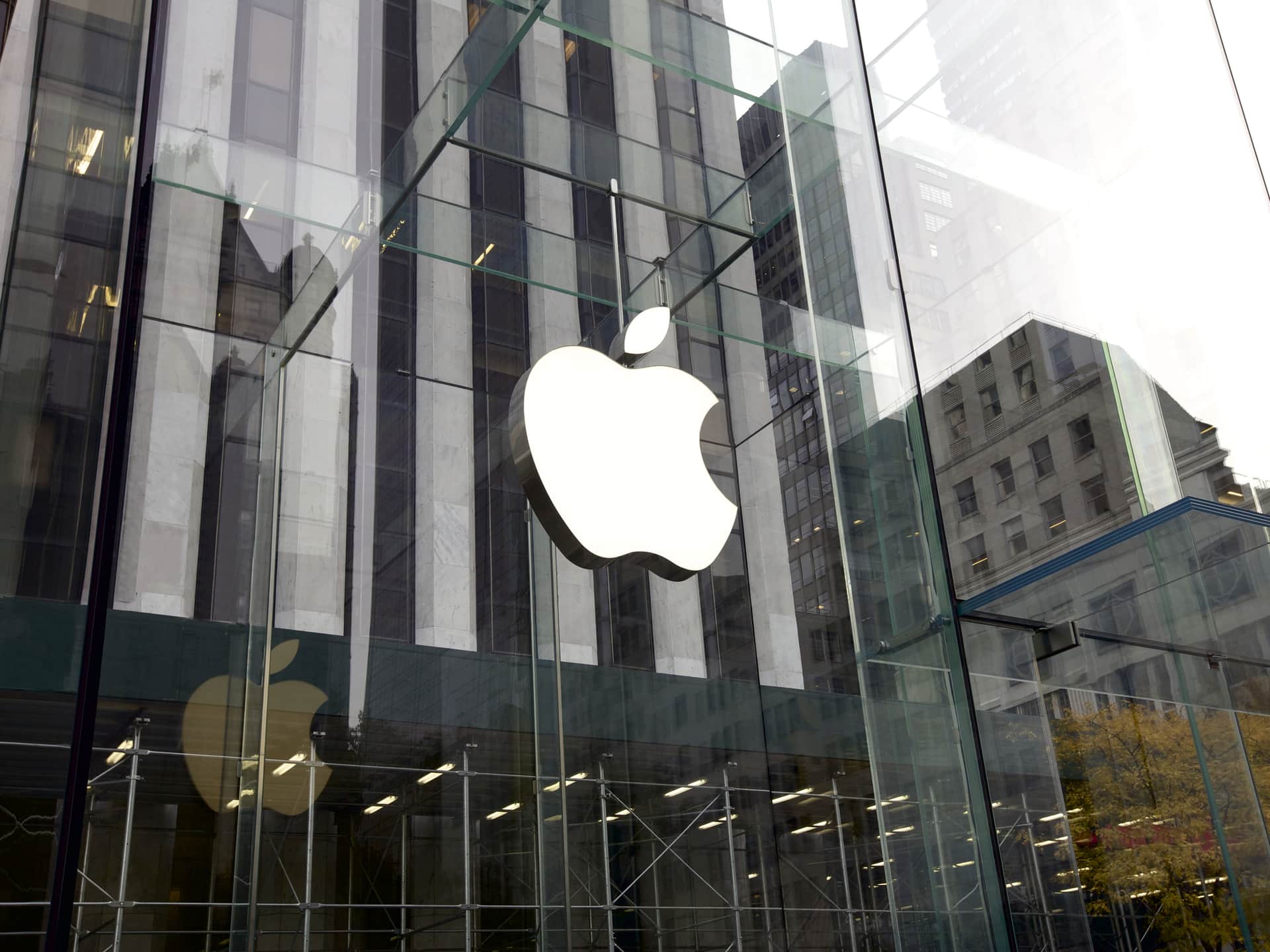
Apple redefined the concept of the retail store, turning what was once a mere point of sale into a “town square” for the community. The physical Apple Store is perhaps the purest manifestation of the brand’s identity.
The Architecture of Experience
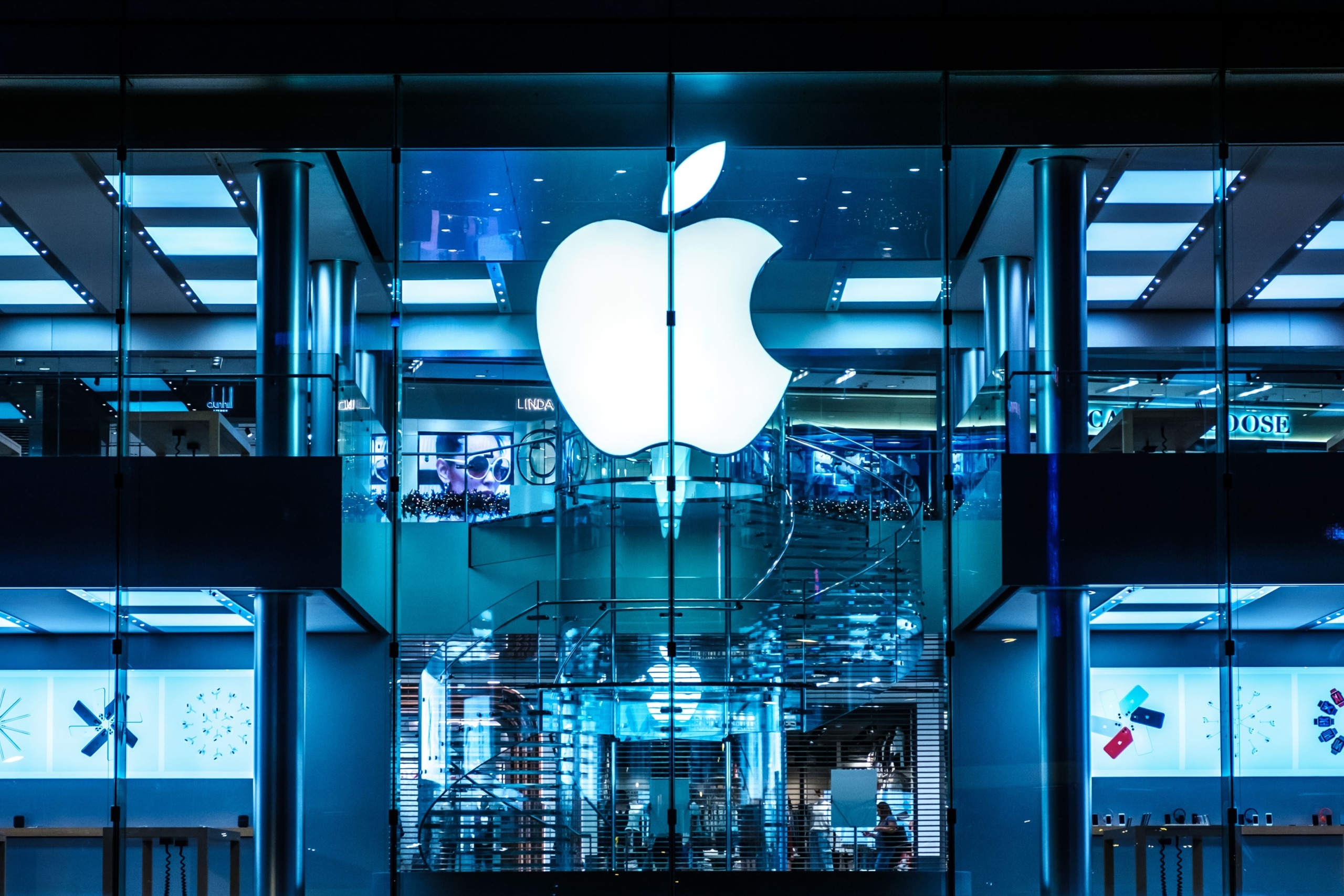
Apple Stores are designed to be architectural landmarks. Using glass, stone, and wood, these spaces mirror the aesthetic of the products they house. They are open, airy, and inviting, intentionally lacking the cluttered shelves and aggressive sales posters typical of traditional electronics retailers. The goal of an Apple Store is not necessarily to move inventory, but to allow people to interact with the brand in a low-pressure environment. By encouraging people to touch, play, and explore, Apple builds an experiential connection that digital advertising cannot replicate.
Customer Interaction and the “Genius” Concept
The branding extends to the human element within the store. Apple does not have “salespeople”; it has “Specialists” and “Geniuses.” This nomenclature is significant. It shifts the relationship from a transaction to a consultation. The “Genius Bar” rebrands technical support as an elite service, reinforcing the idea that the brand is there to support the user’s creative journey. This focus on post-purchase support is a key component of Apple’s brand equity, as it fosters a sense of security and long-term partnership with the consumer.
Branding Through Innovation: The Product as a Promise
For Apple, the product is the ultimate marketing vehicle. The company’s brand strategy relies on the belief that a well-designed product will market itself through word-of-mouth and cultural presence.
Design Thinking and User-Centricity
Apple’s brand is rooted in “Design Thinking,” a process that prioritizes the user’s needs above all else. This is evident in the evolution of the iPhone, which revolutionized the mobile industry not just through technology, but through an interface that felt natural to the human hand and eye. When Apple removes features—such as the headphone jack or the physical home button—it does so with a brand narrative of “courage” and moving toward a wireless, more efficient future. While controversial, these moves reinforce the brand’s image as a visionary leader that dictates the future of technology rather than following it.
Consistency Across Product Life Cycles
The brand maintains its premium status through a rigorous approach to product cycles and pricing. Unlike many competitors who frequently discount products or flood the market with dozens of different models, Apple maintains a streamlined product line and rarely offers sales. This price integrity is crucial for a luxury-adjacent brand. It ensures that the value of an Apple product remains high even in the secondary market, which in turn reinforces the brand’s reputation for quality and longevity.
The Future of Apple’s Brand: Sustainability and Services
As the hardware market matures, the definition of what Apple is is shifting. The company is currently undergoing a massive brand transition, moving from being a hardware-centric company to a lifestyle and services ecosystem.
Transitioning from Hardware to Lifestyle Ecosystem
With the growth of Apple Music, Apple TV+, Apple Arcade, and iCloud, the brand is becoming an invisible presence in the daily lives of its users. This shift into services allows the brand to maintain a constant touchpoint with the consumer, even when they aren’t buying a new phone. The brand is now marketing “privacy,” “health,” and “entertainment” as core features. By positioning the iPhone as a secure vault for personal data and the Apple Watch as a life-saving health monitor, Apple is deepening the emotional and functional utility of its brand.
Corporate Social Responsibility as a Brand Pillar
In the modern era, a brand is also defined by its values. Apple has aggressively integrated environmental sustainability into its brand identity. Initiatives like “Apple 2030″—the goal to make every product carbon neutral—are not just corporate policies; they are central to the brand’s messaging. By highlighting its use of recycled aluminum and renewable energy, Apple appeals to the ethical considerations of younger consumers. This alignment with social and environmental values ensures the brand remains relevant in a world where consumers increasingly vote with their wallets for companies that reflect their personal ethics.
Ultimately, Apple is more than a company; it is a global benchmark for how a brand can influence culture, dictate design trends, and command unparalleled customer loyalty. It represents the successful fusion of art and technology, creating a brand that is as much about how it makes the user feel as it is about what it helps the user do. Through its relentless focus on design, its integrated ecosystem, and its visionary marketing, Apple has defined what it means to be a modern brand in the 21st century.
aViewFromTheCave is a participant in the Amazon Services LLC Associates Program, an affiliate advertising program designed to provide a means for sites to earn advertising fees by advertising and linking to Amazon.com. Amazon, the Amazon logo, AmazonSupply, and the AmazonSupply logo are trademarks of Amazon.com, Inc. or its affiliates. As an Amazon Associate we earn affiliate commissions from qualifying purchases.