
Accessing the Multiple Listing Service (MLS) is a critical capability for anyone serious about real estate, from licensed professionals to tech-savvy investors leveraging data. Far from a single, monolithic database, the MLS is a complex ecosystem of regional databases, each governed by local real estate associations, yet increasingly interconnected and accessible through various technological pathways. Understanding these pathways requires an appreciation for the digital infrastructure, software applications, and security protocols that underpin the modern real estate industry. This guide delves into the technical intricacies and practical methods for gaining access to this invaluable wellspring of property data.
Understanding the MLS Ecosystem
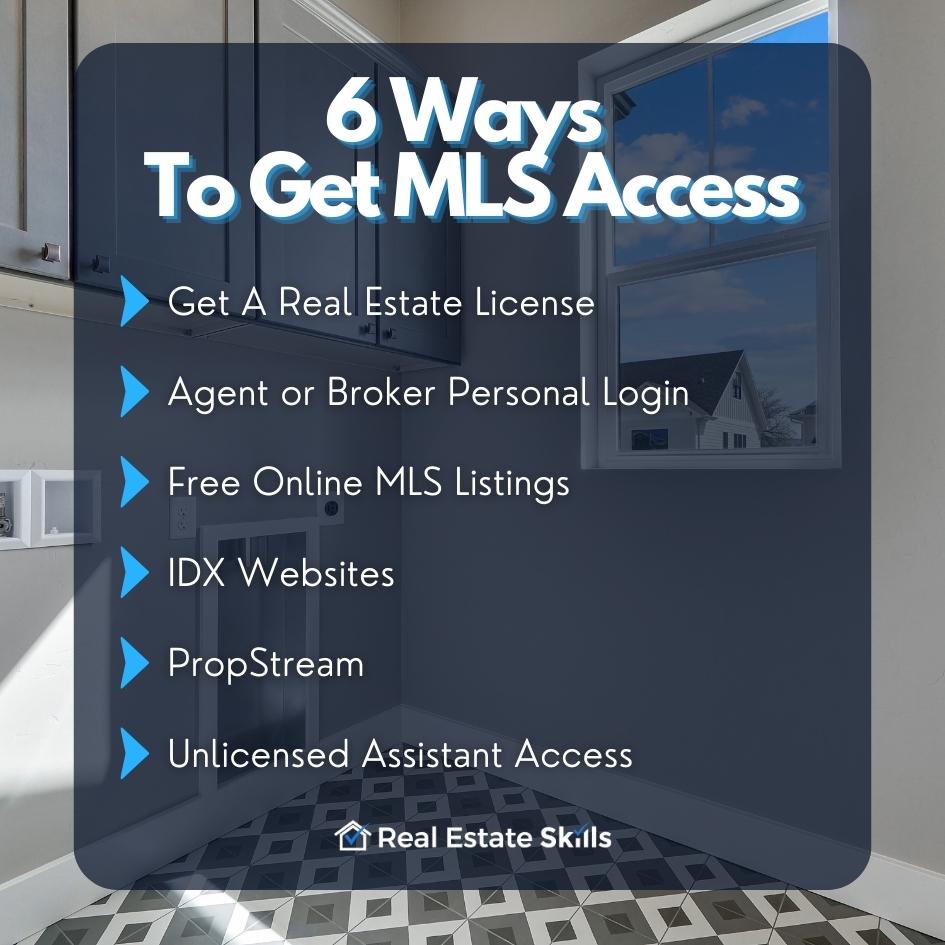
Before exploring the ‘how-to,’ it’s crucial to grasp what the MLS truly is from a technological standpoint. It’s not a single website but a distributed network of databases that store property listings, sales history, and agent information. Each local MLS is maintained by a real estate association and operates under specific rules, but they all share a common purpose: facilitating cooperation among brokers to buy and sell real estate efficiently.
What is the MLS?
Technically, the MLS is a centralized, collaborative database system designed to empower real estate brokers and agents to share information on properties for sale. This data includes property descriptions, photos, virtual tours, pricing, and historical sales data. From an IT perspective, these systems are often robust database management solutions, featuring complex relational structures, secure user authentication, and API (Application Programming Interface) endpoints for data distribution to authorized platforms. The data housed within is dynamic, updated in real-time by thousands of real estate professionals daily.
Who Can Access It Directly?
Direct, full-privilege access to an MLS system is primarily restricted to licensed real estate professionals—brokers and agents who are members of the local real estate association that operates the MLS. This exclusivity is a cornerstone of the system, designed to uphold data integrity, professional standards, and the fiduciary responsibilities of real estate licensees. Ancillary users, such as appraisers or approved vendors, may also gain specific, limited access under strict conditions, often requiring separate agreements and specialized software tools. The underlying technology ensures that access levels are meticulously managed through user roles and permissions.
Primary Methods for Direct MLS Access
For those with direct authorization, accessing the MLS is typically achieved through dedicated digital platforms and applications provided by their brokerage or association. These systems prioritize security, speed, and data integrity.
Via Brokerage-Provided Platforms
Many large and tech-forward brokerages offer proprietary software platforms or integrated dashboards that serve as the primary gateway to MLS data for their agents. These platforms often pull data directly from the local MLS via secure API connections, integrating it with CRM (Customer Relationship Management) tools, marketing automation, transaction management systems, and internal communication channels. Agents log into a single, comprehensive portal, which then provides a unified interface to search listings, manage leads, generate reports, and conduct various business operations, all powered by the underlying MLS data feed. The technical advantage here is a streamlined workflow and minimized data entry, leveraging automation wherever possible.
Using Association-Specific Portals
For most individual agents or smaller brokerages, direct access is typically granted through a web-based portal provided by their local real estate association. After paying association dues and MLS fees, members receive login credentials for these secure online platforms. These portals feature robust search functionalities, mapping tools, listing input interfaces, and reporting capabilities. Users are often required to use multi-factor authentication (MFA) to enhance security. The interface might vary significantly between different MLS providers (e.g., Flexmls, Paragon, Matrix), but the core functionality remains consistent: providing a real-time window into the local property market. Regular updates and maintenance ensure system stability and introduce new features based on user feedback and technological advancements.
Mobile Applications and Remote Access
The modern real estate professional is constantly on the move, necessitating robust mobile access solutions. Most MLS providers and brokerage platforms now offer dedicated mobile applications for smartphones and tablets. These apps often mirror the functionality of their desktop counterparts, allowing agents to search listings, view property details, share information with clients, and even manage showing appointments directly from their mobile devices. Security is paramount; these applications employ encryption, secure login protocols, and often integrate with the device’s biometric security features. For agents needing to access the full desktop experience remotely, secure VPN (Virtual Private Network) connections or cloud-based virtual desktops are common solutions, ensuring sensitive data remains protected regardless of the agent’s physical location.
Indirect and Public-Facing MLS Data Access
While direct access is exclusive, the broader public can still interact with MLS-derived data through various channels. These methods involve data syndication and display technologies that present a subset of MLS information, often with a slight delay or specific filtering.
Public Real Estate Websites
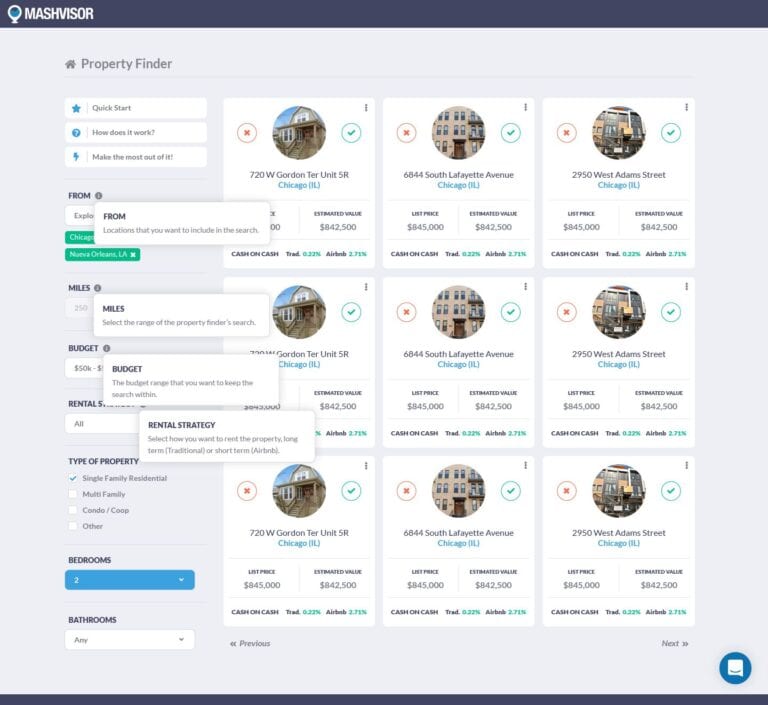
Consumer-facing websites like Zillow, Realtor.com, Trulia, and Redfin are primary examples of platforms that leverage MLS data. These sites don’t provide direct MLS access but receive data feeds from multiple MLS systems across the country. The data is then aggregated, processed, and displayed through their proprietary interfaces. While incredibly useful for the public, it’s important to understand that the data on these sites may not always be real-time, comprehensive, or fully accurate compared to direct MLS access. These platforms employ sophisticated data parsing and display algorithms to present property information in an accessible format, often enriching it with additional data points like school ratings or neighborhood demographics.
IDX Websites
Internet Data Exchange (IDX) is a specific agreement and technology framework that allows real estate brokers to display MLS listings on their own public-facing websites. An IDX feed is a standardized data exchange mechanism, often an API, through which an MLS system permits the transfer of a significant portion of its active listing data to authorized broker or agent websites. When you visit a local real estate agent’s website and see a comprehensive property search tool, it’s likely powered by an IDX feed. Implementing an IDX solution involves integrating specialized IDX software or plugins with the website’s content management system, ensuring compliance with local MLS rules regarding data display, refresh rates, and attribution. This technology empowers agents to provide a powerful search experience directly on their own branded digital platforms.
Broker Reciprocity Rules
Broker Reciprocity is a policy adopted by most MLS systems that facilitates IDX. It essentially means that if a broker opts to display other brokers’ listings on their website via IDX, then other brokers can also display their listings. This rule fosters cooperation and maximizes exposure for all listed properties within an MLS area, leveraging technology to create a more transparent marketplace. The technical implementation of Broker Reciprocity relies on standardized data formats and robust data exchange protocols, often governed by organizations like RESO (Real Estate Standards Organization), which develops data standards for the real estate industry to ensure interoperability.
Enhancing Your MLS Access Experience with Technology
Beyond basic search and listing input, modern technology offers numerous ways for authorized MLS users to maximize the value derived from their access. These tools streamline workflows, enhance analysis, and improve client communication.
CRM and Marketing Integrations
The true power of MLS data often comes alive when integrated with other business technologies. Customer Relationship Management (CRM) systems are frequently linked directly to MLS platforms via APIs. This integration allows agents to automatically import client search preferences, track property interests, and monitor listing status changes within their CRM. Furthermore, marketing automation platforms can pull MLS data to generate automated listing alerts, email campaigns, and social media posts, ensuring clients receive timely and relevant property updates without manual intervention. This technological synergy helps agents maintain consistent communication and manage their client pipeline more effectively.
Advanced Search and Analytics Tools
While basic MLS portals offer robust search, specialized third-party software and even built-in enhanced features provide advanced analytics capabilities. These tools allow agents to perform deep dives into market trends, comparative market analyses (CMAs), and predictive analytics. They can filter listings by a multitude of criteria, visualize data on interactive maps, identify emerging neighborhoods, and even forecast property values based on historical data patterns and external economic indicators. The underlying technology often involves sophisticated data warehousing, machine learning algorithms, and powerful data visualization engines, transforming raw MLS data into actionable insights.
Cybersecurity Best Practices for MLS Users
Given the sensitive nature of real estate transactions and client data, cybersecurity is paramount for MLS users. Direct access requires adherence to strict security protocols. Agents must use strong, unique passwords for their MLS accounts, enable multi-factor authentication (MFA) whenever available, and be vigilant against phishing attempts. Data transmitted to and from MLS systems is typically encrypted (e.g., via HTTPS), but users must ensure their own devices and networks are secure. Regularly updating operating systems and antivirus software, avoiding public Wi-Fi for sensitive tasks, and understanding data privacy regulations are essential practices to protect client information and maintain the integrity of the MLS ecosystem.
Navigating the Technicalities and Future Trends
The technical landscape of MLS access is continually evolving, driven by demands for greater data fluidity, interoperability, and the application of cutting-edge technologies.
Data Standards and Interoperability
The existence of numerous regional MLS systems has historically led to fragmentation in data formats. Organizations like RESO are crucial in addressing this by developing standardized data dictionary and API specifications. By adopting RESO standards, MLS systems can ensure better interoperability, making it easier for third-party software vendors, brokerages, and other real estate technology platforms to seamlessly exchange and interpret data from different MLS sources. This standardization reduces development costs, accelerates innovation, and ultimately benefits agents and consumers through more consistent and reliable data access.
Cloud-Native MLS Platforms
The shift towards cloud-native architecture is a significant trend for MLS providers. Moving to cloud-based infrastructure offers enhanced scalability, reliability, and accessibility. Cloud-native MLS platforms can handle fluctuating user loads more efficiently, deploy updates more rapidly, and provide agents with secure access from any device, anywhere, with an internet connection. This architectural choice improves performance, reduces IT overhead for MLS associations, and positions the systems for future integrations with other cloud services.
The Role of AI in MLS Data Utilization
Artificial intelligence (AI) and machine learning (ML) are set to revolutionize how MLS data is accessed and utilized. AI can process vast amounts of listing data to identify patterns, predict market shifts, automate property valuations, and even personalize property recommendations for clients. For agents, AI-powered tools integrated with MLS data can provide predictive lead scoring, automate routine tasks like drafting property descriptions, and offer deeper insights into neighborhood trends. The future of MLS access will likely involve sophisticated AI layers that transform raw data into intelligent, proactive assistants for real estate professionals, making the access even more valuable and efficient.
aViewFromTheCave is a participant in the Amazon Services LLC Associates Program, an affiliate advertising program designed to provide a means for sites to earn advertising fees by advertising and linking to Amazon.com. Amazon, the Amazon logo, AmazonSupply, and the AmazonSupply logo are trademarks of Amazon.com, Inc. or its affiliates. As an Amazon Associate we earn affiliate commissions from qualifying purchases.