
Embarking on the entrepreneurial journey is an exhilarating experience, filled with the promise of innovation and independence. However, the path from a brilliant idea to a thriving enterprise often requires significant capital, and securing a business loan for a new venture can feel like navigating a complex maze. Unlike established businesses with years of financial statements and operational history, startups present a unique challenge to lenders. They lack a proven track record, making them inherently riskier propositions. Yet, countless new businesses secure the funding they need every year to launch and grow. The key lies in understanding the landscape, preparing meticulously, and knowing where to look.
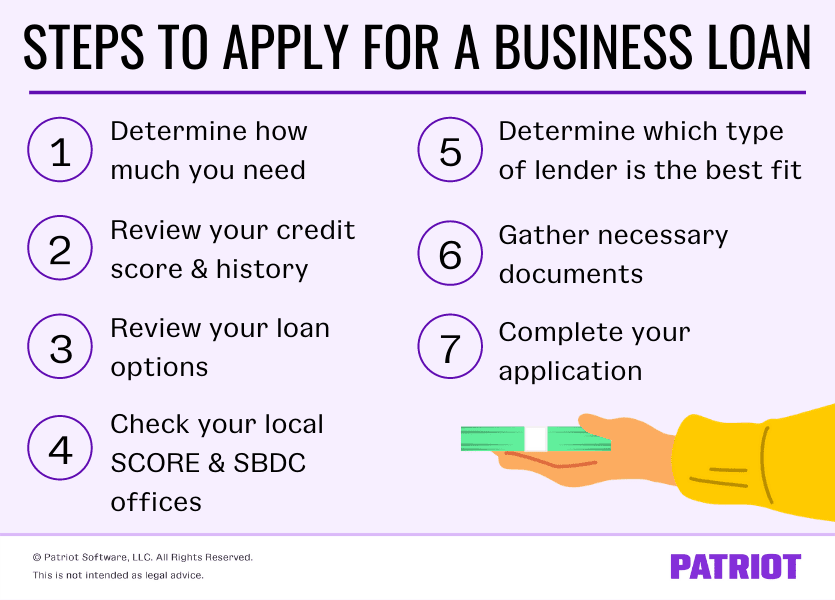
This comprehensive guide will demystify the process, providing aspiring entrepreneurs with the insights and actionable strategies required to successfully obtain a business loan for their new enterprise. We’ll delve into the specific hurdles new businesses face, the critical preparations necessary before approaching lenders, the diverse range of funding options available, and how to position your application for success.
The Unique Challenges of Securing Funding for Startups
New businesses face a distinct set of obstacles when seeking external financing. Lenders, by nature, are risk-averse, and a startup, by definition, embodies a higher degree of uncertainty compared to an existing, profitable entity. Understanding these challenges is the first step toward overcoming them.
Understanding Lender Priorities for New Ventures
Lenders evaluate loan applications based on a framework often referred to as the “5 Cs of Credit”: Character, Capacity, Capital, Collateral, and Conditions. For a new business, several of these Cs are particularly difficult to demonstrate:
- Capacity: This refers to the business’s ability to repay the loan from its cash flow. New businesses often have no revenue history, making it hard to prove this capacity. Lenders rely heavily on projections, which are inherently speculative.
- Capital: Lenders want to see that the business owner has skin in the game. A significant personal investment signals commitment and reduces the lender’s risk. For new businesses, proving sufficient owner equity can be a hurdle.
- Collateral: Many business loans require assets that can be pledged as security. Startups often have limited assets, making collateral a scarce resource. This can lead to demands for personal guarantees, putting personal assets at risk.
- Character: While lenders assess the entrepreneur’s credit history and business acumen, the lack of a business credit history makes personal credit scores paramount.
- Conditions: The economic climate and specific industry conditions also play a role. A new business entering a volatile market might face tougher scrutiny.
Common Funding Gaps for Aspiring Entrepreneurs
Many new businesses struggle to secure funding not because their ideas are bad, but because they haven’t adequately addressed the lender’s concerns. Common funding gaps include:
- Insufficient Documentation: A lack of a detailed business plan, incomplete financial projections, or unorganized personal financial statements immediately raises red flags.
- Weak Personal Credit: Since the business has no credit history, the owner’s personal credit score becomes a primary indicator of creditworthiness. A low score can be a deal-breaker.
- Lack of Equity Contribution: Lenders are wary of funding 100% of a startup. A significant personal investment demonstrates confidence and reduces the perceived risk.
- Unrealistic Projections: Overly optimistic revenue forecasts or underestimated expenses can undermine the credibility of your financial plan.
Laying the Foundation: Essential Pre-Loan Preparations
Success in securing a business loan for a new business hinges significantly on thorough preparation. Before you even think about approaching a lender, you need to build a compelling case that addresses their concerns and mitigates their perceived risk.
Crafting a Comprehensive Business Plan
Your business plan is the cornerstone of your loan application. It’s not just a formality; it’s a strategic document that outlines every aspect of your proposed venture. A robust business plan should include:
- Executive Summary: A concise overview of your business, its mission, products/services, target market, and financial projections.
- Company Description: What your business does, its legal structure, and its unique value proposition.
- Market Analysis: Detailed research on your target market, industry trends, competition, and how you plan to differentiate yourself.
- Organization and Management: Your team’s experience, legal structure, and key personnel.
- Service or Product Line: Detailed descriptions of what you offer and your intellectual property, if any.
- Marketing and Sales Strategy: How you will reach your customers and generate revenue.
- Financial Projections: The most critical section for lenders. This includes startup costs, projected profit and loss statements, cash flow statements, and balance sheets for at least three to five years.
- Funding Request: A clear articulation of how much money you need, how you plan to use it, and how it will contribute to profitability and repayment.
Building and Demonstrating Personal Financial Health
As a new business owner, your personal financial standing is inextricably linked to your business’s initial creditworthiness.
- Personal Credit Score: A strong personal credit score (typically 680 or higher) is crucial. Lenders will view this as an indicator of your ability to manage debt responsibly. Review your credit reports for any inaccuracies and work to improve your score if necessary.
- Personal Financial Statements: Be prepared to provide detailed personal financial statements, including assets (cash, investments, real estate) and liabilities (mortgages, credit card debt, other loans).
- Debt-to-Income Ratio: Lenders will assess your personal debt burden. A high debt-to-income ratio can signal financial strain and reduce your perceived ability to manage additional business debt.
Projecting Financial Viability with Detailed Forecasts
Financial projections are where your business plan translates into numbers, demonstrating your capacity to repay the loan. These must be realistic, well-researched, and thoroughly explained.
- Startup Cost Analysis: Itemize every expense required to get your business operational, from legal fees and permits to equipment, inventory, and initial marketing.
- Revenue Projections: Base these on solid market research, pricing strategies, and realistic sales volumes. Explain your assumptions clearly.
- Expense Projections: Detail all operating expenses, both fixed and variable.
- Cash Flow Statements: This is paramount for new businesses. Lenders want to see that you will have sufficient cash on hand to cover operational costs and loan repayments, even during initial slower periods.
- Break-Even Analysis: Show at what point your business will cover its costs and begin generating profit.
Understanding Collateral and Personal Guarantees
Many loans for new businesses, especially from traditional sources, will require some form of security.
- Collateral: This can include real estate, equipment, inventory, or accounts receivable. If your new business lacks significant assets, lenders may look to personal assets.
- Personal Guarantee: You will almost certainly be required to sign a personal guarantee, making you personally responsible for the loan if your business defaults. Understand the implications of this commitment fully.
Navigating the Spectrum of Business Loan Options
While traditional banks might seem like the obvious first choice, new businesses often find success exploring a broader range of funding avenues specifically designed for startups or those with limited operating history.
Traditional Bank Loans: A High Bar for New Businesses
Conventional bank loans offer competitive interest rates and favorable terms, but they typically have stringent requirements that can be challenging for startups. Banks prefer a proven track record, substantial collateral, and a strong revenue history. While not impossible, securing a traditional bank loan usually requires a highly detailed plan, significant personal investment, and often, existing strong banking relationships.
Government-Backed Loans: The SBA Advantage
The U.S. Small Business Administration (SBA) doesn’t lend money directly but guarantees a portion of loans made by commercial lenders, significantly reducing the risk for banks. This makes SBA-backed loans much more accessible for startups and small businesses.

- SBA 7(a) Loan Program: This is the most common and flexible SBA program, offering loans up to $5 million for a wide range of business purposes, including working capital, equipment, and real estate. Terms are typically longer, and interest rates are capped.
- SBA Microloan Program: Provides smaller loans (up to $50,000) for working capital or the purchase of inventory, supplies, furniture, fixtures, and equipment. These loans are often administered through non-profit community lenders, who may be more flexible with requirements for new businesses.
- SBA Community Advantage Loan Program: Designed for businesses in underserved markets, offering smaller loans and often more flexible criteria.
Microloans and Community Lenders
Beyond the SBA’s microloan program, various non-profit organizations and community development financial institutions (CDFIs) specialize in providing small loans to startups and underserved entrepreneurs. These lenders often offer not just capital but also business counseling and technical assistance, which can be invaluable for a new business. Their criteria can be less rigid than traditional banks, focusing more on the potential impact and the entrepreneur’s character.
Alternative and Online Lenders: Speed and Flexibility
The rise of financial technology (fintech) has led to a proliferation of online lenders that offer speed and convenience. While they may have higher interest rates or shorter repayment terms than traditional banks, they can be a viable option for new businesses needing quick access to capital, especially if they have some initial revenue.
- Term Loans: Similar to traditional bank loans but often with faster application processes and less strict collateral requirements.
- Invoice Factoring/Financing: If your new business provides services or products to other businesses on credit, you can sell your unpaid invoices to a third party (a factor) for immediate cash. This is a form of financing, not strictly a loan, but provides working capital.
- Merchant Cash Advances (MCAs): While technically not a loan, an MCA provides an upfront sum of cash in exchange for a percentage of future credit card sales. These are generally very expensive and should be considered a last resort.
The Loan Application Process: Steps to Success
Once you’ve done your groundwork and identified potential lenders, the next phase involves the actual application and engagement with financial institutions. This process demands organization, clarity, and effective communication.
Assembling Your Application Package
Lenders expect a well-organized and complete application. A typical package will include:
- Completed Loan Application Form: Accurate and thorough.
- Business Plan: As detailed above, emphasizing financial projections.
- Personal and Business Financial Statements: Including bank statements, tax returns (personal and any prior business), and balance sheets.
- Personal Credit Report: Often pulled by the lender, but it’s wise to have reviewed your own.
- Legal Documents: Business registration, licenses, permits, articles of incorporation/organization, and any relevant contracts.
- Resumes of Key Personnel: Highlighting experience relevant to the business’s success.
- Collateral Documentation: If applicable, proof of ownership and value of assets.
- Proof of Equity Contribution: Documentation showing your personal investment in the business.
Understanding Underwriting and Due Diligence
After submission, your application enters the underwriting phase. Lenders will meticulously review all provided documents to assess the risk of lending to your business. They will:
- Analyze Financials: Scrutinize your projections, cash flow, and debt-to-income ratios.
- Verify Information: Contact references, check public records, and conduct background checks.
- Assess Industry Risk: Evaluate the overall health and outlook of your industry.
- Determine Collateral Value: If assets are pledged, they will appraise their value.
Be prepared to answer follow-up questions, provide additional documentation, and clarify any discrepancies. This is a critical stage where your thorough preparation will pay off.
Presenting Your Case: The Pitch
While often less formal than a venture capital pitch, you may be required to meet with loan officers to discuss your business in person. This is your opportunity to:
- Convey Passion and Expertise: Show your deep understanding of your business and market.
- Address Concerns Proactively: Anticipate potential questions about risk and be ready with well-reasoned answers.
- Build Rapport: A strong relationship with your loan officer can be beneficial throughout the process.
Practice articulating your business model, financial needs, and repayment strategy clearly and concisely.
Strategies for Maximizing Your Approval Chances
Even with excellent preparation, securing a loan for a new business can be competitive. Employing strategic approaches can significantly bolster your application and increase your likelihood of approval.
Demonstrating Commitment and Personal Investment
Lenders want to see that you are fully committed to your business’s success.
- Personal Equity: A substantial personal investment (e.g., 20-30% of the total startup cost) is one of the strongest indicators of commitment. It reduces the lender’s exposure and signals that you have confidence in your venture.
- Sweat Equity: While not directly financial, documenting the time and effort you’ve already invested can be a powerful testament to your dedication.
- Proof of Concept: If possible, show any early traction, even if it’s minimal – pre-orders, letters of intent from potential customers, or successful pilot projects.
Seeking Professional Guidance
Don’t go it alone. Leveraging the expertise of professionals can significantly improve your loan application.
- Mentors and Business Advisors: They can offer insights into refining your business plan and financial projections.
- Accountants: A good accountant can help you prepare accurate and comprehensive financial statements and projections, ensuring they meet lending standards.
- Small Business Development Centers (SBDCs) and SCORE Mentors: These organizations provide free or low-cost counseling and assistance to small businesses, including help with business plans and loan applications. They often have established relationships with local lenders.

Persistence and Adaptation
The journey to securing a business loan can be challenging, and you may face rejections. Treat each “no” as an opportunity to refine your approach.
- Ask for Feedback: If rejected, politely ask the lender for specific reasons. This feedback is invaluable for improving your next application.
- Refine Your Plan: Use the feedback to strengthen your business plan, address weaknesses, or adjust your financial projections.
- Explore Alternatives: Don’t get fixated on one type of loan or lender. Be open to exploring different SBA programs, microloans, or even a smaller initial loan if that’s what you can get. Starting small and proving your capacity to repay can build the credit history needed for larger loans in the future.
Securing a business loan for a new business is a marathon, not a sprint. It requires meticulous planning, an understanding of lender psychology, and a commitment to presenting your venture in the most professional and compelling light possible. By thoroughly preparing, exploring all available options, and remaining persistent, entrepreneurs can unlock the capital necessary to transform their innovative ideas into successful, sustainable businesses. The financial groundwork you lay now will not only help you secure funding but will also establish a strong foundation for future growth and financial health.
aViewFromTheCave is a participant in the Amazon Services LLC Associates Program, an affiliate advertising program designed to provide a means for sites to earn advertising fees by advertising and linking to Amazon.com. Amazon, the Amazon logo, AmazonSupply, and the AmazonSupply logo are trademarks of Amazon.com, Inc. or its affiliates. As an Amazon Associate we earn affiliate commissions from qualifying purchases.