
Investing in the stock market has become increasingly accessible, allowing individuals to own a piece of the world’s leading companies. Among these titans, Amazon stands out as a company that has not only redefined e-commerce but continues to innovate across various sectors, making it a compelling consideration for many investors. For those looking to participate in Amazon’s growth story, understanding the process of buying its shares is the crucial first step. This guide will walk you through the essential considerations and practical steps involved in adding Amazon stock (AMZN) to your investment portfolio, strictly from a financial perspective.
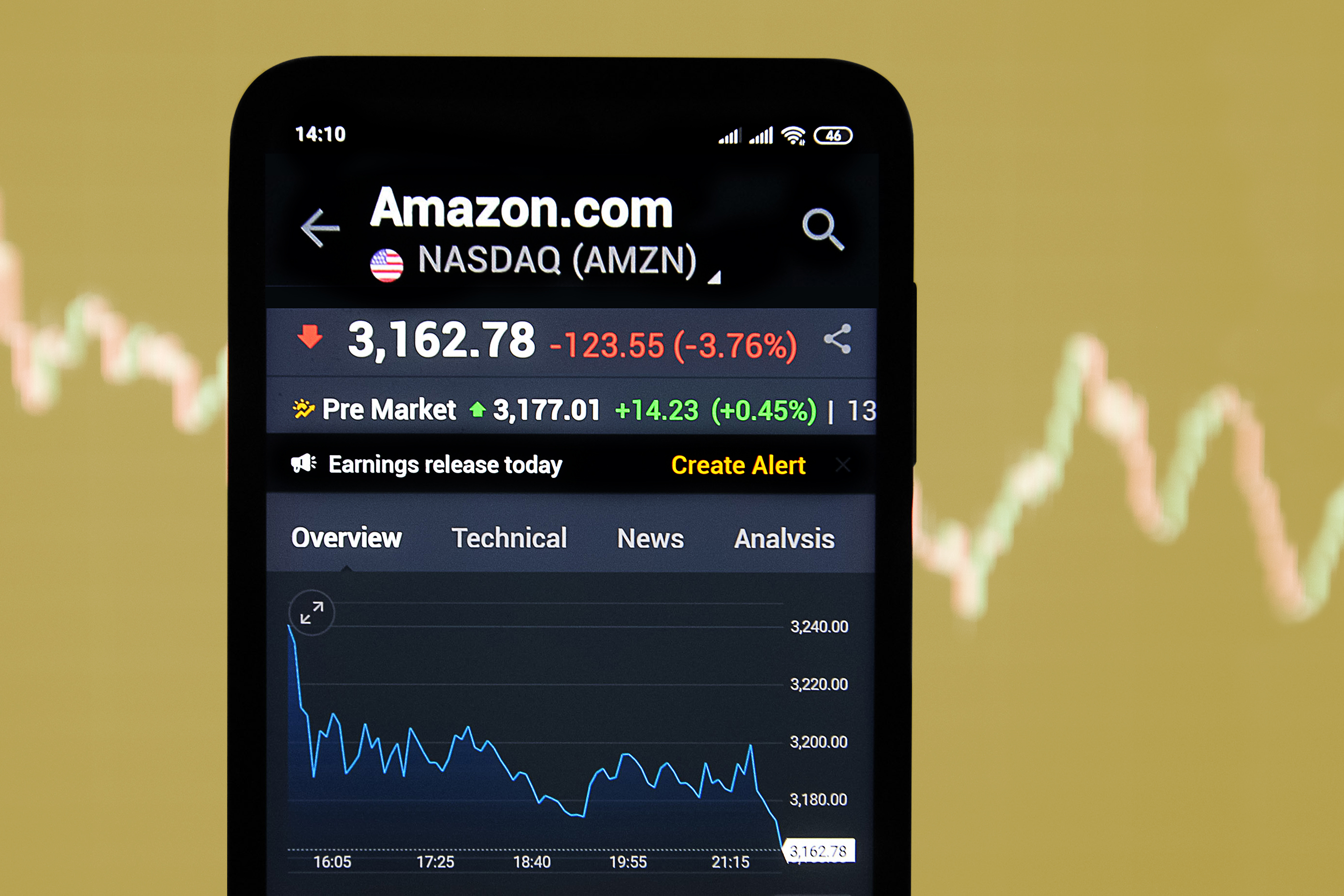
Why Consider Investing in Amazon?
Before diving into the mechanics of purchasing shares, it’s insightful to understand why Amazon remains a significant player in the investment landscape. Its sustained innovation and market dominance across multiple industries offer a compelling narrative for long-term growth.
The Amazon Growth Story
Amazon’s journey from an online bookstore in 1994 to a global behemoth is a testament to relentless innovation and strategic expansion. Today, it dominates e-commerce, cloud computing with Amazon Web Services (AWS), digital advertising, and logistics, among others. This history of consistent growth, marked by aggressive reinvestment and a customer-centric approach, has created significant value for shareholders over decades. Its ability to disrupt existing markets and create new ones underscores its dynamic nature as an investment.
Diversified Business Model
One of Amazon’s key strengths lies in its highly diversified business model. While its retail operations are widely recognized, segments like AWS have become the backbone of the internet, providing robust and profitable cloud services to millions of businesses worldwide. Furthermore, Amazon’s rapidly growing advertising arm leverages its vast customer data and platform traffic, presenting a high-margin revenue stream. The company’s expansion into streaming (Prime Video), healthcare (Amazon Pharmacy, One Medical), and artificial intelligence further mitigates reliance on any single revenue source, offering multiple avenues for future expansion and resilience against economic headwinds. This diversification provides a broader base for sustained financial performance, making it an attractive prospect for investors seeking stability within growth.
Future Growth Prospects
Looking ahead, Amazon continues to possess significant growth potential. International expansion, particularly in emerging markets, offers vast untapped opportunities for its e-commerce and AWS segments. Advances in AI are poised to enhance customer experience, optimize logistics, and drive new product development, further solidifying its competitive advantages. Investments in new technologies like autonomous delivery, satellite internet (Project Kuiper), and continued innovation in its core businesses suggest a long runway for growth. Investors often look for companies with a clear vision for the future and the resources to execute it, and Amazon’s consistent forward-looking strategies position it well for continued financial success.
Understanding Your Investment Options
Investing in a company like Amazon can be approached in several ways, each with its own implications for risk, diversification, and accessibility. Understanding these options is vital for making an informed decision that aligns with your financial goals and risk tolerance.
Direct Stock Ownership (Individual Shares)
The most straightforward way to invest in Amazon is by purchasing its individual shares, trading under the ticker symbol AMZN on the NASDAQ exchange. This method gives you direct ownership and full exposure to the company’s performance. When Amazon’s stock price rises, the value of your investment increases proportionally, and vice versa. Direct ownership offers the highest potential for capital appreciation specifically tied to Amazon, but it also concentrates your risk. If Amazon’s stock underperforms, your portfolio will feel the impact more significantly than if your investment were spread across many companies. This approach is best suited for investors who have a strong conviction in Amazon’s long-term prospects and are comfortable with higher individual stock volatility.
Indirect Ownership (ETFs and Mutual Funds)
For investors seeking broader diversification while still gaining exposure to Amazon, exchange-traded funds (ETFs) and mutual funds are excellent alternatives. Many tech-focused ETFs, large-cap growth funds, or even broad market index funds (like those tracking the S&P 500) will include Amazon as one of their top holdings due to its market capitalization. Investing in such funds allows you to own a small, diversified slice of Amazon alongside many other companies, thereby spreading your risk across an entire basket of stocks. While you won’t experience the full ups and downs of Amazon’s stock directly, you benefit from its performance as part of a larger, more stable portfolio. This method is often preferred by those new to investing or those who prioritize diversification and professional management over direct stock picking. However, funds typically charge management fees, which can eat into returns over time.
Fractional Shares: Making Amazon Accessible
Historically, purchasing shares of high-priced stocks like Amazon (which can trade for hundreds or thousands of dollars per share) was a barrier for many small investors. The advent of fractional share investing has revolutionized this. Many online brokerage platforms now allow you to buy fractions of a single share, meaning you can invest as little as $5, $10, or any amount you choose, rather than being forced to buy an entire share. If Amazon stock costs $100 per share, you could invest $50 and own half a share. This makes Amazon and other expensive stocks accessible to investors with smaller capital, democratizing access to high-growth companies. Fractional shares offer an excellent entry point for beginners, allowing them to start investing with manageable amounts while still participating in the market’s growth.
Step-by-Step Guide to Buying Amazon Stock
Once you’ve decided on your preferred investment approach, the actual process of buying Amazon shares is relatively straightforward. It involves selecting a brokerage, funding your account, and executing your trade.
Choosing the Right Brokerage Account
The first and most critical step is to open a brokerage account. An investment brokerage acts as an intermediary, allowing you to buy and sell stocks and other securities. When selecting a broker, consider several factors:
- Fees and Commissions: Look for brokers with low or zero commissions on stock trades. Many online brokers have eliminated trading fees for U.S.-listed stocks.
- Platform Usability: A user-friendly interface is crucial, especially for beginners. Test out their website or mobile app.
- Research Tools and Resources: Access to market research, analyst reports, and educational materials can be invaluable for making informed decisions.
- Fractional Shares Availability: If you plan to invest smaller amounts, ensure the broker supports fractional share purchases.
- Customer Service: Reliable customer support can be essential if you encounter issues or have questions.
- Account Minimums: Some brokers require a minimum deposit to open an account, though many now have no minimums.
Reputable online brokers often include names like Charles Schwab, Fidelity, Vanguard, E*TRADE, and Robinhood, each with distinct features.

Funding Your Investment Account
After opening your brokerage account, you’ll need to fund it. Most brokers offer several methods for depositing money:
- Electronic Funds Transfer (ACH): This is the most common and often free method, linking your bank account directly to your brokerage account. Funds typically clear within 1-3 business days.
- Wire Transfer: Faster than ACH, but often incurs fees from your bank. Best for large, time-sensitive deposits.
- Check Deposit: You can mail a check, but this is the slowest funding method.
- Rollover: If you’re transferring funds from an existing retirement account (like an old 401(k) or IRA), you can initiate a rollover directly with your new broker.
Ensure you fund your account with an amount you’re comfortable investing, remembering that investing always carries inherent risks.
Placing Your First Order: Market vs. Limit Orders
With funds in your account, you’re ready to buy. When placing an order for AMZN shares, you’ll typically encounter two main types:
- Market Order: This instructs your broker to buy shares immediately at the best available price in the market. While it guarantees execution, the exact price might fluctuate slightly from what you see on your screen due to market volatility, especially for fast-moving stocks. Use market orders when you prioritize immediate execution over a precise price.
- Limit Order: This allows you to set a maximum price you’re willing to pay per share. Your order will only execute if the stock price drops to or below your specified limit price. If the stock never reaches your limit, the order won’t be filled. Limit orders are useful for managing risk and ensuring you don’t overpay, particularly during volatile trading periods.
For most new investors, a market order for a long-term investment in a relatively stable market is generally acceptable, but understanding limit orders provides more control.
Monitoring and Managing Your Investment
Buying Amazon shares is just the beginning. It’s crucial to regularly monitor your investment and the broader market. This doesn’t mean checking the stock price daily, which can lead to emotional decisions. Instead, focus on Amazon’s quarterly earnings reports, company news, industry trends, and macroeconomic factors that could impact its business. Revisit your investment thesis periodically to ensure it still holds true. Consider setting up alerts for significant price movements or company announcements. Depending on your financial plan, you might choose to buy more shares over time (dollar-cost averaging) or even sell some if your financial situation or investment strategy changes.
Key Considerations Before Investing
While the prospect of investing in a leading company like Amazon is exciting, it’s paramount to approach it with a clear understanding of fundamental investment principles. These considerations are vital for building a resilient portfolio and achieving long-term financial success.
Assessing Risk Tolerance
Every investment carries a degree of risk, and individual stocks, even those of established companies like Amazon, are no exception. Amazon, while a market leader, is still considered a growth stock, which can exhibit higher volatility compared to more mature, value-oriented companies. Before investing, honestly assess your comfort level with potential losses. Are you prepared for the possibility that the stock price could decline significantly in the short term? Your risk tolerance should dictate the size of your investment in any single stock and your overall asset allocation. Investing only money you can afford to lose without impacting your financial stability is a golden rule.
The Importance of Diversification
Placing all your investment capital into a single stock, no matter how strong the company, exposes you to concentrated risk. If Amazon faces unexpected challenges or its sector experiences a downturn, your entire portfolio could suffer disproportionately. Diversification is the strategy of spreading your investments across various asset classes, industries, and geographies to minimize risk. While Amazon might be an attractive component of your portfolio, it should ideally be part of a broader mix that includes other individual stocks, bonds, mutual funds, or ETFs. A diversified portfolio helps cushion the impact of underperforming individual assets and provides a more stable growth trajectory over time.
Long-Term vs. Short-Term Strategy
Investing in Amazon, particularly for individual investors, is generally most suitable as a long-term strategy. Amazon’s growth story is built on continuous innovation and market expansion, which takes time to materialize into significant stock price appreciation. Attempting to time the market by buying and selling Amazon shares in the short term is incredibly difficult and often leads to suboptimal results due to transaction costs and the unpredictable nature of daily market movements. A long-term perspective (typically holding for five years or more) allows you to ride out short-term market fluctuations and benefit from the compounding effect of growth over extended periods, aligning with Amazon’s fundamental business strategy.
Understanding Market Volatility
Stock prices are rarely static; they fluctuate daily due to a multitude of factors, including company news, economic indicators, geopolitical events, and investor sentiment. Amazon, like any major stock, is subject to this market volatility. It’s essential to understand that temporary dips in price are a normal part of investing and do not necessarily indicate a fundamental problem with the company. Emotional reactions, such as panic selling during a downturn or chasing a rapidly rising stock, are often detrimental to long-term returns. A rational, disciplined approach that acknowledges and anticipates market volatility is crucial for successful investing.
Final Thoughts on Your Amazon Investment Journey
Embarking on an investment journey, especially with a prominent company like Amazon, is a significant financial step. It requires not just initial action but also ongoing engagement and a commitment to continuous learning.
Continuous Learning and Adaptation
The financial markets are dynamic, and the companies within them constantly evolve. Amazon, in particular, is known for its rapid innovation and expansion into new areas. Successful investors are those who commit to continuous learning. Stay informed about Amazon’s business developments, its competitive landscape, and broader economic trends. Read financial news, understand earnings reports, and regularly review your investment thesis. Your financial circumstances and goals may also change over time, requiring you to adapt your investment strategy accordingly. This proactive approach ensures your portfolio remains aligned with your objectives and leverages new opportunities while mitigating emerging risks.

Professional Financial Advice
While this guide provides a comprehensive overview, personal finance can be complex, and individual situations vary greatly. For those with substantial assets, intricate financial planning needs, or simply a desire for tailored guidance, seeking advice from a qualified financial advisor is highly recommended. A financial advisor can help you assess your risk tolerance, define your financial goals, build a diversified portfolio that aligns with your specific needs, and integrate your Amazon investment into a broader, holistic financial plan. They can offer personalized insights and strategies, providing peace of mind and optimizing your path to financial success beyond a single stock purchase.
aViewFromTheCave is a participant in the Amazon Services LLC Associates Program, an affiliate advertising program designed to provide a means for sites to earn advertising fees by advertising and linking to Amazon.com. Amazon, the Amazon logo, AmazonSupply, and the AmazonSupply logo are trademarks of Amazon.com, Inc. or its affiliates. As an Amazon Associate we earn affiliate commissions from qualifying purchases.