
Cash App has emerged as a ubiquitous tool in the modern financial landscape, simplifying peer-to-peer payments and offering a suite of financial services. However, a common question for many aspiring users, particularly younger individuals, revolves around the age requirements for utilizing this popular digital finance platform. Understanding these age restrictions is not merely a matter of compliance; it’s fundamental to appreciating the legal, regulatory, and financial literacy implications associated with engaging in digital money management.
The Age Requirement Explained: A Core Financial Gateway
At its core, Cash App operates under a clear mandate regarding user age. The platform’s terms of service explicitly state that users must be at least 18 years old to create and independently operate an account. This isn’t an arbitrary decision but is deeply rooted in established financial regulations and the legal principle of contractual capacity, which dictates who can legally enter into binding agreements.

For financial service providers like Cash App, the age 18 threshold is a critical compliance point. Minors, generally defined as individuals under 18, are legally restricted from entering into many types of contracts due to a perceived lack of full understanding of their implications and responsibilities. This protection extends to financial agreements, ensuring that young individuals are not held liable for complex financial commitments they may not fully grasp. Consequently, adult-specific features such as linking bank accounts, ordering a Cash Card, or engaging in investment opportunities within the app are exclusively available to users who meet the age criterion. This age restriction underscores Cash App’s status as a genuine financial instrument, necessitating a level of maturity and responsibility typically associated with adulthood.
Understanding Cash App’s Terms of Service
A thorough review of Cash App’s terms of service, overseen by its parent company Square, Inc., reveals explicit conditions regarding user eligibility. By creating an account, users affirm that they are 18 years of age or older. Attempting to circumvent this rule, for instance, by providing false age information, constitutes a breach of contract and can lead to severe consequences, including immediate account suspension or termination. Such actions not only violate the platform’s policies but can also result in the permanent loss of access to funds held within the account.
The terms also meticulously detail the responsibilities of account holders, encompassing obligations such as maintaining account security, adhering to transaction limits, and complying with all applicable laws. These responsibilities are far from trivial, involving sophisticated financial obligations that demand sound judgment. Features like instant money transfers, direct deposit services, and the ability to buy and sell Bitcoin or stocks inherently carry financial risks and require a comprehensive understanding typically expected of adults.
Legal and Regulatory Framework for Financial Apps
The 18-year-old threshold for accessing financial services is a widely accepted legal standard across the United States and numerous other jurisdictions. This uniformity stems from the legal classification of individuals under 18 as minors, who generally lack the legal authority to enter into financial contracts, including agreements for bank accounts, loans, or investment portfolios.
Regulatory bodies, such as the Consumer Financial Protection Bureau (CFPB) and various state banking authorities, play a crucial role in overseeing financial technology (FinTech) providers like Cash App. Their mandate includes ensuring strict adherence to age restrictions and broader consumer protection laws. Furthermore, Know Your Customer (KYC) regulations, a cornerstone of the Bank Secrecy Act (BSA) enforced by the Financial Crimes Enforcement Network (FinCEN), mandate stringent identity verification processes for financial institutions. These processes invariably involve collecting documentation to confirm a customer’s age, primarily to prevent illicit activities such as money laundering and terrorist financing. Any attempt by a minor to use an adult’s identity to access Cash App is not only a direct violation of the platform’s terms but also exposes the sponsoring adult to significant legal and financial liabilities, as they would be legally responsible for any actions taken by the minor on the account. This robust legal framework solidifies the understanding that financial tools are not merely applications but come with substantial adult responsibilities.
Financial Literacy for Younger Users: Preparing for Digital Money Management
While the 18+ rule for independent Cash App accounts is firm, it also highlights a pivotal period for cultivating financial literacy. The years leading up to adulthood offer an invaluable window to equip young people with the essential knowledge and practical skills required for navigating the increasingly digital world of money management responsibly.
The pervasive nature of digital payment applications means that teenagers, even before reaching legal adulthood, are exposed to and often express a desire to use these tools. This societal shift presents a unique and critical opportunity for parents, guardians, and educators to proactively instill robust financial literacy from an early age. Fundamental concepts, such as understanding the mechanics of digital transactions, the concept of a digital wallet, and the paramount importance of digital security, form the bedrock of this education. Without adequate preparation, granting sudden access to powerful financial tools at age 18 could inadvertently lead to mismanagement or expose young adults to various financial vulnerabilities.
The Importance of Early Financial Education
Modern financial literacy extends far beyond traditional practices like balancing a checkbook; it now encompasses the adept navigation of a complex and evolving digital financial ecosystem. Early education should systematically cover core financial principles, including effective budgeting, the practice of saving, a basic understanding of interest (even in simplified forms), and the critical awareness of potential pitfalls such as overspending or falling victim to financial scams.
For young individuals aspiring to use platforms like Cash App, this education must emphasize that digitally transferred funds represent real money with tangible consequences, differentiating them from abstract game currency or points. Discussions should also encompass the concept of a “digital footprint” in financial transactions and underscore the crucial importance of privacy settings and robust security measures. Parents and educators can employ practical methods, such as mock budgeting scenarios or simple household finance exercises, to vividly illustrate abstract financial concepts like income, expenses, and savings goals, thereby making them more relatable and understandable. By preparing young people for the sophisticated financial tools they will inevitably encounter as adults, we empower them to leverage these tools effectively and safely, mitigating the risk of common financial missteps.
Key Concepts for Teen Users: Budgeting, Saving, and Spending
Even in the absence of direct access to independent Cash App accounts, teenagers can develop crucial financial habits that will serve them well in adulthood:
-
Budgeting: Encourage them to track the sources of their money (e.g., allowance, part-time jobs) and where it is spent (e.g., entertainment, clothing, snacks). Simple budgeting apps or even a basic spreadsheet can effectively demonstrate the flow of funds.
-
Saving: Guide them in setting achievable financial goals, whether for a specific purchase, future education, or an emergency fund. Introduce the foundational concept of compound interest, even if illustrated on a modest scale.
-
Responsible Spending: Foster discussions around the distinction between impulse purchases and planned expenditures. Educate them on the concept of value for money and the inherent dangers of debt, even informal debts among peers or family.
-
Security Awareness: Teach them essential digital security practices, including recognizing phishing attempts, identifying common scams, and understanding the importance of strong, unique passwords and two-factor authentication—skills directly transferable to digital finance.

These foundational concepts, when thoroughly integrated into their understanding before they gain access to independent financial account management, can significantly reduce the likelihood of costly financial errors when they eventually begin using platforms like Cash App.
Parental Oversight and Authorized Use: Guiding Youth into Digital Finance
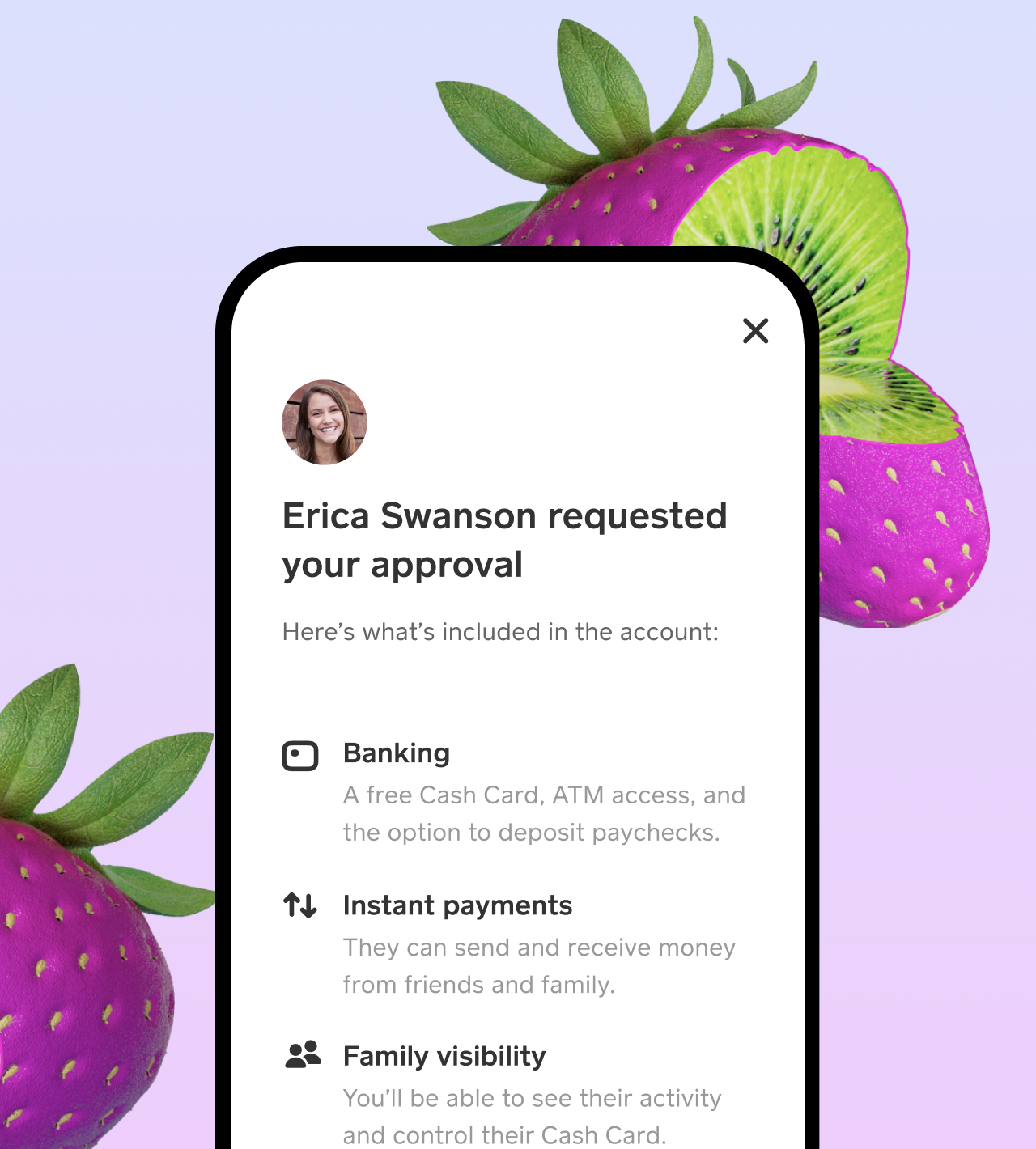
Acknowledging the increasing demand for digital payment solutions among younger demographics while steadfastly maintaining regulatory compliance, Cash App has thoughtfully introduced features designed for teenagers. These features allow minors aged 13-17 to use the application under the direct sponsorship and comprehensive oversight of a parent or legal guardian. This “supervised” model represents a vital bridge, enabling young individuals to acquire practical experience with a financial tool within a controlled environment, thus shifting the paradigm from outright prohibition to guided, responsible participation.
This framework is instrumental in allowing parents to act as mentors, guiding their children through their initial interactions with digital money. The parent or legal guardian assumes legal responsibility for the minor’s account activities and links the teen’s account to their own, providing a transparent and controlled pathway into digital finance. This crucial element of parental involvement ensures that financial experimentation occurs within a protective structure, fostering independent financial decision-making under watchful supervision.
The Role of Parental Accounts and Permissions
For a 13-17-year-old to utilize Cash App, a parent or legal guardian must formally authorize and sponsor their account. This authorization process involves the parent’s identity verification and the explicit linking of the teen’s account to their own primary account. This sponsorship grants the parent significant control and oversight capabilities, ensuring that the minor’s financial activities are monitored and managed responsibly:
-
Transaction Visibility: Parents are provided with full access to their teen’s transaction history, offering complete transparency into their spending and receiving patterns.
-
Fund Management: Parents can send funds to their teen’s account and often have the ability to set limits on how much the teen can spend or withdraw.
-
Card Control: If a Cash Card is issued for the teen, the parent typically retains control over its activation, deactivation, and daily spending limits.
-
Account Deactivation: Parents possess the authority to close the teen’s account at any point if deemed necessary.
This comprehensive framework transforms Cash App from merely a standalone financial tool into an interactive, shared learning platform. It empowers parents to actively guide their children through their initial experiences with digital money management, offering a structured approach to fostering financial independence while ensuring robust safeguards remain firmly in place.
Monitoring Transactions and Promoting Responsible Habits
Beyond merely authorizing an account, active and consistent parental engagement is paramount. Regularly reviewing the transaction history with the teen serves as an incredibly potent educational tool. These discussions can revolve around specific purchases, identifying recurring spending patterns, and understanding the sources of incoming funds, thereby reinforcing crucial financial lessons.
For instance, if a teenager frequently overspends on non-essential items, the transaction data can serve as a catalyst for meaningful conversations about budgeting, financial priorities, and the distinction between needs and wants. Conversely, if the teen is diligently saving for a particular goal, the parent can track their progress collaboratively, offering encouragement and further guidance. This proactive approach helps teenagers understand the real-world implications of their digital financial decisions, encouraging them to think critically and strategically about how they manage their money. The ultimate objective is to gradually empower them to make sound, independent financial choices when they transition to full adult account ownership.
Beyond Eligibility: Maximizing Cash App’s Financial Potential (Responsibly)
Once an individual meets the age requirement for an independent account or operates under a parent-sponsored account, understanding the full spectrum of Cash App’s financial capabilities and how to leverage them wisely becomes critical. The platform transcends mere peer-to-peer transfers, offering a diverse array of services that approximate traditional banking functions, provide investment opportunities, and aid in personal budgeting. Responsible and informed utilization of these features is essential to harnessing their full potential while mitigating associated risks.
Responsible engagement with Cash App requires an informed perspective and an unwavering commitment to financial security. It’s about leveraging the app’s various features to streamline personal finance management, rather than simply using it as a casual payment tool.
Core Features and Their Financial Impact
Cash App offers several features that have significant financial implications, requiring careful understanding from users:
-
Sending and Receiving Money: This foundational feature teaches real-time fund management. Users must understand transaction limits, potential fees for instant transfers, and the finality of transactions, emphasizing the importance of verifying recipient details to prevent errors or fraud.
-
Cash Card: A customizable, free debit card linked directly to the Cash App balance. This feature introduces crucial concepts like debit card usage, ATM withdrawals (and associated fees), and the need for meticulous tracking of card expenditures. It serves as a practical stepping stone to understanding traditional banking debit cards.
-
Direct Deposit: This feature allows users to receive paychecks, tax refunds, or other payments directly into their Cash App account. It positions Cash App as a viable primary banking alternative for some, necessitating an understanding of routing and account numbers, and the reliability of direct deposits for managing essential bills.
-
Investing (Stocks & Bitcoin): Available exclusively to adult users, these features introduce the inherent complexities and risks of financial markets. Users must understand that investing involves risk, and funds are not FDIC insured. Comprehensive education on diversification, long-term versus short-term investing strategies, and market volatility is imperative before engaging with these significant financial responsibilities.
-
Boosts: These provide instant discounts at participating merchants when using the Cash Card. While they can encourage budgeting and value-seeking behavior, users must balance this with the temptation of overspending merely to “save” through discounts.
Safeguarding Funds and Personal Financial Information
Regardless of the user’s age or account type, securing one’s Cash App account is an indispensable aspect of digital financial literacy. Proactive security measures are non-negotiable:
-
Strong Passwords/PINs: Emphasize the creation of unique, complex passwords and the mandatory use of a PIN or biometric security for app access.
-
Two-Factor Authentication (2FA): This critical security layer significantly enhances protection against unauthorized access and should always be enabled.
-
Beware of Scams: Users must be educated on prevalent Cash App scams, such as “cash flipping,” fraudulent giveaways, or sophisticated phishing attempts. It’s crucial to stress that legitimate financial transactions rarely involve sending money to unknown individuals under the promise of receiving a larger sum in return.
-
Privacy Settings: Users should understand what personal information is shared by the app and how to actively manage privacy settings to protect their data.
-
Linked Accounts: Exercise extreme caution when linking bank accounts or debit cards. Only link trusted, personal accounts and regularly review linked accounts for any unauthorized connections.
Responsible use of Cash App extends far beyond simply understanding its functionalities; it encompasses a proactive and vigilant approach to security and a keen awareness of potential threats within the dynamic digital financial landscape. For both adult users and teens operating under parental supervision, these security practices are foundational to ensuring a secure, beneficial, and financially sound experience with Cash App and other similar digital financial tools.
aViewFromTheCave is a participant in the Amazon Services LLC Associates Program, an affiliate advertising program designed to provide a means for sites to earn advertising fees by advertising and linking to Amazon.com. Amazon, the Amazon logo, AmazonSupply, and the AmazonSupply logo are trademarks of Amazon.com, Inc. or its affiliates. As an Amazon Associate we earn affiliate commissions from qualifying purchases.