
In the era of the quantified self, the question of how to calculate calorie needs has shifted from manual estimations and generalized charts to a sophisticated ecosystem of hardware, software, and data science. Historically, individuals relied on static mathematical formulas developed in clinical settings, such as the Harris-Benedict or Mifflin-St Jeor equations. While these served as foundational tools, they often failed to account for the nuanced variables of modern life: varying metabolic rates, non-exercise activity thermogenesis (NEAT), and the thermal effect of food. Today, technology has bridged that gap, offering tools that transform calorie calculation into a dynamic, data-driven process.
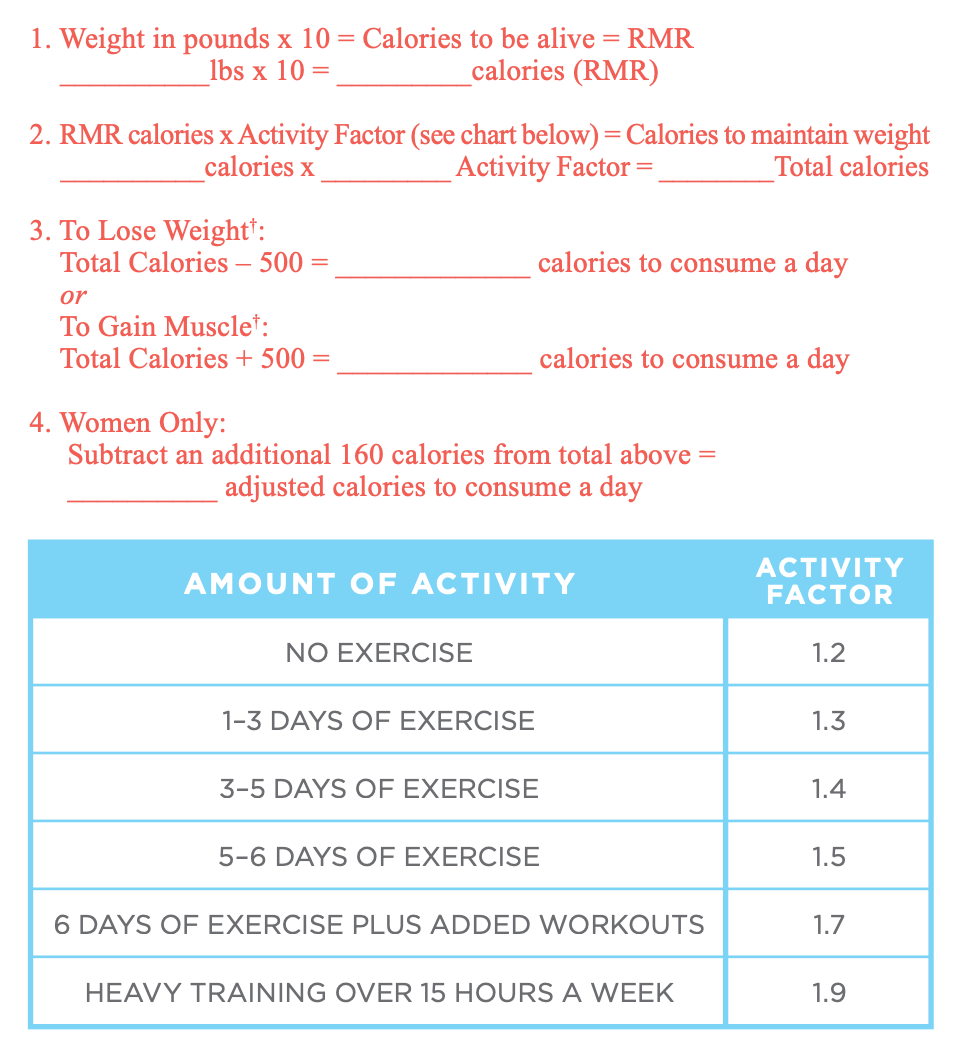
Understanding your caloric requirements—often referred to as your Total Daily Energy Expenditure (TDEE)—is no longer a matter of guesswork. It is an exercise in leveraging digital tools to gain a granular understanding of human biology. From AI-powered algorithms to wearable biosensors, the tech landscape provides a suite of solutions designed to provide precision at scale.
The Evolution of Bio-Algorithms: From Basic Formulas to Machine Learning
The first step in calculating calorie needs involves establishing a baseline, known as the Basal Metabolic Rate (BMR). This is the number of calories your body requires to perform basic life-sustaining functions at rest. While the aforementioned legacy formulas are still the backbone of most digital calculators, modern software has introduced layers of machine learning to refine these outputs.
Beyond the Harris-Benedict Equation
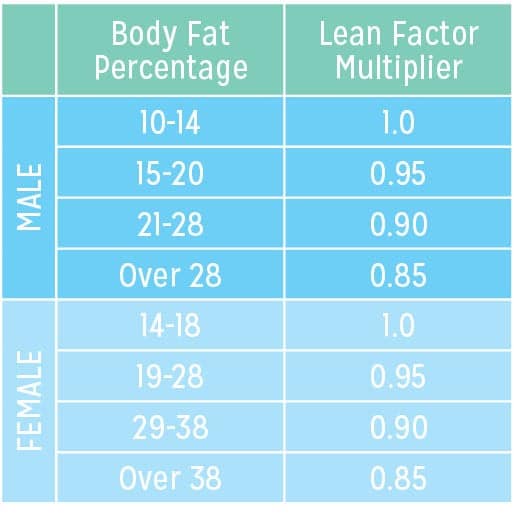
Most contemporary fitness apps and online calculators start with a refined version of the Mifflin-St Jeor equation. However, the tech sector has improved these models by integrating user-specific data points that go beyond height, weight, and age. Advanced software now factors in body composition—specifically lean muscle mass versus body fat percentage. Because muscle tissue is more metabolically active than fat, algorithms that integrate bioelectrical impedance analysis (BIA) data from smart scales provide a much more accurate BMR. This integration of hardware (smart scales) and software (cloud-based analytics) represents the first tier of technological calorie calculation.
The Role of Neural Networks in Personalized Metabolic Modeling
We are seeing a shift toward “adaptive TDEE” calculators. Unlike static calculators, these software tools use neural networks to analyze weeks of logged data. By tracking a user’s daily caloric intake alongside their weight fluctuations, the AI can “reverse engineer” the user’s actual expenditure. If a user consumes 2,500 calories a day and their weight remains stagnant over a three-week period, the algorithm identifies 2,500 as the true maintenance level, regardless of what a standard formula might suggest. This iterative feedback loop is a hallmark of modern health-tech, allowing for a personalized metabolic profile that evolves with the user.
Leveraging Wearable Technology for Real-Time Expenditure Tracking
While BMR accounts for the majority of caloric needs, the most volatile component is active energy expenditure. This is where wearable technology has revolutionized the field. Devices from industry leaders like Apple, Garmin, and Oura utilize a sophisticated array of sensors to monitor physiological markers in real-time, providing a live stream of data that informs caloric calculations.
Smartwatches and Photoplethysmography (PPG)
At the heart of most wearable devices is a PPG sensor, which uses light to measure blood flow at the wrist. By tracking heart rate and heart rate variability (HRV), these devices can estimate the intensity of physical activity. Advanced algorithms then correlate heart rate data with the user’s profile to estimate caloric burn. For example, a high heart rate during a sustained period indicates aerobic activity, which triggers a higher caloric expenditure calculation in the device’s companion app. The precision of these sensors has improved significantly, with high-end gadgets now sampling data points hundreds of times per second to ensure accuracy.
Accelerometry and Gyroscopic Data Integration
Tracking calorie needs isn’t just about purposeful exercise; it’s about movement. Modern wearables utilize tri-axial accelerometers and gyroscopes to detect motion in three-dimensional space. This allows the technology to distinguish between a brisk walk, a flight of stairs, and the micro-movements associated with daily tasks. By quantifying NEAT (Non-Exercise Activity Thermogenesis), wearables provide a more comprehensive view of daily energy requirements than any manual calculator could offer. This data is seamlessly synced to health clouds, providing a holistic view of the “calories out” side of the metabolic equation.
The Software Ecosystem: Top Apps and Tools for Data-Driven Nutrition
Calculations are only as useful as the platform that manages them. The current market is saturated with software suites designed to act as the “central nervous system” for your nutritional data. These apps do more than just add numbers; they provide the infrastructure for long-term health management and data visualization.
Integrated Health Suites
Platforms like Apple Health and Google Fit act as aggregators. They pull data from various sources—your smart scale, your sleep tracker, and your workout app—to create a unified dashboard. For someone trying to calculate their calorie needs, these suites are invaluable because they provide context. They show how a night of poor sleep (tracked via an Oura ring) might correlate with lower activity levels the following day, thereby lowering the TDEE calculation for that specific 24-hour period. This “interoperability” is a key trend in tech, ensuring that data is not siloed but shared across platforms to provide a 360-degree view of the user’s metabolic health.
Specialized Logging Software and API Connectivity
Apps such as MyFitnessPal, Cronometer, and MacroFactor have specialized in the “calories in” portion of the calculation. These tools utilize massive verified food databases and barcode scanning technology to minimize user error in logging. More importantly, they use API (Application Programming Interface) connectivity to sync with wearables. When your Garmin watch detects a 500-calorie run, it automatically updates your daily allowance in your nutrition app. This automated synchronization reduces the friction of manual entry, making it easier for users to maintain a precise caloric balance based on real-time technological feedback.
The Future of Nutritional Tech: AI-Powered Visual Recognition and Biosensors
As we look toward the next frontier of calculating calorie needs, the focus is shifting toward automation and invasive (or semi-invasive) monitoring. The goal is to remove the “human element” of error entirely, relying on computer vision and molecular biology.
Computer Vision for Caloric Intake Assessment
One of the biggest hurdles in calculating calorie needs is the inaccuracy of self-reported food intake. Emerging AI tools are leveraging computer vision to solve this. By taking a photo of a plate of food, deep-learning models can identify the components—estimating the portion size of a steak, the volume of a side of rice, and the likely oil content of the vegetables. This visual data is then cross-referenced with nutritional databases to provide an instant caloric estimate. While still in its refinement stage, this technology promises to transform smartphones into powerful metabolic scanners.
Continuous Glucose Monitoring (CGM) and Metabolic Software
Originally designed for diabetics, Continuous Glucose Monitors (CGMs) are being adopted by the tech-savvy “biohacker” community to calculate metabolic responses to food. Companies like Levels and Nutrisense use hardware sensors that stay in constant contact with interstitial fluid to track blood glucose spikes. By analyzing how different foods impact glucose levels, these platforms provide insights into metabolic flexibility. This allows users to calculate not just how many calories they need, but what types of calories their body processes most efficiently, leading to a new paradigm of “precision nutrition.”
Security and Data Sovereignty in Health Tech
With the explosion of health-related technology comes the critical issue of data security. When you use an app or a wearable to calculate your calorie needs, you are generating a treasure trove of sensitive biometric data. This information includes your weight, heart rate patterns, movement habits, and even your location data.
Protecting Sensitive Biometric Data
As this niche grows, digital security has become a primary concern for consumers. Top-tier tech companies are implementing end-to-end encryption and on-device processing to ensure that metabolic data remains private. For instance, many modern wearables process heart rate data locally before uploading anonymized summaries to the cloud. Understanding the security protocols of the tools you use is as important as the accuracy of the calculations they provide. Users are increasingly looking for “Privacy by Design,” where data minimization and user consent are built into the software’s architecture.

Interoperability vs. Privacy
The tech industry faces a dual challenge: making data easy to share between apps (interoperability) while keeping it safe from unauthorized access. The use of OAuth 2.0 protocols and secure APIs has become standard for connecting nutrition apps with fitness trackers. However, as the ecosystem becomes more complex, the risk of data leaks increases. The future of calorie-calculating tech will likely involve blockchain-based health records or decentralized identity solutions, giving users full ownership over their metabolic data while still allowing AI tools to access it for personalized calculations.
In conclusion, the question of “how do I calculate my calorie needs” is now answered by a sophisticated stack of technology. By combining the foundational principles of biology with the cutting-edge capabilities of AI, wearables, and secure software, we have moved into an era of unprecedented metabolic clarity. Whether through a simple app or a complex array of biosensors, technology provides the roadmap for understanding the human body’s energy requirements with more precision than ever before.
aViewFromTheCave is a participant in the Amazon Services LLC Associates Program, an affiliate advertising program designed to provide a means for sites to earn advertising fees by advertising and linking to Amazon.com. Amazon, the Amazon logo, AmazonSupply, and the AmazonSupply logo are trademarks of Amazon.com, Inc. or its affiliates. As an Amazon Associate we earn affiliate commissions from qualifying purchases.