
Understanding who is required to file a tax return is a cornerstone of financial literacy. In the United States, the federal tax system is built on a foundation of voluntary compliance, but “voluntary” in this context does not mean optional. Rather, it means that taxpayers are responsible for calculating their own liability and submitting the necessary documentation to the Internal Revenue Service (IRS). Failing to recognize when you fall into the category of a “required filer” can lead to significant financial penalties, legal complications, and the loss of potential refunds.

While the basic answer to “who files taxes” revolves around income thresholds, the reality is far more nuanced. Filing requirements are dictated by a combination of your gross income, filing status, age, and the specific nature of your earnings—whether they come from a traditional employer, a side hustle, or investment dividends.
The Thresholds of Taxation: Income and Filing Status
The primary factor determining whether an individual must file a federal income tax return is their gross income compared to the standard deduction for their filing status. Gross income includes all income you receive in the form of money, goods, property, and services that is not exempt from tax. This encompasses wages, but also encompasses business income, capital gains, and even some types of retirement benefits.
Single Filers and Married Couples
For most individuals under the age of 65, the filing threshold aligns closely with the standard deduction. If you are single and your gross income exceeds a specific amount—which adjusts annually for inflation—you are legally obligated to file. For married couples filing jointly, the threshold is significantly higher, reflecting the combined standard deduction for two people.
The complexity increases for those who choose the “Married Filing Separately” status. In many cases, the threshold for these individuals is a mere $5, as the IRS seeks to prevent couples from shifting income to avoid higher tax brackets without full transparency.
The Self-Employed and the Gig Economy
In the modern financial landscape, the “Money” niche is increasingly dominated by the gig economy and independent contracting. The rules for self-employed individuals differ dramatically from those with W-2 employment. If you earn net earnings from self-employment of $400 or more, you must file a tax return.
This $400 rule exists because self-employed individuals are responsible for both the employer and employee portions of Social Security and Medicare taxes (collectively known as Self-Employment Tax). Even if your total income is below the standard deduction for income tax, you may still owe self-employment tax, necessitating a filing. This applies to freelancers, consultants, Uber drivers, and Etsy sellers alike.
Dependents and Minors
A common misconception is that children or students do not need to file taxes. However, if a person can be claimed as a dependent on someone else’s return, their filing thresholds are much lower. This is particularly true for “unearned income,” such as interest, dividends, or capital gains from a custodial brokerage account. If a dependent’s unearned income exceeds a certain limit (often around $1,250), or if their earned income exceeds the standard deduction for a dependent, they must file their own return.
Why You Should File Even if You Don’t Owe
The legal requirement to file is only one side of the coin. From a strategic personal finance perspective, there are numerous scenarios where filing a return is beneficial—even if your income falls below the mandatory threshold.
Recovering Overwithheld Income
If you worked a part-time job or had a fluctuating income throughout the year, your employer likely withheld federal income tax from your paychecks based on your W-4 settings. If your total annual income ends up being less than the standard deduction, you technically owe $0 in income tax. However, the IRS will not automatically send back the money withheld from your checks. The only way to reclaim those funds is to file a tax return and request a refund. For many low-income earners, this refund represents a significant percentage of their annual liquidity.
Claiming Refundable Tax Credits
Refundable credits are one of the most powerful tools in the American tax code. Unlike non-refundable credits, which can only reduce your tax bill to zero, refundable credits can result in a payment from the government even if you owe no tax at all.
-
Earned Income Tax Credit (EITC): This is a credit for low-to-moderate-income working individuals and couples, particularly those with children. The EITC can result in thousands of dollars in your pocket, but it is entirely inaccessible without a filed return.
-
Child Tax Credit (CTC): While the rules for the CTC fluctuate with legislative changes, it remains a vital source of income for families.
-
Premium Tax Credit: If you purchased health insurance through the Health Insurance Marketplace, you might be eligible for this credit to help cover premiums. Filing a return is mandatory to reconcile the advance payments made to your insurer.
Establishing Financial History
In the world of personal finance, your tax return serves as an official, government-verified record of your income. When applying for a mortgage, a car loan, or student financial aid (FAFSA), lenders and institutions almost always require tax transcripts. If you have “gone off the grid” by not filing because you were below the threshold, you may find it impossible to qualify for credit or financial assistance when you need it most.
Special Circumstances and Nuances in Modern Finance
As financial tools evolve, so do the triggers for tax filing. The IRS has recently focused heavily on digital assets and international holdings, expanding the definition of who needs to report their financial activities.
Cryptocurrency and Digital Assets
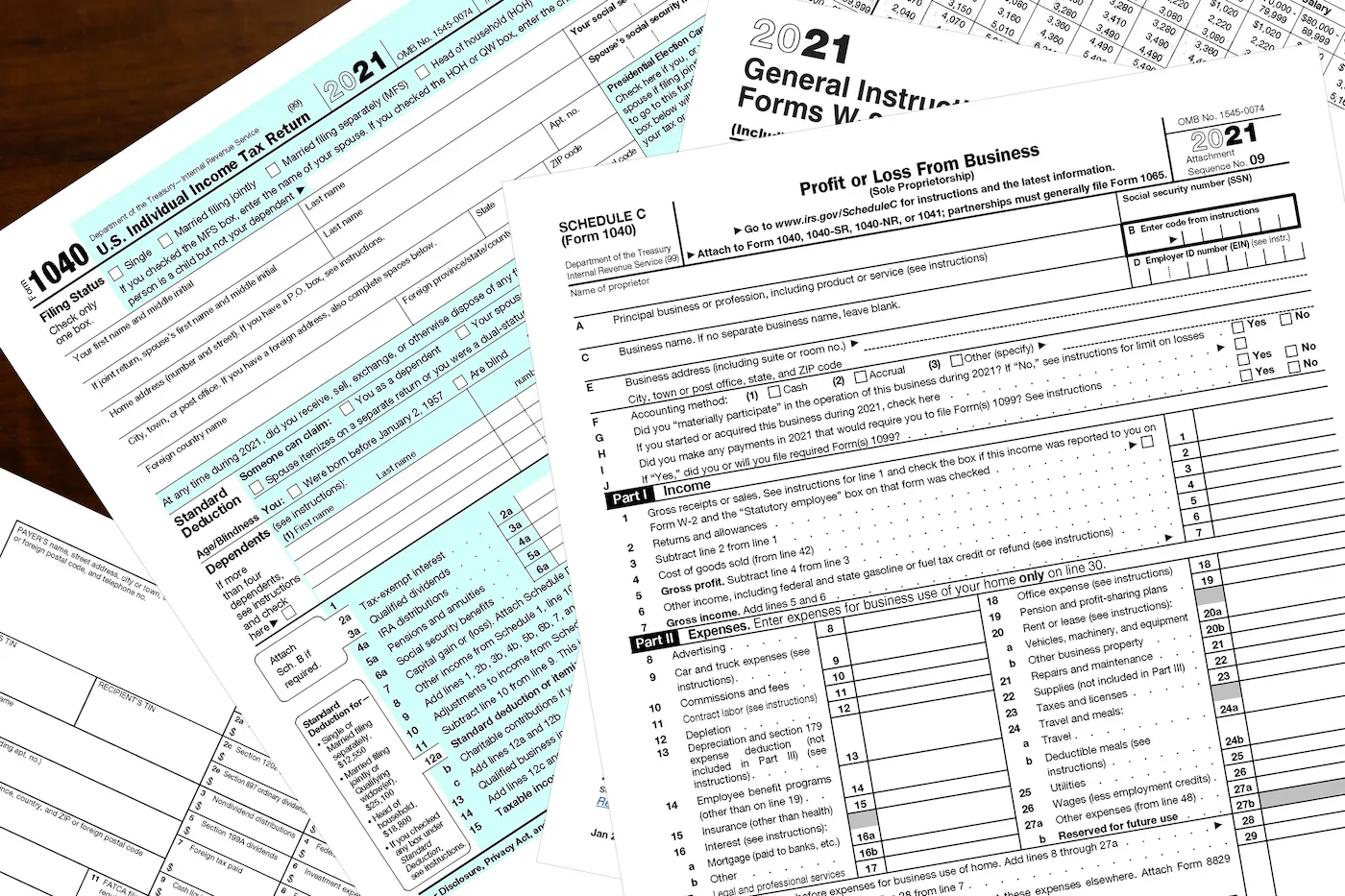
The IRS treats cryptocurrency as property, not currency. This means every time you sell crypto, trade one coin for another, or use crypto to purchase a good or service, you have triggered a taxable event. Even if your total income is low, if you have significant “dispositions” of digital assets, you likely need to file a return to report the capital gains or losses. The IRS now includes a specific question on the front page of Form 1040 asking about digital asset transactions, signaling its priority status.
Seniors and Social Security
For retirees, the question of whether to file depends on the “base amount” of their income. Social Security benefits are generally not taxable unless your “combined income” (adjusted gross income + untaxed interest + half of your Social Security benefits) exceeds a certain level. For many seniors, this calculation determines whether they transition from being a non-filer to a filer. Additionally, those who are 65 or older receive a higher standard deduction, which provides some relief but also changes the math for the mandatory filing threshold.
Non-Residents and Foreign Earned Income
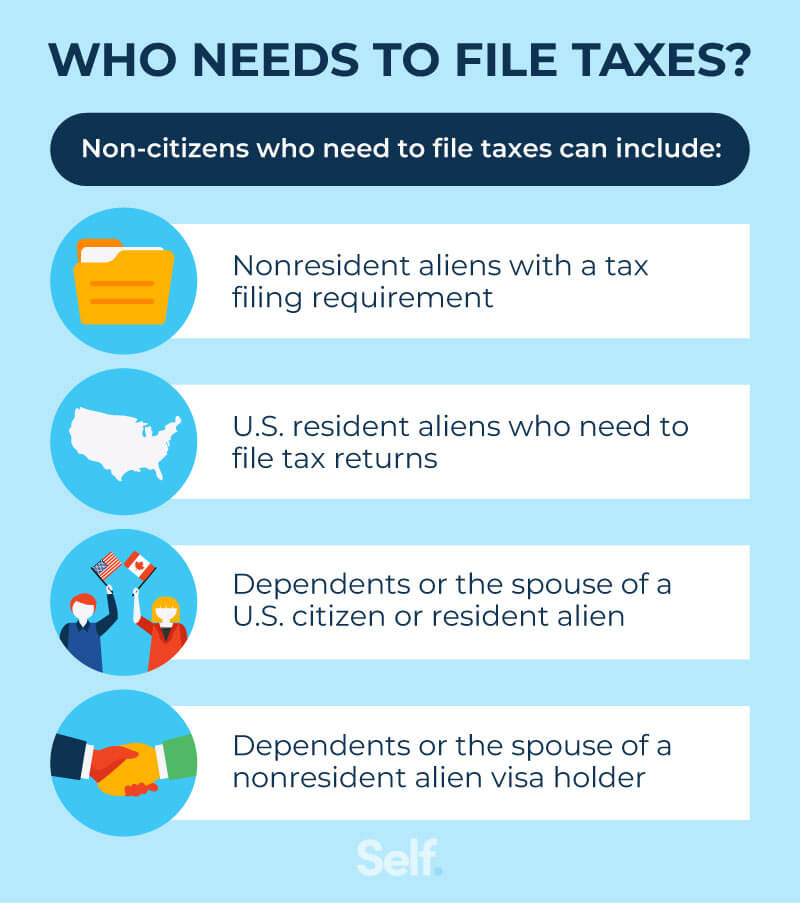
The United States is one of the few countries that taxes based on citizenship rather than residency. US citizens and green card holders living abroad must generally file a US tax return regardless of where they live, provided they meet the income thresholds. While the Foreign Earned Income Exclusion and Foreign Tax Credits often prevent double taxation, the obligation to file remains. Similarly, non-resident aliens with US-source income must often file Form 1040-NR to report earnings from US businesses or investments.
The Risks of Non-Compliance and the Importance of Accuracy
Choosing not to file when you are legally required to do so is a risky financial move. The IRS has sophisticated automated systems that cross-reference 1099 and W-2 forms sent by employers and financial institutions with individual tax returns.
Penalties and Interest
The penalty for “failure to file” is significantly higher than the penalty for “failure to pay.” If you owe taxes and do not file, the IRS can charge a penalty of 5% of the unpaid taxes for each month or part of a month that a tax return is late, up to 25%. If you file but cannot pay, the penalty is usually only 0.5% per month. From a money management perspective, it is always better to file an accurate return on time, even if you have to set up a payment plan for the balance due.
The Statute of Limitations
There is a common myth that if the IRS doesn’t catch a non-filer within three years, the person is “in the clear.” In reality, the three-year statute of limitations for the IRS to assess additional tax only begins once a return is filed. If you never file a return, the statute of limitations never starts, meaning the IRS can technically come after you ten or twenty years later for unfiled returns.
Strategic Documentation
In conclusion, the question of “who files taxes” is answered by a mix of legal mandates and personal financial strategy. While the law sets the minimum income levels for mandatory filing, the wise financial actor views the tax return as a tool for securing refunds, claiming credits, and maintaining a clean financial record. Whether you are a traditional employee, a high-frequency crypto trader, or a retiree, staying informed about your filing status is the first step toward long-term financial stability and compliance. Understanding these rules ensures that you remain in control of your money, rather than letting the IRS dictate your financial future through audits and penalties.
aViewFromTheCave is a participant in the Amazon Services LLC Associates Program, an affiliate advertising program designed to provide a means for sites to earn advertising fees by advertising and linking to Amazon.com. Amazon, the Amazon logo, AmazonSupply, and the AmazonSupply logo are trademarks of Amazon.com, Inc. or its affiliates. As an Amazon Associate we earn affiliate commissions from qualifying purchases.