
Refinancing your home mortgage is one of the most significant financial decisions a homeowner can make, offering the potential to drastically alter monthly payments, adjust loan terms, or unlock valuable home equity. However, the seemingly straightforward act of “refinancing” is a multifaceted process laden with costs, calculations, and critical considerations. The primary question on many homeowners’ minds is often, “How much will it cost to refinance my home, and how much will I save?” Understanding the interplay between these two figures is paramount to making an informed decision that aligns with your long-term financial goals.
This guide will demystify the refinancing process, breaking down the various costs involved, explaining how to calculate your true savings and break-even point, exploring different types of refinance options, and offering practical advice for navigating the application and closing phases. By the end, you’ll have a clearer picture of whether refinancing is a viable strategy for you and how to approach it wisely.
Understanding Refinancing: Why and When to Consider It
Before delving into the financial mechanics, it’s crucial to grasp what mortgage refinancing entails and the common motivations behind it. Refinancing essentially means replacing your current mortgage with a new one. This new loan pays off the old one, and you begin making payments on the new terms.
What is Mortgage Refinancing?
At its core, mortgage refinancing is securing a new loan to replace an existing mortgage on your property. While it might sound like simply switching lenders, it involves a complete re-evaluation of your financial situation, creditworthiness, and the property’s value, much like when you first purchased your home. The new loan will come with a new interest rate, new terms, and often a fresh set of closing costs.
Common Reasons to Refinance
Homeowners opt to refinance for a variety of strategic financial reasons, each driven by specific objectives:
-
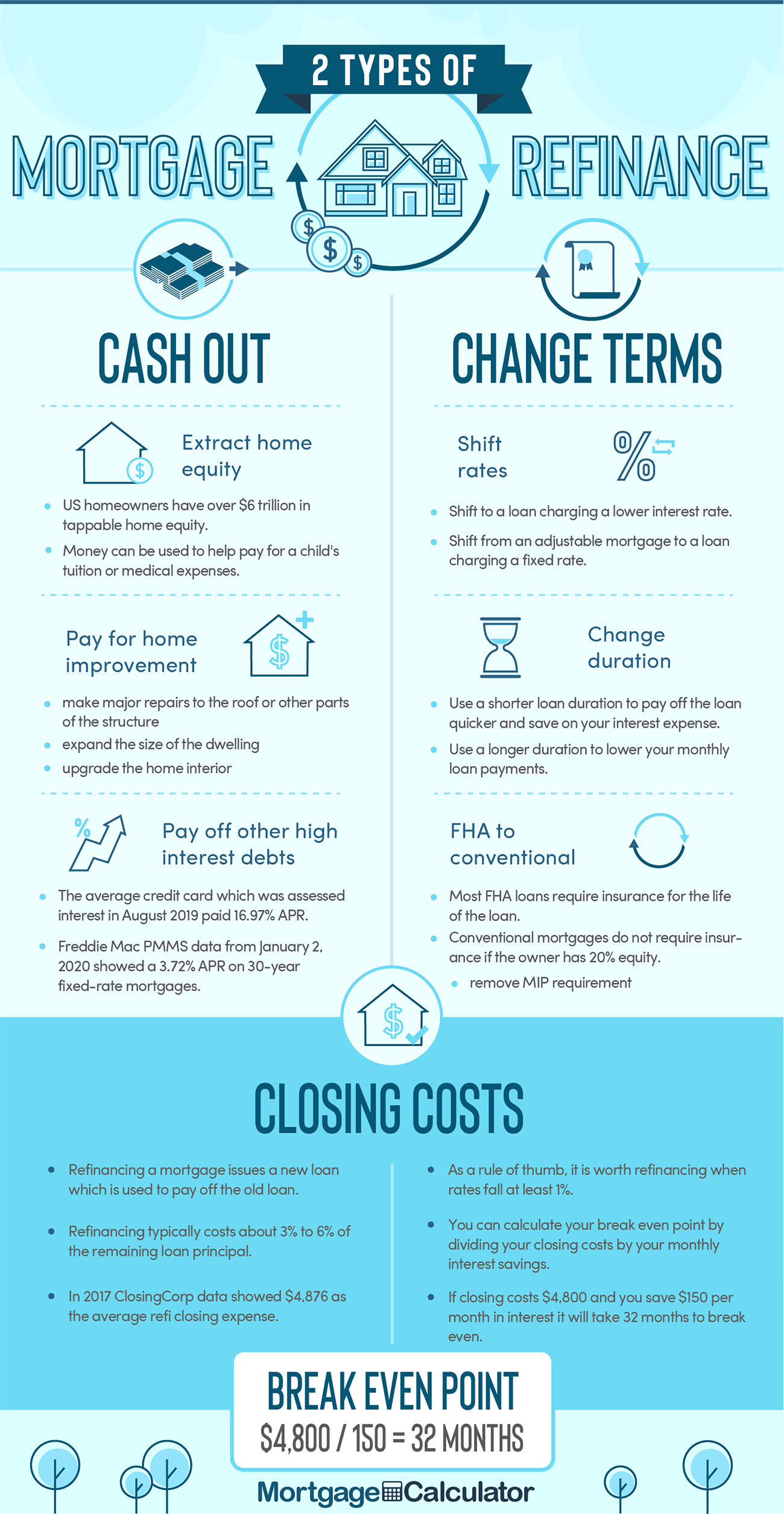
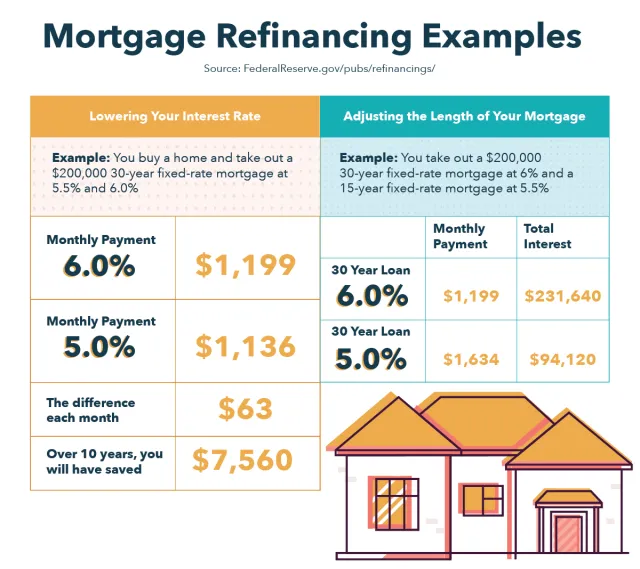
Lowering Your Interest Rate and Monthly Payments: This is perhaps the most common reason. If market interest rates have dropped significantly since you originated your current mortgage, or if your credit score has improved dramatically, you could qualify for a lower rate, leading to substantial savings over the life of the loan and a reduced monthly payment.
-
Shortening Your Loan Term: Some homeowners choose to refinance from a 30-year mortgage to a 15-year mortgage. While this typically results in higher monthly payments, it allows you to pay off your home faster, accrue less interest over time, and build equity more quickly.
-
Tapping into Home Equity (Cash-Out Refinance): If your home has appreciated in value or you’ve paid down a significant portion of your mortgage, you may have accumulated substantial equity. A cash-out refinance allows you to take out a new mortgage for more than you currently owe, receiving the difference in cash. This capital can be used for home improvements, debt consolidation, education expenses, or other significant investments.
-
Consolidating Debt: High-interest credit card debt or personal loans can be burdensome. A cash-out refinance can provide funds to pay off these debts, potentially rolling them into a lower-interest, tax-deductible mortgage payment. This can simplify your finances and reduce overall interest paid.
-
Switching from an Adjustable-Rate Mortgage (ARM) to a Fixed-Rate Mortgage: If you initially opted for an ARM, you might want to convert to a fixed-rate mortgage to stabilize your monthly payments and protect against potential rate hikes, especially in a rising interest rate environment.
-
Removing Private Mortgage Insurance (PMI): If you made a down payment of less than 20% on your original mortgage, you likely pay PMI. If your home’s value has increased, or you’ve paid down enough principal to reach 20% equity, refinancing might allow you to eliminate PMI, further reducing your monthly expenses.
Is Refinancing Right for You? Key Considerations
Deciding whether to refinance requires careful consideration of current market conditions, your personal financial situation, and your long-term goals. Is there a significant enough difference between your current interest rate and available rates? How long do you plan to stay in your home? Your answers to these questions will heavily influence the decision.
Deconstructing the Costs of Refinancing
While the potential benefits of refinancing are appealing, they don’t come for free. Understanding the various costs involved – often collectively referred to as “closing costs” – is crucial for accurately assessing the true financial impact of refinancing. These costs typically range from 2% to 5% of the new loan amount, though they can vary widely by lender, location, and loan type.
Loan Origination Fees
This is the fee charged by the lender for processing your loan application, underwriting, and preparing the loan documents. It often includes points, which are upfront payments used to “buy down” your interest rate. One point equals 1% of the loan amount. While points can lower your long-term interest rate, they increase your upfront costs.
Appraisal Fees
A new appraisal is almost always required to determine your home’s current market value. Lenders need to ensure the property provides sufficient collateral for the new loan. This fee typically ranges from $300 to $600.
Title Insurance and Services
When you refinance, a new title search is conducted to ensure there are no new liens or encumbrances on the property. New title insurance policies (for both the lender and sometimes the homeowner) are issued to protect against any future claims against the property’s ownership. These fees can include title search, title examination, and the cost of the policies themselves.
Attorney and Escrow Fees
In many states, attorneys oversee the closing process, ensuring all legal requirements are met. Escrow fees are charged by a neutral third party (an escrow agent or title company) who handles all the funds and documents involved in the transaction, ensuring that conditions of the loan are met before funds are disbursed.
Recording Fees and Taxes
These are government fees charged by your local municipality or county to record the new mortgage and release the old one from public records. Additionally, some states or localities impose transfer taxes or mortgage taxes on the transaction, which can be significant depending on the loan amount and location.
Other Potential Costs
Beyond the major categories, you might encounter:
-
Credit Report Fees: The cost for the lender to pull your credit report.
-
Underwriting Fees: Another lender fee for assessing the risk of your loan.
-
Survey Fees: In some cases, a new property survey might be required.
-
Flood Determination Fees: To assess if the property is in a flood zone, requiring flood insurance.
How Closing Costs Are Typically Paid
You generally have a few options for paying these costs:
-
Upfront in Cash: Paying closing costs out of pocket at the time of closing is the most straightforward method.
-
Rolling Them into the Loan: Many lenders allow you to finance the closing costs by adding them to your new loan principal. While this reduces your upfront cash requirement, it means you’ll pay interest on these costs over the life of the loan.
-
Lender Credits: Some lenders offer “no-closing-cost” refinances. In these scenarios, the lender covers your closing costs in exchange for a slightly higher interest rate. This can be attractive if you plan to move within a few years or have limited cash for upfront costs, but it means you’ll pay more interest over the long run.
Calculating Your Break-Even Point and Savings
Once you understand the costs, the next critical step is to determine if refinancing is financially advantageous. This involves calculating your break-even point and the overall savings.
The Importance of the Break-Even Analysis
The break-even point is the moment your cumulative monthly savings from the new, lower payment equal the total closing costs you paid to refinance. If you plan to sell your home before reaching this point, you’ll effectively lose money on the refinancing transaction. This analysis is crucial for ensuring the refinance makes financial sense for your timeline.
Step-by-Step Calculation
Let’s illustrate with an example:

-
Calculate Total Closing Costs: Sum up all the fees and charges associated with your refinance. Let’s say your total closing costs are $4,000.
-
Determine Your Monthly Savings: Subtract your new monthly mortgage payment from your old monthly mortgage payment. For instance, if your old payment was $1,500 and your new payment is $1,300, your monthly savings are $200.
-
Calculate the Break-Even Point: Divide the total closing costs by your monthly savings.
- $4,000 (Closing Costs) / $200 (Monthly Savings) = 20 months.
In this scenario, you would break even after 20 months. If you plan to stay in your home for at least 20 months, the refinance is likely a good idea, as every month beyond that point represents net savings.
Long-Term vs. Short-Term Refinancing Goals
Your break-even point’s significance changes depending on your goals. If you’re refinancing to save money over a long period, a slightly longer break-even point might be acceptable. If you’re planning to move in the near future, a refinance with a break-even point that extends beyond your projected move date could lead to financial loss.
When a High Break-Even Point Might Still Make Sense
While the break-even point is critical for assessing cost savings, it’s not the only factor. A longer break-even period might still be justified if:
-
You’re doing a cash-out refinance for a critical, high-ROI home improvement project or to pay off significantly higher-interest debt.
-
You’re converting from an ARM to a fixed-rate mortgage to achieve payment stability and peace of mind, even if the immediate monthly savings aren’t substantial.
-
The refinance allows you to remove PMI, which has a distinct, immediate financial benefit beyond interest rate savings.
Types of Refinance Loans and Their Implications
The world of mortgage refinancing isn’t one-size-fits-all. Different loan types serve distinct purposes, each with its own set of rules, benefits, and potential drawbacks.
Rate-and-Term Refinance
This is the most common type, focusing solely on changing the interest rate and/or the loan term. You’re not taking out additional cash beyond paying off the existing mortgage and closing costs. The primary goals are usually to reduce monthly payments, shorten the loan term, or switch between fixed and adjustable rates.
Cash-Out Refinance
As mentioned, a cash-out refinance allows you to borrow more than you currently owe on your home and receive the difference in a lump sum. This can be a powerful tool for accessing home equity, but it also increases your debt burden and extends the repayment period for the amount you cash out. Risks include potentially higher interest rates and putting your home at greater risk if you can’t make payments.
FHA Streamline Refinance
Specifically for homeowners with an existing FHA loan, this program allows for a faster, less documentation-intensive refinance. It often doesn’t require an appraisal or credit underwriting, as the primary goal is to lower the interest rate on the existing FHA mortgage.
VA Interest Rate Reduction Refinance Loan (IRRRL)
Similar to the FHA streamline, the VA IRRRL is designed for veterans with an existing VA loan. It allows them to refinance their current VA loan to a lower interest rate, often with minimal documentation and without needing a new appraisal, credit review, or income verification.
HELOC vs. Cash-Out Refinance
While a cash-out refinance provides a lump sum, a Home Equity Line of Credit (HELOC) offers a revolving line of credit that you can draw from as needed. HELOCs typically have variable interest rates and are a second mortgage, not replacing your primary mortgage. The choice between a HELOC and a cash-out refinance depends on whether you need a large sum upfront or prefer flexible access to smaller amounts over time.
Navigating the Refinancing Process and Choosing a Lender
Once you’ve decided that refinancing aligns with your financial strategy, the next step is to navigate the process itself. Preparation and due diligence are key.
Preparing Your Documents
Lenders will require a range of financial documents to assess your eligibility:
-
Proof of Income: Pay stubs, W-2s, tax returns (typically for the last two years).
-
Asset Information: Bank statements, investment account statements.
-
Debt Information: Statements for existing mortgages, credit cards, auto loans, student loans.
-
Property Information: Your current mortgage statement, homeowner’s insurance policy, property tax statements.
Having these organized and readily available will expedite the application process.
Shopping for Rates and Lenders
This is one of the most crucial steps. Don’t settle for the first offer you receive. Contact multiple lenders—banks, credit unions, and online mortgage brokers—to compare interest rates, closing costs, and loan terms. Get official Loan Estimates from at least three different lenders to compare apples to apples. A small difference in interest rate can translate to tens of thousands of dollars over the life of the loan.
Understanding the Loan Estimate
The Loan Estimate is a standardized three-page form that provides a detailed breakdown of your loan’s terms, projected payments, and estimated closing costs. It’s designed to help you compare offers from different lenders. Pay close attention to:
-
Interest Rate and APR (Annual Percentage Rate): The APR reflects the true cost of the loan, including fees.
-
Loan Costs (Section A): Lender fees, points, and processing charges.
-
Other Costs (Section B): Appraisal, title, government fees, etc.
-
Cash to Close: The total amount you’ll need at closing.
The Application and Underwriting Phase
After submitting your application and documents, the lender’s underwriter will review everything to assess your creditworthiness and the property’s value. This period often involves requests for additional documentation or clarification. Be responsive to these requests to keep the process moving. An appraisal will be ordered, and a title search conducted.
Closing Your New Loan
Once your loan is approved and cleared for closing, you’ll receive a Closing Disclosure, which is a final breakdown of all costs and terms. Review this document carefully and compare it to your last Loan Estimate. At the closing appointment, you’ll sign numerous legal documents, transfer any required funds, and officially take on your new mortgage.
Conclusion
Deciding “how much to refinance home” is not just about the numbers; it’s about aligning a complex financial transaction with your personal circumstances and future aspirations. While the allure of lower monthly payments or accessible equity is strong, a truly informed decision requires a deep dive into the costs, careful calculation of the break-even point, and a thorough understanding of the various refinance options available.
By meticulously preparing your documents, shopping around for the best rates and terms, and diligently reviewing all disclosures, you can navigate the refinancing process confidently. Remember, a mortgage is often your largest financial commitment, and optimizing it through a well-executed refinance can lead to substantial long-term savings and greater financial flexibility. When in doubt, consulting with a trusted financial advisor or mortgage professional can provide personalized guidance tailored to your unique situation.
aViewFromTheCave is a participant in the Amazon Services LLC Associates Program, an affiliate advertising program designed to provide a means for sites to earn advertising fees by advertising and linking to Amazon.com. Amazon, the Amazon logo, AmazonSupply, and the AmazonSupply logo are trademarks of Amazon.com, Inc. or its affiliates. As an Amazon Associate we earn affiliate commissions from qualifying purchases.