
Changing your legal name is a significant milestone, often marking a major life event such as marriage, divorce, or a personal legal transition. While the emotional and social aspects of a name change are at the forefront, the administrative requirements can be complex, particularly when it involves your financial institutions. Your bank account is the hub of your economic life, connected to your income, your credit history, and your daily expenses. Ensuring that your bank records reflect your current legal name is not merely a matter of preference; it is a critical step in maintaining financial security, regulatory compliance, and seamless access to your funds.

Navigating the bureaucracy of a name change requires a strategic approach. Because banks are heavily regulated entities, they must adhere to strict “Know Your Customer” (KYC) protocols. These laws are designed to prevent identity theft, money laundering, and fraud, meaning that a simple phone call is rarely enough to update your profile. This guide explores the comprehensive process of updating your name with your bank, the documentation required, and how to manage the subsequent impact on your broader financial ecosystem.
The Legal and Regulatory Necessity of Name Updates
From a personal finance perspective, legal consistency is the bedrock of account security. When your legal name changes, the discrepancy between your identification and your bank records can trigger various red flags within automated banking systems.
Compliance and KYC Standards
Banking institutions are required by federal law to verify the identity of every person who conducts business with them. This is part of the KYC framework. When you change your name, your old identity technically no longer matches the legal “person” recognized by the government. If you attempt to deposit a check made out to your new name into an account under your old name, the bank may reject the deposit to prevent potential fraud. Similarly, if you apply for a loan or a mortgage, a name mismatch between your bank accounts and your credit report can stall the approval process for weeks.
Protecting Your Financial Identity
Updating your name is also a vital security measure. Fraudsters often exploit administrative gaps during life transitions. By ensuring your bank, the Social Security Administration (SSA), and the Department of Motor Vehicles (DMV) are all in sync, you create a cohesive paper trail that makes it much harder for bad actors to misappropriate your identity. Furthermore, having an updated name on your debit and credit cards ensures that you can always provide matching photo identification when making large purchases in person, avoiding embarrassing and inconvenient denials at the point of sale.
Essential Documentation: Preparing Your Paperwork
Before you approach your bank, you must have your legal “house” in order. Banks will not accept a name change request based on a verbal statement or a handwritten note; they require government-issued proof of the change.
The Primary Legal Document
The first piece of evidence you need is the legal document that authorized the name change. Depending on your situation, this will typically be:
-
A Marriage Certificate: The most common reason for a name change. Ensure you have a certified copy, not just the decorative one provided during the ceremony.
-
A Divorce Decree: If you are reverting to a previous name, the court order must explicitly state that your name is being restored.
-
A Court Order: For personal name changes unrelated to marital status, a petition granted by a judge is the gold standard of proof.
Updating the Social Security Administration (SSA)
Most financial institutions in the United States rely on your Social Security Number (SSN) as your primary tax identification number. Therefore, it is often a prerequisite to update your name with the SSA before you approach your bank. Once the SSA processes your change, they will issue a new Social Security card. While your number remains the same, the name on the card must match the name you are requesting the bank to use. Many banks will ask to see your updated Social Security card as secondary verification.
Government-Issued Photo Identification
You cannot update your bank records without a valid photo ID that reflects your new name. This usually means a trip to the DMV to update your driver’s license or a state-issued ID. If you have a passport, you should also begin the process of updating it, though a driver’s license is usually sufficient for domestic banking updates. The bank needs to see that the person standing at the counter matches the legal documents provided and the new name on the account.
The Step-by-Step Name Change Process
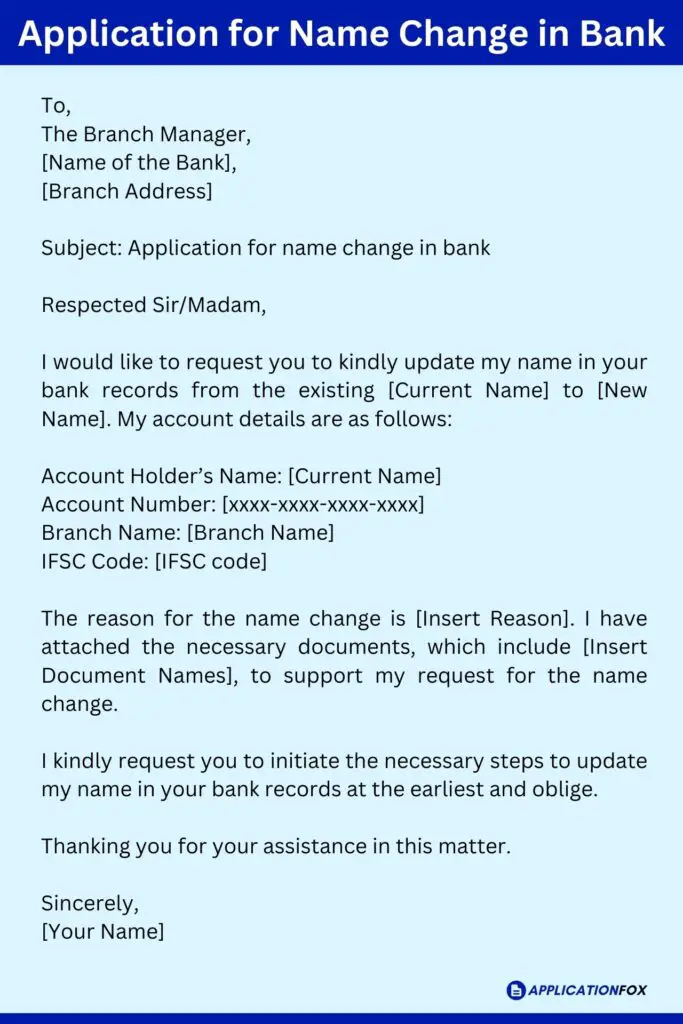
Once you have gathered your certified legal documents, your updated Social Security card, and your new photo ID, you are ready to contact your bank. Every institution has slightly different procedures, but the following steps are the industry standard for traditional and digital banks.
Step 1: Determine the Required Method of Submission
Traditional brick-and-mortar banks, such as Chase, Bank of America, or Wells Fargo, generally prefer—and often require—that you visit a branch in person. This allows them to physically inspect your original documents and witness your signature on new account agreements.
Online-only banks, such as Ally or SoFi, have digital workflows. They typically require you to upload scanned, high-resolution copies of your documents through a secure portal or mail in notarized copies of the name-change paperwork. Before you take any action, check your bank’s website or call their customer service line to confirm their specific requirements.
Step 2: Completing the Name Change Form
The bank will provide a specific document, often called a “Name Change Request” or “Customer Information Update” form. This form officially requests the bank to update its internal systems. You will likely be asked to provide your old name, your new name, your account numbers, and your signature. If you have a joint account, some banks may require the other account holder to be present or to sign an acknowledgment of the change.
Step 3: Reviewing Your Account Signature Card
When you first opened your account, you signed a signature card that the bank uses to verify your checks and authorizations. When you change your name, your legal signature might change as well. The bank will have you sign a new signature card to ensure that your new name and signature are on file for future verification. This is a critical step for preventing future disputes over “unauthorized” signatures on checks.
Managing the Financial Ripple Effect
Changing your name on your primary checking account is only the beginning. Your financial life is an interconnected web, and you must ensure that every strand is updated to prevent service interruptions.
Credit Cards and Personal Loans
If you have credit cards with the same bank, they will often update those accounts simultaneously with your checking account. However, if your cards are through different issuers, you must contact each one individually. Once the change is processed, the bank will issue new physical cards. It is important to destroy your old cards immediately once the new ones arrive to prevent any confusion or security risks.
The Impact on Credit Reporting
One common concern is whether a name change will affect your credit score. The good news is that your credit history is tied primarily to your Social Security Number, not your name. When you update your name with your bank and credit card issuers, they will report the update to the three major credit bureaus (Equifax, Experian, and TransUnion) during their next reporting cycle. You do not usually need to contact the bureaus yourself, although it is wise to pull a free credit report three to six months after the change to ensure your new name is listed as the primary name and your old name is listed as an “alias.”
Direct Deposits and Automated Payments
This is where many people encounter the most friction. Once your bank account name is updated, you must notify your employer’s HR or payroll department. If your payroll department attempts to send a direct deposit under your old name and the bank has strictly updated your profile to the new name, the deposit could be “returned to sender.” Similarly, check any “Auto-Pay” services tied to your debit card. Since your new card will have a new expiration date and potentially a new CVV code, you will need to update this information on every platform, from utility companies to streaming services.

Post-Update Checklist: Ensuring a Seamless Transition
After the bank confirms that your name has been updated in their system, there are several administrative tasks you must complete to ensure your daily financial operations continue without a hitch.
-
Order New Checks: If you still use paper checks, your old ones are now obsolete. Using a check with your old name can lead to verification issues at retail locations or when paying contractors. Most banks will offer one free box of checks following a legal name change, but you should verify this with your representative.
-
Update Beneficiary Designations: Review the beneficiaries on your accounts. If you have listed others, ensure their names are correct. More importantly, if you are listed as a beneficiary on someone else’s account (like a parent’s life insurance or a spouse’s 401k), make sure they update their records to reflect your new legal name to avoid probate delays in the future.
-
Notify Investment and Retirement Accounts: If you have a brokerage account or an IRA, these are separate legal entities from your standard checking account. Even if they are hosted by the same parent company, you may need to submit separate documentation to the investment arm of the bank.
-
Digital Wallets: Update your name and card information in digital wallets like Apple Pay, Google Pay, or PayPal. These services rely on the underlying data from your bank, and a mismatch can lead to transaction failures.
Changing your name with your bank is a meticulous process that demands attention to detail. By treating it as a professional project—gathering documents early, understanding the regulatory requirements, and systematically updating your secondary accounts—you can ensure that your financial identity remains secure and your transition into your new legal name is smooth and successful. Banking is fundamentally built on trust and verification; by keeping your records accurate, you maintain the integrity of your personal economy.
aViewFromTheCave is a participant in the Amazon Services LLC Associates Program, an affiliate advertising program designed to provide a means for sites to earn advertising fees by advertising and linking to Amazon.com. Amazon, the Amazon logo, AmazonSupply, and the AmazonSupply logo are trademarks of Amazon.com, Inc. or its affiliates. As an Amazon Associate we earn affiliate commissions from qualifying purchases.