
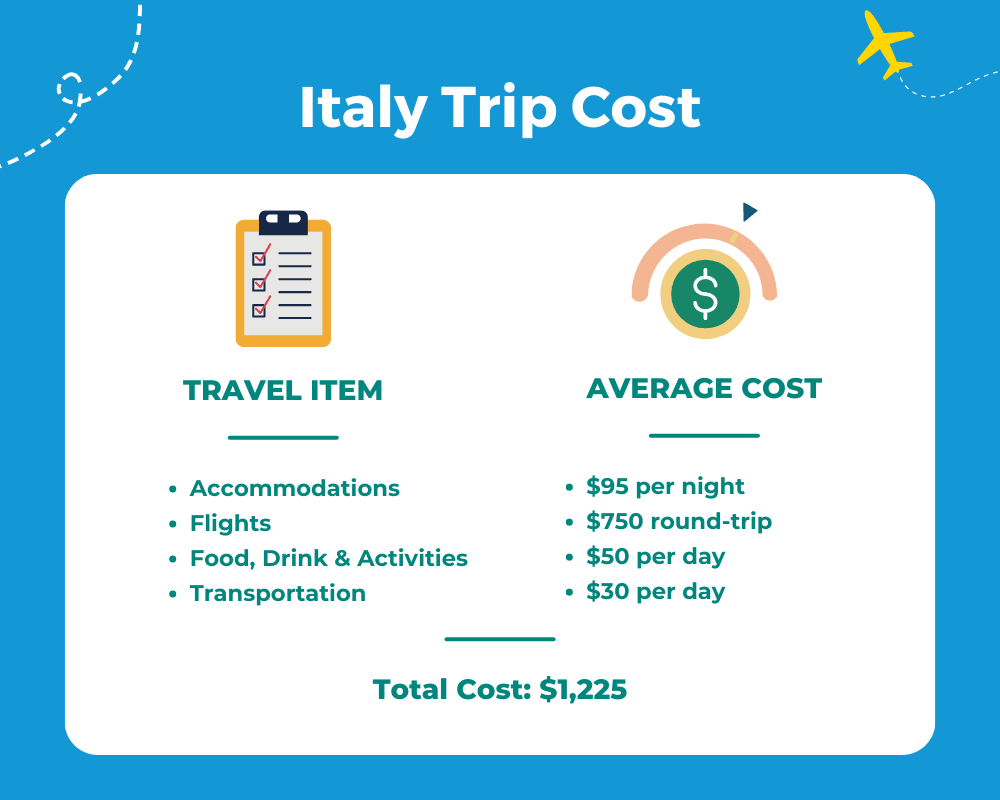
Planning a trip to Italy is as much an exercise in financial management as it is in cultural exploration. When asking “how much to fly to Italy,” the answer is rarely a fixed number. Instead, it is a dynamic figure influenced by global market trends, seasonal demand, and strategic financial planning. For the savvy traveler, understanding the underlying economics of transatlantic flight pricing is the first step toward optimizing a travel budget without compromising the quality of the experience.
In the realm of personal finance, travel is often categorized as a discretionary expense, but with the right approach, it can be managed with the same precision as a diversified investment portfolio. To accurately project the cost of a flight to Italy, one must look beyond the sticker price and analyze the variables that dictate airline pricing algorithms.
Decoding the Economic Variables of Flight Pricing
The cost of airfare is governed by the principles of supply and demand, coupled with complex yield management systems used by airlines. To budget effectively, one must understand how these variables impact the final price of a ticket.
Seasonal Fluctuations and Market Demand
The timing of your purchase and your travel dates are the most significant factors in determining cost. Italy’s tourism market follows a highly predictable seasonal pattern.
-
Peak Season (June–August): During the summer months, demand reaches its zenith. From a financial perspective, this is the most expensive time to fly. Direct flights from major North American hubs can range from $1,200 to over $2,000 for a standard economy seat. For those managing a strict budget, this period offers the lowest return on investment.
-
Shoulder Season (April–May and September–October): This is often considered the “sweet spot” for financial efficiency. Prices typically drop to between $700 and $1,100. The weather remains favorable, but the reduction in demand leads to more competitive pricing from carriers.
-
Low Season (November–March, excluding holidays): This is the period of maximum savings. It is not uncommon to find round-trip fares from New York or London to Rome or Milan for as low as $400 to $600. Financially, traveling during the low season allows for a significant reallocation of funds toward higher-quality accommodations or dining experiences.
The Impact of Departure Points and Hub Connectivity
Your geographical starting point acts as a baseline for your travel capital. Major international hubs like New York (JFK), Newark (EWR), London (LHR), and Paris (CDG) benefit from high competition and high volume, which generally drives prices down. Conversely, flying from secondary airports often incurs a “convenience tax” in the form of higher fares or additional connection costs.
When budgeting, it is essential to calculate the total cost of reaching a major hub versus flying directly from a local airport. Sometimes, the domestic leg of a journey can cost nearly as much as the transatlantic portion, making a separate “positioning flight” a financially sound strategy.
Strategic Cost Breakdown: Tiered Pricing and Hidden Fees
Understanding the “How Much” requires a deep dive into the different tiers of service and the ancillary costs that airlines use to bolster their profit margins.
The Tiered Pricing Model: Economy to Business Class
Modern airlines have unbundled their pricing, creating a spectrum of costs that cater to different financial profiles.
-
Basic Economy: This is the entry-level price point. While the headline figure is attractive, it often excludes baggage, seat selection, and flexibility. For the budget-conscious traveler who can pack light, this offers the lowest capital outlay.
-
Main Cabin/Economy: This tier usually includes a checked bag and some level of flexibility. Financially, this is often the most stable choice for families and long-term planners. Expect to pay a $150–$300 premium over Basic Economy.
-
Premium Economy: Offering more space and better service, this tier typically costs 50% to 100% more than standard economy. From a value-based perspective, this is often where travelers find the most comfort-to-cost equilibrium on long-haul flights.
-
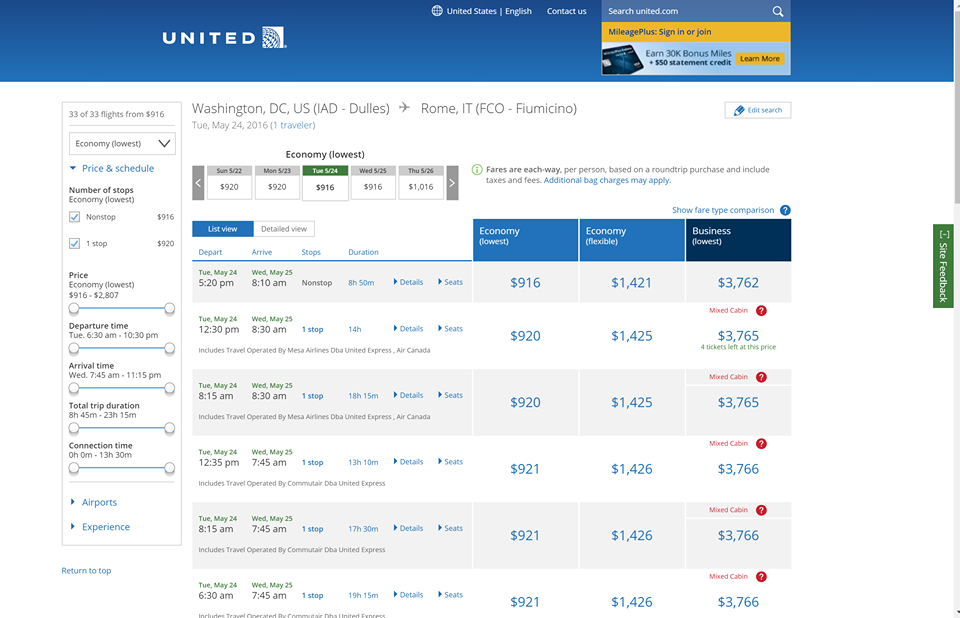
Business and First Class: These seats represent a significant capital investment, often ranging from $3,000 to $8,000 or more. In the world of personal finance, these are typically booked using “travel arbitrage” strategies, such as leveraging credit card points and airline miles to offset the cash cost.
Ancillary Fees and the True Cost of a Ticket
The advertised fare is rarely the final price paid. To maintain an accurate budget, one must account for:
-
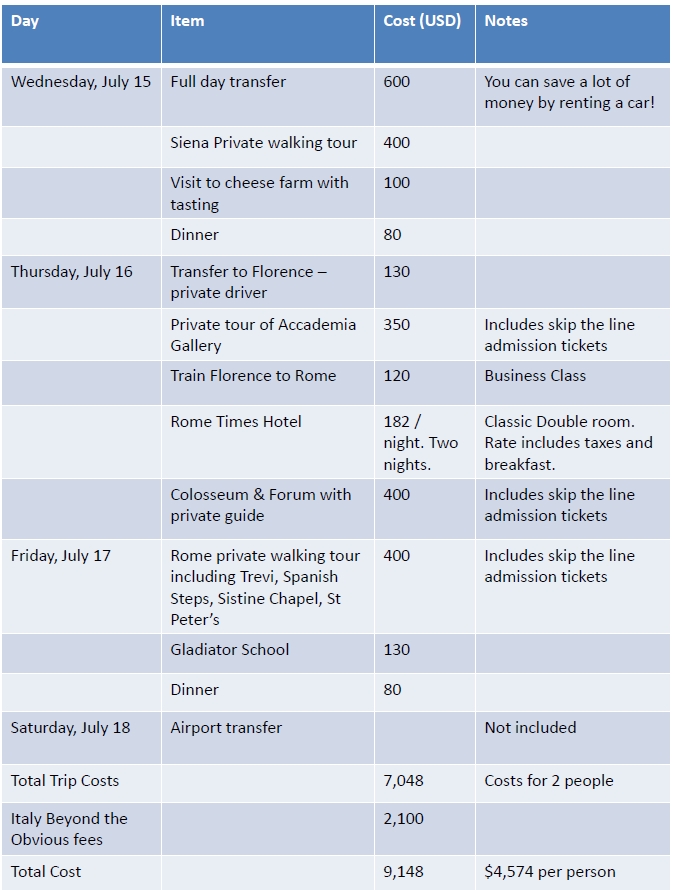
Baggage Fees: Checked bags can add $60 to $150 to a round-trip ticket.
-
Seat Selection: Many carriers now charge for the “privilege” of sitting with travel companions, which can add $40 to $100 per segment.
-
Taxes and Surcharges: International flights are subject to various government taxes and fuel surcharges. Ensure your budget accounts for these, especially when booking with miles, as taxes must still be paid in cash.
Financial Tools and Tactics for Securing the Best Rates
In the digital age, several financial tools and methodologies exist to help travelers secure the lowest possible price for their flight to Italy. Utilizing these tools is akin to technical analysis in trading; it’s about identifying the right entry point.
Leveraging Fare Aggregators and AI-Driven Predictors
Platforms such as Google Flights, Skyscanner, and Kayak are essential for market research. These tools allow you to visualize price trends over a 12-month horizon.
-
Price Alerts: Setting up alerts allows you to monitor the market without manual effort. When the “price action” hits your target budget, you can execute the purchase.
-
AI Forecasting: Tools like Hopper use historical data to predict whether a fare will rise or fall. Using these predictions can save an average of 10-15% on the total ticket cost by preventing premature booking during a price spike.
The Power of Credit Card Rewards and Travel Arbitrage
For many, the most effective way to reduce the cost of flying to Italy is not through finding a cheaper fare, but through strategic credit card usage. This is often referred to as “travel hacking.”
By utilizing cards that offer high-value sign-up bonuses and categorized spending multipliers (e.g., 3x points on dining or travel), consumers can accumulate “travel currency.” Transferring these points to airline partners often yields a much higher cent-per-point value than simple cash back. For example, a $5,000 Business Class seat might be obtainable for 60,000 points plus $200 in taxes, representing a massive financial gain compared to paying the cash price.
Maximizing ROI: Beyond the Flight Ticket
Once the flight is booked, the financial planning continues. The “cost to fly to Italy” is just the gateway to the broader economic reality of the trip.
Currency Exchange and Transaction Fees
The volatility of the Euro (EUR) against your home currency (e.g., USD, CAD, GBP) can impact your purchasing power upon arrival. From a personal finance perspective, it is wise to monitor exchange rates months in advance.
Avoid airport currency kiosks, which often charge a 10-15% markup through poor exchange rates and high commissions. Instead, utilize “no foreign transaction fee” credit cards and high-yield checking accounts that reimburse international ATM fees. This ensures that every dollar spent in Italy is maximized at the interbank exchange rate.
Building a Comprehensive Italian Travel Sinking Fund
Rather than putting a flight on a high-interest credit card, a sound financial strategy involves creating a “sinking fund”—a dedicated savings account specifically for the trip.
If a flight to Italy costs $1,000, and you plan to travel in 10 months, saving $100 per month ensures the expense is covered without incurring debt. This proactive approach to travel finance reduces the “post-vacation blues” that often come with a large credit card statement. It allows the traveler to enjoy the experience with the peace of mind that the investment was fully capitalized in advance.
Conclusion: The Final Financial Outlook
So, how much does it fly to Italy? The answer is a range: from as little as $400 for a budget-conscious, off-season traveler using rewards, to over $10,000 for a last-minute, luxury business class booking.
By treating travel as a financial project—analyzing market trends, understanding the tiered pricing structures of airlines, leveraging digital tools for price discovery, and utilizing strategic credit card rewards—you can significantly lower the barrier to entry. Ultimately, the goal is to minimize the “cost of transport” to maximize the “value of the experience.” In the world of personal finance, a well-planned trip to Italy isn’t just an expense; it’s a high-yield investment in cultural capital, provided the numbers are managed with precision.
aViewFromTheCave is a participant in the Amazon Services LLC Associates Program, an affiliate advertising program designed to provide a means for sites to earn advertising fees by advertising and linking to Amazon.com. Amazon, the Amazon logo, AmazonSupply, and the AmazonSupply logo are trademarks of Amazon.com, Inc. or its affiliates. As an Amazon Associate we earn affiliate commissions from qualifying purchases.