
In the modern landscape of personal finance, subscription models have transformed from peripheral conveniences into central pillars of the average household budget. At the heart of this “subscription economy” lies Amazon Prime, a service that has evolved far beyond its 2005 origins as a simple unlimited shipping program. Today, determining how much it costs to be an Amazon Prime member requires a multi-faceted analysis that goes beyond the sticker price. It involves evaluating direct fees, hidden costs, potential savings, and the opportunity cost of the various services bundled into the ecosystem.
For the financially conscious consumer, the question isn’t just about the monthly or annual debit from a bank account; it is about the Return on Investment (ROI). Understanding the true cost of Amazon Prime is essential for maintaining a lean personal budget while maximizing the utility of digital and logistical services.
Decoding the Direct Membership Fees
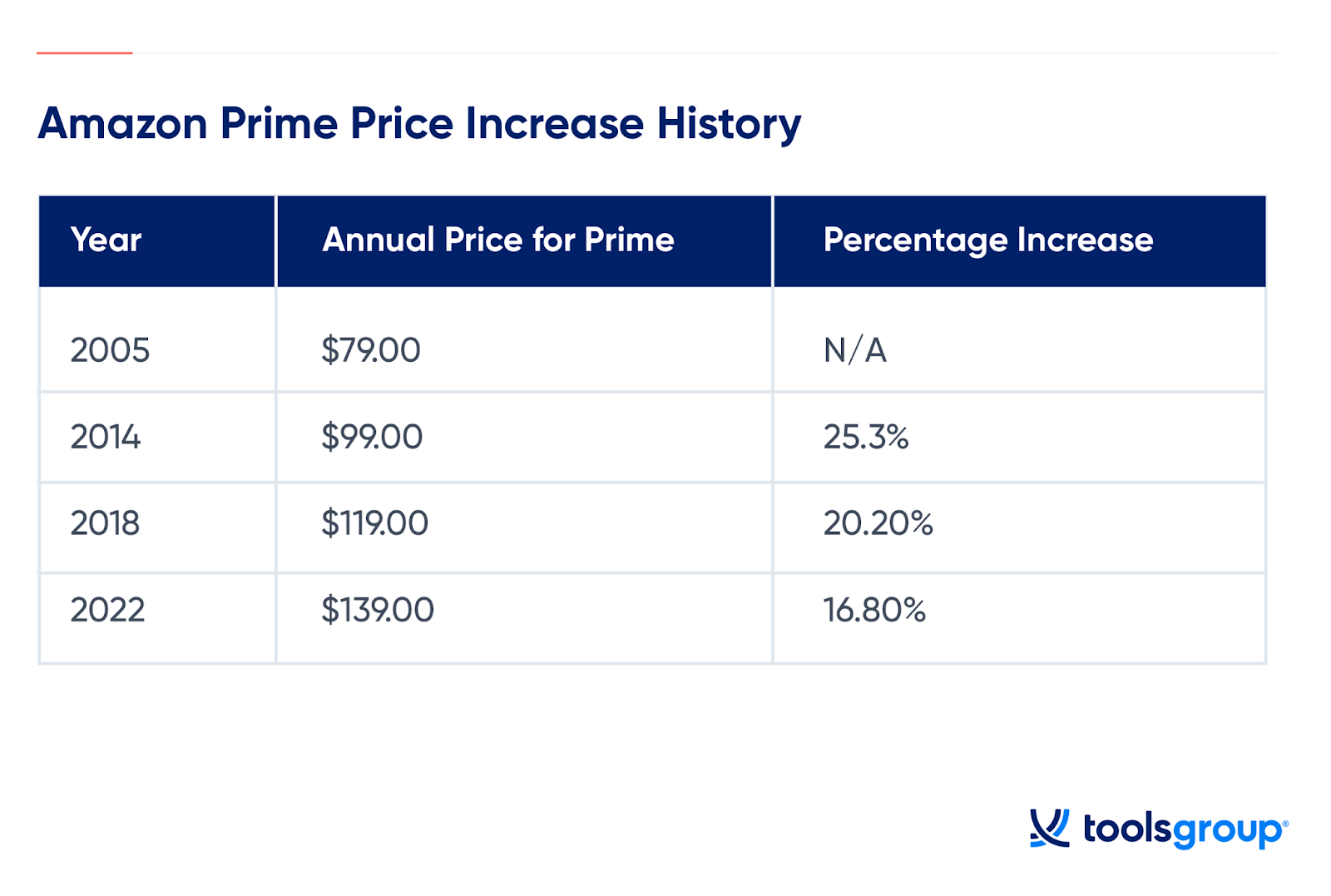
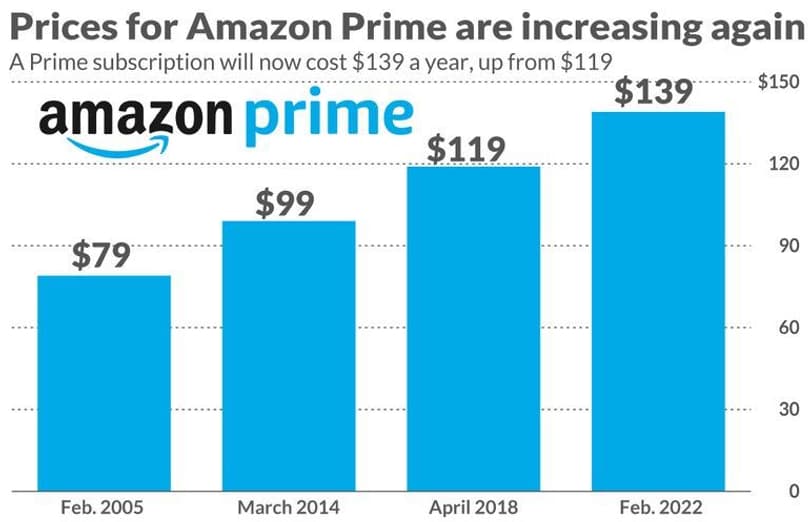
The most transparent aspect of the cost of Prime is the membership fee itself. As of 2024, Amazon has structured its pricing tiers to cater to different demographic segments, though the trend has been a steady upward climb in price over the last decade.
Standard Membership Tiers
For the majority of consumers, Amazon Prime offers two primary payment structures:
-
Monthly Membership: Priced at $14.99 per month. This option offers the highest flexibility, allowing users to cancel at any time without a long-term commitment. However, it is the most expensive path, totaling approximately $180 annually.
-
Annual Membership: Priced at $139 per year. By paying upfront, members effectively reduce their monthly cost to roughly $11.58, representing a savings of nearly 23% over the monthly plan. For those certain of their long-term usage, the annual plan is the standard recommendation for fiscal efficiency.
Discounted Tiers for Specific Demographics
Amazon has strategically implemented lower-cost tiers to capture market share among younger demographics and lower-income households, which serves as both a social utility and a customer acquisition strategy.
-
Prime Student: Designed for higher education students, this tier is priced at $7.49 per month or $69 per year. It often comes with a six-month trial period, making it one of the most aggressive “loss-leader” products in the subscription world.
-
Qualifying Government Assistance: Recipients of EBT, Medicaid, and several other government assistance programs can access Prime for $6.99 per month. This is a critical component for those who rely on the service for grocery delivery in “food deserts” where physical retail access is limited.
The Impact of Sales Tax
One often overlooked aspect of the direct cost is state and local sales tax. Depending on the user’s location, the $139 annual fee can easily climb to $150 or more. When calculating the impact on a personal budget, these peripheral taxes must be accounted for to ensure an accurate financial snapshot.
The Financial Psychology of the Prime Ecosystem
While the membership fee is the “entry price,” the true cost of being an Amazon Prime member is often found in the shift in spending behavior. From a personal finance perspective, Prime is designed to reduce “purchase friction.”
The Convenience Premium and Impulsive Spending
The hallmark of Prime is “free” two-day, one-day, or even same-day shipping. While this appears to be a savings mechanism, behavioral economics suggests otherwise. When shipping is perceived as “free,” the psychological barrier to making small, frequent purchases vanishes.
A consumer who might have waited to accumulate $35 worth of goods to trigger free shipping under a standard account may, as a Prime member, place five separate orders for $7 items. This leads to “micro-spending,” which can significantly inflate a monthly budget. Financial planners often note that Prime members tend to spend more annually on Amazon than non-members, not necessarily because they need more items, but because the ease of acquisition encourages impulse buys.
Subscription Fatigue and Budget Management
In an era where the average household manages between five and twelve different subscriptions, the $139 annual fee for Prime contributes to a phenomenon known as subscription fatigue. From a cash flow management perspective, annual billing can create a “budget shock” if not planned for. Conversely, monthly billing can become a “silent drain” that is easily ignored during a monthly audit. To manage this cost effectively, disciplined spenders often set aside a small monthly “sinking fund” to cover the annual renewal, ensuring that the expense is smoothed out over the fiscal year.
Calculating Your Break-Even Point
To determine if the cost of Amazon Prime is justified, one must conduct a break-even analysis. This involves comparing the membership fee against the actual savings realized through the service.
Shipping Savings vs. Membership Fees
The most basic calculation is shipping-centric. If the average non-Prime shipping cost for a standard package is approximately $7 to $10, an annual member needs to place roughly 14 to 20 orders per year to “break even” on shipping alone.
-
The Low-Volume User: If you order fewer than once a month, the $139 fee is likely a net loss. You would be better served by consolidating orders to meet the $35 free-shipping threshold available to non-members.
-
The High-Volume User: For households that rely on Amazon for household essentials, pet supplies, and groceries, placing 50 to 100 orders a year is common. For these users, the per-order shipping cost drops to under $3, making the membership a high-value financial tool.
The Grocery Variable: Whole Foods and Amazon Fresh
For those who use Amazon for nutrition and groceries, the ROI calculation changes. Prime members receive exclusive discounts at Whole Foods Market (typically an extra 10% off sale items). If a household spends $200 a week at Whole Foods, the potential savings could theoretically cover the entire annual Prime membership in a matter of months. Additionally, the access to Amazon Fresh delivery can save on fuel costs and, more importantly, “time-cost,” which is a vital metric in professional financial planning.
Quantifying the Value of Prime Perks
A major part of the “how much” equation involves the value of the bundled services. Amazon Prime is no longer just a shipping service; it is a media and services conglomerate. To find the true value, one should compare these perks to the cost of standalone alternatives.
Streaming Services: Video and Music
Prime Video is often cited as a primary reason for maintaining a membership. Given that standalone streaming services like Netflix or Max cost between $10 and $20 per month, a user who cancels a different streaming service in favor of Prime Video is effectively getting their “shipping” for free. Similarly, Prime Music (though a limited version of the Unlimited tier) provides a baseline alternative to Spotify or Apple Music. If these services are utilized, they represent a “shadow savings” of approximately $120 to $240 per year.
Digital Assets: Reading, Gaming, and Photos
-
Prime Reading: Access to a rotating library of eBooks and magazines can replace a $10/month Kindle Unlimited subscription for casual readers.
-
Amazon Photos: Offering unlimited full-resolution photo storage, this can replace paid tiers of Google Photos or iCloud. For a user paying $2.99/month for cloud storage elsewhere, switching to Amazon Photos saves roughly $36 annually.
-
Prime Gaming: Includes free monthly games and a Twitch subscription, a value that resonates with the gaming demographic.
Healthcare and Pharmacy Benefits
A newer but significant financial pillar is the Amazon Pharmacy benefit. The “RxPass” allows members to get all their eligible generic medications for a flat $5 per month, including shipping. For individuals with chronic conditions requiring multiple generic prescriptions, this can result in hundreds of dollars in annual savings compared to traditional pharmacy co-pays.
Strategic Alternatives and Financial Decision-Making
Before committing to the cost of Prime, a savvy individual should consider the competitive landscape. The market for “loyalty ecosystems” has become crowded, and Amazon is no longer the only player in the field.
Walmart+ vs. Amazon Prime
Walmart+ is the most direct competitor, priced at $98 per year or $12.95 per month. It offers free shipping with no minimum, grocery delivery, and a fuel discount of 10 cents per gallon at over 14,000 stations. For a household that prioritizes fuel savings and physical grocery proximity, Walmart+ may offer a better ROI than Amazon Prime.
The “Month-on, Month-off” Strategy
One of the most effective ways to manage the cost of being a Prime member is to use the service tactically rather than permanently. Many financial minimalists subscribe to the monthly plan only during high-volume months—such as November and December for holiday shopping, or during Prime Day events in July. By paying for only three or four months of service a year, a user can access the shipping benefits during peak times for under $60, avoiding the $139 annual commitment while still reaping the majority of the logistical rewards.

The Impact of the Amazon Prime Visa
For those who do choose to pay the Prime fee, the financial blow can be softened by the Amazon Prime Visa card. This card offers 5% back on all Amazon and Whole Foods purchases. To “earn back” the $139 membership fee through rewards alone, a member would need to spend $2,780 annually at Amazon. For a family that uses Amazon as their primary retailer, this spend level is often met, effectively making the membership “free” through the cashback mechanism.
In conclusion, the cost of being an Amazon Prime member is not a static figure. It is a dynamic intersection of the $139 annual fee, the behavioral shift toward higher spending, and the offsetting value of bundled services. For the disciplined consumer who leverages the pharmacy, streaming, and grocery benefits while utilizing the Prime Visa for cashback, the membership is a powerful financial asset. However, for the occasional shopper who falls prey to the convenience-induced impulse buy, the true cost of Prime can be significantly higher than the membership fee suggests. Success in the subscription economy requires a constant re-evaluation of these costs to ensure that convenience never comes at the expense of long-term financial health.
aViewFromTheCave is a participant in the Amazon Services LLC Associates Program, an affiliate advertising program designed to provide a means for sites to earn advertising fees by advertising and linking to Amazon.com. Amazon, the Amazon logo, AmazonSupply, and the AmazonSupply logo are trademarks of Amazon.com, Inc. or its affiliates. As an Amazon Associate we earn affiliate commissions from qualifying purchases.