
The landscape of home entertainment has undergone a seismic shift over the last decade. As traditional cable infrastructure faces obsolescence, software-driven solutions have stepped in to bridge the gap between linear television and on-demand streaming. At the forefront of this revolution is YouTube TV, Google’s premier Over-the-Top (OTT) streaming service. While the question “how much is YouTube TV” is often the starting point for consumers, the answer involves more than just a monthly price tag; it encompasses a sophisticated technological ecosystem designed to redefine how we consume media.
The Technological Shift of Cord-Cutting: Understanding YouTube TV
YouTube TV is not merely a digital version of cable; it is a complex software platform that leverages Google’s global server infrastructure to deliver high-definition content with minimal latency. Unlike traditional satellite or cable providers that require physical proprietary hardware (set-top boxes) and coaxial cabling, YouTube TV operates entirely via the internet, using advanced video codecs and adaptive bitrate streaming to ensure a seamless user experience.
Cloud DVR: The Power of Unlimited Storage
One of the most significant technological advantages of YouTube TV is its Cloud DVR. Traditional DVRs are limited by the physical hard drive space within a box. YouTube TV utilizes Google Cloud’s massive storage capabilities to offer users unlimited DVR space. This means the “cost” of the service includes the ability to record thousands of hours of content simultaneously without ever worrying about storage management. From a technical perspective, this is managed through a sophisticated indexing system that allows users to “record” a show, which essentially grants them access to a server-side copy of the broadcast, available for up to nine months.
Adaptive Bitrate Streaming and Video Quality
To justify its pricing, YouTube TV invests heavily in its streaming tech. The service utilizes VP9 and AV1 codecs to compress video data efficiently without sacrificing visual fidelity. The “How much is it” question is often balanced by the “How good does it look?” factor. YouTube TV supports 1080p resolution at 60 frames per second (fps) for most major networks, providing the fluid motion necessary for live sports. Its adaptive bitrate technology monitors a user’s bandwidth in real-time, adjusting the stream’s quality to prevent buffering—a critical feature for maintaining a “lean-back” television experience.
Pricing Breakdown: What Does Your Subscription Buy?
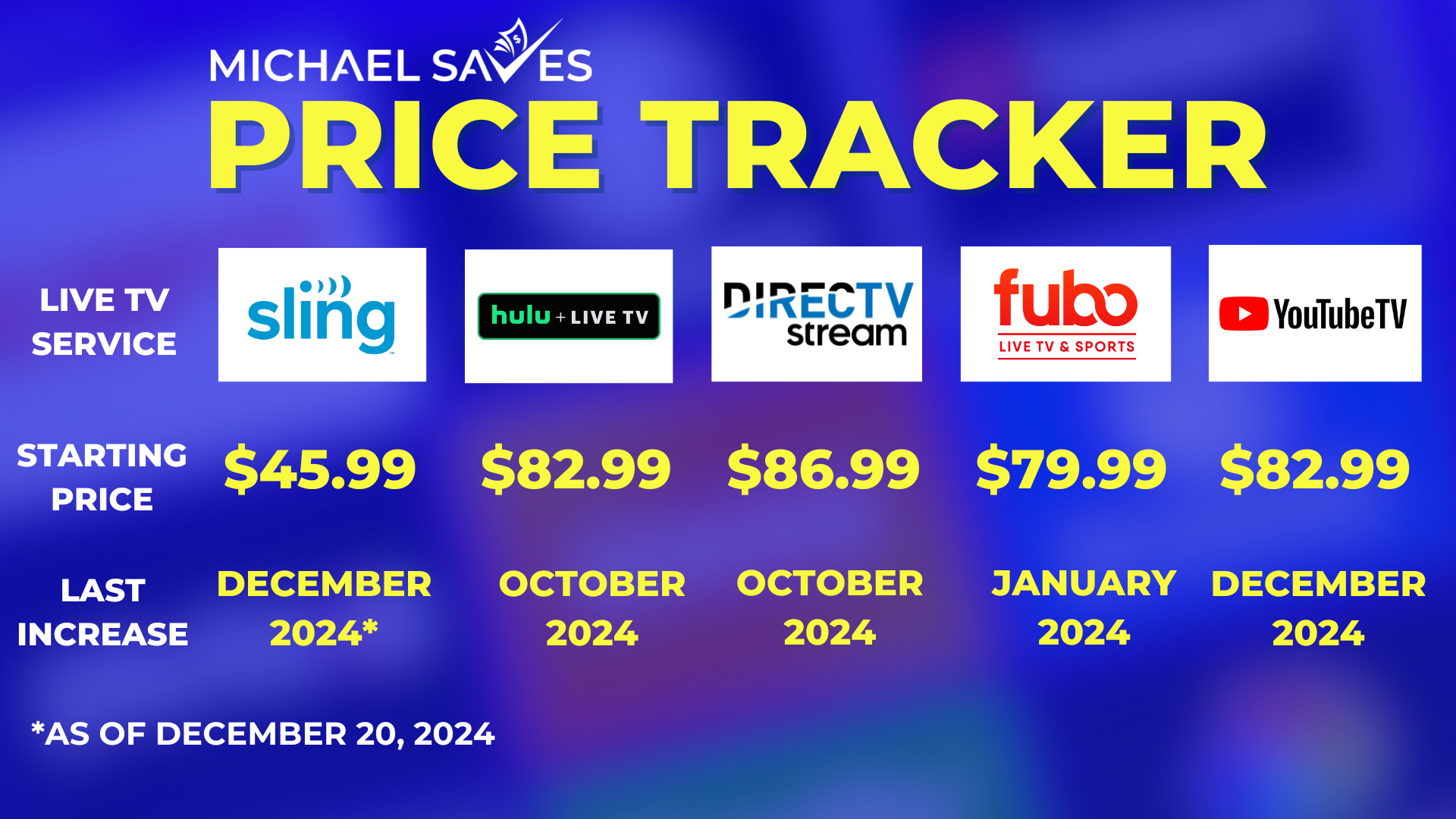
As of mid-2024, the pricing structure for YouTube TV has been streamlined, though it remains a premium product within the vMVPD (virtual Multichannel Video Programming Distributor) market. Understanding the base cost versus the potential technical add-ons is essential for any user looking to optimize their digital entertainment budget.
The Base Plan: Essential Channels and Software Features
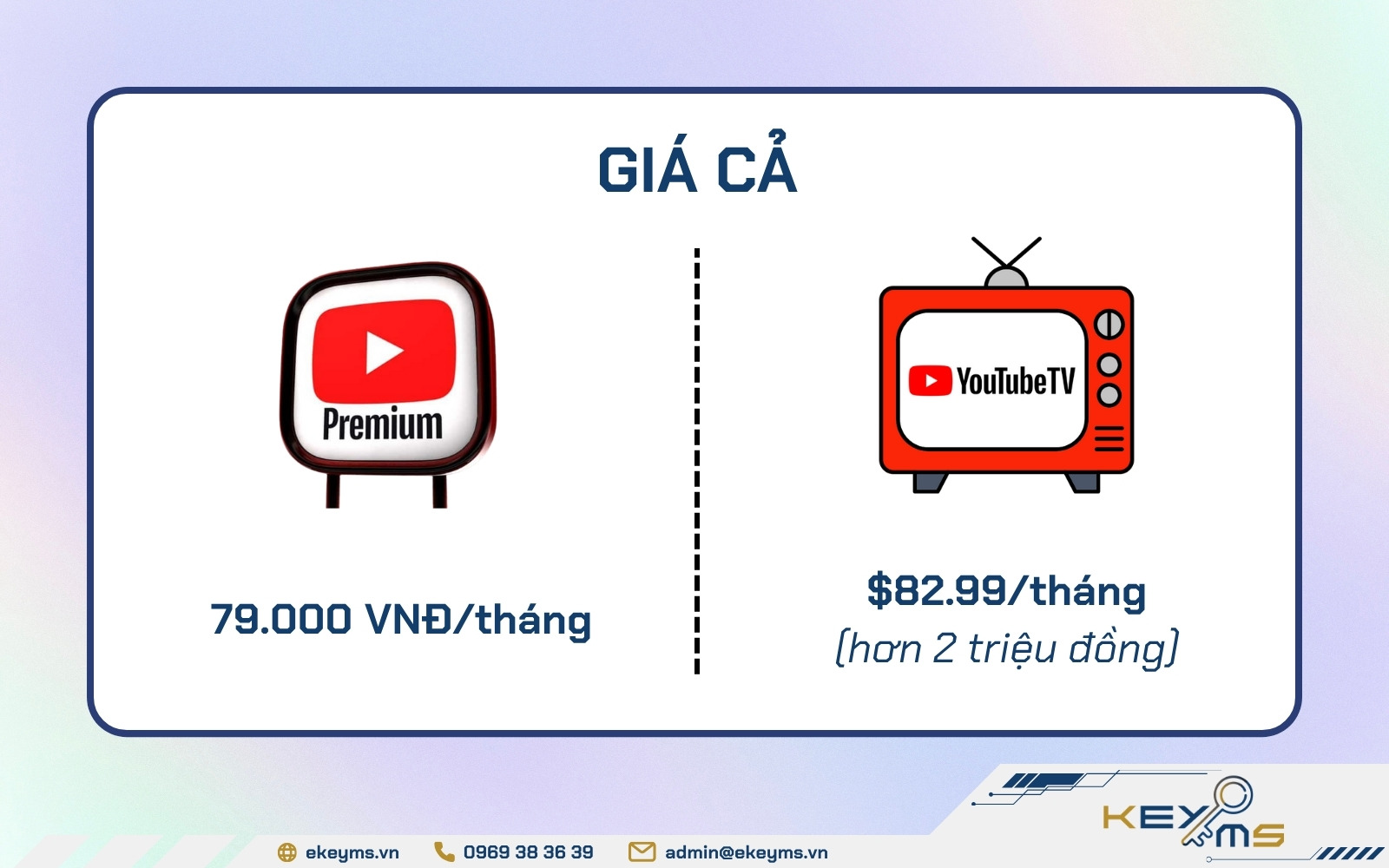
The standard YouTube TV subscription is currently priced at $72.99 per month. While this is a significant increase from its introductory price years ago, the tech package included in this price point is robust.
- 100+ Channels: Includes local broadcast networks (ABC, CBS, FOX, NBC), sports staples like ESPN, and news giants like CNN and Fox News.
- Six Accounts per Household: The software allows for six individual profiles, each with its own personalized recommendations and DVR library.
- Three Simultaneous Streams: By default, the service allows three different devices to stream content at once, making it a viable tech solution for larger families.
The Spanish Plan and Standalone Options
Recognizing diverse market demographics, Google offers a standalone Spanish Plan for $34.99 per month. This isn’t just a localized version of the app; it’s a curated tech experience featuring over 30 Spanish-language channels. For those who do not want the full English-language base plan, this provides a lower-cost entry point into the YouTube TV ecosystem. Furthermore, YouTube TV has introduced “Primetime Channels,” which allow users to subscribe to individual networks like Max, Showtime, or NBA League Pass directly through the interface without needing the $72.99 base plan.
Advanced Tech Features: The 4K Plus Add-on
For tech enthusiasts and those with high-end home theater setups, the base subscription is just the beginning. The “4K Plus” add-on represents the pinnacle of YouTube TV’s technological offerings, though it comes at an additional monthly cost (typically an extra $9.99 per month, often discounted for new users).
Enhanced Resolution and HDR
The 4K Plus package unlocks Ultra High Definition (UHD) streams for select live and on-demand content. This isn’t just about pixel count; it often includes High Dynamic Range (HDR) support, which offers better contrast and a wider color gamut. For users with 4K OLED or QLED televisions, this add-on transforms the viewing experience from “standard digital” to “cinematic.”
Offline Viewing and Unlimited Home Streams
Beyond resolution, the 4K Plus tech package addresses two common pain points for streamers:
- Offline Downloads: It allows users to download DVR recordings to mobile devices for offline viewing—a feature typically reserved for VOD services like Netflix, now brought to the live TV space.
- Unlimited In-Home Streams: While the base plan limits you to three streams, 4K Plus removes this cap for devices connected to your home Wi-Fi network. This is a massive technical benefit for households with multiple smart TVs, tablets, and gaming consoles.
Device Compatibility and the User Interface (UI)
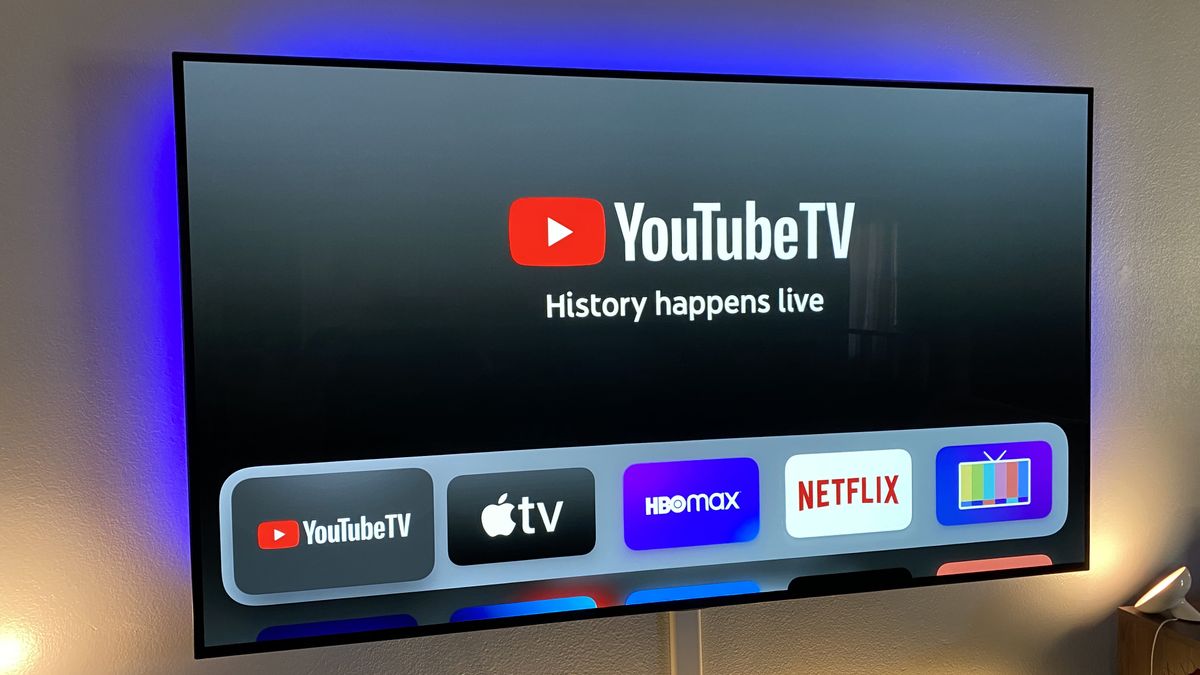
The “value” of YouTube TV is deeply tied to its cross-platform accessibility. Because it is a software-first product, the development team prioritizes a unified UI (User Interface) and UX (User Experience) across a wide array of hardware.
Cross-Platform Ecosystem Integration
YouTube TV is compatible with virtually every modern internet-connected device:
- Smart TV Platforms: Native apps for Roku, Amazon Fire TV, Apple TV, Android TV/Google TV, and built-in apps for Samsung, LG, and Vizio.
- Mobile and Web: Robust apps for iOS and Android, plus a desktop experience via modern web browsers.
- Gaming Consoles: Integration with PlayStation 5 and Xbox Series X/S.
The synchronization between these devices is handled via Google’s cloud architecture. If you start a show on your phone during a commute, the system remembers your timestamp and allows you to resume exactly where you left off on your living room TV.
Multi-View and Smart Features
YouTube TV recently introduced “Multi-view,” a sophisticated server-side processing feature that allows users to watch up to four different live broadcasts on a single screen. This is particularly popular during the NFL season (especially with the inclusion of NFL Sunday Ticket). From a technical standpoint, YouTube TV does the “heavy lifting” on their servers, combining the four streams into one single feed sent to your device. This prevents the user’s local hardware from crashing while trying to decode four simultaneous high-bitrate video streams.
Comparing the Digital Landscape: YouTube TV vs. Competitors
To understand if the price of YouTube TV is justified, one must look at how its technology stacks up against other major players like Hulu + Live TV and FuboTV.
Performance Benchmarks and UI Responsiveness
In the tech community, YouTube TV is frequently cited for having the most responsive UI. While Hulu + Live TV offers a bundled package (including Disney+ and ESPN+), its interface is often criticized for being slower and more cumbersome. YouTube TV’s integration with the Google Assistant allows for voice-activated channel changes and search queries, a level of AI integration that many competitors haven’t fully mastered.
Connectivity Requirements
To maintain the quality that justifies the $72.99 price tag, Google recommends a minimum download speed of 3 Mbps for standard definition, 7 Mbps for a single HD stream, and at least 25 Mbps for 4K content. However, for a household with multiple users, a robust mesh Wi-Fi system or a Gigabit fiber connection is the ideal tech environment for YouTube TV. The service’s ability to handle high-traffic events—like the Super Bowl—without widespread outages is a testament to the robustness of Google’s Content Delivery Network (CDN).
Future Outlook: AI and the Next Generation of Streaming
As we look toward the future, the cost of YouTube TV will likely be influenced by the integration of Generative AI and personalized data analytics. Google is already experimenting with AI-driven highlights for sports, where machine learning algorithms automatically clip the most important plays of a game for users who join late.
Furthermore, as the industry moves toward more “granular” subscriptions, YouTube TV’s role as a “digital hub” will expand. The tech roadmap suggests a deeper integration with the broader YouTube ecosystem, potentially merging the creator-led content of YouTube with the high-budget production of live television into a single, AI-curated feed.
In conclusion, when asking “how much is YouTube TV,” the $72.99 price point is simply the entry fee into a sophisticated, cloud-based television framework. It offers a level of stability, storage, and cross-platform flexibility that traditional cable simply cannot match. For the modern consumer, it represents the intersection of traditional media and cutting-edge software engineering.
aViewFromTheCave is a participant in the Amazon Services LLC Associates Program, an affiliate advertising program designed to provide a means for sites to earn advertising fees by advertising and linking to Amazon.com. Amazon, the Amazon logo, AmazonSupply, and the AmazonSupply logo are trademarks of Amazon.com, Inc. or its affiliates. As an Amazon Associate we earn affiliate commissions from qualifying purchases.