
The question “how much is private health insurance per month?” is one that resonates deeply with individuals and families navigating the complex landscape of healthcare. In an era where health security is paramount, understanding the financial commitment required for private health coverage is crucial for sound personal finance planning. Unlike a fixed utility bill, the cost of private health insurance is a highly variable figure, influenced by a multitude of personal circumstances, policy choices, and market dynamics. This article will delve into the intricacies of private health insurance costs, breaking down the factors that determine your monthly premium and offering insights into how to make an informed financial decision.

Understanding the Landscape of Private Health Insurance
Before dissecting the costs, it’s essential to grasp what private health insurance entails and its role within broader healthcare systems. Private health insurance often serves as a primary or supplementary form of coverage, offering access to private healthcare providers, quicker appointments, or specialized treatments not always readily available through public systems.
What Exactly Is Private Health Insurance?
Private health insurance is a type of insurance policy that covers medical expenses that arise from illness or injury. Unlike public or government-funded healthcare systems (such as Medicare in Australia or the NHS in the UK), private insurance is typically offered by private companies and requires regular premium payments. These policies can cover a wide range of services, including hospital stays, doctor visits, prescription drugs, mental health services, and sometimes dental and vision care, depending on the plan chosen. For many, it offers peace of mind, greater choice, and access to specific services or providers they might prefer.
Key Benefits Over Public Options
While public healthcare systems provide essential services, private health insurance often presents several distinct advantages, depending on the country. These can include:
-
Choice of Provider: The ability to choose your own doctor, specialist, or hospital.
-
Reduced Waiting Times: Shorter waits for appointments, diagnostic tests, and elective surgeries.
-
Enhanced Comfort and Privacy: Access to private hospital rooms or specialized facilities.
-
Broader Coverage Options: Plans that cover services not typically included in public systems, like chiropractic care, physiotherapy, or certain alternative therapies.
-
Specific Plan Features: Tailored plans designed for particular needs, such as travel insurance with medical components, or specific chronic illness coverage.
It’s important to note that the necessity and benefits of private health insurance vary significantly by country, directly impacting consumer demand and, by extension, pricing structures. In countries with robust public systems, private insurance might be seen as a luxury or a complement; in others, it’s a near necessity for comprehensive care.
Who Needs Private Health Insurance?
The decision to invest in private health insurance is highly personal and hinges on individual circumstances, financial capacity, and health priorities. Generally, those who might consider private health insurance include:
-
Individuals seeking greater control and choice over their healthcare providers and treatment options.
-
Those with specific health needs or pre-existing conditions who require consistent access to specialists or therapies.
-
High-income earners who may face tax penalties without private coverage in some systems, or who simply prefer premium services.
-
Families looking for comprehensive coverage for children and adults, potentially including maternity care or pediatric services.
-
Professionals or business owners for whom health interruptions could have significant financial consequences.
-
Expats or international travelers who need coverage that extends beyond their home country’s public system.
Factors Influencing Your Monthly Premium
The monthly premium for private health insurance is not a one-size-fits-all figure. It is the culmination of numerous variables, each contributing to the overall cost. Understanding these factors is key to deciphering your personal quote and finding a plan that balances coverage with affordability.
Age and Health Status
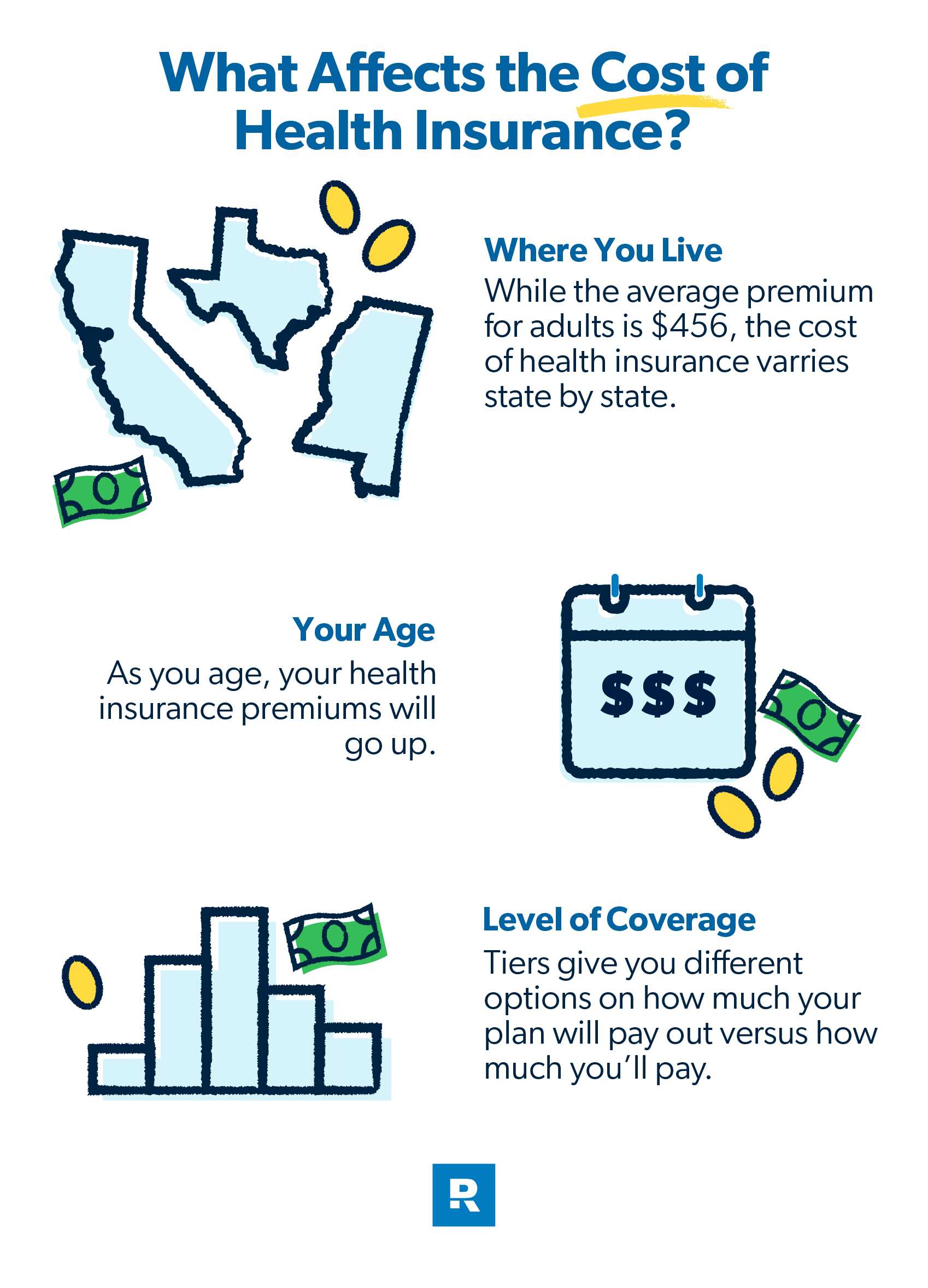
One of the most significant determinants of your premium is your age. As individuals get older, the likelihood of developing health conditions increases, leading to higher healthcare utilization. Insurers price this increased risk into their premiums, meaning older individuals typically pay more. Similarly, your current health status, including any pre-existing conditions, can impact costs. While regulations in some countries (like the Affordable Care Act in the US) prevent insurers from denying coverage or charging more for pre-existing conditions, other markets might still factor them into pricing or impose waiting periods. Lifestyle factors such as smoking can also lead to higher premiums.
Geographic Location
Where you live can have a substantial impact on your health insurance costs. Premiums vary significantly by state, region, and even specific zip code. This is due to several reasons:
-
Cost of Healthcare in the Area: Regions with higher healthcare costs (e.g., higher doctor fees, hospital charges, or drug prices) will generally have higher insurance premiums.
-
Competition Among Insurers: Areas with more insurance providers vying for customers might see more competitive pricing.
-
Local Regulations and Taxes: State-specific mandates or taxes on insurance plans can influence costs.
-
Population Health: Regions with generally less healthy populations may face higher average premiums due to increased claims.
Type of Plan and Coverage Level
The structure of your health plan and the breadth of its coverage directly correlates with its cost. Common plan types include:
-
HMO (Health Maintenance Organization): Typically lower cost, requiring you to choose a primary care physician (PCP) within the network and get referrals for specialists.
-
PPO (Preferred Provider Organization): Offers more flexibility to see out-of-network providers without a referral, but usually at a higher cost.
-
EPO (Exclusive Provider Organization): Similar to PPOs but generally won’t cover out-of-network care unless it’s an emergency.
-
POS (Point of Service): A hybrid plan combining aspects of HMOs and PPOs.
-
HDHP (High Deductible Health Plan): Features lower monthly premiums but higher deductibles, often paired with an HSA.
Plans offering more comprehensive benefits (e.g., extensive prescription drug coverage, mental health services, dental, vision) will naturally carry higher monthly premiums than basic catastrophic plans.
Deductibles, Copayments, and Coinsurance
These terms describe how you share the cost of your healthcare with your insurer once your deductible is met:
-
Deductible: The amount you must pay out-of-pocket for covered medical services before your insurance plan starts to pay. Plans with higher deductibles typically have lower monthly premiums.
-
Copayment (Copay): A fixed amount you pay for a covered healthcare service after you’ve paid your deductible.
-
Coinsurance: Your share of the cost of a healthcare service, calculated as a percentage (e.g., 20%) of the allowed amount for the service after you’ve paid your deductible.
The interplay of these factors is crucial. A plan with a low monthly premium might have a very high deductible, copays, or coinsurance, meaning your out-of-pocket costs could still be substantial when you actually use healthcare services.
Provider Network and Out-of-Pocket Max
The size and type of the provider network (the doctors, hospitals, and pharmacies that contract with your plan) also affect premiums. Broader networks often come with higher costs. Finally, the “out-of-pocket maximum” is the most you’ll have to pay for covered services in a policy year. Plans with lower out-of-pocket maximums generally have higher monthly premiums because they limit your financial risk more significantly.
Additional Riders and Benefits
Many private health insurance plans offer the option to add “riders” or supplementary benefits, such as dental, vision, travel medical coverage, critical illness, or specific maternity benefits. While these enhance your coverage, they also increase your monthly premium.
Navigating the Costs: Averages and Ranges
Given the myriad of influencing factors, pinning down an exact average monthly cost for private health insurance is challenging. However, we can discuss general ranges and how specific market structures influence these figures.
General Monthly Premium Averages
In countries with a robust private health insurance market (like the United States), individual private health insurance premiums can range widely. For a single person, plans can start from around $300-$500 per month for basic bronze or silver plans, easily escalating to $600-$900+ per month for more comprehensive gold or platinum plans, especially for older individuals or those without subsidies. Family plans naturally cost significantly more, often ranging from $1,000 to $2,000+ per month depending on the number of dependents and their ages. These figures are illustrative and can fluctuate based on annual market adjustments, economic conditions, and regulatory changes.
Impact of Subsidies and Tax Credits
Many governments recognize the financial burden of health insurance and offer subsidies or tax credits to make coverage more affordable. In the U.S., for instance, the Affordable Care Act (ACA) provides premium tax credits and cost-sharing reductions based on income, which can significantly lower an individual’s or family’s out-of-pocket monthly premium. Eligibility for these subsidies is usually tied to household income relative to the federal poverty level. For those who qualify, these financial aids can reduce a premium from hundreds of dollars to a fraction of that, sometimes even making it very low or free.
Comparing Individual vs. Family Plans
As expected, family plans are more expensive than individual plans. However, the cost is not simply the individual premium multiplied by the number of family members. Insurers often have specific pricing structures for families, sometimes capping the number of children for whom premiums are charged, or offering slightly discounted rates per person compared to buying multiple individual plans. It’s crucial for families to compare different structures and choose a plan that covers all members effectively without excessive redundancy or gaps.
The Cost of Employer-Sponsored vs. Individual Market Plans
A significant portion of the population obtains private health insurance through their employer. Employer-sponsored plans typically involve the employer covering a substantial portion of the premium, making it significantly more affordable for employees. For instance, an employer might pay 70-80% of an individual’s premium, meaning the employee’s monthly contribution is much lower than if they purchased an equivalent plan on the individual market. This is a major factor in job satisfaction and employee retention. Those who purchase insurance on the individual market (e.g., through a marketplace or directly from an insurer) generally bear the full cost themselves, although they may be eligible for subsidies.
Strategies for Reducing Your Health Insurance Costs
While private health insurance can be a substantial expense, there are several strategic approaches you can take to mitigate the monthly cost without necessarily compromising essential coverage.
Shopping Around and Comparing Quotes
The most fundamental strategy is to actively shop around and compare quotes from multiple insurers. Premiums for similar levels of coverage can vary significantly between providers. Utilize online marketplaces, insurance brokers, or directly contact insurance companies to gather quotes. Be diligent in comparing not just the monthly premium but also deductibles, copays, coinsurance, and the out-of-pocket maximum. A seemingly cheaper premium might lead to higher overall costs if you use healthcare frequently.
Choosing a Higher Deductible Plan
As discussed, plans with higher deductibles typically come with lower monthly premiums. If you are relatively healthy and anticipate minimal healthcare utilization beyond preventive care, a high-deductible health plan (HDHP) might be a financially prudent choice. The savings on monthly premiums can be substantial, and you can potentially save the difference in an HSA (Health Savings Account) to cover the deductible if needed.
Exploring Health Savings Accounts (HSAs) and Flexible Spending Accounts (FSAs)
HSAs and FSAs are powerful financial tools that can help reduce the effective cost of healthcare.
-
Health Savings Account (HSA): Available only with an HDHP, an HSA allows you to contribute pre-tax money that grows tax-free and can be withdrawn tax-free for qualified medical expenses. It’s a triple-tax advantaged account that can act as both a savings vehicle and a payment method for your deductible, copays, and other out-of-pocket costs.
-
Flexible Spending Account (FSA): Typically offered through employers, an FSA allows you to set aside pre-tax money from your paycheck to pay for qualified medical expenses. While it doesn’t have the long-term investment benefits of an HSA, it can still significantly reduce your taxable income and cover immediate healthcare costs.
Both accounts effectively lower your overall healthcare expenses by utilizing tax advantages.
Utilizing Preventive Care and Wellness Programs
Many insurance plans heavily subsidize or fully cover preventive care services, such as annual check-ups, vaccinations, and certain screenings. Taking advantage of these services can help detect potential health issues early, preventing more costly treatments down the line. Additionally, some insurers offer wellness programs, discounts, or incentives for healthy behaviors (e.g., gym memberships, participation in health challenges), which can sometimes lead to lower premiums or other financial benefits.
Understanding Network Limitations and In-Network Providers
Being aware of your plan’s provider network and always opting for in-network providers (doctors, hospitals, labs) can save you a considerable amount. Out-of-network care often comes with significantly higher costs, or may not be covered at all, except in emergencies. If you have an HMO or EPO, this is particularly critical. Even with PPOs, your out-of-pocket costs will be lower when staying within the network.
Making an Informed Decision: Beyond the Monthly Premium
While the monthly premium is the most visible cost, a truly informed decision about private health insurance requires looking beyond this single figure to the broader financial implications and the actual value of the coverage.
Total Out-of-Pocket Costs: Deductibles, Co-pays, Coinsurance
Focusing solely on the monthly premium can be misleading. A lower premium might be attractive, but if it comes with a high deductible, high copays, and high coinsurance, your total out-of-pocket costs when you actually need care could be substantial. Consider your own health history and anticipated medical needs. If you expect to use healthcare services frequently, a plan with a higher premium but lower out-of-pocket costs might save you money in the long run. Conversely, if you are very healthy and rarely visit the doctor, a high-deductible plan with a low premium could be more cost-effective, provided you have an emergency fund to cover the deductible if an unexpected event occurs.
The Importance of Coverage Details and Exclusions
Thoroughly review the policy’s summary of benefits and coverage (SBC) and the full policy document. Pay close attention to:
-
Covered Services: What exactly is covered (e.g., specialist visits, mental health, prescription drugs, emergency services, maternity care)?
-
Exclusions: What is not covered? This can include specific treatments, conditions, or international travel.
-
Limitations: Are there limits on the number of visits, specific medications, or types of treatment?
-
Waiting Periods: For certain conditions or services (like maternity or pre-existing conditions), there might be a waiting period before coverage kicks in.
-
Prescription Drug Formularies: Ensure your essential medications are covered and understand their cost tiers.
Overlooking these details could lead to unexpected and costly surprises when you need care.
Future Health Needs and Long-Term Planning
When choosing a plan, consider not just your current health but also potential future needs. Are you planning to start a family? Do you have a family history of certain conditions? Will your income change in the coming year, potentially affecting subsidy eligibility? While it’s impossible to predict everything, a forward-looking perspective can help you select a plan that adapts to your evolving life circumstances, preventing the need for costly changes later.

Seeking Professional Financial or Insurance Advice
Navigating the complexities of private health insurance can be daunting. If you’re unsure about the best option for your financial situation and health needs, consider consulting with a qualified financial advisor or an independent insurance broker. These professionals can provide personalized guidance, help you understand the nuances of different plans, and identify potential subsidies or cost-saving strategies tailored to your specific situation. Their expertise can be invaluable in making a choice that secures your health without unduly straining your finances.
In conclusion, the monthly cost of private health insurance is a multifaceted equation influenced by personal factors, plan design, and market conditions. By understanding these variables, actively comparing options, and considering the full spectrum of potential out-of-pocket expenses, individuals can navigate this crucial financial decision with greater confidence and secure comprehensive health coverage that aligns with their budget and healthcare priorities.
aViewFromTheCave is a participant in the Amazon Services LLC Associates Program, an affiliate advertising program designed to provide a means for sites to earn advertising fees by advertising and linking to Amazon.com. Amazon, the Amazon logo, AmazonSupply, and the AmazonSupply logo are trademarks of Amazon.com, Inc. or its affiliates. As an Amazon Associate we earn affiliate commissions from qualifying purchases.