
Discovering that you owe a balance to the internal revenue service can be a source of significant financial stress. Whether the debt stems from an under-withholding on a W-2 salary, a successful year of freelance income, or complex capital gains from investments, the process of settling your liability is a critical component of personal financial management. Understanding the various methods of payment and the strategic options available for those who cannot pay in full is essential for maintaining your financial health and avoiding escalating penalties and interest.
Modern Digital Payment Solutions
In the current financial landscape, the most efficient way to settle a tax debt is through digital channels. The IRS has significantly upgraded its infrastructure to accommodate secure, immediate transactions that provide taxpayers with instant confirmation of their payment.
IRS Direct Pay
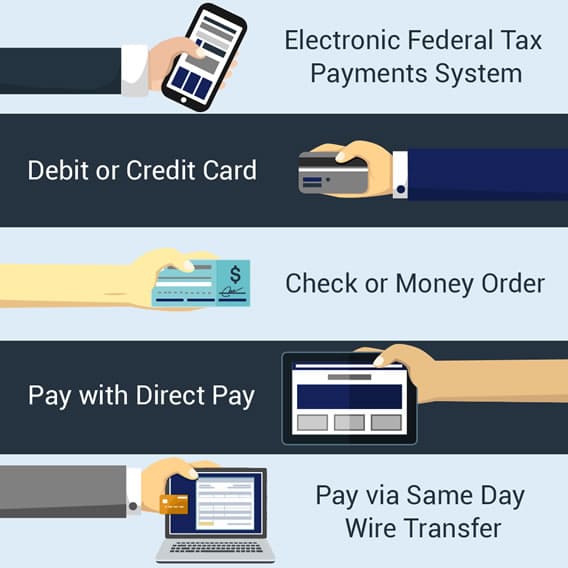
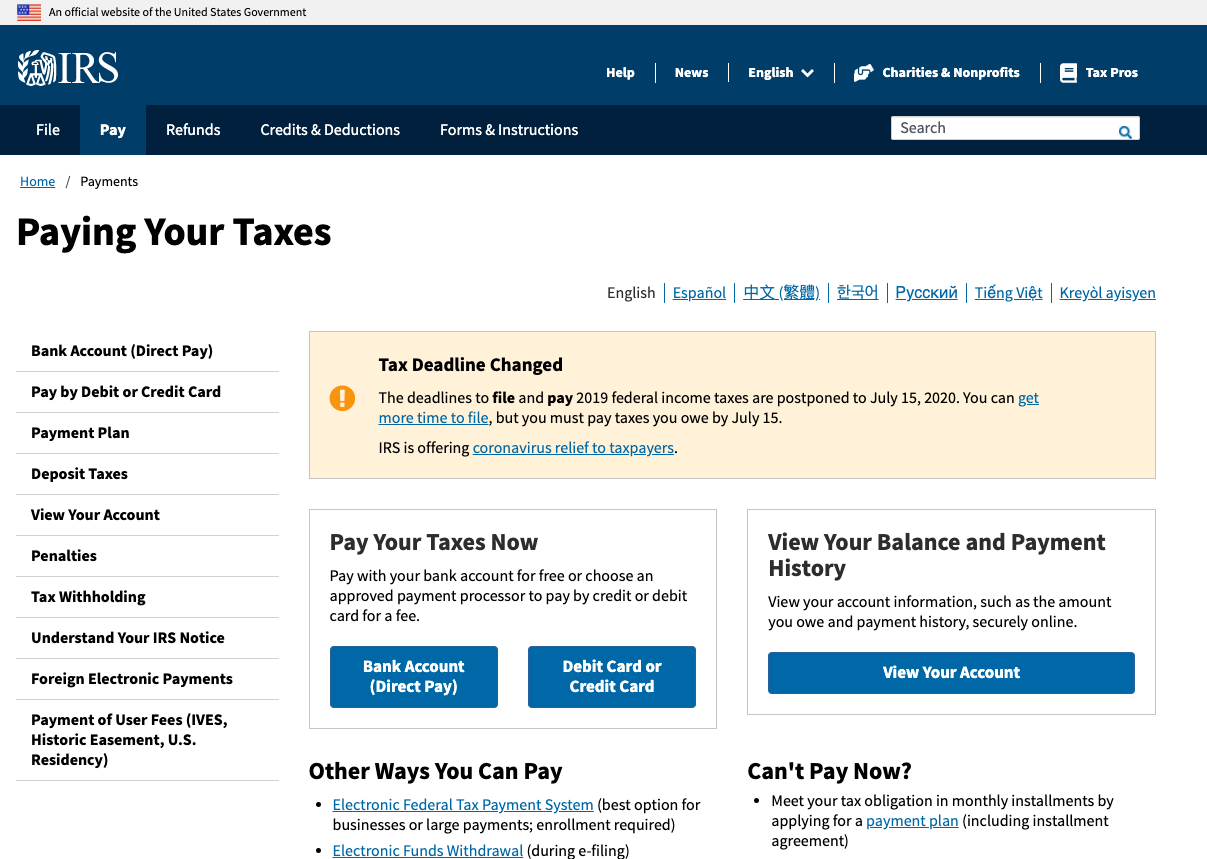
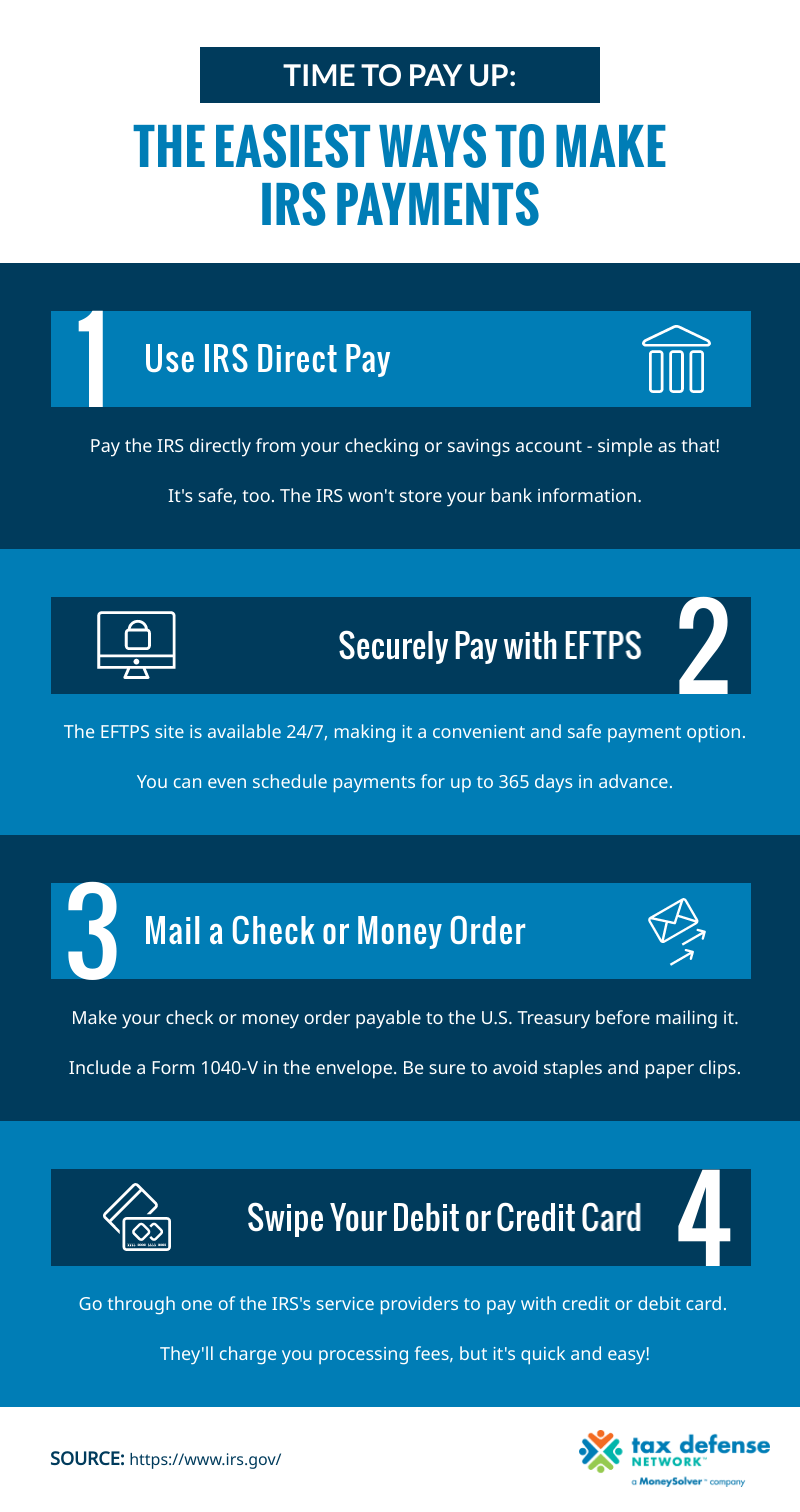
For most individual taxpayers, IRS Direct Pay is the gold standard for settling a balance. This service allows you to pay your taxes directly from your checking or savings account without any additional processing fees. It is available for those filing Form 1040, as well as for those making estimated tax payments.
The primary advantage of Direct Pay is its simplicity and speed. You do not need to register for an account; you simply verify your identity using information from a prior year’s tax return. Once verified, you can schedule payments up to 30 days in advance. From a personal finance perspective, this is the most cost-effective method because it avoids the high convenience fees associated with credit card processors.
The Electronic Federal Tax Payment System (EFTPS)
While Direct Pay is designed for individuals, the Electronic Federal Tax Payment System (EFTPS) is a more robust tool used primarily by businesses and individuals with recurring tax obligations. Unlike Direct Pay, EFTPS requires an enrollment process that involves receiving a PIN via mail, which can take five to seven business days.
Once enrolled, EFTPS offers a high level of control and a comprehensive history of all payments made over the last 16 months. For high-net-worth individuals or business owners who need to manage quarterly estimated taxes, payroll taxes, and corporate liabilities, EFTPS serves as a centralized hub for financial compliance.
Credit and Debit Card Payments
If liquid cash is not immediately available, the IRS allows payments via third-party service providers using credit or debit cards. While this offers convenience and the potential to earn credit card rewards, it comes with a financial trade-off. These third-party processors charge a convenience fee that typically ranges from 1.87% to nearly 2% for credit cards, and a flat fee for debit cards.
Before using a credit card to pay owed taxes, it is vital to perform a cost-benefit analysis. If your credit card’s interest rate is higher than the IRS’s current underpayment interest rate, you may find yourself in a deeper cycle of debt. However, for those who can pay off the credit card balance within the billing cycle and wish to hit a “minimum spend” requirement for a significant sign-up bonus, this method can occasionally be leveraged to a financial advantage.
Alternative Payment Methods for Traditional Filers
Despite the push toward digitization, some taxpayers prefer or require traditional payment methods. The IRS continues to support these avenues, though they require more manual oversight to ensure the payment is credited correctly to your account.
Paying by Check or Money Order
For those who prefer a paper trail, paying by check or money order remains an option. When utilizing this method, it is imperative to follow specific protocols to ensure the funds are applied to the correct tax year and Social Security Number. You should make the check out to the “U.S. Treasury” and include your name, address, daytime phone number, Social Security Number, and the tax year/form number on the memo line.
From a security standpoint, sending a check through the mail carries more risk than electronic transfers. To mitigate this, it is highly recommended to use USPS Certified Mail with a return receipt requested. This provides legal proof that your payment was sent and received by the deadline, protecting you against late-payment penalties if the mail is delayed.
Cash Payments at Retail Partners
An often-overlooked option is the ability to pay taxes in cash at participating retail locations, such as 7-Eleven, CVS, or Walgreens. This is facilitated through the “Official Payments” or “Pay1040” services. Because the IRS does not accept cash at its local Taxpayer Assistance Centers, this retail partnership serves as the primary gateway for unbanked individuals.
This process requires a bit of foresight. You must first register online through a provider to receive a payment code, which you then take to the retail store. There are daily limits on cash payments (usually $1,000 per day), and it can take several days for the payment to be processed. For those managing their finances entirely in cash, this is a vital service, though it is the most labor-intensive of all options.
Strategic Options for Managing Unpaid Tax Liability
If you calculate your taxes and realize you cannot afford to pay the full balance by the filing deadline, the worst thing you can do is avoid filing. The penalty for “failure to file” is significantly higher than the penalty for “failure to pay.” Filing your return on time—even if you cannot pay a cent—is the first step in protecting your financial interests.
Short-Term and Long-Term Payment Plans
The IRS offers “Installment Agreements” for taxpayers who need time to pay their debt. If you owe less than $50,000 in combined taxes, penalties, and interest, you can usually apply for an Online Payment Agreement.
-
Short-Term Payment Plan: This gives you up to 180 days to pay the balance in full. There is no setup fee for this plan, though interest and penalties continue to accrue until the balance is zero.
-
Long-Term Payment Plan (Installment Agreement): If you need more than 180 days, you can set up a monthly payment plan for up to 72 months. There is a setup fee for these plans, though the fee is reduced if you agree to make payments via direct debit.
From a financial strategy perspective, an installment agreement is often cheaper than a personal loan or credit card debt, as the IRS interest rates are generally more competitive than unsecured consumer debt.
Offer in Compromise (OIC)
An Offer in Compromise is a program that allows you to settle your tax debt for less than the full amount you owe. This is often viewed as a “last resort” and is difficult to qualify for. The IRS evaluates your “Reasonable Collection Potential” based on your assets, income, expenses, and future earning potential.
If you are experiencing extreme financial hardship, an OIC can provide a fresh start. However, the application process is rigorous, requiring extensive documentation of every aspect of your financial life. It is often advisable to consult with a financial advisor or tax professional before pursuing this route, as the IRS rejects a significant percentage of OIC applications.
Currently Not Collectible Status
If your monthly income is barely enough to cover basic living expenses (rent, food, utilities), you may request that the IRS place your account in “Currently Not Collectible” (CNC) status. While in CNC status, the IRS will not attempt to levy your bank accounts or wages. It is important to note that the debt does not disappear; interest and penalties continue to grow, and the IRS will review your income annually to see if your financial situation has improved.
Long-Term Financial Planning to Prevent Tax Debt
Once you have settled your current tax debt, the focus should shift to proactive financial planning to ensure the situation does not recur. Tax debt is often a symptom of an underlying issue in one’s financial structure, such as improper withholding or a lack of savings for self-employment income.
Adjusting Withholding and Estimated Payments
For W-2 employees, the most common reason for owing taxes is an outdated W-4 form. Significant life events—such as marriage, the birth of a child, or a spouse starting a new job—can drastically change your tax liability. Using the IRS Tax Withholding Estimator annually can help you adjust your withholdings so that you aim for a $0 balance at the end of the year, rather than a large bill or a massive refund (which is essentially an interest-free loan to the government).
For freelancers and business owners, the discipline of making quarterly estimated tax payments is vital. A common financial mistake is treating gross business income as personal “take-home” pay. A more sustainable strategy is to divert 25-30% of every payment received into a high-yield savings account designated specifically for taxes. By making payments on April 15, June 15, September 15, and January 15, you avoid the “sticker shock” of a five-figure tax bill in April and bypass underpayment penalties.
Leveraging Tax-Advantaged Accounts
Reducing your taxable income is another strategic way to lower what you owe. Contributions to traditional 401(k)s or IRAs reduce your Adjusted Gross Income (AGI) dollar-for-dollar. Similarly, contributing to a Health Savings Account (HSA) provides a triple tax advantage: contributions are tax-deductible, growth is tax-free, and withdrawals for medical expenses are tax-free.
By integrating tax planning into your broader financial strategy, you transform tax season from a period of anxiety into a routine administrative task. Paying owed taxes is a necessity, but with the right digital tools, strategic payment plans, and forward-thinking financial habits, it is a challenge that any informed taxpayer can navigate successfully.
aViewFromTheCave is a participant in the Amazon Services LLC Associates Program, an affiliate advertising program designed to provide a means for sites to earn advertising fees by advertising and linking to Amazon.com. Amazon, the Amazon logo, AmazonSupply, and the AmazonSupply logo are trademarks of Amazon.com, Inc. or its affiliates. As an Amazon Associate we earn affiliate commissions from qualifying purchases.