
In the realm of personal finance and real estate investing, the appraisal is a pivotal gatekeeper. Whether you are purchasing your first home, refinancing an existing mortgage to capitalize on lower interest rates, or managing a portfolio of investment properties, the question of “who” performs the appraisal is more than a matter of curiosity—it is a matter of financial risk management. A house appraisal is an unbiased professional opinion of a home’s value, and it is used whenever a mortgage is involved in buying, selling, or refinancing a property.

Understanding the specific professionals and entities authorized to conduct these valuations is essential for any homeowner or investor. These individuals act as the neutral third party in a transaction, ensuring that the lender does not over-extend credit on an overpriced asset and that the borrower does not pay more than the market dictates.
The Licensed Professional: Understanding the Role of Certified Appraisers
The primary individual responsible for determining the value of a residential property is a State-Licensed or State-Certified Appraiser. These professionals are not merely enthusiasts with an eye for design; they are highly regulated financial practitioners who must adhere to strict federal and state guidelines.
Qualifications and Regulatory Oversight
In the United States, the criteria for becoming an appraiser are established by The Appraisal Foundation’s Appraiser Qualifications Board. There are generally three levels of licensing for residential work: Licensed Residential, Certified Residential, and Certified General.
A Licensed Residential Appraiser typically handles non-complex one-to-four-unit residential properties with a value of less than $1,000,000. For more complex or higher-value properties, a Certified Residential Appraiser is required. These individuals have undergone hundreds of hours of specialized education and thousands of hours of supervised experience. This rigorous training ensures they understand the economic principles of substitution, highest and best use, and the nuances of local market trends—all of which are critical for an accurate financial valuation.
The Importance of USPAP Compliance
Who performs the appraisal is less important than how they perform it. Every professional appraiser must follow the Uniform Standards of Professional Appraisal Practice (USPAP). This is the quality control manual for the appraisal profession. USPAP requires appraisers to be independent, objective, and impartial. They are strictly prohibited from having a financial interest in the outcome of the appraisal. This means an appraiser cannot be paid more if the house appraises for a higher value, ensuring the integrity of the financial data provided to the lender.
Financial Gatekeepers: Why Lenders Use Appraisal Management Companies (AMCs)
While the appraiser is the individual on the ground, the “who” behind the appraisal often involves a secondary entity known as an Appraisal Management Company (AMC). Since the 2008 financial crisis and the subsequent passage of the Dodd-Frank Wall Street Reform and Consumer Protection Act, the relationship between lenders and appraisers has been heavily regulated to prevent collusion.
Ensuring Independence in Financial Transactions
In the past, loan officers might have had direct relationships with specific appraisers, creating a conflict of interest where appraisers felt pressured to “hit the number” to ensure the loan closed. To mitigate this risk, most large lending institutions now use AMCs as intermediaries.
The AMC acts as a firewall. When a bank needs an appraisal, they contact the AMC, which then randomly assigns the task to a qualified local appraiser from their panel. This system ensures that the person valuing the asset has no direct communication with the person trying to sell the loan, protecting the financial interests of both the lender and the secondary mortgage market (such as Fannie Mae and Freddie Mac).
The Cost of Objectivity
From a personal finance perspective, it is important to note that when an AMC is involved, the appraisal fee paid by the borrower often covers both the appraiser’s professional fee and the AMC’s administrative costs. For investors, understanding this hierarchy is crucial when disputing a low appraisal, as the communication must go back through the AMC rather than directly to the appraiser, following specific “Reconsideration of Value” protocols.

Digital Valuations and Broker Price Opinions: The Alternatives
In some financial contexts, a full professional appraisal by a certified appraiser may not be required. Depending on the level of risk and the type of financial product, other “who’s” may enter the valuation space.
Automated Valuation Models (AVMs) in Modern Finance
As technology has integrated with personal finance, Automated Valuation Models (AVMs) have become a staple tool. These are service-based algorithms—like those used by Zillow, Redfin, or more sophisticated proprietary versions used by banks—that calculate a property’s value based on mathematical modeling combined with a database.
While a computer doesn’t “do” a physical appraisal, AVMs are frequently used for “Desktop Underwriting” or for evaluating Home Equity Lines of Credit (HELOCs) where the loan-to-value ratio is low. For a homeowner, an AVM is a fast, cost-effective tool, but it lacks the qualitative insight of a human appraiser who can account for the condition of the interior or unique neighborhood eccentricities.
Broker Price Opinions (BPOs) for Fast Liquidations
Another professional who might provide a valuation is a Real Estate Broker. This is known as a Broker Price Opinion (BPO). While not a formal appraisal, a BPO is often used by banks for “short sales,” foreclosures, or when a quick estimate is needed for an investment portfolio. Brokers use their market knowledge and recent “comps” (comparable sales) to provide a valuation. However, in many states, BPOs cannot be used as the primary valuation for a federally related mortgage transaction, highlighting the superior legal and financial standing of the certified appraiser.
The Financial Stakes: How Appraisals Affect Your Bottom Line
The person performing the appraisal holds significant power over your personal balance sheet. The appraisal report is not just a piece of paper; it is a document that determines your purchasing power and your net worth.
Impact on Loan-to-Value (LTV) Ratios
The Loan-to-Value (LTV) ratio is a critical metric in mortgage lending. If you are buying a $500,000 home with a $100,000 down payment, your LTV is 80%. However, if the appraiser values the home at only $480,000, the lender will only base the loan on that lower figure. This creates an “appraisal gap” that the buyer must cover in cash, or the seller must drop their price. Understanding who is conducting the appraisal helps you realize that their findings can literally change the amount of liquid cash you need to close a deal.
Appraisals and Private Mortgage Insurance (PMI)
For existing homeowners, the appraiser is the key to shedding Private Mortgage Insurance (PMI). If your property has appreciated in value, you can hire a professional appraiser (usually through your lender’s approved channel) to prove that your equity has risen above 20%. Successfully navigating this process can save a homeowner hundreds of dollars a month in insurance premiums, directly increasing monthly cash flow.
Maximizing Asset Value: How to Prepare for a Professional Valuation
Since the appraiser is an objective professional looking at the property through a financial lens, homeowners and investors can take specific steps to ensure the valuation accurately reflects the property’s worth.
Documentation and Improvements
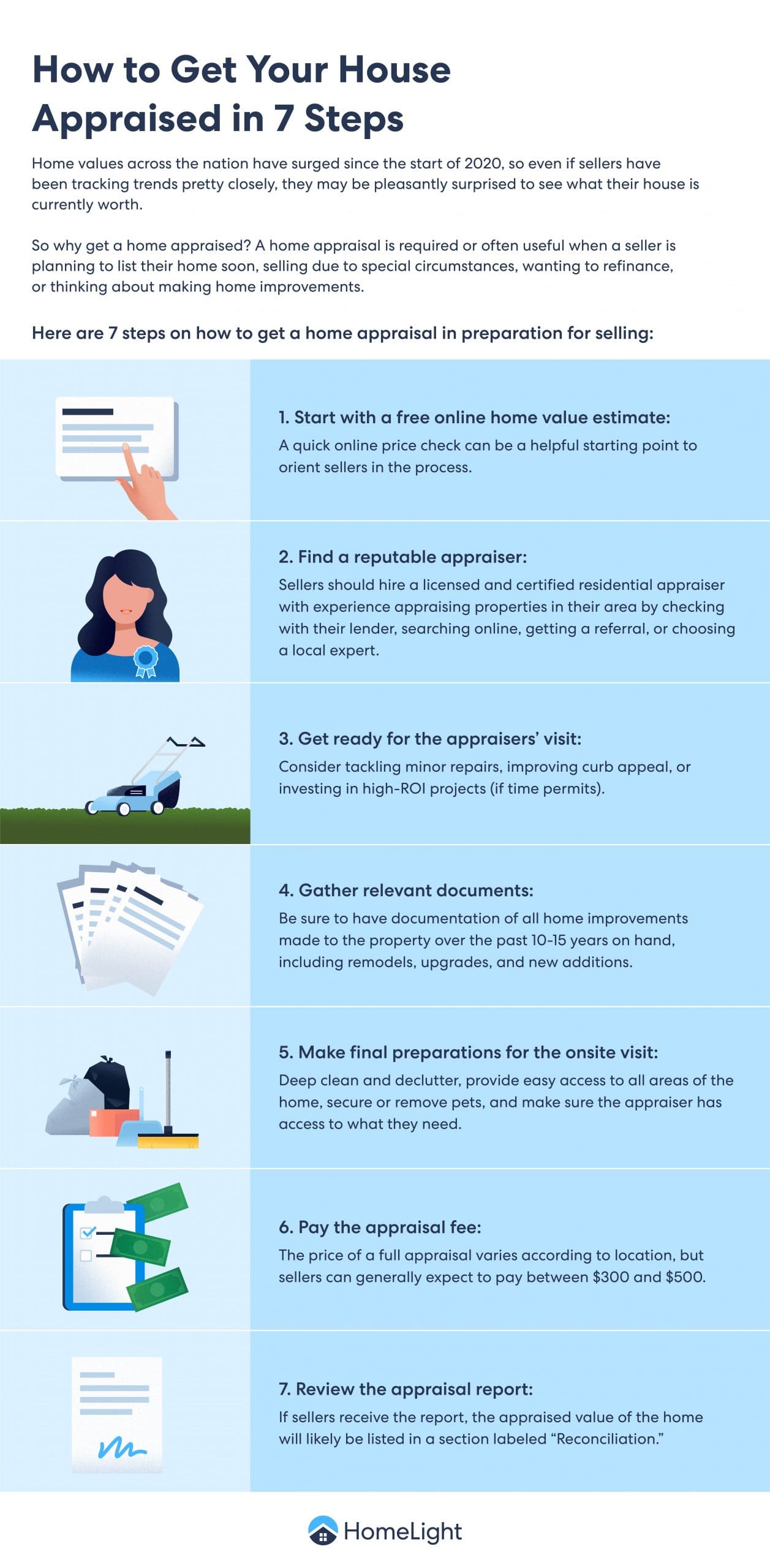
While you cannot influence an appraiser’s opinion with incentives, you can provide them with a “packet” of information that aids their research. This should include a list of all capital improvements made to the property (e.g., a new roof, HVAC system, or kitchen remodel) along with the costs and dates of completion. By providing this data, you ensure the appraiser has a full financial picture of the asset’s condition, which can justify a higher valuation in the “adjustments” section of the appraisal report.
Navigating an Under-Appraisal
If an appraisal comes in lower than expected, it can derail a financial plan. In this scenario, you are not powerless. You can review the appraisal report for factual errors—such as incorrect square footage, the wrong number of bedrooms, or missing comparable sales that occurred recently in the immediate vicinity. Because the appraiser is a professional bound by data, presenting them with verified, objective counter-data through the proper AMC channels is the only effective way to trigger a revision of value.
In conclusion, the question of who does house appraisals is central to the stability of the real estate market. From the certified appraiser following USPAP guidelines to the AMC ensuring institutional independence, and even the algorithms of AVMs, these entities form the infrastructure of property valuation. For anyone looking to build wealth through real estate, understanding these roles is not just a matter of logistics—it is a fundamental requirement for sound financial decision-making.
aViewFromTheCave is a participant in the Amazon Services LLC Associates Program, an affiliate advertising program designed to provide a means for sites to earn advertising fees by advertising and linking to Amazon.com. Amazon, the Amazon logo, AmazonSupply, and the AmazonSupply logo are trademarks of Amazon.com, Inc. or its affiliates. As an Amazon Associate we earn affiliate commissions from qualifying purchases.