
In the modern financial landscape, few names command as much attention and awe as Nvidia. Once known primarily by hardcore PC gamers for its high-performance graphics cards, the company has transformed into the primary engine of the global artificial intelligence revolution. This transition has not only altered the technological landscape but has fundamentally rewritten the rules of market valuation in the 2020s. For investors, analysts, and financial enthusiasts, the question of “how much Nvidia is worth” transcends simple stock tickers; it is a complex calculation of current cash flows, future dominance, and the structural shift of the global economy toward accelerated computing.
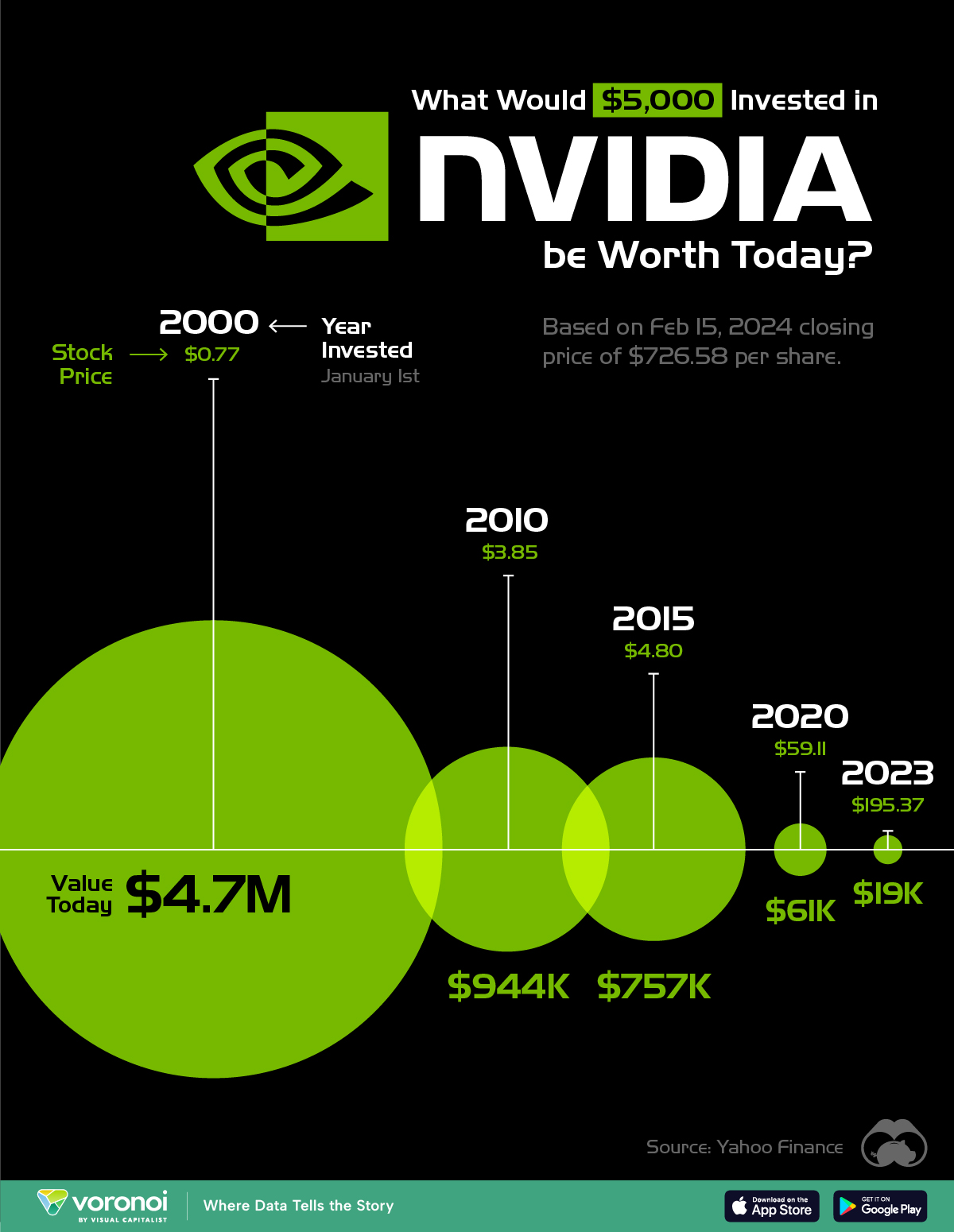
Understanding Nvidia’s Market Capitalization and Financial Trajectory
To understand what Nvidia is worth today, one must first look at its market capitalization—the total dollar market value of a company’s outstanding shares of stock. Nvidia’s ascent into the “Three Trillion Dollar Club” is a feat shared by only a handful of titans like Apple and Microsoft. This valuation is a reflection of the market’s collective belief in Nvidia’s indispensable role in the future of infrastructure.
The Historic Ascent to Multi-Trillion Dollar Status
Nvidia’s valuation journey has been nothing short of meteoric. In early 2023, the company’s market cap hovered around $400 billion. By mid-2024, it had surged past $3 trillion, at points becoming the most valuable company in the world. This growth was fueled by a series of earnings reports that didn’t just beat analyst expectations but shattered them. When a company grows its revenue by over 200% year-over-year while maintaining high margins, the market prices in a “scarcity premium,” recognizing that Nvidia provides a product that is currently unparalleled in the global marketplace.
The Impact of Stock Splits on Accessibility
In June 2024, Nvidia executed a 10-for-1 forward stock split. While a split does not change the fundamental value of the company—much like cutting a pizza into ten slices instead of one doesn’t give you more pizza—it significantly impacts the “worth” from a retail investor’s perspective. By lowering the price per share, Nvidia increased liquidity and made it easier for individual investors to participate in the company’s growth. This move was a strategic financial decision to broaden the shareholder base and ensure the stock remains a staple in both institutional and retail portfolios.
Revenue Streams: The Financial Engines Driving Valuation
Nvidia’s worth is anchored in its diverse yet increasingly specialized revenue streams. While the company started in the consumer space, its current valuation is almost entirely predicated on its dominance in the enterprise and data center markets.
Data Center Dominance and the AI Gold Rush
The “Data Center” segment is the crown jewel of Nvidia’s balance sheet, accounting for the vast majority of its total revenue. This segment includes the sale of H100, H200, and the newer Blackwell GPUs—the hardware required to train Large Language Models (LLMs) like ChatGPT and Gemini. From a financial perspective, Nvidia’s worth is tied to its “moat.” Because the software layer (CUDA) is proprietary to Nvidia hardware, developers are locked into their ecosystem. This creates a recurring revenue cycle and high barriers to entry for competitors, justifying a premium valuation.
Gaming, Automotive, and Professional Visualization
While Data Centers drive the narrative, Nvidia’s legacy segments provide a steady floor for its valuation. The Gaming division remains a multibillion-dollar business, benefiting from the rise of e-sports and high-fidelity rendering. Meanwhile, the Automotive sector represents a “call option” on the future. As autonomous driving becomes a reality, Nvidia’s chips serve as the “brains” of the vehicle. Financial analysts value these segments as diversified hedges; if the AI hype were to cool, Nvidia still maintains a dominant position in several other high-growth industries.
Valuation Metrics: Analyzing the Price of Growth
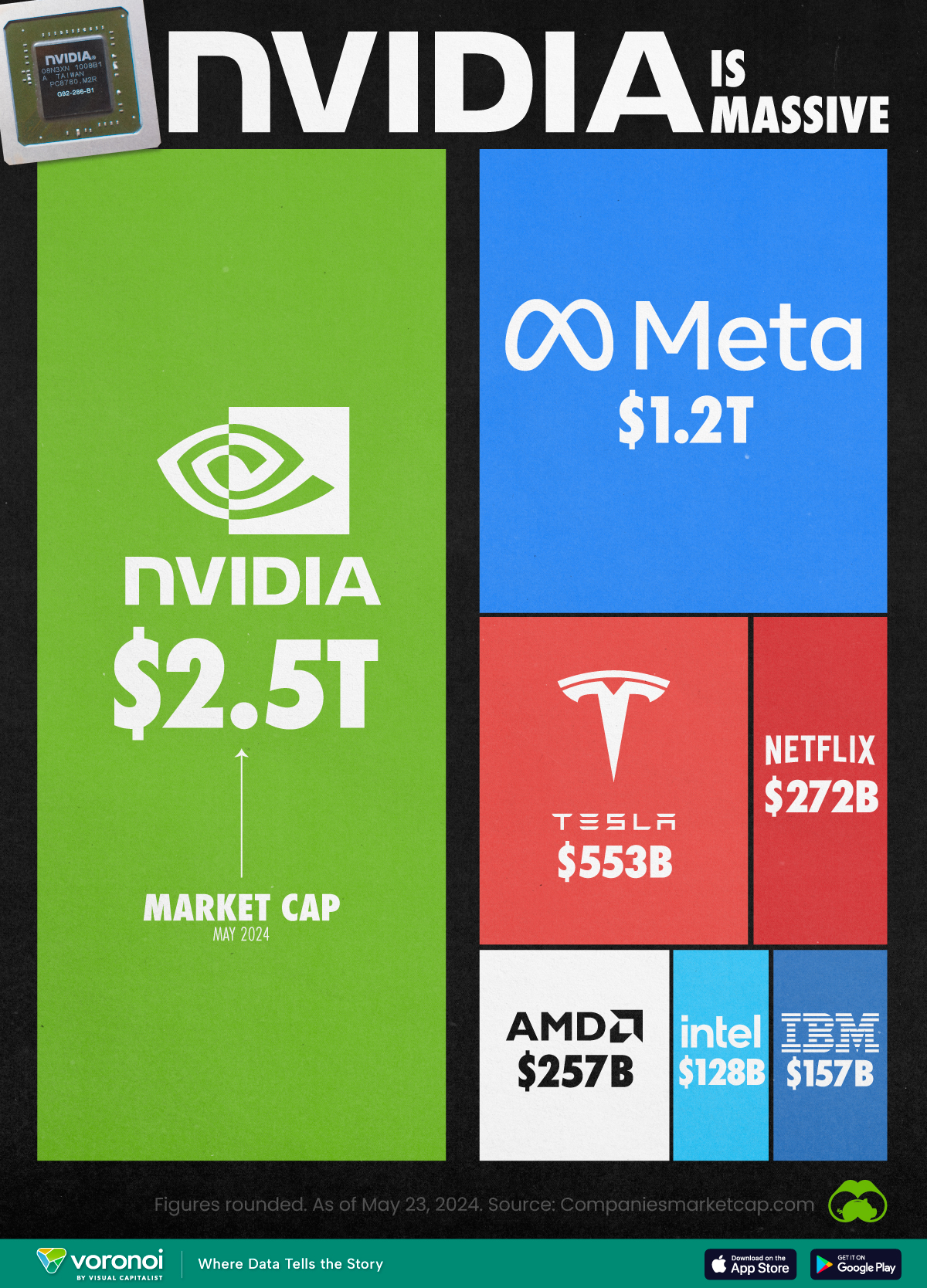
Determining if Nvidia is “worth” its current price requires looking beyond the market cap and into fundamental financial ratios. Investors often debate whether Nvidia is a bubble or a generational investment opportunity based on its multiples.
Price-to-Earnings (P/E) and Forward Multiples
Nvidia often trades at a high P/E ratio, sometimes exceeding 70 or 80 times earnings. In traditional value investing, this would be considered “expensive.” However, the “Forward P/E”—which looks at projected earnings for the next year—often tells a different story. Because Nvidia’s earnings have been growing so rapidly, the forward P/E frequently drops into the 30s or 40s. For a company growing at triple digits, a P/E of 40 can actually be seen as “cheap” relative to its growth rate, a metric known as the PEG (Price/Earnings to Growth) ratio.
Comparing Nvidia to Big Tech Peers
When evaluating Nvidia’s worth, it is helpful to compare it to other members of the “Magnificent Seven” (Apple, Microsoft, Alphabet, Amazon, Meta, and Tesla). Unlike many software companies that have seen slowing growth, Nvidia’s hardware is a physical necessity for the others to operate their AI services. This puts Nvidia in a unique financial position: it is the “arms dealer” in the AI war. While Apple and Microsoft compete for users, they both must spend billions of dollars buying chips from Nvidia. This unique positioning allows Nvidia to maintain profit margins that are significantly higher than the industry average.
The Investment Outlook: Risks to the Valuation
No valuation exists in a vacuum, and Nvidia faces significant risks that could impact its worth in the coming years. For the prudent investor, understanding these “bear cases” is essential to a balanced financial perspective.
Geopolitical Tensions and Supply Chain Vulnerabilities
Nvidia is a “fabless” semiconductor company, meaning it designs the chips but does not manufacture them. Most of its manufacturing is handled by TSMC (Taiwan Semiconductor Manufacturing Company). Because of the geopolitical sensitivity regarding Taiwan and China, any disruption in the region could instantly jeopardize Nvidia’s ability to deliver products. Furthermore, U.S. export restrictions on high-end AI chips to China have already cut off a significant portion of Nvidia’s potential market, forcing the company to engineer specific, less powerful versions for that region.
Market Competition and the “Custom Silicon” Threat
While Nvidia currently holds an estimated 80% to 90% share of the AI chip market, its success has painted a target on its back. Competitors like AMD and Intel are racing to catch up. More importantly, Nvidia’s biggest customers—Amazon (AWS), Google (GCP), and Microsoft (Azure)—are all developing their own custom AI silicon to reduce their reliance on Nvidia. If these “in-house” chips become powerful enough to handle standard AI workloads, Nvidia’s pricing power could diminish, leading to a contraction in its valuation multiples.
Strategic Allocation: Nvidia’s Place in a Financial Portfolio
For those looking to capitalize on Nvidia’s worth, the question is often how to gain exposure without assuming undue risk. As one of the most volatile large-cap stocks, Nvidia requires a strategic approach to portfolio management.
Direct Ownership vs. ETF Exposure
Owning Nvidia stock directly offers the highest potential for reward but also the highest volatility. For many investors, a more conservative way to capture Nvidia’s growth is through Exchange Traded Funds (ETFs). Because of its massive market cap, Nvidia is a top holding in the S&P 500 (SPY), the Nasdaq-100 (QQQ), and specialized semiconductor ETFs like the VanEck Semiconductor ETF (SMH). These funds provide a “cushion,” allowing investors to benefit from Nvidia’s rise while being protected by the performance of other companies in the sector.

The Importance of Profit Taking and Rebalancing
Given the vertical nature of Nvidia’s recent stock charts, financial advisors often emphasize the importance of rebalancing. If Nvidia was originally 5% of a portfolio but grew to 20% due to price appreciation, the investor is now heavily over-exposed to a single company’s risks. “Trimming” the position—selling a portion to lock in gains and reinvesting in other sectors—is a standard strategy to preserve wealth while still maintaining a “runner” position in the stock.
In conclusion, Nvidia’s worth is a reflection of its status as the foundational infrastructure of the digital age. Its $3 trillion+ valuation is supported by unprecedented earnings growth and a strategic monopoly on the most important hardware of the 21st century. While risks regarding competition and geopolitics remain, Nvidia’s financial health—characterized by massive cash flow and high margins—suggests that it will remain a cornerstone of the global economy for the foreseeable future. For the modern investor, Nvidia isn’t just a stock; it is a barometer for the value of the artificial intelligence era itself.
aViewFromTheCave is a participant in the Amazon Services LLC Associates Program, an affiliate advertising program designed to provide a means for sites to earn advertising fees by advertising and linking to Amazon.com. Amazon, the Amazon logo, AmazonSupply, and the AmazonSupply logo are trademarks of Amazon.com, Inc. or its affiliates. As an Amazon Associate we earn affiliate commissions from qualifying purchases.