
In the modern financial landscape, few events carry as much weight as the quarterly earnings report from NVIDIA Corporation. Once a company primarily known to hardware enthusiasts and PC gamers, NVIDIA has transformed into the undisputed titan of the artificial intelligence revolution. Consequently, the question of “when will NVIDIA report earnings” is no longer just a query for niche analysts; it is a pivotal date on the global economic calendar that influences trillions of dollars in market capitalization.
For the modern investor, understanding the timing, expectations, and financial implications of these reports is essential. Because NVIDIA sits at the intersection of high-growth technology and massive capital expenditure from the world’s largest enterprises, its financial health serves as a barometer for the broader economy.

Understanding the Fiscal Calendar: When Does NVIDIA Report?
To track NVIDIA’s earnings effectively, investors must first understand that the company operates on a non-standard fiscal year. While many corporations align their financial reporting with the calendar year (ending December 31), NVIDIA’s fiscal year typically ends on the last Sunday of January. This shift means their quarterly reporting cycle often falls several weeks after other “Magnificent Seven” tech giants like Apple or Microsoft.
The Typical Earnings Cycle
NVIDIA generally releases its quarterly results in February (Q4/Year-End), May (Q1), August (Q2), and November (Q3). These announcements almost always occur on a Wednesday after the market closes (4:00 PM ET). By reporting mid-week and after-hours, the company provides the market with an evening to digest complex financial data and a subsequent earnings call before the opening bell the following morning.
How to Find the Exact Date
While the general months are predictable, NVIDIA usually confirms the specific date and time approximately two to three weeks in advance via its Investor Relations website. For investors looking to hedge positions or capitalize on volatility, monitoring these official press releases is vital. Additionally, financial news terminals and brokerage platforms often provide “estimated” dates based on historical patterns until the official announcement is made.
The Significance of the “Quiet Period”
In the weeks leading up to the earnings date, NVIDIA enters what is known as a “quiet period.” During this time, federal regulations and internal policies restrict company executives from speaking publicly about the company’s financial performance or outlook. For investors, this period is often characterized by heightened speculation and increased stock price volatility as analysts publish their final estimates and “whisper numbers” regarding expected revenue beats.
Why NVIDIA Earnings Are the Market’s Main Event
In recent years, NVIDIA’s earnings reports have surpassed traditional economic indicators, such as jobs reports or inflation data, in their ability to move the broader indices. This is due to the company’s role as the primary “shovels and picks” provider for the AI gold rush.
The AI Bellwether Effect
NVIDIA currently commands a dominant share of the global market for AI training chips. When the company reports its earnings, it isn’t just reporting on its own success; it is providing a status update on the spending habits of companies like Google, Meta, and Amazon. If NVIDIA shows record-breaking revenue in its Data Center segment, it signals that the world’s largest tech firms are continuing to invest heavily in AI infrastructure. Conversely, any slowdown in NVIDIA’s growth could signal a cooling of the AI investment cycle, impacting the entire technology sector.
Impact on the S&P 500 and Nasdaq
Due to its massive market capitalization—which has fluctuated between $2 trillion and $3 trillion—NVIDIA carries significant weight in the S&P 500 and the Nasdaq-100. A 5% move in NVIDIA stock can result in a noticeable shift in these indices. This “gravitational pull” means that even investors who do not own NVIDIA directly are likely impacted by its earnings performance through their holdings in index funds and ETFs.
Institutional Sentiment and Guidance
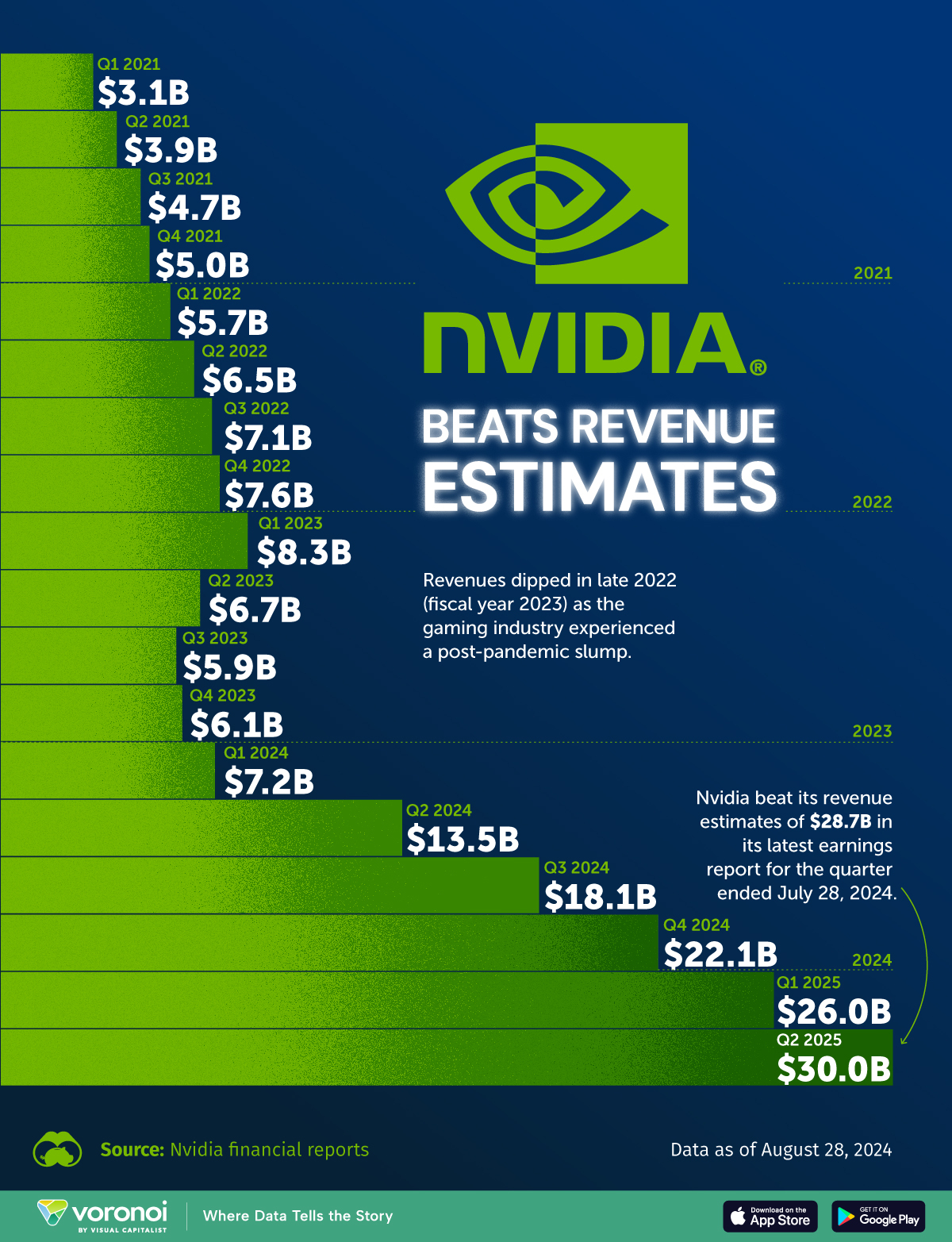
While backward-looking “beats” on revenue and earnings per share (EPS) are important, the market is often more focused on “guidance.” Guidance is the company’s official forecast for the upcoming quarter and fiscal year. In a high-growth environment, the stock price is often driven more by what the CEO, Jensen Huang, says about future demand for next-generation chips (such as the Blackwell architecture) than by the numbers achieved in the previous three months.
Key Financial Metrics to Watch Beyond the Date
When the earnings report is finally released, investors must look past the headline numbers to understand the true trajectory of the business. Several key metrics dictate whether the stock will sustain its valuation.
Data Center Revenue Growth
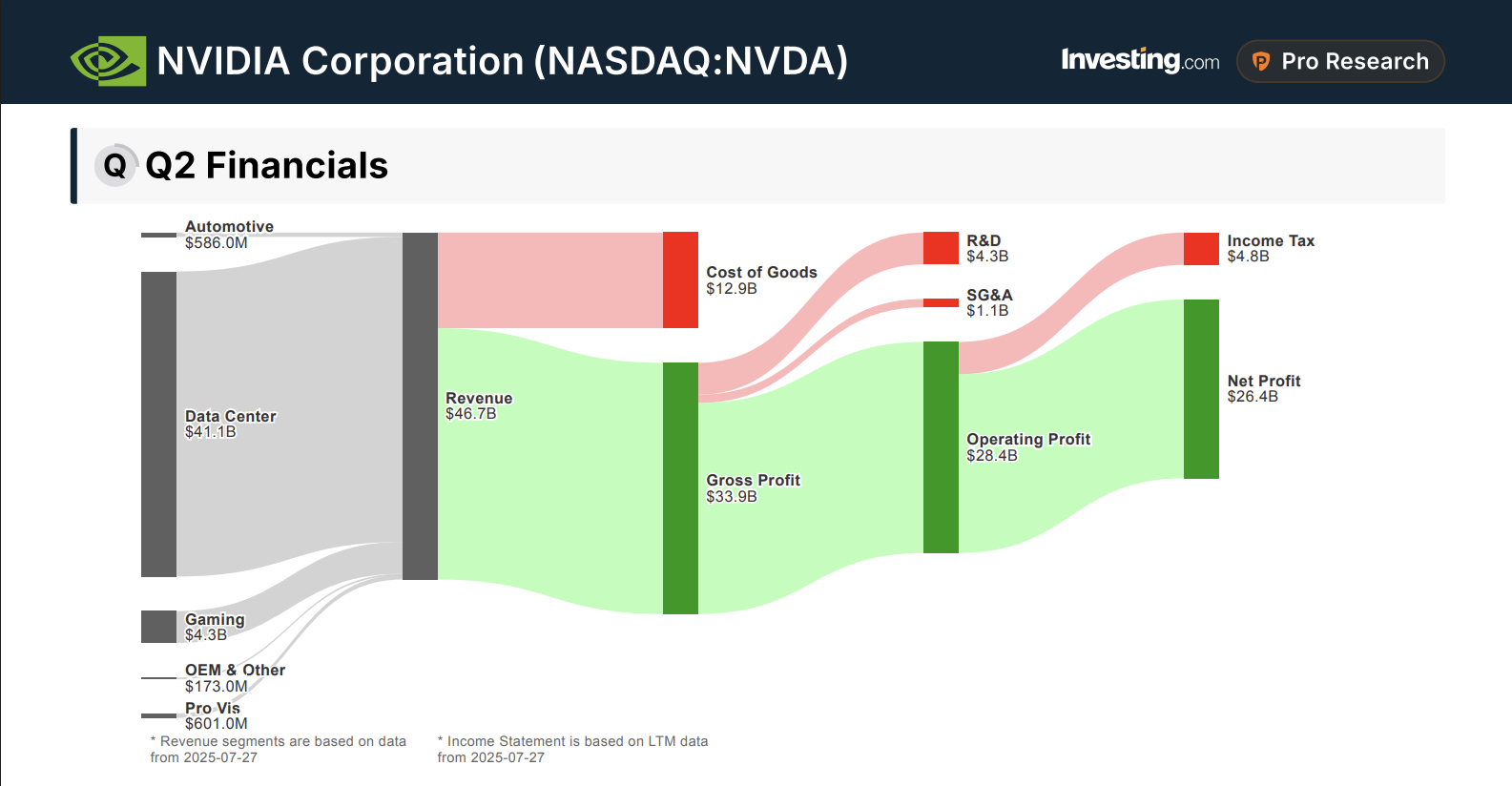
This is the “crown jewel” of NVIDIA’s balance sheet. The Data Center segment includes sales of GPUs for AI, high-performance computing, and cloud infrastructure. Investors look for year-over-year (YoY) and quarter-over-quarter (QoQ) growth rates. Because this segment provides the highest margins and the most significant growth potential, any miss here is usually met with a sharp sell-off, regardless of how well other divisions, like Gaming or Automotive, perform.
Gross Margins and Operational Efficiency
NVIDIA has maintained remarkably high gross margins, often exceeding 70%. For a hardware company, these are extraordinary figures, more akin to a software-as-a-service (SaaS) business. Investors monitor these margins to see if the company maintains its pricing power or if competitors and increasing manufacturing costs from suppliers like TSMC are beginning to eat into profitability.
Free Cash Flow and Capital Returns
As NVIDIA has transitioned from a growth stock to a profitable powerhouse, its ability to generate free cash flow has become a central focus. High cash flow allows the company to reinvest in Research and Development (R&D) to stay ahead of competitors like AMD and Intel. Furthermore, investors look for news regarding share buybacks and dividend increases, which serve as a sign of management’s confidence in the long-term stability of the company’s cash position.
Strategic Positioning for Investors Pre-and-Post Earnings
Investing around an earnings date requires a balance of fundamental analysis and risk management. Because NVIDIA is a high-beta stock, the price swings can be dramatic.
Managing Volatility and Options Activity
In the days leading up to the report, the “Implied Move” is a metric used by traders to gauge how much the market expects the stock to swing. It is not uncommon for the market to price in a 7% to 10% move in either direction. Conservative investors often choose to avoid buying immediately before an earnings call to escape this “binary risk,” while others may use options—such as protective puts or covered calls—to hedge their existing positions against a potential post-earnings dip.
Long-term Valuation vs. Short-term Noise
It is easy to get caught up in the excitement of a 24-hour news cycle, but savvy investors distinguish between short-term fluctuations and long-term value. A company can beat all estimates and still see its stock price fall if the market’s expectations were even higher. Assessing NVIDIA through the lens of its Price-to-Earnings (P/E) ratio relative to its growth rate (the PEG ratio) helps investors determine if the stock is overvalued or if the “earnings beat” justifies its current price.
The Importance of the Earnings Call
The press release provides the numbers, but the earnings call provides the narrative. Listening to the Q&A session between analysts and executives can reveal crucial details about supply chain constraints, lead times for new products, and the diversification of their customer base. For instance, if the CEO mentions that demand is still outstripping supply, it suggests that revenue growth is limited only by manufacturing capacity, not by a lack of interest—a very bullish signal for long-term holders.
Conclusion
The question of “when will NVIDIA report earnings” is the starting point for a deep dive into the health of the global digital economy. As the primary engine of the AI era, NVIDIA’s financial disclosures offer unparalleled insight into the future of technology spending and corporate profitability. By understanding the fiscal calendar, monitoring the right metrics, and preparing for the inherent volatility of earnings season, investors can move beyond the hype and make informed decisions that align with their broader financial goals. Whether you are a short-term trader or a long-term retirement saver, the day NVIDIA reports its numbers is a day that requires your full attention.
aViewFromTheCave is a participant in the Amazon Services LLC Associates Program, an affiliate advertising program designed to provide a means for sites to earn advertising fees by advertising and linking to Amazon.com. Amazon, the Amazon logo, AmazonSupply, and the AmazonSupply logo are trademarks of Amazon.com, Inc. or its affiliates. As an Amazon Associate we earn affiliate commissions from qualifying purchases.