
Understanding the cost of medical insurance in the United States is a critical financial undertaking for millions of individuals and families. Unlike many other developed nations with universal healthcare systems, the U.S. relies heavily on a complex tapestry of private and public insurance plans, each with its own pricing structure and coverage parameters. The question “how much is medical insurance in USA?” doesn’t have a single, simple answer; instead, it opens a discussion about average premiums, deductibles, out-of-pocket maximums, and the various factors that dictate these figures. For many, the expense of healthcare coverage represents one of the most significant line items in their monthly budget, making it imperative to understand the intricate financial mechanics at play.
This article will delve into the multifaceted financial landscape of U.S. medical insurance, breaking down the costs, exploring different types of plans, and offering insights into managing these significant expenses. Whether you’re an individual seeking coverage, a family evaluating options, or an employer looking to provide benefits, a clear grasp of these financial realities is fundamental to making informed decisions that protect both your health and your wallet.
Understanding the Landscape of US Medical Insurance Costs
The sheer variability in medical insurance costs across the United States can be daunting. From state to state, and even within different regions of the same state, premiums can fluctuate wildly based on a confluence of factors. Grasping these foundational elements is the first step toward demystifying your potential healthcare expenses.
Why Medical Insurance is Essential in the USA
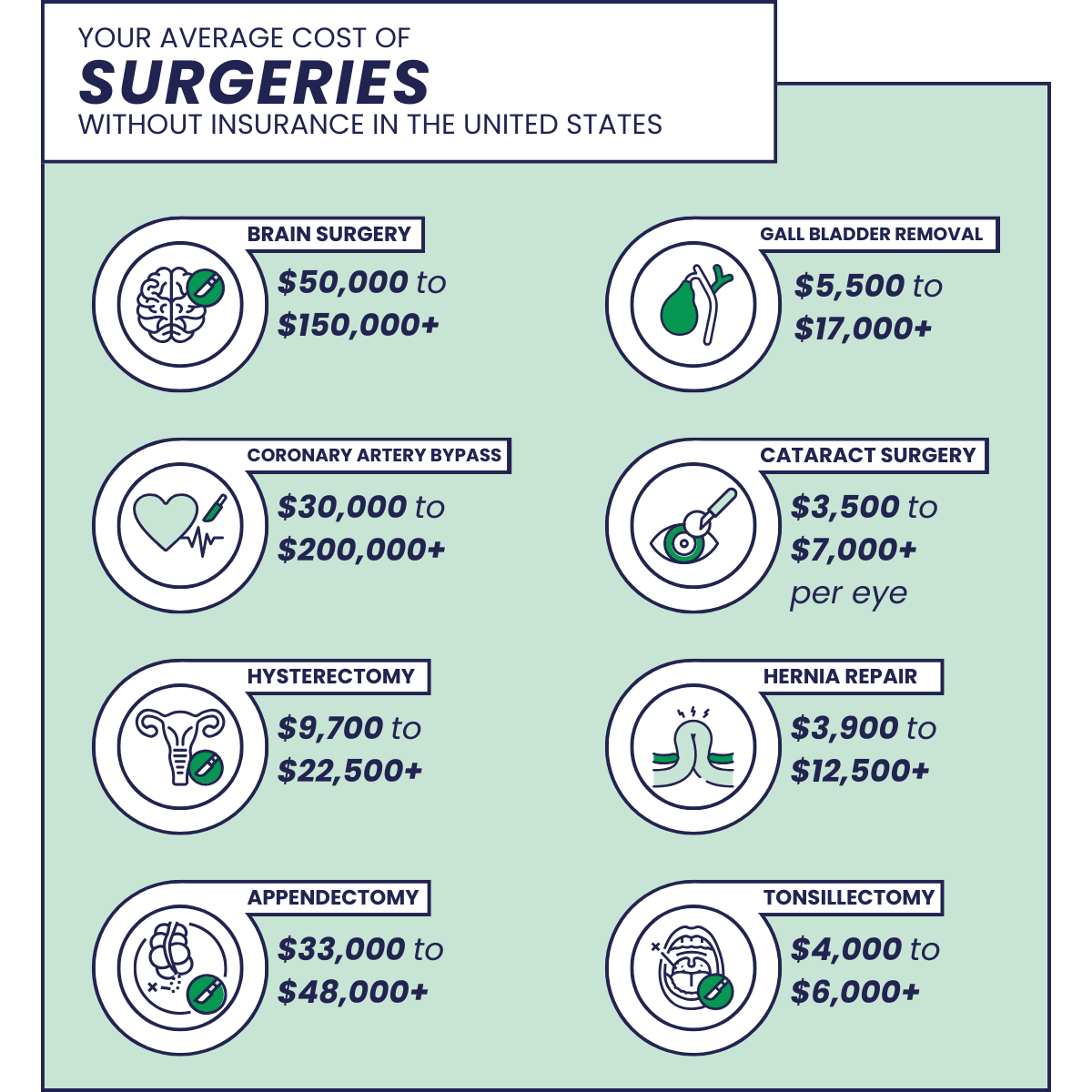
The primary driver behind the necessity of medical insurance in the U.S. is the exceptionally high cost of healthcare services. A routine doctor’s visit, an emergency room visit, a prescription drug, or a major surgery can accrue bills reaching into the thousands or even hundreds of thousands of dollars. Without insurance, these expenses can lead to crippling medical debt, bankruptcy, and the inability to access necessary care. Insurance acts as a financial buffer, pooling risks and distributing costs among a large group, thereby making individual medical services more affordable when needed. It’s not just a health decision; it’s a profound financial planning decision.
Key Factors Influencing Premiums
Several pivotal factors directly impact how much you pay for medical insurance premiums. Understanding these can help explain why your neighbor’s premium might differ significantly from yours:
-
Age: Generally, premiums increase with age, as older individuals tend to require more medical care. The Affordable Care Act (ACA) limits how much insurers can vary premiums based on age (a 3:1 ratio for older vs. younger adults).
-
Location: Healthcare costs and competition among insurers vary significantly by state, county, and even zip code. Urban areas might have more competition and diverse plan options, while rural areas might have fewer choices and potentially higher costs.
-
Plan Type: The type of plan chosen (e.g., HMO, PPO, EPO, POS, HDHP) profoundly impacts premiums. Plans with more flexibility or broader networks typically come with higher monthly costs.
-
Tobacco Use: Insurers are permitted to charge tobacco users higher premiums, up to 50% more in some cases, due to the increased health risks associated with smoking.
-
Number of Dependents: Adding family members (spouses, children) to your plan will naturally increase the total premium cost.
-
Metal Tier (ACA Marketplace): Plans on the ACA Marketplace are categorized into Bronze, Silver, Gold, and Platinum tiers, reflecting the percentage of healthcare costs the plan is expected to cover. Bronze plans have the lowest premiums but highest out-of-pocket costs, while Platinum plans have the highest premiums but lowest out-of-pocket costs.
The Role of the Affordable Care Act (ACA)
The Affordable Care Act (ACA), signed into law in 2010, fundamentally reshaped the U.S. health insurance market. It established Health Insurance Marketplaces (exchanges) where individuals and small businesses can shop for plans. Crucially, the ACA introduced provisions like:
-
Guaranteed Issue: Insurers cannot deny coverage or charge more based on pre-existing conditions.
-
Essential Health Benefits: All plans sold on the Marketplace must cover a standard set of benefits, including hospitalization, prescription drugs, mental health services, and preventive care.
-
Premium Tax Credits and Cost-Sharing Reductions: Financial assistance is available to eligible individuals and families with incomes within certain percentages of the federal poverty level, making coverage more affordable. These subsidies have significantly reduced the net cost of insurance for many Americans.
The ACA’s framework is integral to understanding contemporary medical insurance costs, particularly for those not covered by an employer or government program.
Deconstructing the Components of Your Medical Insurance Bill
Beyond the monthly premium, several other financial terms and mechanisms determine your total out-of-pocket costs for healthcare. A thorough understanding of these components is vital for effective financial planning and for comparing different insurance options.
Premiums: The Monthly Cost of Coverage
The premium is the most straightforward cost: it’s the fixed amount you pay, usually monthly, to maintain your insurance coverage. It’s the price for access to the insurance network and benefits.
-
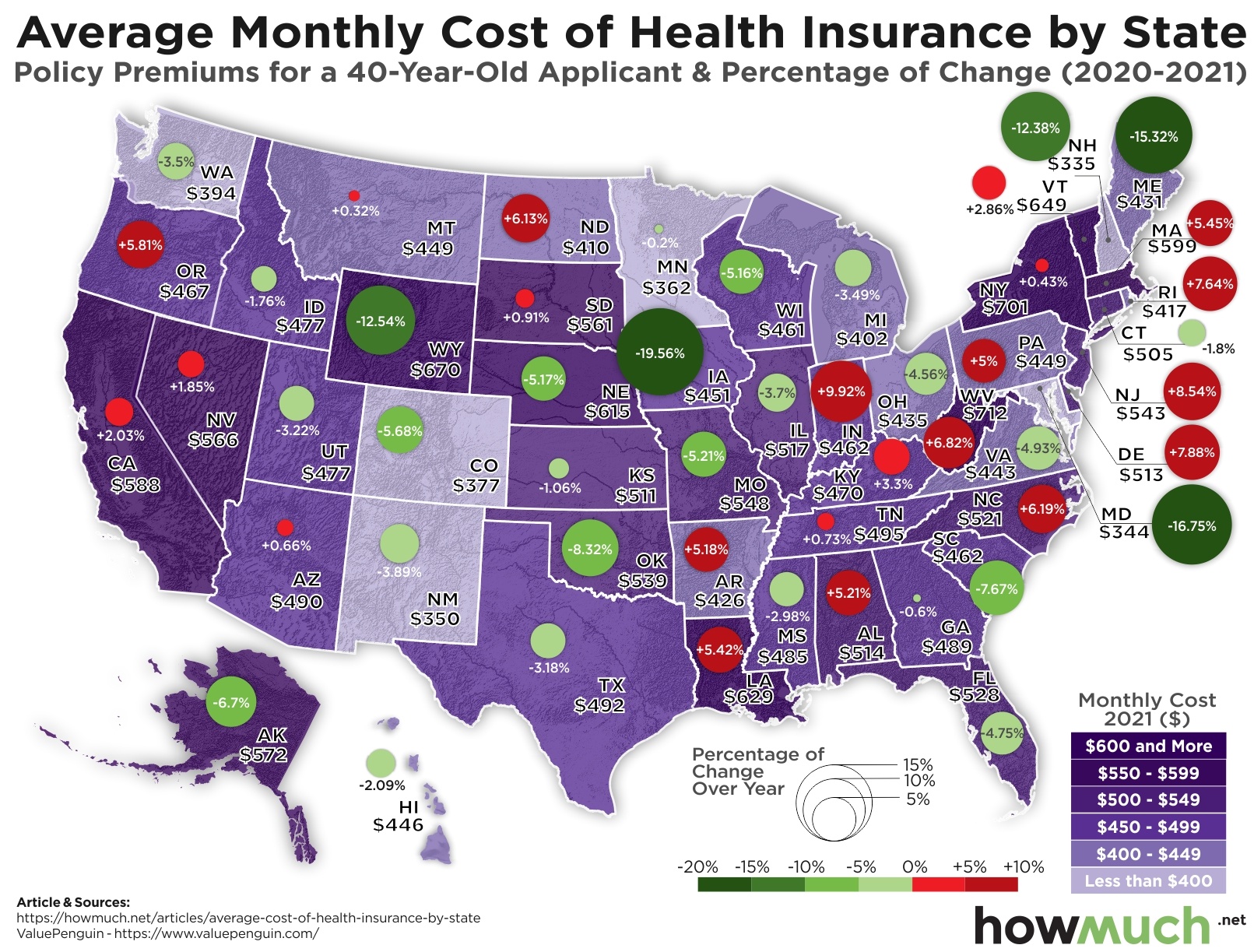
Average Costs: For individuals, average unsubsidized premiums can range from $300 to $600 per month, while family plans can range from $800 to $1,500 or more, depending on the factors mentioned above. These averages are broad and subject to significant variation.
-
Metal Tiers and Premiums: As noted, Bronze plans typically have the lowest premiums but expose you to higher costs when you use care. Silver plans offer a balance and are often the most popular due to potential cost-sharing reductions. Gold and Platinum plans offer higher coverage percentages, translating to lower out-of-pocket costs when sick, but come with the highest monthly premiums.
Deductibles: Your Out-of-Pocket Threshold
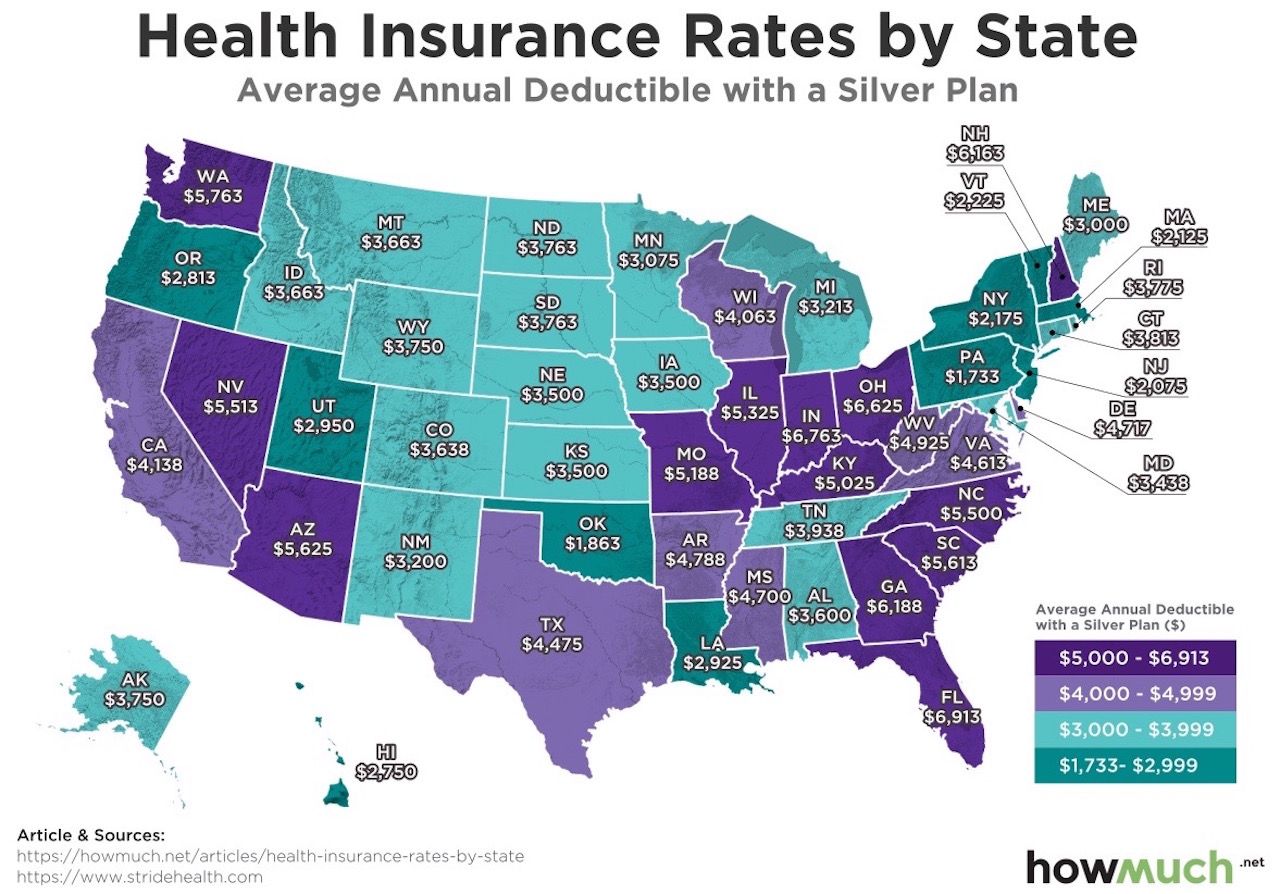
A deductible is the amount of money you must pay for covered healthcare services yourself before your insurance company begins to pay. For example, if your deductible is $2,000, you’ll pay the first $2,000 of your medical bills (for covered services) out of your own pocket each year before your insurance kicks in.
-
How They Work: Once you meet your deductible, your insurance usually starts paying a portion of your medical costs, typically through coinsurance.
-
Impact on Overall Costs: Plans with lower monthly premiums often have higher deductibles, meaning you pay less upfront but more if you need significant medical care. Conversely, plans with higher premiums usually have lower deductibles.
Copayments and Coinsurance: Shared Costs for Services
Once your deductible is met (or for certain services not subject to a deductible, like some primary care visits), you’ll often encounter copayments and coinsurance.
-
Copayments (Copays): A copay is a fixed amount you pay for a covered healthcare service at the time you receive the service. For example, a $30 copay for a doctor’s visit or a $15 copay for a generic prescription. Copays do not usually count towards your deductible but do count towards your out-of-pocket maximum.
-
Coinsurance: Coinsurance is your share of the cost of a covered healthcare service, calculated as a percentage. For example, if your plan has an 80/20 coinsurance, it means the insurance pays 80% and you pay 20% of the cost after your deductible has been met. If a service costs $100 after your deductible, you’d pay $20.
Out-of-Pocket Maximum: Your Financial Safety Net
The out-of-pocket maximum (or limit) is the most you’ll have to pay for covered services in a plan year. Once you reach this limit, your insurance plan pays 100% of the costs for covered essential health benefits for the rest of the year. This includes deductibles, copayments, and coinsurance.
-
Importance: The out-of-pocket maximum is a crucial protection against catastrophic medical expenses. It provides a ceiling on how much you could possibly spend on healthcare in a given year, offering significant financial peace of mind.
-
ACA Limits: The ACA sets annual limits on out-of-pocket maximums for marketplace plans, ensuring consumer protection.
Exploring Different Avenues for Obtaining Medical Insurance
Where and how you obtain medical insurance significantly influences its cost, scope of coverage, and the financial assistance available. There are several primary pathways to securing healthcare coverage in the U.S.
Employer-Sponsored Plans: The Most Common Route
The majority of Americans obtain health insurance through their employers. Companies often offer group health insurance plans as part of their employee benefits package.
-
Advantages: Employer-sponsored plans typically offer lower premiums for employees because employers usually subsidize a significant portion of the cost. They often come with a broader range of options and may include benefits like vision and dental insurance.
-
Employee Contributions: While employers cover a large part, employees still contribute a portion of the premium, which is often deducted pre-tax from their paycheck. The amount varies widely by employer, plan type, and whether the coverage is for an individual or family.
The Health Insurance Marketplace (ACA): Options for Individuals and Families
For those not covered by an employer, the ACA Health Insurance Marketplace (or state-run exchanges) is a vital resource.
-
Subsidies: The Marketplace is the only place where individuals and families can qualify for premium tax credits (which lower monthly premiums) and cost-sharing reductions (which lower deductibles, copays, and out-of-pocket maximums) based on income.
-
Plan Categories: Plans are categorized by metal tiers (Bronze, Silver, Gold, Platinum) to help consumers understand the cost-sharing structure.
-
Enrollment Periods: Most enrollments occur during the annual Open Enrollment Period, typically in the fall, though Special Enrollment Periods are available for qualifying life events (e.g., marriage, birth of a child, loss of other coverage).
Government Programs: Medicare and Medicaid
For specific populations, government-funded programs provide crucial healthcare coverage.
-
Medicare: Primarily for individuals aged 65 or older, and certain younger people with disabilities or specific diseases. Medicare has several parts (A, B, C, D), each with different premiums, deductibles, and coverage. Part A (hospital insurance) is often premium-free for those who’ve paid Medicare taxes through employment, while Part B (medical insurance) has a monthly premium.
-
Medicaid: A joint federal and state program that provides health coverage to low-income individuals and families. Eligibility requirements and the scope of benefits vary by state, as states have the option to expand Medicaid under the ACA. For eligible individuals, Medicaid generally has very low or no premiums and minimal out-of-pocket costs.
Direct from Insurers/Private Plans: Alternative for Specific Needs
While the Marketplace is the primary avenue for individual plans, some people choose to buy health insurance directly from an insurance company outside the exchange.
-
When It’s Used: This option might be considered by those who do not qualify for subsidies or who find a specific plan that meets their unique needs directly from an insurer. However, plans bought directly off-exchange still must comply with ACA regulations regarding essential health benefits and guaranteed issue.
-
Short-Term Plans: Another type of private plan is short-term health insurance, which offers temporary coverage for a limited period. These plans are typically much cheaper but do not have to comply with ACA rules, meaning they can deny coverage for pre-existing conditions, don’t cover essential health benefits, and offer limited protection. They are generally not recommended as a long-term solution.
Strategies for Managing and Reducing Medical Insurance Costs
Given the substantial costs associated with medical insurance, adopting proactive financial strategies is paramount. Understanding how to leverage available resources and make informed choices can significantly mitigate your financial burden.
Leveraging Subsidies and Tax Credits
For those eligible, premium tax credits and cost-sharing reductions through the ACA Marketplace are arguably the most impactful ways to lower out-of-pocket costs.
-
Premium Tax Credits: These reduce your monthly premium payment. The amount of your tax credit is based on your household income and family size relative to the federal poverty level. Even moderate incomes can qualify for some assistance.
-
Cost-Sharing Reductions (CSRs): Available only with Silver plans, CSRs lower your deductible, copayments, and out-of-pocket maximums. This makes Silver plans particularly attractive for those with lower incomes who qualify, as they essentially get a “better” plan (e.g., like a Gold or Platinum plan) at a Silver plan price.
Choosing the Right Plan for Your Health Needs and Budget
Selecting the appropriate plan requires a careful evaluation of your expected healthcare utilization versus your financial capacity.
-
High Deductible Health Plans (HDHPs) with HSAs: If you’re generally healthy and don’t anticipate frequent medical care, an HDHP with a lower premium might be a good fit. These plans are often paired with Health Savings Accounts (HSAs), which offer significant tax advantages for saving and paying for qualified medical expenses.
-
Low Deductible Plans (Gold/Platinum): If you have chronic conditions, anticipate frequent doctor visits, or prefer predictability in your costs, a plan with a higher premium but lower deductible and out-of-pocket maximum might be more cost-effective in the long run, even with higher monthly payments.
-
HMO vs. PPO: Consider network types. HMOs typically have lower premiums but restrict you to a specific network of providers and often require referrals. PPOs offer more flexibility to see out-of-network providers (though at a higher cost) and typically don’t require referrals, but come with higher premiums.
Utilizing Health Savings Accounts (HSAs) and Flexible Spending Accounts (FSAs)
These tax-advantaged accounts can be powerful tools for managing healthcare costs.
-
HSAs: Only available with HDHPs, HSAs allow you to contribute pre-tax money that grows tax-free and can be withdrawn tax-free for qualified medical expenses. Unused funds roll over year to year, making them a retirement savings vehicle for healthcare costs.
-
FSAs: Offered by employers, FSAs allow you to set aside pre-tax money from your paycheck to pay for out-of-pocket medical costs. The primary drawback is the “use-it-or-lose-it” rule, where most funds must be spent within the plan year, though some plans offer a grace period or a small carryover amount.
Negotiating Medical Bills and Understanding Your EOB
Empowering yourself as a consumer can lead to significant savings.
-
Explanation of Benefits (EOB): Always review your EOB from your insurance company, which details what services were billed, what the insurer covered, and what you owe. Check for errors or duplicate charges.
-
Negotiate: Don’t hesitate to negotiate directly with providers or hospitals on bills, especially for out-of-network care or large unexpected charges. Many providers offer discounts for prompt payment or payment plans.
Prioritizing Preventive Care
Most insurance plans, thanks to the ACA, cover a wide range of preventive services (like annual physicals, screenings, and vaccinations) at no additional cost (no deductible, copay, or coinsurance). Taking advantage of these services can help detect and address health issues early, potentially preventing more serious and costly conditions down the line.
The Future of Healthcare Costs in the USA
The debate over healthcare costs in the U.S. is ongoing, with various stakeholders pushing for reforms to address rising expenses. Factors such as pharmaceutical costs, administrative complexity, provider consolidation, and an aging population continue to put upward pressure on prices.
Ongoing Challenges and Policy Debates
Policymakers continue to grapple with solutions ranging from expanding public options to regulating drug prices and promoting value-based care. The trajectory of medical insurance costs will largely depend on legislative actions, market dynamics, and technological advancements. As healthcare costs continue to outpace inflation, the need for sustainable financial solutions becomes ever more pressing.
Empowerment Through Financial Literacy
Ultimately, for the individual consumer, navigating the costs of medical insurance requires a blend of financial literacy, proactive research, and strategic decision-making. By understanding the components of coverage, exploring all available avenues, and employing smart financial tactics, individuals and families can better protect their health and their financial well-being in the complex U.S. healthcare system. The journey to affordable and adequate medical insurance is not just about finding the lowest premium; it’s about finding the right balance between cost, coverage, and peace of mind.
aViewFromTheCave is a participant in the Amazon Services LLC Associates Program, an affiliate advertising program designed to provide a means for sites to earn advertising fees by advertising and linking to Amazon.com. Amazon, the Amazon logo, AmazonSupply, and the AmazonSupply logo are trademarks of Amazon.com, Inc. or its affiliates. As an Amazon Associate we earn affiliate commissions from qualifying purchases.