
In the realm of personal finance, few variables are as volatile or as significant as the cost of healthcare. For many individuals and families, medical expenses represent one of the largest line items in a lifetime budget, often rivaling housing and education costs. However, unlike a mortgage or a tuition bill, medical costs are frequently unpredictable, opaque, and subject to radical fluctuations based on policy changes, employment status, and unforeseen health events. Understanding the financial architecture of healthcare is no longer just a matter of wellness; it is a fundamental pillar of sophisticated wealth management and long-term financial planning.
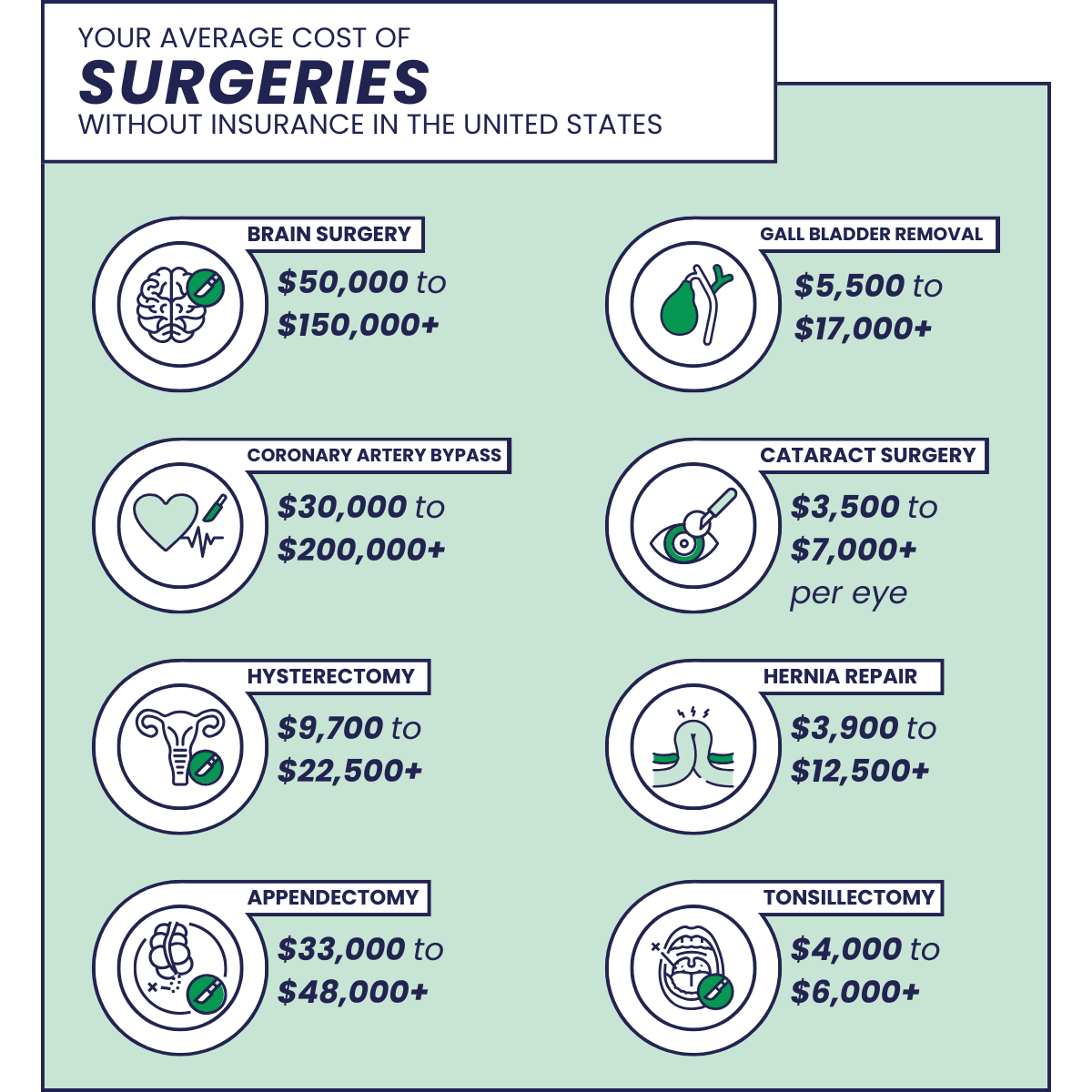
To answer the question of how much medical costs truly are, one must look beyond the sticker price of a doctor’s visit. We must examine the interplay between insurance premiums, out-of-pocket maximums, the tax advantages of specialized savings vehicles, and the long-term impact of medical inflation on retirement portfolios.
Understanding the Pillars of Medical Expenses: Premiums, Deductibles, and Out-of-Pocket Maximums
The true cost of medical care is divided into two distinct categories: fixed costs and variable costs. Navigating these requires a firm grasp of insurance terminology and how it translates to your monthly cash flow.
The Fixed Cost: Monthly Premiums
The premium is the most visible medical cost. It is the amount you pay every month to maintain your insurance coverage, regardless of whether you step foot in a hospital. For those with employer-sponsored insurance, this cost is often subsidized, making it appear lower than the market rate. However, for entrepreneurs, freelancers, or those in early retirement, premiums can be a staggering monthly liability. When calculating your “all-in” medical cost, the premium serves as the baseline—the floor beneath which your healthcare spending will never drop.
The Entry Point: Deductibles and Co-insurance
The deductible is the amount you must pay out-of-pocket for covered health care services before your insurance plan begins to pay. In the current financial landscape, High-Deductible Health Plans (HDHPs) have become increasingly common. While they offer lower monthly premiums, they shift the initial financial burden to the consumer.
Co-insurance and co-payments represent the cost-sharing phase. Once your deductible is met, you typically pay a percentage (e.g., 20%) of the costs, while the insurer covers the rest. From a financial planning perspective, the “Out-of-Pocket Maximum” is the most critical number to track. This is the absolute ceiling on what you will pay in a given year for covered services. A robust emergency fund should, at a minimum, be able to cover one full out-of-pocket maximum to prevent a health crisis from becoming a debt crisis.
Strategic Financial Planning for Medical Emergencies
Because medical costs can be erratic, proactive financial strategies are essential to mitigate risk. Treating healthcare as a line item in an investment strategy, rather than a passive expense, can yield significant long-term benefits.
Leveraging HSAs for Tax-Advantaged Savings
The Health Savings Account (HSA) is arguably the most powerful financial tool available in the United States. To qualify, you must be enrolled in an HDHP. The HSA offers a “triple tax advantage”: contributions are tax-deductible (reducing your taxable income), the money grows tax-free through investments, and withdrawals are tax-free when used for qualified medical expenses.
For those focused on wealth building, the HSA should not be treated as a checking account for current medical bills. Instead, many financial advisors recommend paying current medical costs out-of-pocket and allowing the HSA funds to remain invested in the stock market for decades. By keeping receipts for current expenses, you can reimburse yourself years later with tax-free growth, effectively turning your medical costs into a secondary retirement vehicle.
Building a Healthcare-Specific Emergency Fund
Standard financial advice suggests an emergency fund of three to six months of living expenses. However, a “Money-First” approach to healthcare suggests a dedicated sub-account. Medical debt is the leading cause of bankruptcy in many developed nations; having a liquid asset specifically earmarked for the deductible and the out-of-pocket maximum ensures that a sudden illness does not force the liquidation of long-term investments or the accumulation of high-interest credit card debt.

The Long-Term Impact: Medical Costs in Retirement and Investment Portfolios
One of the most common oversights in retirement planning is underestimating the cost of healthcare in the final decades of life. Many assume that Medicare will cover all expenses, but the reality is far more expensive.
Estimating Medicare and Supplemental Insurance Needs
Medicare is not free. Between Part B premiums, Part D (prescription drug) costs, and the necessary “Medigap” supplemental policies, retirees must budget significantly for monthly healthcare overhead. Recent studies estimate that an average 65-year-old couple retiring today may need approximately $315,000 to $350,000 saved purely to cover healthcare expenses in retirement, excluding long-term care.
This figure is a moving target because medical inflation historically outpaces the General Consumer Price Index (CPI). When modeling your retirement success rate, it is prudent to apply a higher inflation rate to the medical portion of your budget to ensure your portfolio can withstand the rising costs of specialized care and pharmaceuticals.
Factoring Long-Term Care into the Wealth Equation
Long-term care (LTC)—including assisted living and nursing home care—is rarely covered by standard health insurance or Medicare. The cost of a private room in a nursing facility can exceed $100,000 per year in many regions. For high-net-worth individuals, the strategy might involve “self-insuring” by maintaining a large enough portfolio to cover these costs. For the middle class, long-term care insurance or hybrid life insurance policies with LTC riders are essential financial products to protect the inheritance of the next generation and the solvency of the surviving spouse.
Negotiating and Managing Medical Debt: Professional Financial Strategies
When large medical bills do arrive, they should not be treated as non-negotiable mandates. In the world of business finance, every invoice is subject to audit; the same logic applies to healthcare.
Itemized Billing and Error Correction
It is estimated that a significant percentage of hospital bills contain errors, ranging from duplicate charges to incorrect billing codes. The first step in managing a high medical cost is requesting an “itemized bill.” This forces the provider to justify every cent. Often, simply questioning a charge or identifying a “Level 5” emergency room charge for a minor procedure can result in thousands of dollars in savings.
Payment Plans and Financial Assistance Programs
Many hospitals operate as non-profit entities, which mandates they provide “Charity Care” or financial assistance to patients below certain income thresholds. Even for those who do not qualify for charity care, interest-free payment plans are common. From a cash-flow management perspective, an interest-free payment plan over 24 or 36 months is far superior to paying a lump sum that could otherwise remain invested in the market.
Furthermore, many providers are willing to accept a “prompt-pay discount.” If you have the liquidity, offering to pay 70% of the bill immediately in exchange for settling the balance in full can be a highly effective negotiation tactic, mirroring settlement strategies used in corporate finance.

Conclusion: The Business of Health
How much medical costs depends less on the specific illness and more on the financial framework you have built to manage it. By viewing healthcare through the lens of personal finance—utilizing tax-advantaged accounts, accounting for medical inflation in retirement models, and aggressively auditing and negotiating billing—you can transform a volatile expense into a manageable component of your financial life.
Medical costs are a certainty of the human experience, but they do not have to be a catastrophe for your balance sheet. With the right strategic planning, the financial burden of healthcare can be mitigated, allowing you to focus on the most important return on investment: your health and longevity.
aViewFromTheCave is a participant in the Amazon Services LLC Associates Program, an affiliate advertising program designed to provide a means for sites to earn advertising fees by advertising and linking to Amazon.com. Amazon, the Amazon logo, AmazonSupply, and the AmazonSupply logo are trademarks of Amazon.com, Inc. or its affiliates. As an Amazon Associate we earn affiliate commissions from qualifying purchases.