
In the modern landscape of personal finance, the way we allocate funds for wellness has undergone a seismic shift. The rise of direct-to-consumer (DTC) telehealth platforms has transformed healthcare from a confusing maze of insurance co-pays and pharmacy queues into a streamlined subscription service. At the forefront of this revolution is Hims & Hers Health, Inc. For many consumers, the primary question—”How much is Hims?”—is not just about a single price tag, but about understanding the total cost of ownership for long-term health maintenance.
Navigating the financial implications of Hims requires a deep dive into its pricing tiers, the economics of its subscription model, and how these costs compare to traditional brick-and-mortar medical visits. For those looking to optimize their healthcare budget, Hims represents a unique intersection of convenience and financial transparency.
Decoding the Hims Pricing Model: Direct-to-Consumer Healthcare Economics
Hims operates on a “platform-as-a-service” model for healthcare. Unlike a traditional pharmacy where you pay a one-time fee for a prescription, Hims bundles the cost of medical consultation, the medication itself, and the delivery into a recurring fee. This model is designed to provide predictability for the consumer’s wallet, though it requires a shift in how one calculates medical expenses.
Prescription vs. Over-the-Counter Costs
The cost of Hims varies significantly depending on whether you are seeking prescription medication (such as Finasteride for hair loss or Sildenafil for erectile dysfunction) or over-the-counter (OTC) wellness products.
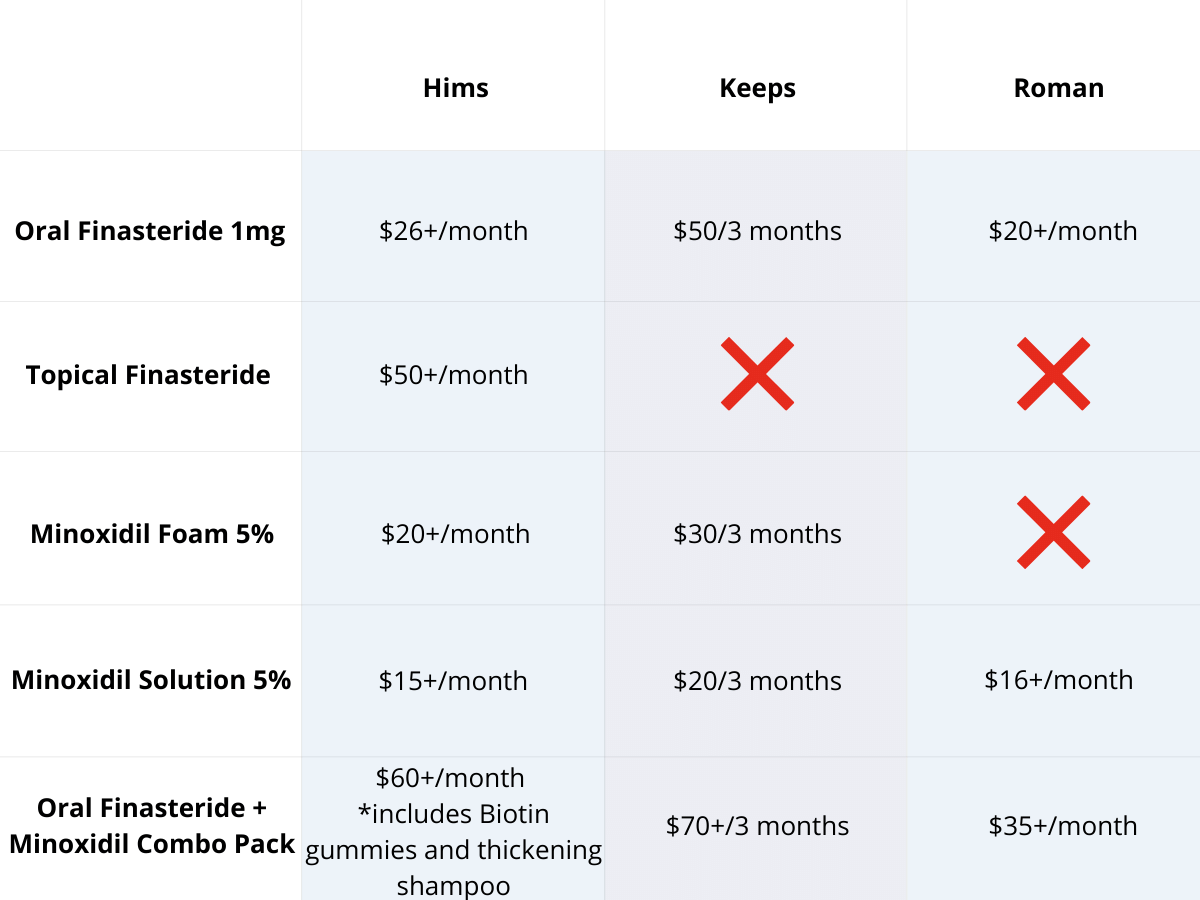
- Prescription Treatments: These typically range from $20 to $60 per month. For instance, generic erectile dysfunction medications often start around $4 per pill, but the total monthly cost depends on the frequency of use and the specific dosage.
- OTC Products: Supplements, thickening shampoos, and skincare serums are priced similarly to premium retail brands, often ranging from $15 to $35.
The financial advantage here is the “all-in” nature of the price. In a traditional setting, a patient might pay a $30 co-pay for a doctor’s visit, only to find the medication costs an additional $40 at the pharmacy. Hims attempts to consolidate these variables into a single, transparent line item on a monthly bank statement.
The Subscription Structure and Commitment Tiers
From a personal finance perspective, the most effective way to lower the cost of Hims is through duration commitment. Hims incentivizes users to move away from monthly billing toward quarterly, semi-annual, or annual plans.
- Monthly Billing: Offers the highest flexibility but the highest per-unit cost.
- Annual Billing: Can reduce the effective monthly cost by as much as 35% to 50%.
For a consumer managing a tight monthly budget, the upfront cost of an annual plan (e.g., $200+ at once) may seem daunting, but the “price per dose” drop makes it the superior financial choice for long-term treatments like hair regrowth, which require years of consistency to maintain results.
Comparing Hims Costs to Traditional Healthcare: A Personal Finance Perspective
When asking “How much is Hims?”, one must weigh the answer against the opportunity cost of not using a digital platform. Traditional healthcare often carries “hidden” costs that are absent in the Hims ecosystem.
The Hidden Costs of Doctor Visits
A visit to a general practitioner or a specialist involves more than just the medical bill. It involves:
- Time Opportunity Cost: Taking two hours off work for an appointment can cost a professional hundreds of dollars in lost productivity or billable hours.
- Transportation and Parking: Minor but recurring expenses that add up over time.
- The “Inconvenience Tax”: The mental overhead of scheduling and waiting often leads patients to delay care, which can result in more expensive medical issues down the road.
Hims eliminates these variables. The consultation is handled asynchronously or via quick digital check-ins, allowing the user to manage their health without disrupting their income-earning potential. For high-earning professionals, the time saved through Hims often outweighs the actual cost of the medication.
Insurance vs. Out-of-Pocket Transparency
One of the most complex aspects of personal finance is dealing with medical insurance. Co-pays, deductibles, and “out-of-network” surprises make budgeting for health nearly impossible. Hims generally does not take insurance, which initially sounds like a drawback. However, for many, the “cash price” of Hims is actually lower than the “insurance price” at a local pharmacy.

Because Hims leverages high-volume compounding and direct shipping, they bypass the middlemen who often inflate prices in the insurance-based system. For individuals with high-deductible health plans (HDHPs), paying $25 a month out-of-pocket for a Hims subscription is often more economical than paying the full “negotiated” rate of a prescription until a $3,000 deductible is met.
Maximizing ROI: Which Hims Plans Offer the Best Financial Value?
To truly answer how much Hims costs, we must look at the specific categories of care and identify where the most significant savings are found. Not all Hims products are created equal in terms of market value.
Sexual Health Savings
In the realm of sexual health, Hims provides significant competition to name-brand medications. Generic versions of Viagra (Sildenafil) and Cialis (Tadalafil) are the primary drivers of value here. While a name-brand pill at a local pharmacy could cost $70 per dose, Hims offers the generic equivalent at a fraction of that. For the budget-conscious consumer, opting for the generic subscription is the single most effective way to maximize the ROI of the platform.
Hair Loss Prevention Budgets
Hair loss treatment is a marathon, not a sprint. This is where the financial planning of a Hims subscription becomes vital. Treatments like Finasteride and Minoxidil must be used indefinitely to maintain results.
- The Financial Strategy: Users should view this as a fixed utility bill, similar to an internet or electricity bill.
- Bundling: Hims often offers bundles (e.g., the “Hair Power Pack”) that combine oral medication, topical sprays, and vitamins. From a financial standpoint, these bundles are only “deals” if you were planning to buy each component separately. If you only need the medication, buying the standalone prescription is the smarter money move.
Mental Health and Weight Loss: The New Frontiers
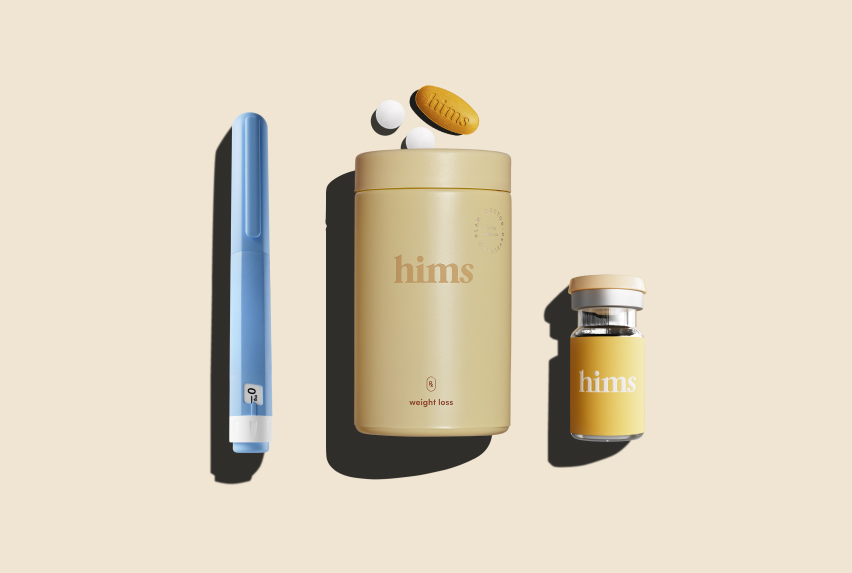
Hims has recently expanded into more complex areas like psychiatry and weight loss (GLP-1s). These services carry a higher price point—often $85 to $200+ per month. While these are the most expensive offerings on the platform, they represent a massive discount compared to private-pay psychiatry, which can cost $200 to $400 per hour. For users without robust mental health insurance coverage, Hims provides a “middle-class” price point for services that were previously reserved for the wealthy.
The Broader Business of Hims: Market Valuation and Consumer Trust
Understanding the cost of Hims also requires looking at the company’s stability. For a consumer to commit to a long-term subscription, they need to know the company isn’t going to vanish overnight, leaving them without their medical history or supply chain.
Disrupting the Pharmacy Model
Hims is not just a website; it is a publicly traded company (NYSE: HIMS) that has shown aggressive growth. Their financial health is built on “sticky” revenue—customers who sign up and stay for years. By cutting out the physical storefront and the associated overhead (rent, local staffing, utility bills for thousands of locations), Hims can maintain high margins while keeping consumer prices competitive. This “lean” business model is what allows them to offer consultations at no additional cost to the subscriber.
Future Financial Outlook for Consumers
As the company scales, we are seeing a trend of “price compression” in some of their more mature categories. As competition increases from other telehealth providers, Hims is forced to either lower prices or increase the value of their bundles. For the consumer, this competitive landscape is a win. It ensures that “How much is Hims?” will likely remain a competitive answer compared to traditional pharmaceutical price hikes.
Furthermore, the integration of AI in their diagnostic flow suggests that operational costs for Hims may decrease over time. If the company passes these savings onto the consumer, the long-term financial burden of chronic condition management could continue to drop.
Final Thoughts: Is Hims Worth the Expense?
Ultimately, the cost of Hims is a reflection of the value placed on time, transparency, and accessibility. While you might find a cheaper generic pill at a wholesale club like Costco if you are willing to navigate the doctor’s office and the pharmacy line, Hims charges a premium for a “frictionless” experience.
For the modern individual managing a career, a family, and a personal budget, the $20–$50 a month spent on Hims is often a “defensive” financial play. It prevents the escalation of health issues, saves hours of billable time, and provides a predictable, fixed cost in an otherwise volatile healthcare market. When calculating “how much is Hims,” the smart investor looks beyond the monthly fee and sees a streamlined tool for maintaining their most valuable asset: their health.
aViewFromTheCave is a participant in the Amazon Services LLC Associates Program, an affiliate advertising program designed to provide a means for sites to earn advertising fees by advertising and linking to Amazon.com. Amazon, the Amazon logo, AmazonSupply, and the AmazonSupply logo are trademarks of Amazon.com, Inc. or its affiliates. As an Amazon Associate we earn affiliate commissions from qualifying purchases.