
The annual ritual of filing taxes can often feel like a daunting task, fraught with complex forms, confusing regulations, and the lurking concern of unexpected fees. For many individuals and families, the thought of paying for tax preparation services or software adds another layer of financial stress to an already significant obligation. However, the good news for the 2024 tax season (covering the 2023 tax year) is that truly free and reliable options exist for a substantial portion of taxpayers.
Navigating the landscape of free tax filing can be tricky, with various programs, software tiers, and eligibility criteria to consider. This comprehensive guide aims to demystify the process, illuminating the legitimate avenues available to file your federal and, in many cases, state taxes without spending a dime. By understanding these options, you can save valuable money, gain confidence in your financial management, and meet your tax obligations accurately and efficiently. Let’s explore how you can unlock free tax filing this year.

Leveraging IRS-Sponsored Free Tax Programs
The Internal Revenue Service (IRS) is not just the agency collecting your taxes; it also provides fundamental resources to help eligible taxpayers file for free. These programs are designed to assist a wide range of individuals, from those with moderate incomes to the elderly, ensuring that professional and accurate tax preparation is accessible without cost.
IRS Free File Program: A Digital Gateway to Free Filing
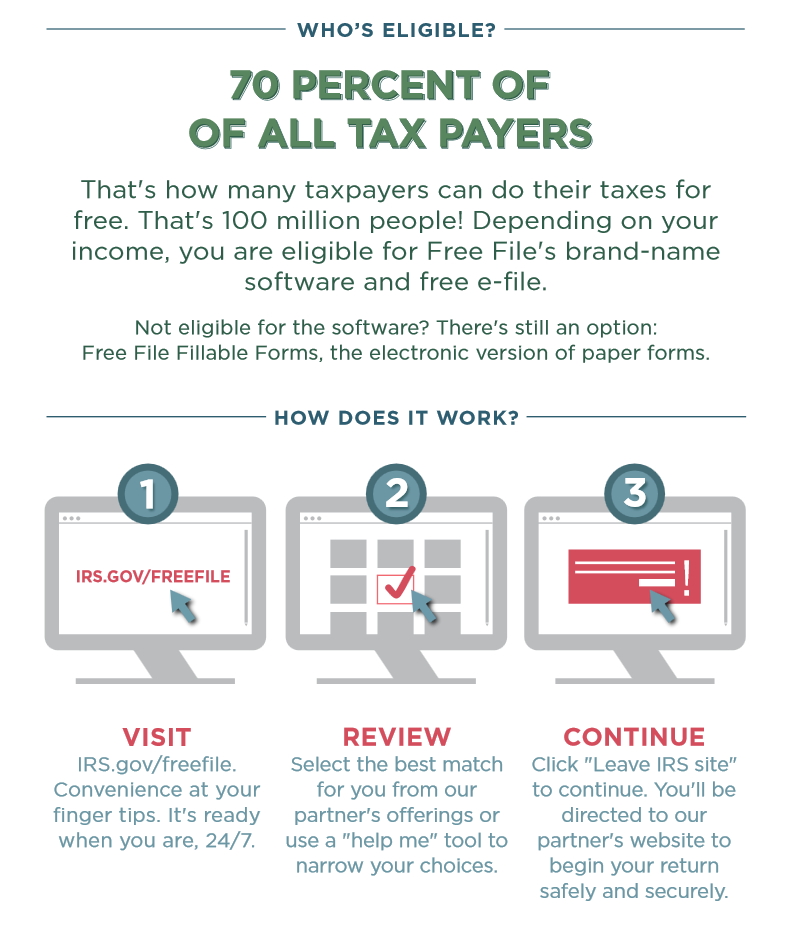
The IRS Free File program is arguably the most prominent and direct path to filing your taxes for free. This initiative is a partnership between the IRS and several leading tax software companies. Instead of paying for a commercial product, eligible taxpayers can use these software programs to prepare and e-file their federal tax returns at no cost. Crucially, the key to accessing these truly free services is to begin your filing process directly through the official IRS website, specifically the “IRS Free File” page.
Eligibility for the IRS Free File program is primarily based on your Adjusted Gross Income (AGI). For the 2024 filing season (covering the 2023 tax year), taxpayers whose AGI is typically below a certain threshold (often around $79,000, though this can vary slightly each year) will qualify to use one of the participating brand-name software products. If your AGI exceeds this limit, you still have an option: the IRS Free File Fillable Forms. These forms are the electronic equivalent of paper IRS forms and are best suited for taxpayers who are comfortable doing their own tax calculations and don’t need guided assistance, regardless of their income.
The benefits of using IRS Free File are significant. Beyond the obvious cost savings, you gain access to user-friendly software that guides you step-by-step through the filing process, often with built-in checks for common errors. Many of these programs also offer free state tax filing if you qualify. It’s a secure and efficient way to ensure your federal taxes are submitted correctly and on time, often leading to faster refunds if you opt for direct deposit. Remember, always start your journey on IRS.gov to ensure you’re using the genuine free offer and not inadvertently signing up for a paid version of a commercial product.
Volunteer Income Tax Assistance (VITA) and Tax Counseling for the Elderly (TCE)
For taxpayers who prefer in-person assistance or have specific circumstances, the IRS-sponsored VITA and TCE programs offer invaluable services. These programs rely on a network of IRS-certified volunteers who provide free tax preparation help to qualified individuals across the country.
Volunteer Income Tax Assistance (VITA) is designed to help low-to-moderate-income individuals, persons with disabilities, and limited English-speaking taxpayers who generally earn $64,000 or less. VITA sites are typically located in community centers, libraries, schools, shopping malls, and other convenient public places. Volunteers at these sites are trained to prepare basic tax returns, answer tax questions, and assist with claiming eligible tax credits such as the Earned Income Tax Credit (EITC), Child Tax Credit, and education credits. This personalized, face-to-face service can be particularly beneficial for those who are less comfortable with technology or have questions that a software program might not fully address.
Tax Counseling for the Elderly (TCE) focuses specifically on taxpayers aged 60 and over. While it offers free tax help to all eligible taxpayers, its primary mission is to provide specialized assistance to seniors on pension- and retirement-related issues unique to their age group. Many TCE sites are operated by the AARP Foundation Tax-Aide program, which is the nation’s largest volunteer-run tax preparation service. Like VITA, TCE offers invaluable one-on-one support from certified volunteers.
To find a VITA or TCE site near you, the easiest method is to use the IRS VITA/TCE Locator Tool available on the IRS website. You’ll typically need to bring all relevant tax documents, identification, Social Security cards for everyone on the return, and last year’s tax return (if available). These programs offer not just free filing but also peace of mind, knowing your taxes are handled by knowledgeable volunteers.
Exploring Commercial Software Providers with Free Tiers
Beyond the direct IRS programs, many popular commercial tax software companies offer “free” versions or tiers of their products. These can be excellent options, especially for those whose tax situations are relatively straightforward. However, it’s crucial to understand the limitations and potential triggers that might lead to an unexpected charge.
Understanding “Free” Tiers: What’s Included and What’s Not
Commercial tax software providers like TurboTax, H&R Block, TaxAct, and FreeTaxUSA often advertise free filing options. These “free” tiers are typically designed for taxpayers with simple returns. A simple return generally means you’re filing Form 1040, taking the standard deduction, and have income solely from W-2 wages. You might also be able to include unemployment income, student loan interest deductions, and retirement income (Form 1099-R) within these free versions.
The moment your tax situation becomes even slightly more complex, these free tiers often hit their limitations, prompting an upgrade to a paid version. Common scenarios that trigger an upgrade include:
- Itemized Deductions: If you plan to itemize deductions instead of taking the standard deduction.
- Self-Employment Income: If you have income from freelance work, gig economy jobs, or a small business (requiring Schedule C).
- Investment Income: If you have capital gains or losses from stocks, bonds, or other investments (requiring Schedule D).
- Rental Property Income: If you own and rent out property (requiring Schedule E).
- Specific Credits: Certain tax credits, beyond the most common ones like EITC or Child Tax Credit, might not be supported by free tiers.
- State Filing: While some free federal products include free state filing, many commercial “free” versions will charge an additional fee for your state return.
It’s vital to read the fine print carefully and understand what the “free” offer truly covers before you commit. Starting your return in a free tier and then realizing halfway through that you need to upgrade can be frustrating and costly.
Key Considerations When Choosing a Free Commercial Option
If you determine that your tax situation fits within the parameters of a commercial software’s free tier, several factors should guide your choice:
- Ease of Use/User Interface: A well-designed, intuitive interface can significantly reduce the stress of tax filing. Most providers offer a walk-through process that asks simple questions and populates the forms for you.
- Customer Support: While free tiers often have limited customer support options (e.g., self-help FAQs rather than live chat or phone support), some may offer basic assistance. Consider how comfortable you are navigating potential issues on your own.
- Security Measures: Ensure the software provider employs robust security protocols to protect your sensitive financial and personal information. Look for features like two-factor authentication and data encryption.
- Data Privacy Policies: Review the provider’s privacy policy to understand how your data is collected, used, and shared. Some companies may use aggregated, anonymized data for research or marketing, but ensure your personal identifiable information remains secure.
- Audit Support: Some free versions may offer limited or no audit support. If this is a concern, check if it’s an included feature or an available upgrade.
- Preview Before Paying: A critical step is to always preview your completed return, including any associated fees, before submitting or paying. This allows you to catch unexpected charges or upgrade prompts.
FreeTaxUSA stands out as a commonly cited option that offers truly free federal filing for most tax situations, only charging a fee for state returns. Other providers’ free tiers are generally more restrictive. Researching current year offerings from various providers before you start is highly recommended.
State-Specific Free Filing Resources
While much of the focus is often on federal taxes, filing state taxes can also incur costs. Fortunately, many states offer their own free filing options, which can often be combined with federal free filing or used independently.
How to Find Free State Tax Filing Options
Your state’s Department of Revenue or taxation authority is the primary resource for information on free state tax filing. Many states provide their own free online filing portals, especially for residents with simple returns. These portals allow you to directly prepare and submit your state tax return without using third-party software.
Additionally, if you qualify for the IRS Free File program, a significant number of the participating software providers will also offer free state tax filing as part of their package, provided you meet their specific AGI and tax situation criteria. It’s essential to confirm this during the selection process on the IRS Free File website. If your federal free file provider doesn’t include free state filing, or if you don’t qualify for IRS Free File, checking your state’s official government website is the next logical step.
For those who utilize VITA or TCE programs, these volunteers are often equipped to help with both federal and state tax returns, provided they are certified for the state-specific forms. This integrated approach ensures that you can handle both aspects of your tax obligations in one sitting, without additional cost. Always confirm with the VITA/TCE site if they offer state tax preparation for your specific state before your appointment.
Maximizing Your Chances for Truly Free Filing
The goal is not just to find a “free” option but to ensure you actually file for free, avoiding any last-minute surprises or hidden fees. Strategic planning and careful attention to detail can help you achieve this.
Understanding Your Tax Situation Before You Start
Before you even open a browser or visit a VITA site, take the time to understand your personal tax situation. This foresight is your best defense against unexpected costs.
- Gather All Documents: Collect all necessary tax documents, including W-2s, 1099s (for interest, dividends, unemployment, gig work, etc.), 1098s (for student loan interest or mortgage interest), receipts for deductions you plan to claim, and any other income or deduction statements. Having everything organized will make the process smoother and help you assess complexity.
- Determine Your AGI: Knowing your Adjusted Gross Income (AGI) from the previous year, or having a good estimate for the current year, is crucial for determining if you qualify for the IRS Free File program.
- Assess Complexity: Objectively evaluate whether your return is truly “simple.” Do you have only W-2 income and plan to take the standard deduction? Or do you have self-employment income, multiple investment accounts, rental properties, or unusual deductions? The more complex your situation, the more likely you might need to use a more robust (and potentially paid) software, or seek assistance from VITA/TCE.
Beware of Upsells and Hidden Fees
This cannot be stressed enough: be vigilant against upsells, especially when using commercial software’s free tiers.
- Read the Fine Print: Before you commit to a specific software, carefully read the terms and conditions of their “free” offer. Understand what’s included and, more importantly, what isn’t.
- Automatic Upgrades: Some software might automatically suggest an upgrade to a paid version if it detects a form or scenario not covered by the free tier. While sometimes necessary, always review why an upgrade is recommended and if a truly free alternative exists for your situation (e.g., switching to a different IRS Free File partner).
- Verify Final Cost: Before you hit the “e-file” button, the software should clearly display your total cost. If it’s anything other than $0 for federal (and state, if applicable), stop and re-evaluate. You should never have to enter payment information for a truly free service.
- Always Start with IRS.gov for Free File: To reiterate, if you intend to use the IRS Free File program, always navigate to it through the official IRS website. Going directly to a commercial provider’s site might lead you to their commercial (paid) products, even if they participate in the Free File program.
The Benefits Beyond Saving Money
Choosing to file your taxes for free offers benefits that extend beyond simply saving a few dollars.
- Increased Financial Literacy: Engaging directly with your tax preparation, even with guided software, can enhance your understanding of your income, deductions, and credits. This knowledge empowers you to make better financial decisions throughout the year.
- Direct Deposit for Refunds: All free e-filing options, whether through IRS Free File or commercial software, support direct deposit for refunds, ensuring you receive your money quickly and securely.
- Reduced Stress: Knowing you’ve fulfilled your tax obligations accurately and without unnecessary expense can provide significant peace of mind. It removes one more financial burden and allows you to allocate those savings to other important areas of your budget.
In conclusion, filing your taxes for free in 2024 is not just a pipe dream; it’s a tangible reality for millions of taxpayers. Whether you leverage the robust support of IRS-sponsored programs like VITA and TCE, utilize the digital convenience of IRS Free File, or find a suitable commercial software’s free tier, numerous legitimate options await. By taking the time to understand your tax situation, exploring the available resources, and remaining vigilant against hidden fees, you can successfully navigate tax season without opening your wallet. Start gathering your documents today and embrace the confidence that comes with cost-effective and accurate tax compliance.
aViewFromTheCave is a participant in the Amazon Services LLC Associates Program, an affiliate advertising program designed to provide a means for sites to earn advertising fees by advertising and linking to Amazon.com. Amazon, the Amazon logo, AmazonSupply, and the AmazonSupply logo are trademarks of Amazon.com, Inc. or its affiliates. As an Amazon Associate we earn affiliate commissions from qualifying purchases.