
For many drivers, GEICO stands out as a household name synonymous with car insurance. Their catchy gecko mascot and pervasive advertising campaigns have made them one of the most recognizable and frequently quoted insurers in the United States. However, beyond the memorable ads, a common and critical question persists for consumers navigating the complexities of personal finance: “How much is GEICO car insurance a month?”
The simple truth is, there’s no one-size-fits-all answer. Car insurance premiums, whether from GEICO or any other provider, are highly individualized, meticulously calculated based on a myriad of factors unique to each driver, vehicle, and location. This article aims to demystify the process, delving deep into the financial considerations that shape your monthly GEICO premium, offering insights into how you can understand, influence, and ultimately manage this significant recurring expense within your personal budget.

The Core Factors Influencing Your GEICO Monthly Premium
Understanding your GEICO monthly premium begins with recognizing the fundamental data points insurers use to assess risk. These factors form the bedrock of their financial models, directly correlating with the likelihood and potential cost of a future claim.
Personal Driving Profile
Your personal history and habits behind the wheel are paramount in determining your insurance rate. Insurers, at their core, are risk assessors, and your profile tells a story about your potential risk.
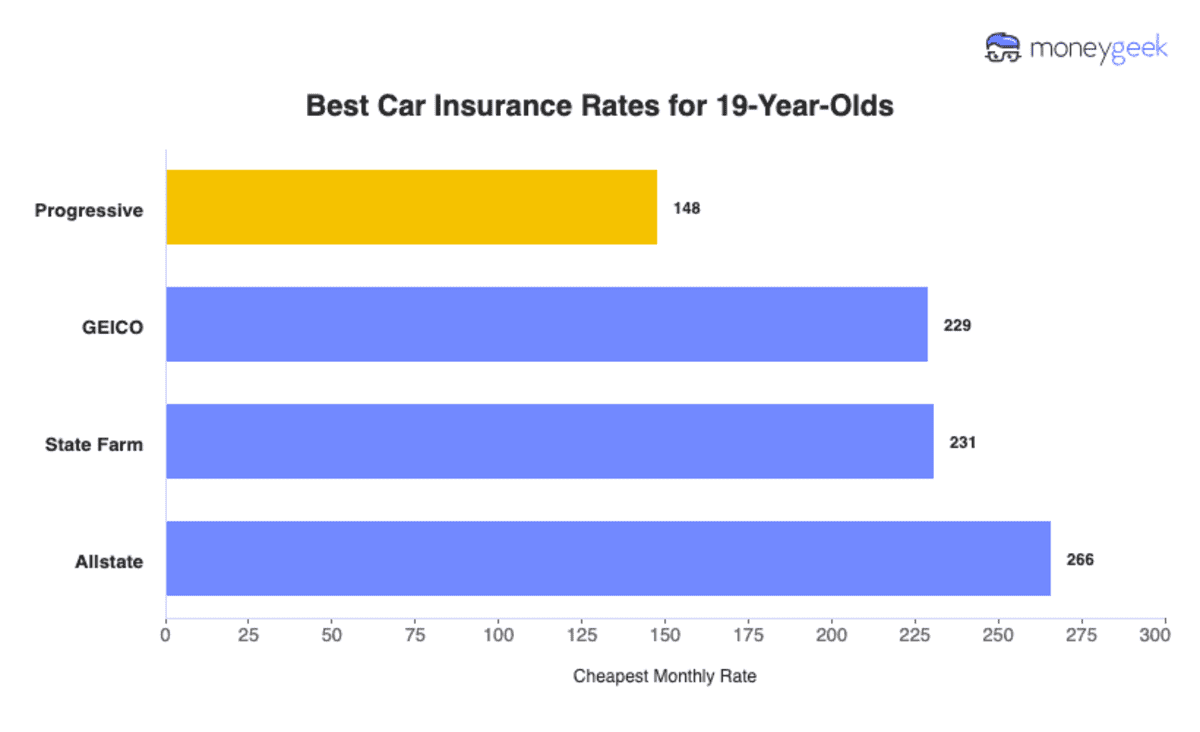
- Age and Driving Experience: Statistically, younger, less experienced drivers (especially those under 25) pose a higher risk due to a greater propensity for accidents. As drivers age and gain more experience, their rates generally decrease, assuming a clean driving record. However, rates can subtly climb again for very senior drivers, reflecting different risk factors.
- Driving Record: This is arguably the most impactful factor. A history of accidents, traffic violations (speeding tickets, reckless driving), or DUIs will significantly elevate your premiums. Insurers view these as strong indicators of future risky behavior. Conversely, a clean driving record, especially over several years, is your best financial asset for lower rates.
- Location (Zip Code): Where you live and primarily park your car has a substantial effect. Urban areas often have higher rates due to increased traffic density, higher accident rates, and greater risk of theft or vandalism. Rural areas, with less traffic and lower crime rates, typically enjoy lower premiums. Even within the same city, different zip codes can yield varying rates based on micro-level risk assessments.
- Credit Score (Insurance Score): In many states, insurers use a credit-based insurance score as a predictive tool. This score is not identical to a standard credit score but is derived from credit report information. Studies suggest a correlation between financial responsibility (as reflected in credit scores) and responsible driving behavior. A higher insurance score typically translates to lower premiums.
- Marital Status: Married drivers are often statistically shown to be involved in fewer accidents and thus may receive lower rates than single drivers. This is a common, albeit sometimes debated, actuarial practice.
- Gender: Historically, gender was a significant rating factor, with young males often paying more. While still considered by some insurers, its impact has lessened or is prohibited in certain states, giving way to more generalized risk profiles.
Vehicle Characteristics
The car you drive is another crucial piece of the premium puzzle. Some vehicles are simply more expensive to insure due to their value, performance, or repair costs.
- Make, Model, and Year: Luxury vehicles, sports cars, or those with high-performance engines typically incur higher premiums. They are often more expensive to repair or replace and may be associated with higher speeds and thus greater accident risk. Conversely, older, more modest, or safer-rated vehicles usually cost less to insure.
- Safety Features: Modern safety technologies like automatic emergency braking, lane-keeping assist, adaptive cruise control, and advanced airbag systems can reduce the likelihood or severity of an accident, often leading to discounts on certain coverages.
- Anti-Theft Devices: Vehicles equipped with alarms, immobilizers, or tracking devices are less likely to be stolen, which can result in lower comprehensive coverage premiums.
- Vehicle Usage: How you use your car also matters. A vehicle used for daily long commutes or business purposes typically faces higher premiums than one driven infrequently for personal errands, as increased mileage correlates with increased exposure to risk.
Deciphering GEICO’s Coverage Options and Their Impact
Beyond your personal profile and vehicle, the actual coverage you choose is the most direct determinant of your monthly GEICO bill. Understanding each component is vital for balancing financial protection with affordability.
Understanding Basic Coverage Types
These are the foundational elements of any auto insurance policy, often mandated by state law.
- Liability Coverage (Bodily Injury & Property Damage): This is the cornerstone of any policy. It covers damages you cause to other people and their property if you are at fault in an accident. State laws mandate minimum levels, but carrying higher limits is a critical personal finance strategy to protect your assets (savings, home) from potential lawsuits. Higher limits mean higher premiums, but offer exponentially greater financial security.
- Collision Coverage: This pays for damages to your own car resulting from a collision with another vehicle or object, regardless of who is at fault. If you have a car loan or lease, this coverage is almost always required by the lender.
- Comprehensive Coverage: This protects your car from non-collision-related incidents. This includes theft, vandalism, fire, hail, falling objects, and hitting an animal. Like collision, it’s often required for financed or leased vehicles.
Optional Coverages and Add-ons
These coverages provide additional layers of protection and convenience, enhancing your financial security but also increasing your monthly premium.
- Medical Payments (MedPay) / Personal Injury Protection (PIP): These cover medical expenses for you and your passengers after an accident, regardless of fault. PIP, mandatory in “no-fault” states, can also cover lost wages and essential services.
- Uninsured/Underinsured Motorist (UM/UIM): This is a crucial financial safeguard. It protects you if you’re hit by a driver who has no insurance (uninsured) or not enough insurance (underinsured) to cover your medical bills or vehicle damage. This can be one of the most valuable, yet often overlooked, coverages.
- Roadside Assistance: Covers services like towing, jump-starts, tire changes, and fuel delivery if your car breaks down. A convenient add-on that can save out-of-pocket costs during an emergency.
- Rental Car Reimbursement: Pays for a rental car while your vehicle is being repaired after a covered claim.
- Mechanical Breakdown Insurance (MBI): Similar to an extended warranty, MBI covers repairs to mechanical parts of your car beyond the manufacturer’s warranty.
Deductibles and Limits
These two concepts directly influence your premium and your out-of-pocket financial responsibility.

- Deductibles: This is the amount you agree to pay yourself before your insurance coverage kicks in for collision and comprehensive claims. A higher deductible (e.g., $1,000) typically results in a lower monthly premium because you’re taking on more initial financial risk. Conversely, a lower deductible (e.g., $250) means a higher monthly premium but less out-of-pocket expense in the event of a claim. It’s a critical budgeting decision to find a deductible you can comfortably afford.
- Limits: These refer to the maximum amount your insurance company will pay out for a covered claim. Higher liability limits, for instance, offer more protection but increase your premium. Selecting appropriate limits is a balancing act between cost and adequate financial protection for your assets.
Maximizing Savings: GEICO Discounts and Strategies
GEICO, like most major insurers, offers a plethora of discounts to reward various behaviors and characteristics. Being proactive in identifying and applying for these can significantly reduce your monthly premium.
Common GEICO Discount Categories
GEICO groups its discounts into several categories, making it easier to see where you might qualify for savings.
- Driver-Related Discounts:
- Good Driver/Safe Driver: For maintaining a clean driving record free of accidents or violations for a specified period (e.g., 5 years).
- Defensive Driving Course: Completing an approved defensive driving course can reduce your premium.
- Student Discounts: Good student discount (for maintaining a certain GPA), student away from home discount (if a student lives more than 100 miles from the car).
- Vehicle-Related Discounts:
- New Car Discount: For insuring a new vehicle.
- Anti-Theft System Discount: For cars equipped with alarms or tracking devices.
- Daytime Running Lights/Passive Restraint Discount: For vehicles with certain safety features.
- Policy-Related Discounts:
- Multi-Car Discount: For insuring multiple vehicles on the same policy.
- Multi-Policy/Bundling Discount: A significant saving for combining auto insurance with other GEICO policies (e.g., homeowners, renters, motorcycle).
- Payment Method Discounts: For setting up automatic payments (EFT) or paying your premium in full.
- Affiliation Discounts: GEICO partners with hundreds of organizations, including military branches, federal employee associations, colleges, and professional groups, to offer exclusive discounts to their members. Always check if your affiliation qualifies.
- Telematics Programs (GEICO DriveEasy): This is a usage-based insurance program where GEICO monitors your driving habits (speeding, hard braking, phone use) via an app. Safe drivers can earn discounts, potentially significant ones, by demonstrating responsible driving.
Strategic Approaches to Lower Your Premiums
Beyond leveraging specific discounts, there are ongoing strategies you can employ to keep your GEICO costs in check.
- Regularly Review Your Policy: Life changes (marriage, moving, a new job, children leaving home, paying off a car loan) can all impact your rates. Inform GEICO of these changes, as they might qualify you for new discounts or adjustments.
- Shop Around Annually: While this article focuses on GEICO, it’s a fundamental financial principle to compare quotes from multiple insurers every year or two. Rates fluctuate, and a competitor might offer a better deal even if GEICO was previously your cheapest option.
- Improve Your Credit Score: As mentioned, your insurance score is linked to your credit. Improving your overall financial health can lead to better insurance rates in the long run.
- Maintain a Clean Driving Record: This is the single most effective, long-term strategy for keeping your premiums low. Avoiding accidents and traffic violations pays dividends year after year.
- Consider Dropping Certain Coverages (for older cars): If you have an older car with low market value, the cost of collision and comprehensive coverage might exceed the car’s actual worth over time. Financially, it might make sense to drop these coverages and self-insure for potential damage to that vehicle.
The Quoting Process: Getting an Accurate Estimate from GEICO
Getting an accurate monthly premium estimate from GEICO is straightforward, but it requires providing precise information. The more detailed and honest you are, the closer your initial quote will be to your actual policy cost.
Information You’ll Need
Before starting a quote, gather the following essential details for yourself and any other drivers you plan to include on the policy:
- Personal Details: Full name, date of birth, driver’s license number, address, marital status, occupation, education level.
- Vehicle Details: Vehicle Identification Number (VIN) for all cars to be insured (this provides make, model, year, and specific features), mileage, primary use (commute, pleasure, business), and estimated annual mileage.
- Driving History: Any past accidents, traffic violations, or claims within the last 3-5 years.
- Desired Coverage Levels: Having an idea of the liability limits, deductibles for collision and comprehensive, and any optional coverages you want will streamline the process.
Online vs. Agent Quotes
GEICO offers multiple avenues for obtaining a quote, each with its advantages.
- Online Quotes: GEICO’s website and mobile app are renowned for their user-friendly quoting tools. This option is quick, convenient, and allows you to experiment with different coverage levels and deductibles in real-time. It’s ideal for those who prefer a self-service approach.
- Agent Quotes: While GEICO is primarily a direct insurer, they do have licensed agents available by phone. Speaking with an agent can provide personalized advice, help you understand complex coverage options, and ensure you’re getting all applicable discounts. This is beneficial if you have specific questions or a unique situation.
Understanding the “Snapshot” vs. Actual Premium
It’s important to remember that an initial quote is an estimate. The final premium can sometimes vary slightly once GEICO verifies all your provided information, checks your driving record, and obtains your insurance score. This verification process ensures accuracy and prevents fraud. Be transparent throughout the quoting process to avoid any surprises when your policy officially goes into effect.
Conclusion
So, “how much is GEICO car insurance a month?” As we’ve explored, the answer is a dynamic figure shaped by a complex interplay of personal history, vehicle attributes, coverage choices, and discount eligibility. While the exact number remains unique to each individual, understanding these underlying financial factors empowers you to be a more informed consumer.
GEICO’s competitive rates, coupled with a wide array of discounts and robust customer service, make them a popular choice for many. By carefully evaluating your personal circumstances, selecting appropriate coverage levels that balance protection with affordability, proactively seeking out every possible discount, and regularly reviewing your policy, you can work towards securing a GEICO monthly premium that aligns with your financial goals and provides peace of mind on the road. Don’t hesitate to leverage GEICO’s quoting tools and speak with their representatives to tailor a policy that’s right for your budget and your driving needs.
aViewFromTheCave is a participant in the Amazon Services LLC Associates Program, an affiliate advertising program designed to provide a means for sites to earn advertising fees by advertising and linking to Amazon.com. Amazon, the Amazon logo, AmazonSupply, and the AmazonSupply logo are trademarks of Amazon.com, Inc. or its affiliates. As an Amazon Associate we earn affiliate commissions from qualifying purchases.