
In an era defined by digital convenience and ubiquitous connectivity, the simple question, “What movies are on?” has transformed from a straightforward query answered by a newspaper listing into a complex navigation challenge across a vast, technologically driven entertainment ecosystem. Far from merely seeking showtimes, today’s film enthusiasts are engaging with sophisticated software, artificial intelligence, streaming platforms, and an array of smart devices to discover, consume, and interact with cinematic content. This evolution isn’t just about accessing movies; it’s about how technology has fundamentally reshaped the entire experience, from initial discovery to immersive viewing and post-credit discussion. Understanding this technological landscape is key to unlocking the full potential of modern movie consumption.
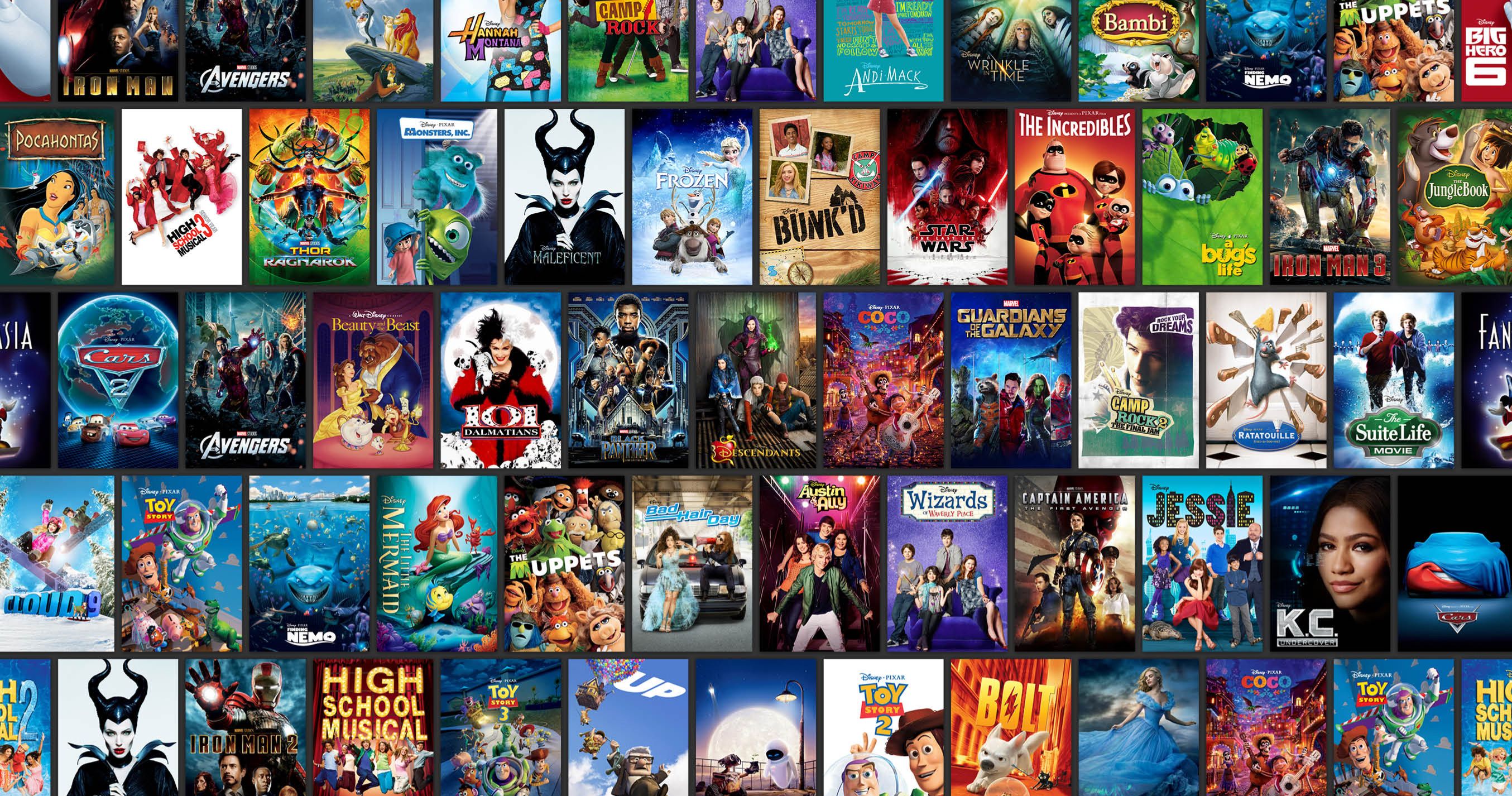
The Evolution of Movie Discovery: From Listings to Algorithms
The journey of finding out “what movies are on” mirrors the broader technological advancements of the past century. What began as a manual, localized effort has blossomed into a global, personalized, and predictive process, driven by innovative tech solutions.
The Analog Era: TV Guides and Newspaper Schedules
For decades, the answer to “what movies are on” was decidedly analog. Families would gather around the television guide printed in the local newspaper or a dedicated weekly magazine. These physical listings provided sequential schedules for broadcast television and cinema showtimes, often requiring manual cross-referencing for specific preferences. The choice was limited to what was airing or playing locally, dictated by distribution schedules and broadcast windows. Discovery was passive and curated by editors, with little room for personalization or on-demand access. The technology involved was primarily printing and broadcasting, with no direct interactivity for the viewer.
The Digital Shift: Early Online Portals and Databases
The advent of the internet marked the first significant technological leap in movie discovery. Websites like IMDb (Internet Movie Database) and early versions of online ticketing platforms began to centralize information, offering vast searchable databases of films, actors, and showtimes. This shift moved discovery from a passive, scheduled process to an active, search-driven one. Users could now actively seek out specific films, read synopses, and check showtimes across multiple cinemas without leaving their homes. These early digital portals leveraged basic web technologies, databases, and search algorithms to aggregate and present information more efficiently than ever before, laying the groundwork for more sophisticated tools.
The Streaming Revolution: On-Demand Access and Content Overload
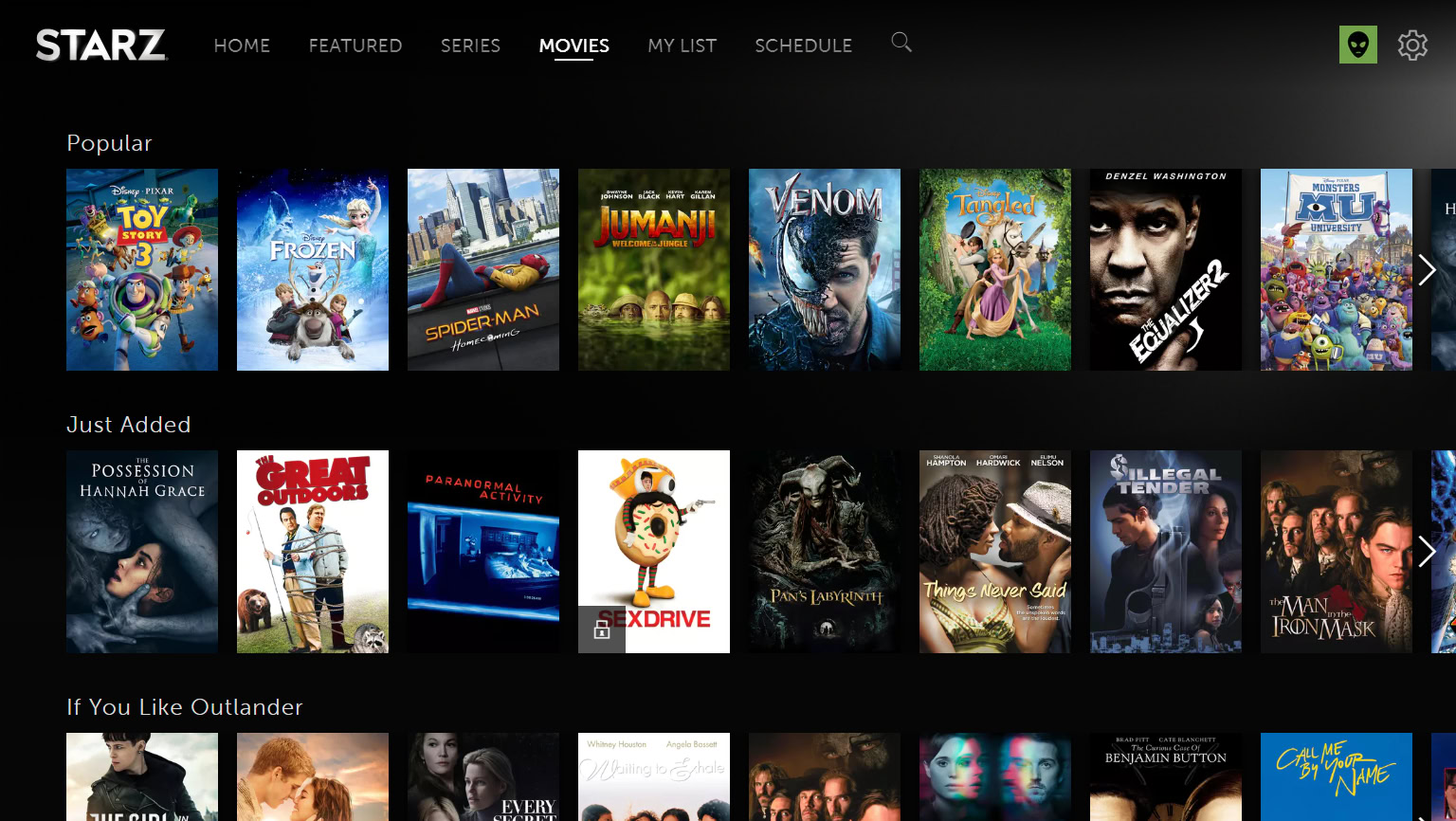
The true paradigm shift arrived with the streaming revolution, spearheaded by platforms like Netflix, Hulu, and later, a multitude of studio-specific services. This technology moved content from scheduled broadcasts and physical media to an “always-on,” on-demand model. The question “what movies are on” transformed into “what movies can I watch right now?” This technological leap brought with it immense convenience but also introduced the challenge of content overload. With thousands of titles available at the touch of a button, users needed new technological solutions to navigate this vast ocean of choice, giving rise to sophisticated recommendation engines and content aggregation tools.
Essential Tech Tools for Modern Movie Enthusiasts
Today, a suite of dedicated technologies and applications makes navigating the cinematic landscape not just possible, but highly personalized and efficient. These tools leverage advanced software, AI, and connectivity to simplify the movie discovery process.
Streaming Service Aggregators and Search Engines
With the proliferation of streaming services, a critical need emerged for tools that could cut through the fragmentation. Aggregator platforms like JustWatch, Reelgood, and Plex have become indispensable. These applications integrate with numerous streaming subscriptions, allowing users to search for a movie or TV show once and instantly see which service (or services) it’s available on. They solve the “where to watch” dilemma, often providing direct links to play the content. Technically, these platforms rely on complex APIs to pull data from various streaming providers, maintain up-to-date availability information, and offer universal search capabilities, saving users time and reducing frustration.
Personalized Recommendation Engines
Perhaps the most transformative tech tool in modern movie discovery is the personalized recommendation engine, powered by artificial intelligence and machine learning. Services like Netflix, Amazon Prime Video, and Disney+ employ sophisticated algorithms that analyze viewing history, ratings, watch patterns, and even explicit preferences to suggest content tailored to individual tastes. These AI systems go beyond simple genre matching; they identify nuanced similarities between titles, predict user enjoyment, and even proactively surface content a user might not have otherwise considered. This technology has shifted the discovery process from explicit searching to intelligent suggestion, making the “what movies are on” question deeply personal and continuously evolving.
Smart TV Platforms and Integrated Ecosystems
The Smart TV is no longer just a display; it’s a central hub for cinematic consumption, integrating multiple streaming services, apps, and often voice control technologies. Platforms like Roku OS, Android TV, webOS, and Tizen offer intuitive user interfaces that consolidate content from various sources. These integrated ecosystems streamline the process of finding and playing movies, often featuring universal search functions that span across installed apps. Furthermore, advancements in display technology (4K, 8K, HDR, OLED) and audio integration (Dolby Atmos, DTS:X) within Smart TVs and connected sound systems elevate the home viewing experience to cinematic levels, proving that the hardware itself is a critical tech component in movie enjoyment.
Mobile Apps for Cinema Listings and Ticketing
While streaming dominates home viewing, the cinema experience remains vibrant, and mobile technology has revolutionized how we engage with it. Dedicated apps from cinema chains (e.g., AMC Theatres, Cinemark), aggregators (e.g., Fandango, Atom Tickets), and even local independent cinemas provide real-time showtimes, trailer access, seat selection, and digital ticketing. These apps leverage location services to show nearby theaters, offer push notifications for upcoming releases, and often integrate loyalty programs. The convenience of buying tickets on the go, storing them digitally, and bypassing box office queues is a testament to how mobile tech has optimized a traditional outing.
Beyond the Screen: Enhancing the Movie-Watching Experience with Tech
Technology’s influence extends beyond mere discovery, profoundly enriching the actual act of watching movies and engaging with them after the credits roll.
Home Theater Technology: Audio-Visual Excellence

For many, the home has become a personal cinema, thanks to significant advancements in home theater technology. High-resolution projectors and ultra-large OLED/QLED screens deliver stunning visual fidelity. Sophisticated surround sound systems, incorporating technologies like Dolby Atmos and DTS:X, create immersive audio landscapes that mimic the acoustics of a professional theater. These setups often integrate with smart home ecosystems, allowing users to control lighting, climate, and audio-visual components with voice commands or a single smart remote. The convergence of advanced hardware and intelligent software orchestrates a truly cinematic experience within the confines of one’s living space.
VR/AR in Cinematic Experiences: Immersive Storytelling
Emerging technologies like Virtual Reality (VR) and Augmented Reality (AR) are beginning to push the boundaries of cinematic storytelling, promising a new frontier for how we consume movies. While still nascent in mainstream feature films, VR experiences offer fully immersive narratives, placing viewers inside the story. AR, on the other hand, can overlay digital content onto the real world, potentially enhancing movie posters with interactive trailers or allowing characters to appear in your living room. These technologies represent a radical departure from passive viewing, hinting at a future where “what movies are on” could mean what interactive, multi-sensory worlds are available to step into.
Social Media and Community Platforms for Film Discussion
The movie-watching experience often extends into post-viewing discussion, and technology, particularly social media and dedicated online communities, facilitates this engagement. Platforms like Twitter, Reddit (with subreddits dedicated to specific films or genres), Letterboxd (a social network for film lovers), and various forums allow audiences to share opinions, analyze plots, discover trivia, and connect with fellow enthusiasts. These digital spaces act as global water coolers, amplifying the communal aspect of cinema. They leverage networking technologies to create vibrant ecosystems around films, transforming isolated viewing into shared cultural moments.
The Future of Film Discovery: AI, Interactivity, and the Metaverse
The trajectory of technological innovation suggests even more profound changes are on the horizon for how we discover and experience movies.
Predictive Analytics and Hyper-Personalized Content Feeds
Building on current AI recommendation engines, future systems will likely employ even more sophisticated predictive analytics. Imagine content feeds that anticipate your mood, cross-reference your social calendar for ideal viewing times, or even adapt based on real-time biometric data (e.g., suggesting a calming film if your stress levels are high). Hyper-personalization could extend to dynamic content generation, where elements of a story might subtly shift based on a viewer’s historical preferences, creating a truly unique narrative journey for each individual.
Interactive Storytelling and Choose-Your-Own-Adventure Formats
The success of limited interactive experiments (like Netflix’s “Black Mirror: Bandersnatch”) hints at a future where viewer agency becomes a more integral part of the cinematic experience. Advanced AI and robust interactive platforms could allow audiences to make genuine choices that impact plot, character development, or even genre. “What movies are on” could evolve to “what cinematic narratives can I shape today?” blurring the lines between film, gaming, and interactive art, requiring new forms of content creation software and delivery mechanisms.
Blockchain and NFTs in Film Distribution and Ownership
Blockchain technology and Non-Fungible Tokens (NFTs) are poised to disrupt traditional film distribution and ownership models. NFTs could represent unique digital ownership stakes in films, providing creators with new funding avenues and audiences with verifiable digital collectibles or even fractional ownership. Decentralized autonomous organizations (DAOs) funded by blockchain could democratize film production and selection, allowing communities to vote on projects. This tech could create entirely new economies around cinema, offering transparency, direct creator-to-audience engagement, and novel ways to finance and distribute content, directly impacting what content is made available and how.
The Metaverse as a Cinematic Universe
The concept of the metaverse offers the most ambitious vision for future film experiences. Imagine virtual cinemas where avatars can gather to watch new releases, interact with other viewers in real-time, or even participate in post-screening Q&As with filmmakers. Beyond passive viewing, the metaverse could host entire cinematic universes, allowing users to explore film sets, interact with characters, or experience side stories in a fully immersive 3D environment. This convergence of VR/AR, persistent virtual worlds, and high-fidelity content streaming would redefine “what movies are on” by transforming it into “what cinematic worlds can I inhabit?”
Challenges and Considerations in the Tech-Driven Movie Landscape
While technology has brought immense benefits, it also presents significant challenges that require careful consideration.
Content Fragmentation and Subscription Fatigue
The very technology that allows for on-demand access has also led to content fragmentation. Each major studio now typically has its own streaming service, forcing consumers to subscribe to multiple platforms to access desired content. This “subscription fatigue” can become costly and unwieldy, making the simple act of finding “what movies are on” a financial and navigational headache. Tech solutions like aggregators help, but the underlying business models driven by platform exclusivity present a persistent hurdle.
Data Privacy and Algorithmic Bias
The personalized recommendation engines, while convenient, operate by collecting vast amounts of user data. Concerns about data privacy, how this data is stored, and who it is shared with are paramount. Furthermore, algorithmic bias can emerge, where recommendation systems inadvertently reinforce existing preferences or limit exposure to diverse content, creating echo chambers rather than expanding horizons. Ensuring ethical AI development and transparent data practices is crucial for maintaining trust and fostering genuine discovery.
The Digital Divide and Access to Technology
Finally, the increasing reliance on advanced technology for movie consumption risks exacerbating the digital divide. Not everyone has access to high-speed internet, smart devices, or the financial means to subscribe to multiple streaming services. As cinematic experiences become more intertwined with cutting-edge tech, ensuring equitable access remains a critical challenge to prevent segments of the population from being excluded from the evolving world of film.
In conclusion, the question “what movies are on” is no longer just about a list of titles; it’s a testament to the profound impact of technology on one of humanity’s most cherished art forms. From the humble newspaper guide to intelligent AI algorithms and immersive virtual worlds, technology has continuously redefined how we discover, consume, and interact with cinema, promising an even more dynamic and engaging future for film enthusiasts worldwide.
aViewFromTheCave is a participant in the Amazon Services LLC Associates Program, an affiliate advertising program designed to provide a means for sites to earn advertising fees by advertising and linking to Amazon.com. Amazon, the Amazon logo, AmazonSupply, and the AmazonSupply logo are trademarks of Amazon.com, Inc. or its affiliates. As an Amazon Associate we earn affiliate commissions from qualifying purchases.