
The question “how much is Amazon stock per share?” is one of the most frequently asked by both seasoned investors and curious newcomers to the stock market. Unlike a fixed price tag on a product, the value of a single share of Amazon (AMZN) stock is a dynamic figure, fluctuating constantly throughout trading hours based on a myriad of factors. This article aims to demystify the valuation of Amazon stock, providing a comprehensive guide for anyone looking to understand its price, what influences it, and how one might approach investing in this global titan.
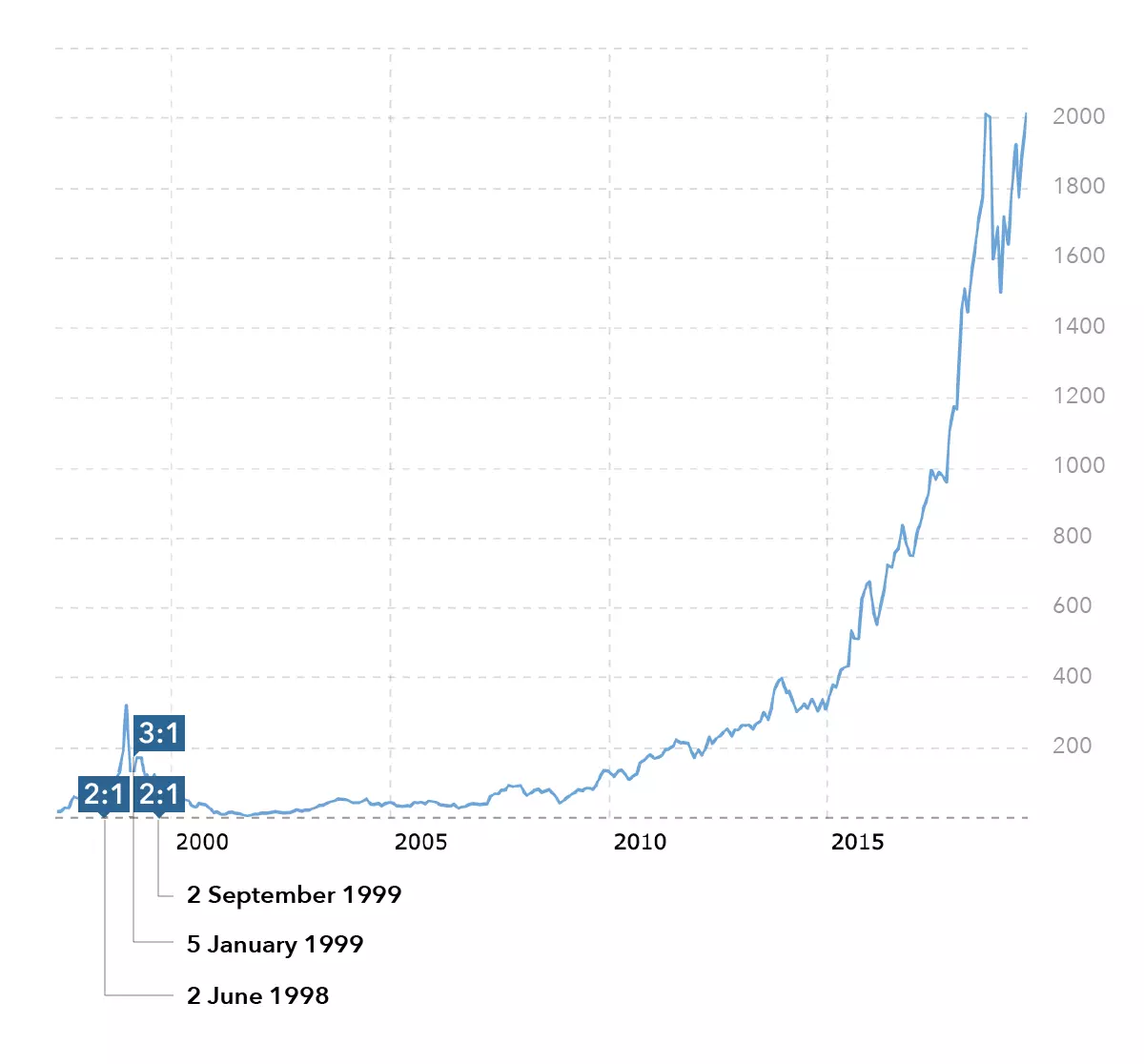
Amazon, Inc. (AMZN) is more than just an e-commerce giant; it’s a multifaceted technology and logistics powerhouse with significant stakes in cloud computing (Amazon Web Services – AWS), digital advertising, artificial intelligence, and numerous other ventures. Its stock price reflects not only the company’s current performance but also market expectations for its future growth and profitability. Understanding these underlying dynamics is crucial for making informed investment decisions.
Understanding Amazon’s Stock Valuation
To truly grasp the “how much” of Amazon’s stock, one must delve into the mechanisms that dictate its price. Stock prices are not arbitrary numbers; they are the result of a complex interplay of economic indicators, company performance, market sentiment, and investor demand.
The Dynamic Nature of Stock Prices
The first thing to recognize is that Amazon’s stock price, like that of most publicly traded companies, is in constant flux. During market hours (typically 9:30 AM to 4:00 PM ET on weekdays), the price changes by the second. This real-time movement is driven by the immediate forces of supply and demand. If more investors want to buy Amazon stock than sell it, the price tends to rise. Conversely, if more investors are selling than buying, the price will generally fall.
Beyond these immediate forces, daily, weekly, and yearly price movements are influenced by broader market trends. A bullish market might see AMZN climb, even on days with no specific company news, while a bearish market could pull it down. Economic reports, interest rate changes, and geopolitical events can all ripple through the market, affecting even stable stocks like Amazon.
Key Factors Influencing AMZN’s Price
Amazon’s stock price is a complex barometer influenced by both internal company specifics and external market forces. Understanding these factors is key to predicting potential movements.
Company Performance and Earnings
At its core, a company’s financial health is the most significant driver of its stock price. Amazon’s quarterly earnings reports are meticulously scrutinized by analysts and investors. Key metrics include:
- Revenue Growth: Amazon’s ability to continually expand its sales across its various segments (e-commerce, AWS, advertising) is a primary indicator of its health.
- Profitability and Margins: While Amazon historically prioritized growth over immediate profits, its increasing focus on bottom-line figures, especially from high-margin segments like AWS, significantly impacts investor perception.
- Earnings Per Share (EPS): This metric, showing how much profit a company makes per outstanding share, is a crucial benchmark against analyst expectations.
- Guidance: What Amazon projects for its future quarters often carries more weight than past performance, influencing investor confidence and expectations.
Market Sentiment and Investor Confidence
Stock prices are often influenced by the collective mood of investors. Positive news—a successful product launch, a new strategic partnership, or an optimistic analyst report—can create a wave of buying interest. Conversely, negative news—regulatory challenges, increased competition, or a miss on earnings expectations—can lead to sell-offs. Amazon, being a high-profile tech stock, is particularly susceptible to shifts in market sentiment towards the technology sector as a whole.
Economic Indicators and Macro Trends
Broader economic conditions play a significant role. Factors such as consumer spending habits, inflation rates, interest rate policies from central banks, and GDP growth can all impact Amazon’s various business segments. For instance, high inflation might impact consumer discretionary spending on e-commerce, while a strong economy could boost enterprise spending on AWS.
Competitive Landscape and Regulatory Environment
Amazon operates in highly competitive industries, from retail to cloud computing. Actions by competitors (e.g., Microsoft Azure, Google Cloud, Walmart) can affect its market share and profitability. Furthermore, Amazon faces ongoing scrutiny from regulatory bodies concerning antitrust, labor practices, and data privacy. Any significant regulatory action or investigation can introduce uncertainty and impact investor confidence.
The Role of Financial Metrics
Beyond the raw price, investors often look at specific financial ratios to assess whether Amazon’s stock is undervalued or overvalued relative to its earnings and industry peers.
- Market Capitalization: This is the total value of all outstanding shares (stock price x number of shares). Amazon’s massive market cap places it among the world’s most valuable companies, reflecting its immense scale and influence.
- Price-to-Earnings (P/E) Ratio: This ratio compares the current stock price to its earnings per share. A high P/E often indicates that investors expect strong future growth, while a lower P/E might suggest slower growth or undervaluation. Amazon’s P/E has historically been higher than the market average, reflecting its growth-oriented nature.
- Price-to-Sales (P/S) Ratio: Given Amazon’s focus on revenue growth, the P/S ratio (market cap divided by total revenue) can also be a useful metric, especially during periods when earnings are being reinvested heavily into the business.
A Glimpse into Amazon’s Business Empire
Amazon’s stock valuation is a direct reflection of its diversified and robust business model. What started as an online bookstore has evolved into an interconnected ecosystem that touches nearly every aspect of digital life and commerce.
E-commerce Dominance
Amazon’s retail arm remains a cornerstone of its business. Its vast online marketplace, expedited shipping through Prime membership, and relentless focus on customer experience have cemented its position as a global leader in e-commerce. Revenue from online stores, third-party seller services, and subscription services (primarily Prime) contribute significantly to its top line. While margins in retail can be tighter, the sheer volume and network effects provide substantial advantages.
AWS: The Cloud Computing Behemoth
Amazon Web Services (AWS) is arguably Amazon’s most valuable and profitable segment. Providing on-demand cloud computing platforms and APIs to individuals, companies, and governments, AWS powers a significant portion of the internet. Its consistent growth, high operating margins, and market leadership make it a critical driver of Amazon’s overall profitability and stock valuation. Investors often pay close attention to AWS’s performance as a key indicator of Amazon’s future earnings power.

Advertising and Other Ventures
Amazon’s advertising business has emerged as a formidable revenue stream, leveraging its vast trove of customer data and high-traffic retail platforms. This segment generates high-margin revenue and continues to grow rapidly. Additionally, Amazon is heavily invested in other areas like physical stores (Whole Foods Market, Amazon Go), logistics and delivery services, digital content (Prime Video, Amazon Music), smart home devices (Alexa), and emerging technologies like satellite internet (Project Kuiper) and healthcare initiatives. Each of these segments, to varying degrees, contributes to the company’s overall revenue and growth prospects.
How to Invest in Amazon Stock
For those convinced by Amazon’s long-term prospects and looking to invest, the process is straightforward, though it requires some preparation and understanding of basic investment principles.
Opening a Brokerage Account
The first step to buying Amazon stock (or any stock) is to open an investment account with a licensed brokerage firm. Many online brokers offer user-friendly platforms, competitive fees, and a wide range of investment options. Popular choices include Charles Schwab, Fidelity, Vanguard, Robinhood, E*TRADE, and Interactive Brokers. You’ll need to provide personal information, link a bank account, and complete a W-9 form.
Placing a Buy Order
Once your account is funded, you can search for Amazon using its ticker symbol, AMZN. When placing an order, you’ll typically have a few options:
- Market Order: This instructs your broker to buy shares immediately at the best available price. While simple, the price can fluctuate slightly between when you place the order and when it executes.
- Limit Order: This allows you to specify the maximum price you’re willing to pay per share. Your order will only execute if the stock reaches or falls below that price. This offers more control but means your order might not be filled if the price doesn’t hit your limit.
- Fractional Shares: Given that a single share of Amazon can still represent a significant investment (even after stock splits), many brokers offer the option to buy fractional shares. This means you can invest a specific dollar amount (e.g., $100), and you’ll receive a fraction of an AMZN share corresponding to that value. This democratizes access to high-priced stocks.
Diversification and Long-Term Strategy
While Amazon is a compelling investment for many, it’s crucial to practice diversification. Investing all your capital in a single stock, no matter how strong, carries significant risk. A well-diversified portfolio typically includes investments across different companies, industries, and asset classes (e.g., stocks, bonds, real estate). Furthermore, most financial advisors recommend a long-term approach to stock investing, letting the power of compounding and business growth work over years, rather than trying to time the market for short-term gains.
Important Considerations for Amazon Investors
Investing in Amazon, while potentially rewarding, comes with its own set of considerations that investors should carefully weigh.
Volatility and Risk
Even a blue-chip stock like Amazon is subject to market volatility. Its price can experience significant swings based on earnings reports, analyst upgrades/downgrades, economic news, or general market sentiment. While Amazon has demonstrated strong long-term growth, there’s no guarantee of future performance, and the value of your investment can go down as well as up. Investors should be comfortable with this inherent risk.
Fundamental vs. Technical Analysis
Investors often employ two main approaches to evaluate stocks:
- Fundamental Analysis: This involves examining a company’s financial statements, management, industry, and economic health to determine its intrinsic value. Investors using this approach for Amazon would scrutinize its revenue growth, profitability, AWS performance, and competitive advantages.
- Technical Analysis: This involves evaluating investments by analyzing statistical trends gathered from trading activity, such as price movement and volume. Technical analysts might look at charts and patterns to predict future price movements for AMZN.
A balanced approach often incorporates elements of both.
Long-Term vs. Short-Term Investing
Amazon has historically been a strong long-term growth stock. Many successful investors have held AMZN for years, benefiting from its exponential expansion. Short-term trading of Amazon stock can be much riskier, as it attempts to profit from small, rapid price movements that are difficult to predict consistently. For most retail investors, a buy-and-hold strategy, aligning with Amazon’s growth trajectory, is generally more appropriate.
Market Trends and Economic Outlook
Keep an eye on broader market trends and the overall economic outlook. A recession, for instance, could impact consumer spending on Amazon’s retail side and potentially slow enterprise spending on AWS. Conversely, a strong economic recovery could provide tailwinds for both segments. Monitoring these macro factors helps in contextualizing Amazon’s performance.
The Impact of Stock Splits (Historical Context for AMZN)
A crucial aspect of understanding “how much is Amazon stock per share” for long-term investors is the concept of a stock split, which Amazon executed relatively recently.
What is a Stock Split?
A stock split is a corporate action that increases the number of a company’s outstanding shares by dividing each existing share into multiple new shares. While the number of shares increases, the total value of the investment remains the same because the price per share decreases proportionally. For example, in a 20-for-1 split, one share worth $2,000 becomes 20 shares each worth $100.
Amazon’s Recent Stock Split (2022)
Prior to June 2022, Amazon’s stock price hovered around $2,000-$3,000 per share, making it inaccessible for many smaller investors. In June 2022, Amazon implemented a 20-for-1 stock split. This meant that for every share an investor owned, they received 19 additional shares, and the price of each individual share was divided by 20. This dramatically lowered the per-share price, making it much more affordable for a wider range of investors, particularly those looking to buy whole shares without resorting to fractional shares.

Psychological and Practical Effects
The primary practical effect of a stock split is increased liquidity and accessibility. With a lower per-share price, more individual investors can buy shares, potentially increasing trading volume and broadening the shareholder base. While a stock split doesn’t fundamentally change the company’s valuation or an investor’s total ownership stake, it often creates positive psychological momentum, making the stock appear “cheaper” and more attractive.
In conclusion, the question “how much is Amazon stock per share?” doesn’t have a single, static answer. It’s a continually evolving figure that reflects Amazon’s colossal business operations, its financial performance, the broader economic landscape, and the collective sentiment of millions of investors. For those considering investing, understanding these dynamics, conducting thorough due diligence, and aligning any investment with a well-thought-out personal financial strategy are paramount. Investing in Amazon means investing in a company that continues to redefine industries, making it a fascinating, albeit dynamic, part of the investment landscape.
aViewFromTheCave is a participant in the Amazon Services LLC Associates Program, an affiliate advertising program designed to provide a means for sites to earn advertising fees by advertising and linking to Amazon.com. Amazon, the Amazon logo, AmazonSupply, and the AmazonSupply logo are trademarks of Amazon.com, Inc. or its affiliates. As an Amazon Associate we earn affiliate commissions from qualifying purchases.